1. A Floating Shelf Beside the Bed
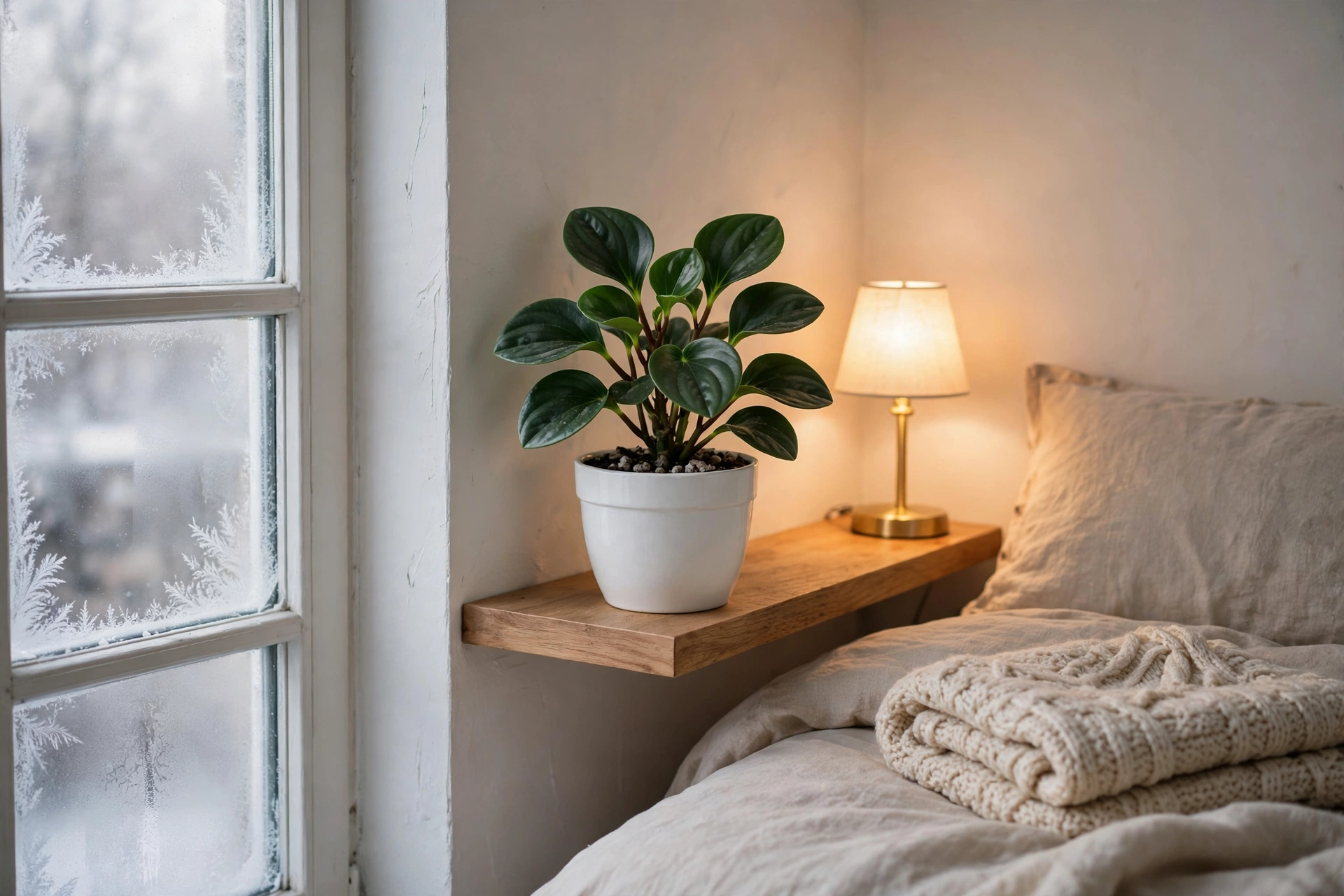
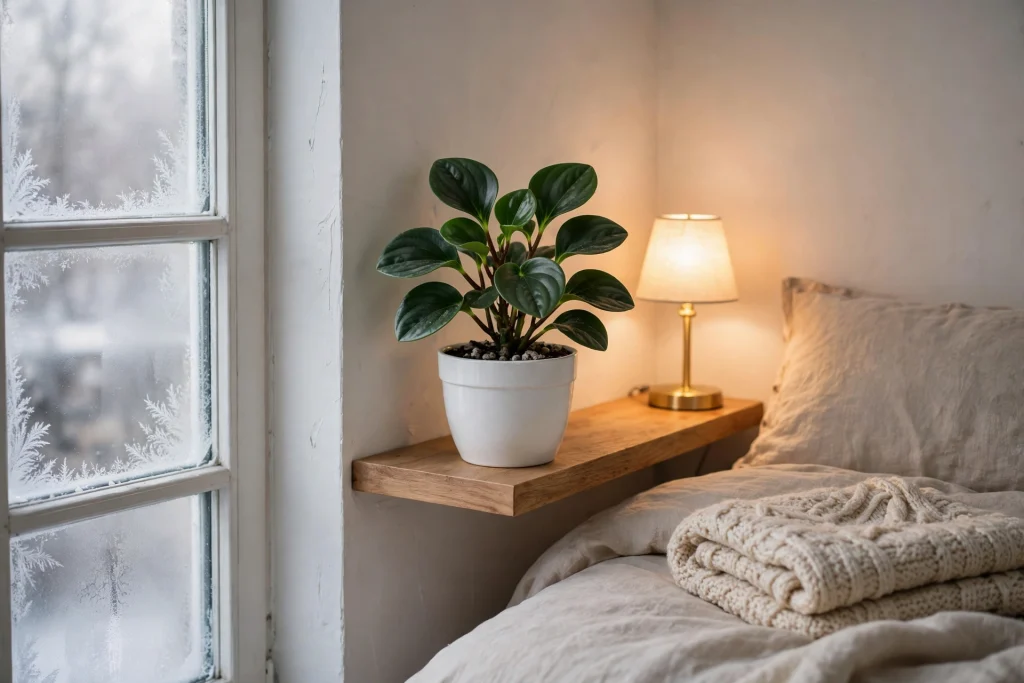
Okay, so here’s the thing. Your nightstand deserves a break, and a floating shelf beside the bed gives your plant its own gorgeous stage. A baby rubber plant fits here, since it stays compact at 6 to 12 inches tall and loves the medium light most bedrooms offer. Its glossy leaves store water, so it forgives a missed watering or two, which I love. Mount the shelf at eye level when you sit up in bed, and leave a few inches of space so leaves stay clear of your pillow. The ASPCA lists peperomia as non-toxic to cats and dogs, which is wonderful news for pet owners, and the corner feels cozy.
One tip: pick a solid mount that holds the pot plus wet soil, and your shelf stays safe and lovely.
2. Hanging Planters by the Window
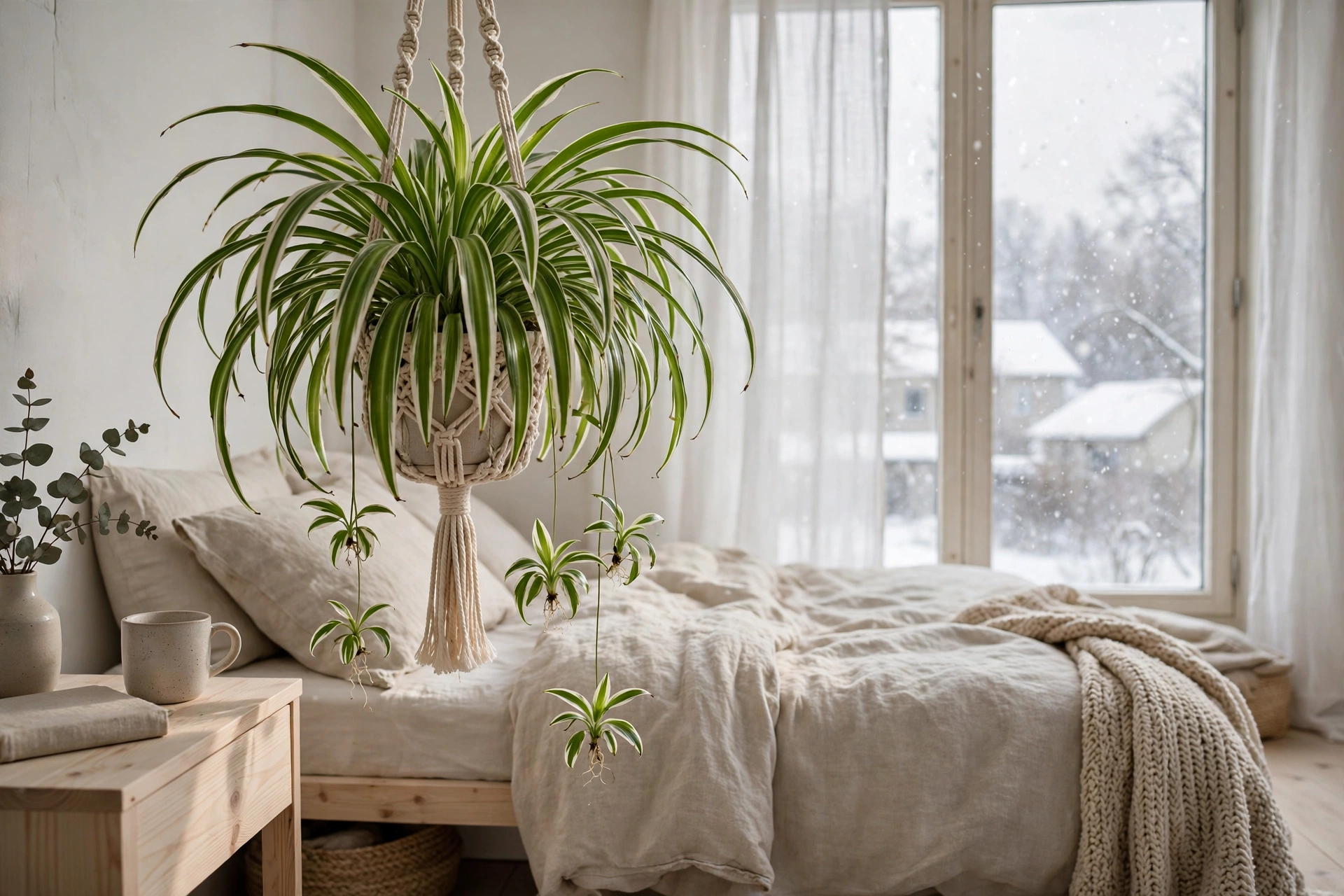
Seriously, who decided plants had to live on furniture? A spider plant in a hanging planter steals the show by the window, with arching green-and-white leaves and tiny plantlets dangling like a mobile. Bright indirect light keeps the stripes crisp and gorgeous, so hang it a foot or two back from the glass in a cozy spot. Water when the top inch of soil feels dry, and trim brown tips with clean scissors, so it stays fresh and pretty all winter. The ASPCA lists spider plants as non-toxic to cats and dogs, so curious pets can sniff away happily, and everyone loves it.
One tip: hang the planter from a sturdy ceiling hook rated for the pot, so it stays safe and snug all winter.
3. An Amaryllis Bloom on the Nightstand
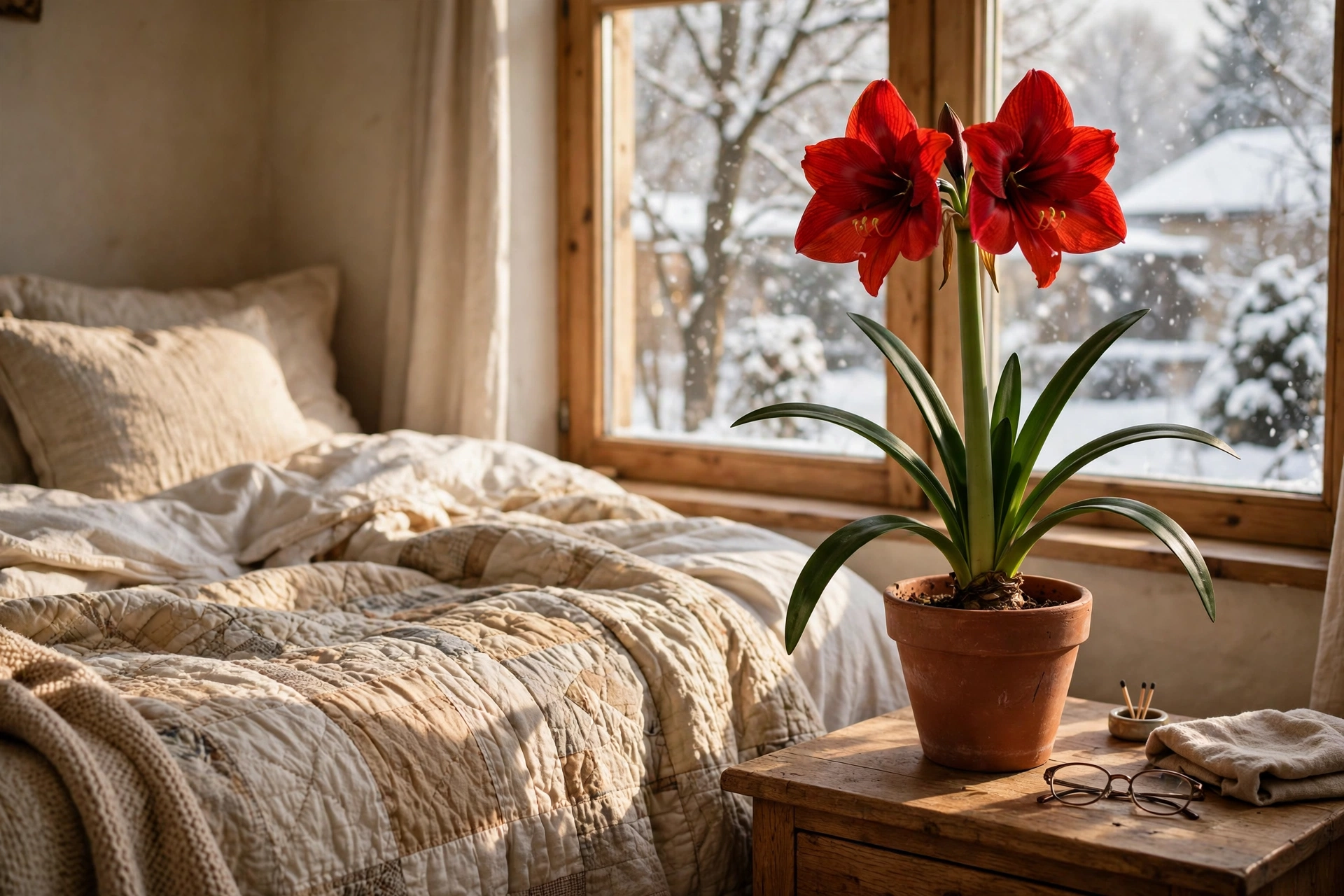
An amaryllis is basically a firework that agreed to live on your nightstand, and I love it. Each bulb sends up a stalk 18 to 24 inches tall, topped with huge trumpet flowers 4 to 6 inches wide, 6 to 8 weeks after planting. Bright light near a window suits it best, and a cooler room keeps the gorgeous blooms open longer. Water only when the top inch of soil feels dry, since dry soil keeps the bulb happy and healthy. The ASPCA lists amaryllis as toxic to cats and dogs, and the bulb is the most poisonous part. Keep it up high, away from paws, and everyone stays safe and happy.
One tip: turn the pot a quarter turn every few days, so the tall stalk grows straight and proud toward the light.
4. A Plant Trio on the Dresser
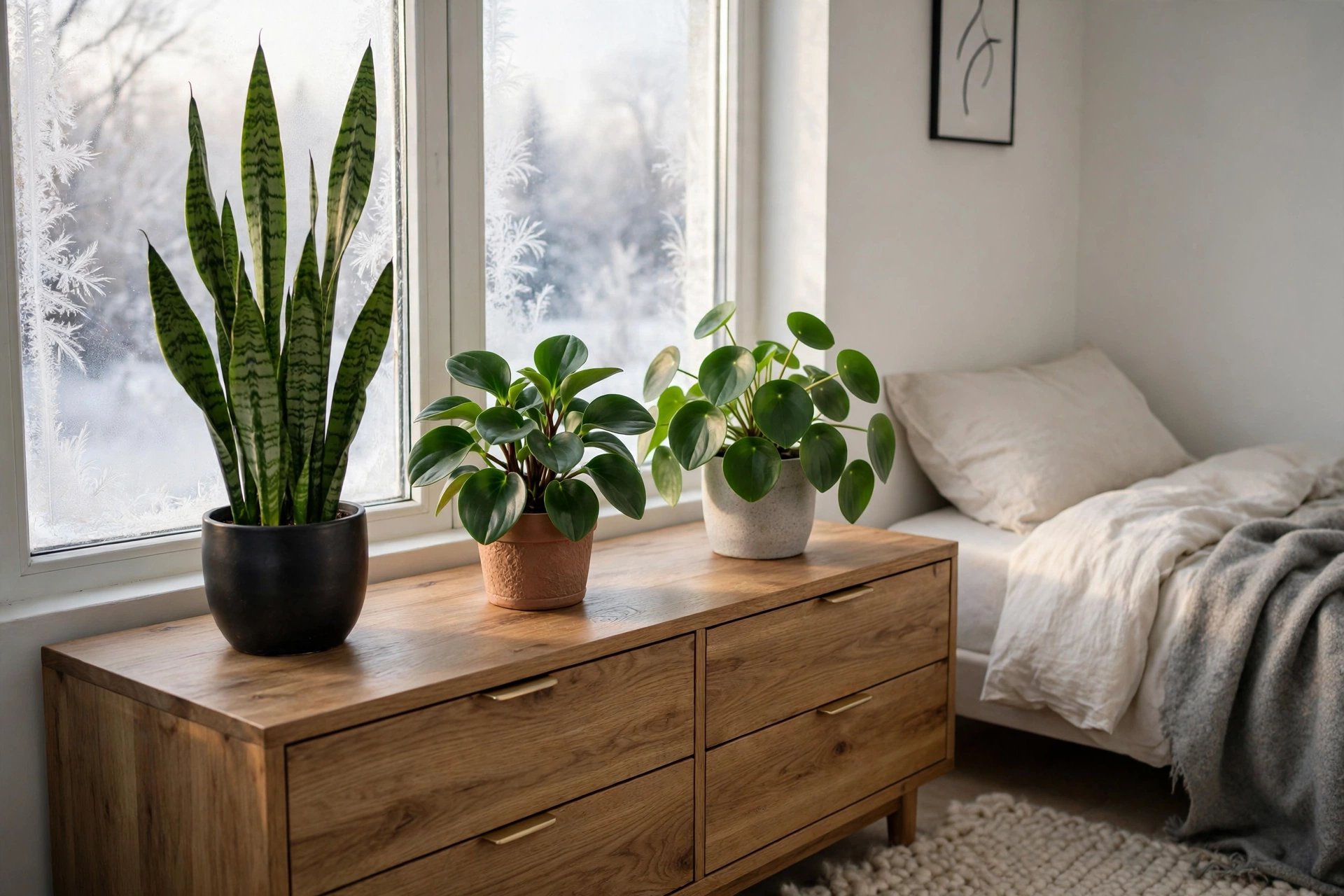
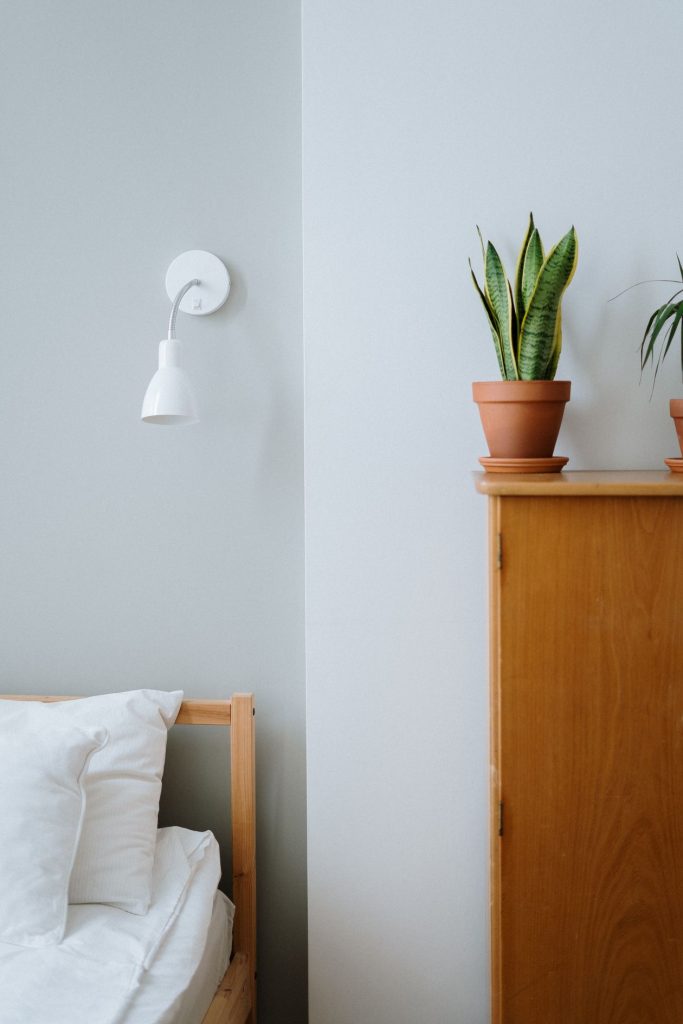
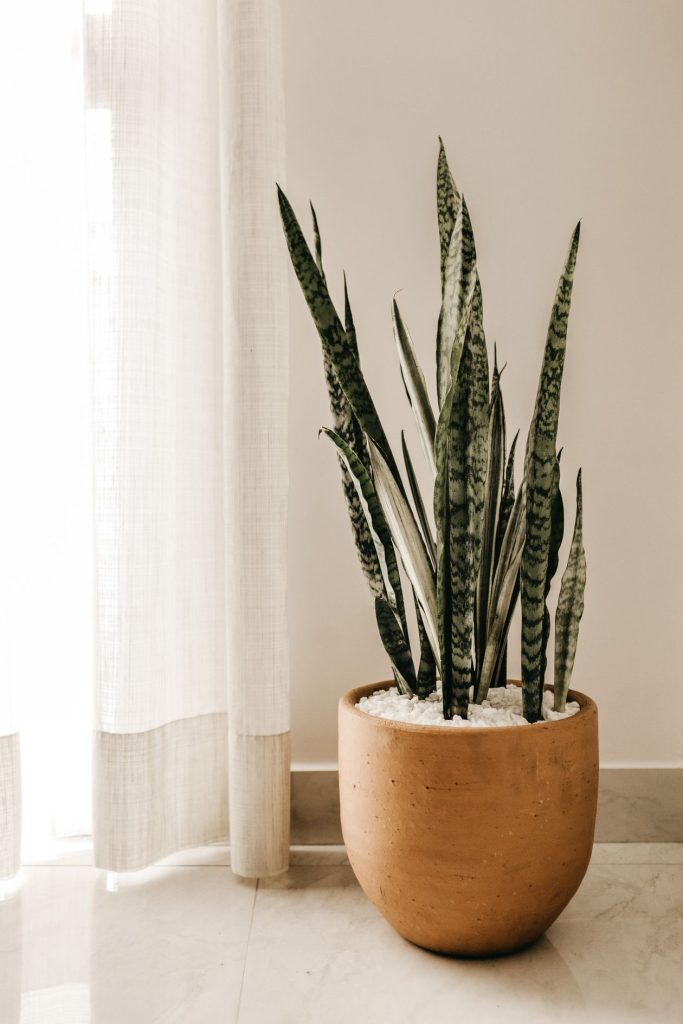
Three plants on a dresser beat one solo plant every single time, and the trick is mixing heights. A tall snake plant anchors one end, growing 2 to 4 feet tall with stiff upright leaves that ask for almost no attention. Peperomia sits in the middle with gorgeous glossy cupped leaves, while a pilea adds round coin-shaped leaves that catch the light and glow. Bright indirect light suits all three, and each one wants its soil to dry a bit between waterings. The ASPCA lists snake plant as toxic to cats and dogs, so a high dresser keeps it out of reach and pets stay happy.
One tip: put the tallest plant at the back corner, so the trio reads like a little skyline, neat, lovely, and cozy.
5. A Tall Floor Plant in the Reading Corner
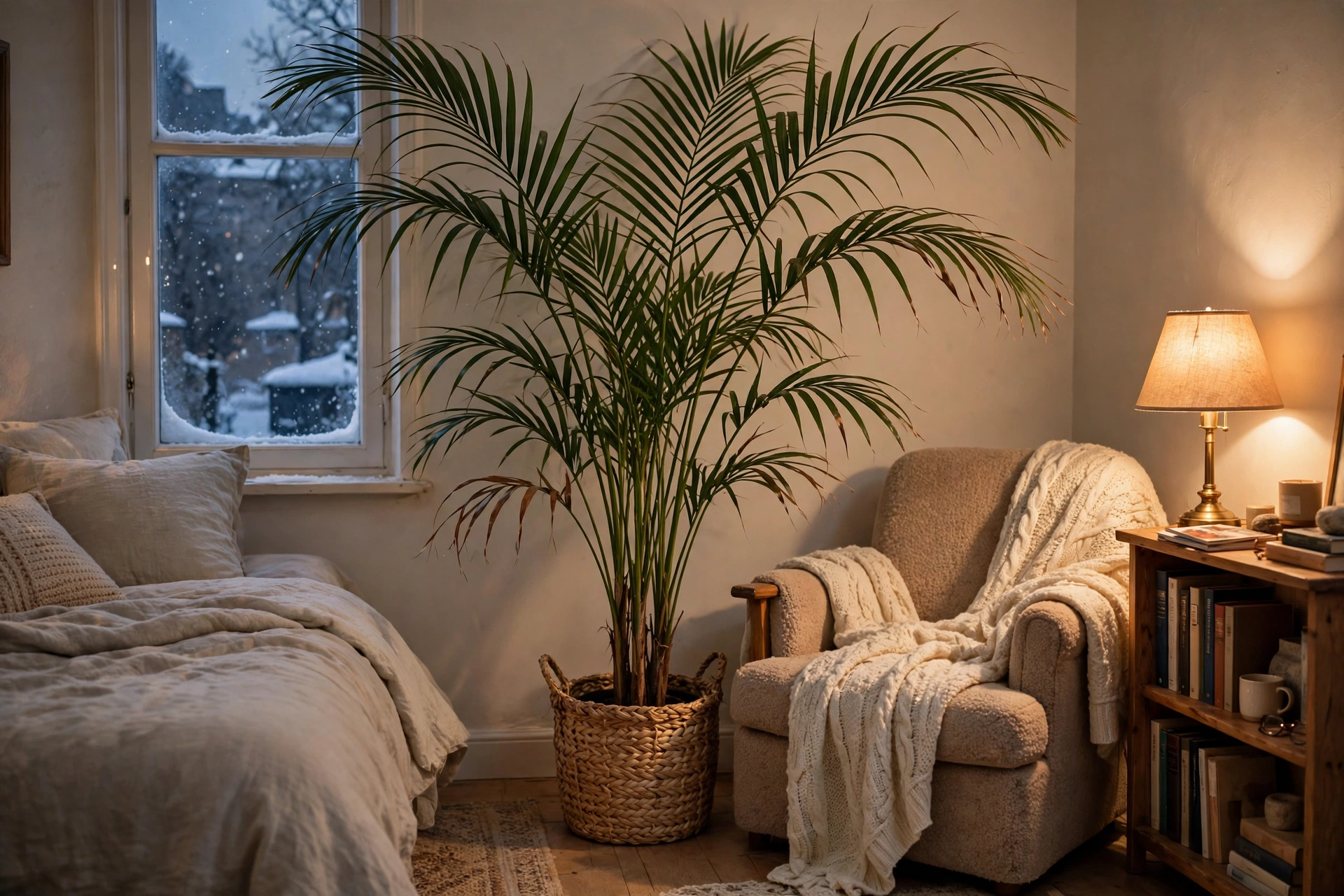
Every reading corner needs one tall plant standing guard, and a kentia palm does the job so well, like it was born for it. Its long arching fronds rise from a slender trunk, and indoor plants reach 6 to 8 feet tall over many years. Bright indirect light suits it best, yet it tolerates lower light and keeps its gorgeous graceful shape in a shadier corner. Let the top inch of soil dry between waterings, and water less in winter when growth slows. The ASPCA lists kentia palms as non-toxic to cats and dogs, so a pet can nap beside it in peace.
One tip: give the palm a full foot of space from the wall, so the fronds arc freely and stay full and lovely.
6. A Vine-Framed Headboard
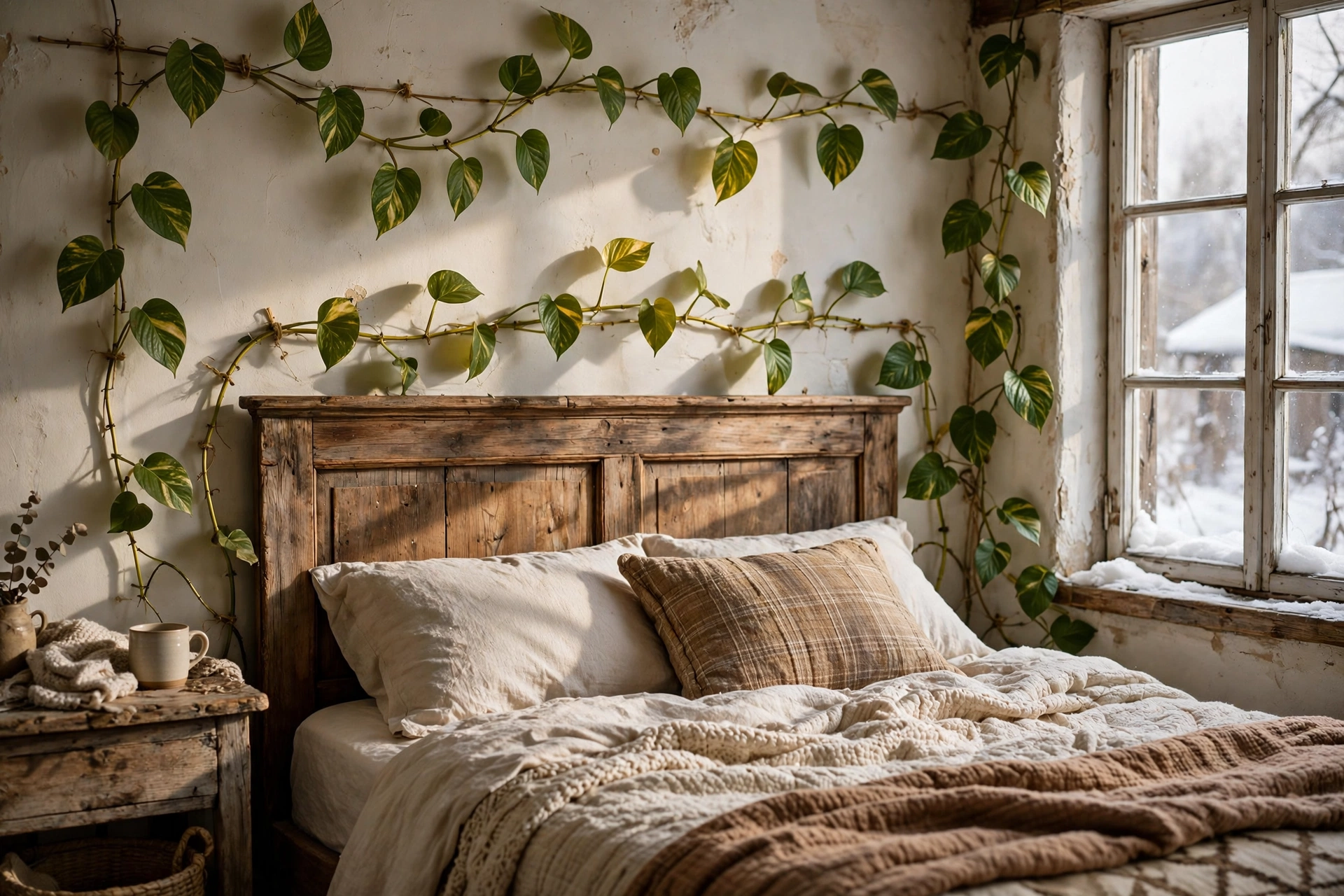
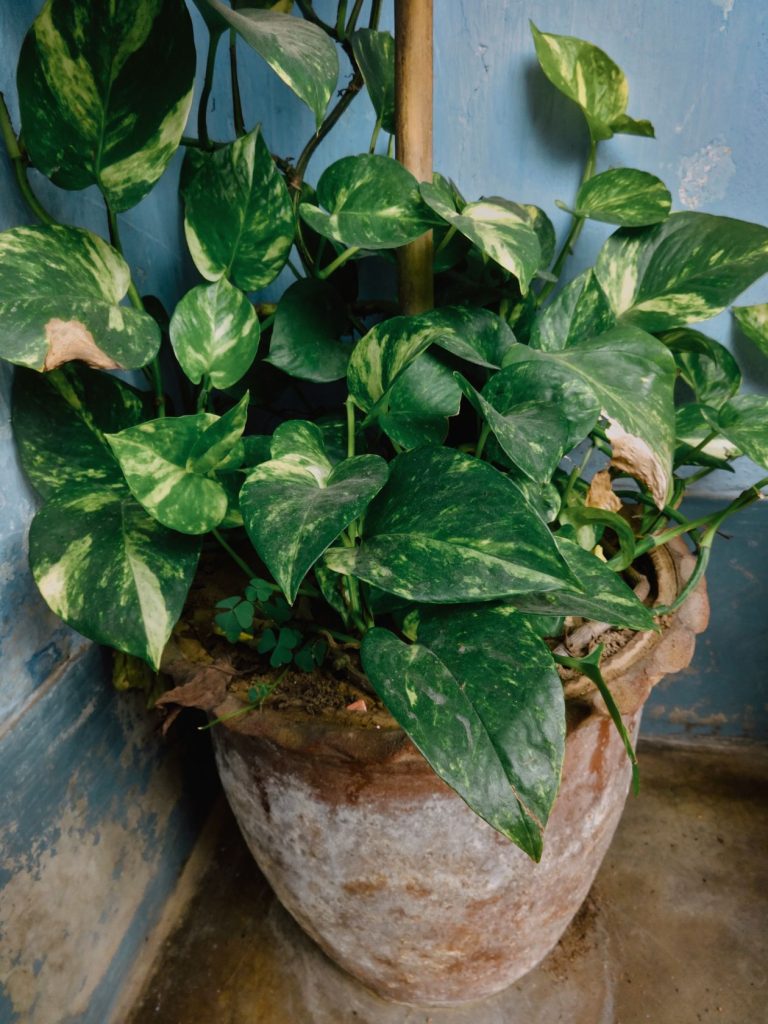
Okay, imagine waking up under a dreamy green canopy instead of a plain wall. Golden pothos vines, guided along the wall with small adhesive clips, frame your headboard like a gorgeous living picture frame. Heart-shaped leaves trail for several feet, and the plant tolerates low light, though the golden markings stay brightest with a bit more light. Let the top inch or two of soil dry out before you water again, and ease off in winter when growth slows. The ASPCA lists golden pothos as toxic to cats and dogs. Keep the vines above pillow height and out of chewing range, and your pets stay safe.
One tip: use removable adhesive clips, not nails, so you can rearrange the vines without leaving holes in the wall.
7. A Succulent Ledge on the Windowsill
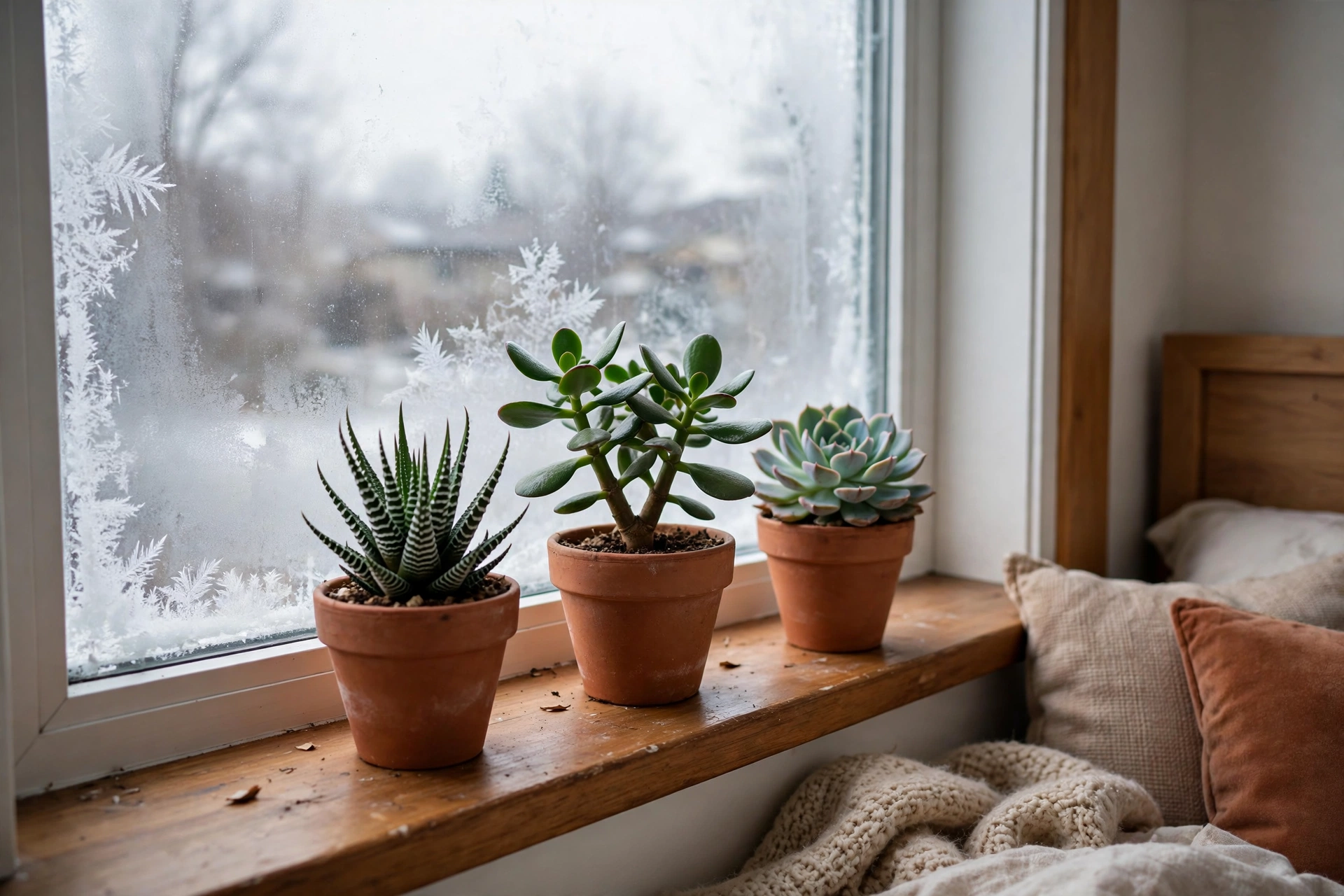
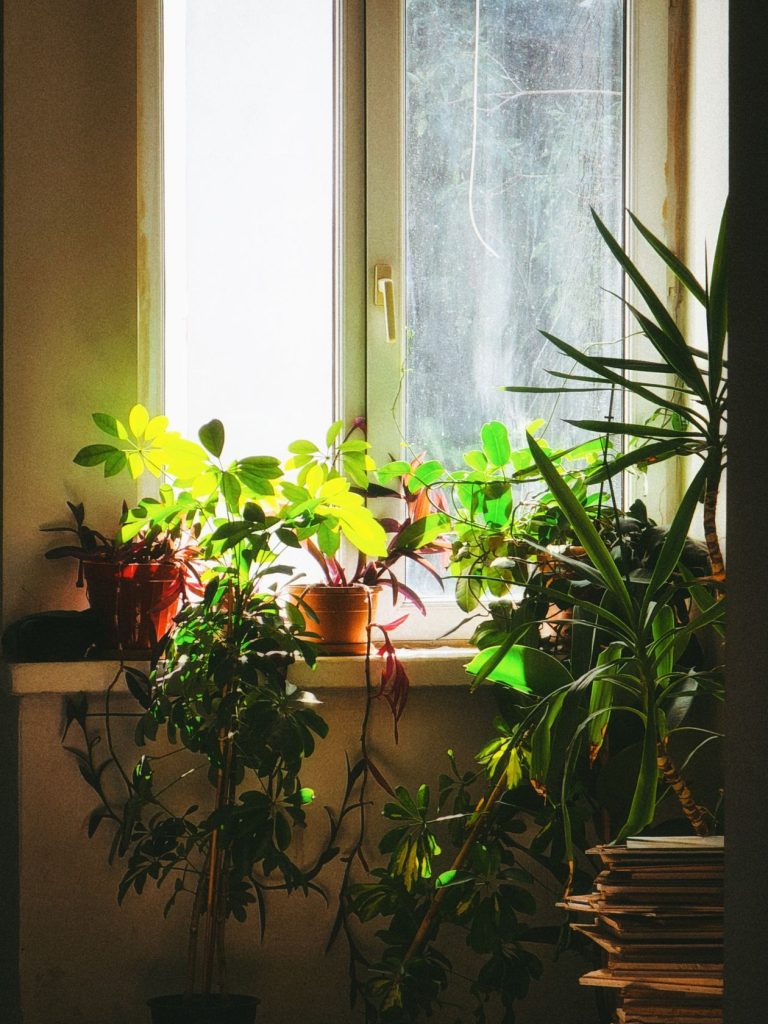
A sunny windowsill in winter is cozy prime real estate, and succulents are the tenants who actually deserve it. Jade brings a tiny tree shape, echeveria adds a tight rosette, and haworthia fills the gaps with gorgeous striped leaves. Set the pots a few inches back from the glass, since cold panes chill roots fast on frosty nights. Water sparingly in winter, only when the soil feels dry through, because dry soil keeps succulent roots happy and healthy. The ASPCA lists jade as toxic to cats and dogs, while echeveria and haworthia are non-toxic, which is happy news for pet homes.
One tip: rotate each pot a quarter turn every week, so the rosettes grow round and lovely instead of stretching toward the glass.
8. A Pressed Botanical Gallery Wall
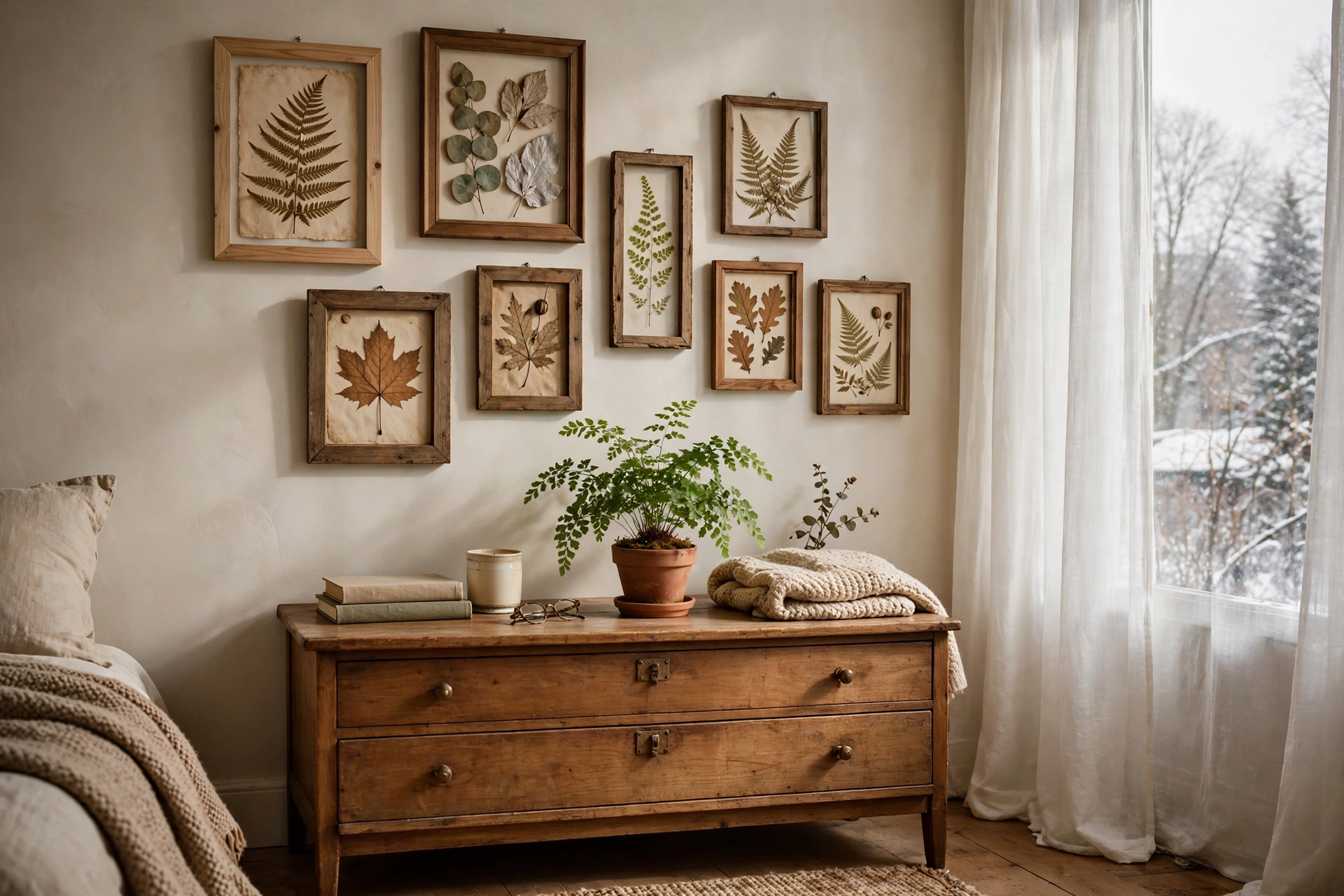
Some days you want the botanical look without another plant to water, and a pressed-leaf gallery wall is the gorgeous answer. Frame dried leaves, ferns, or seed heads you pressed between book pages, and hang them in a neat grid above the dresser or bed. Mix frame sizes and leaf shapes for a collected look, and keep the glass clean so every gorgeous vein shows. This idea needs zero watering, zero light, and zero worries when you leave town for a week. Pair it with one live plant nearby, and the whole wall suddenly feels like part of a real plant collection.
One tip: press leaves for two full weeks under heavy books, so they dry flat and lovely instead of curling inside the frame.
9. A Tiered Plant Stand in the Corner
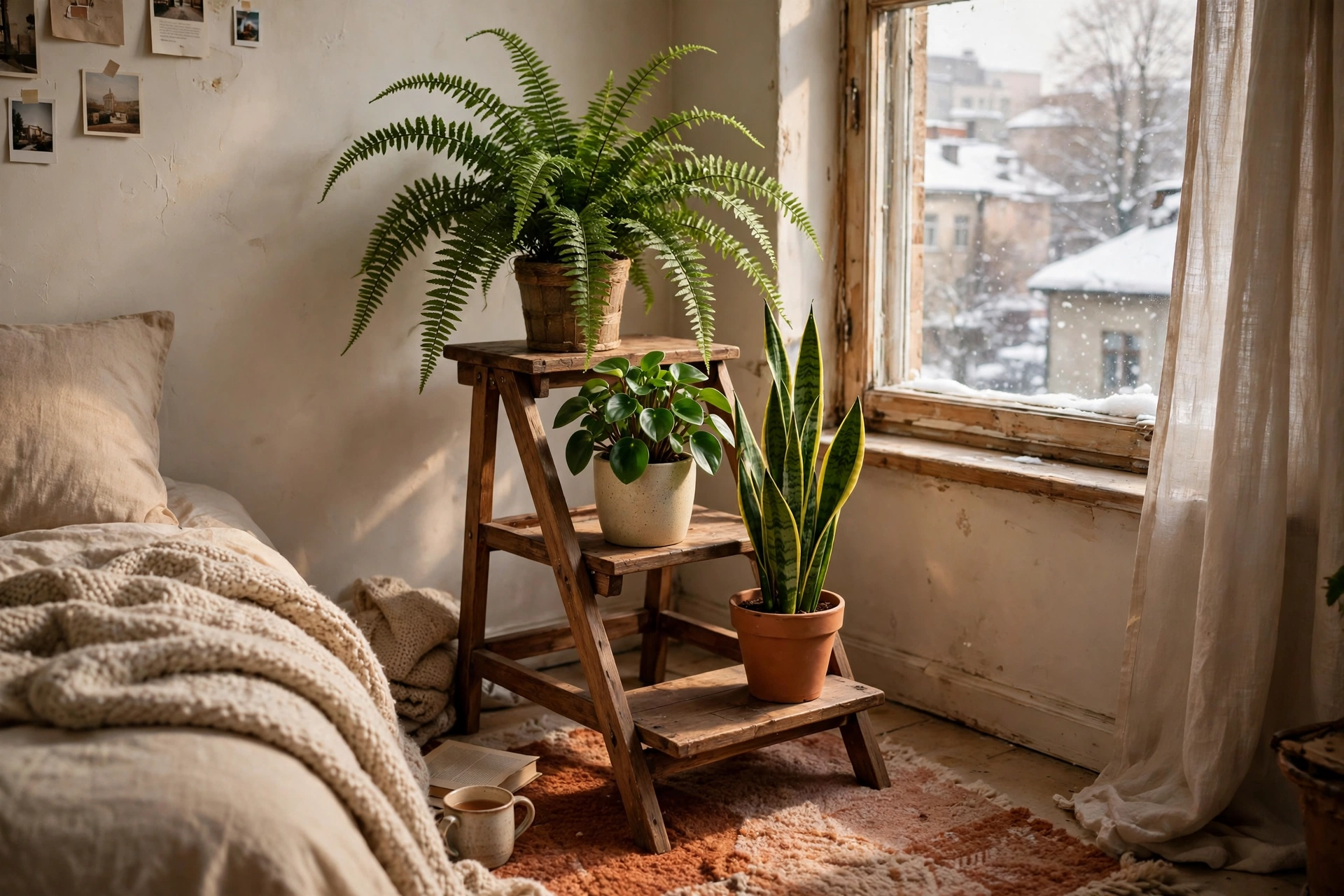
A tiered plant stand is basically a bunk bed for plants, and an empty bedroom corner is where it shines. Put a spilling plant on top so its fronds cascade down, a bushy plant in the middle, and a tall plant at the bottom for balance. Boston fern loves the top tier, with arching fronds spilling 2 to 3 feet and a love of bright indirect light. Keep its soil evenly moist and never let it dry out fully, since moist soil keeps the fronds lush and green. The ASPCA lists Boston ferns as non-toxic to cats and dogs, so pets can wander past safely and happily.
One tip: put the stand on a waterproof mat, so drips stay on the mat and the floor stays spotless.
10. A Glass Terrarium on the Vanity
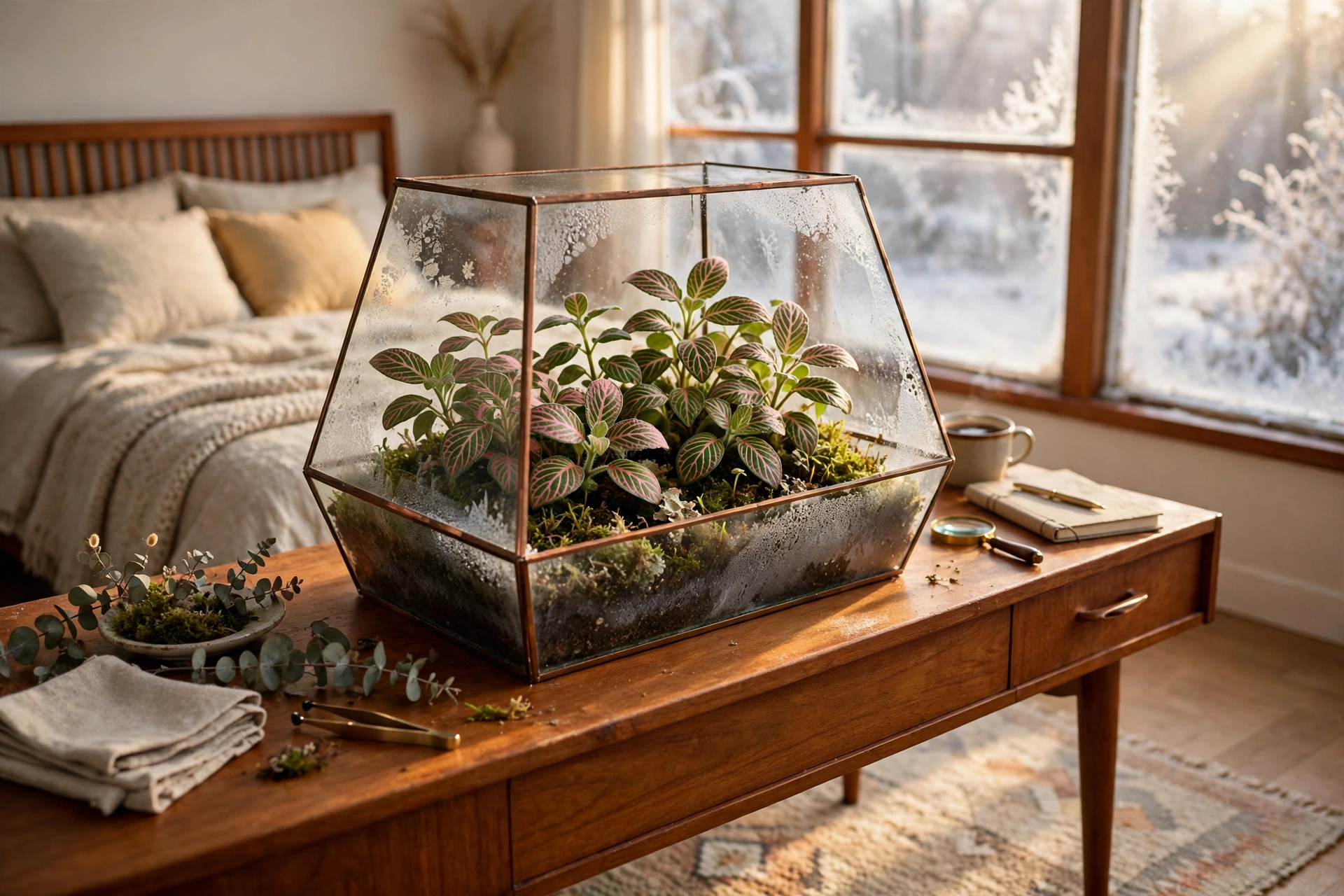
A glass terrarium on the vanity is like a tiny greenhouse with its own weather system. Fittonia stars inside it, with tiny veined leaves in white or pink that stay only 3 to 6 inches tall. Bright indirect light keeps the veins vivid, and the closed glass holds the humidity this plant craves in dry heated rooms. Keep the soil just moist and never let it dry out, since a thirsty fittonia droops in a flash, then bounces right back with a little water. The ASPCA lists nerve plants as non-toxic to cats and dogs, so the vanity stays a worry-free zone.
One tip: leave the lid ajar for an hour each week, so fresh air flows in and everything inside stays healthy.
11. Botanical Bedding with a Real Plant Partner
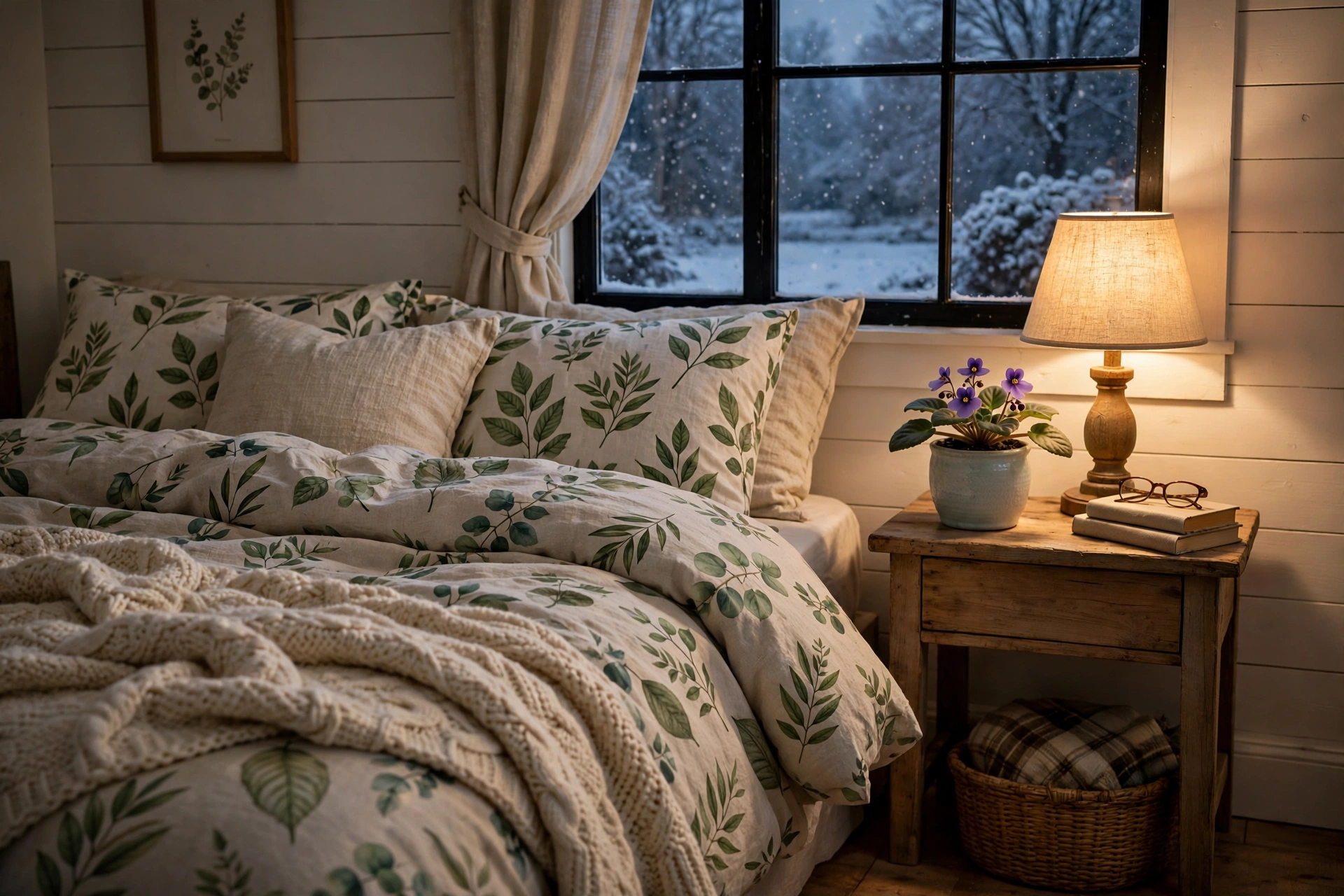
Botanical bedding is the cheat code for a plant-filled bedroom, and one real plant makes the whole trick work. A leaf-print duvet or pillow covers set the scene, then a small African violet on the nightstand proves the greenery is real. African violets bloom in soft purple, pink, or white, and bright indirect light keeps the flowers coming through winter. Water from the bottom and keep the crown dry, since dry leaves stay spotless and bright. The ASPCA lists African violets as non-toxic to cats and dogs, so a pet can hop on the bed without a second thought.
One tip: match the bedding print to the violet’s flower color, so the real plant and the pattern look like they planned it together.
12. A Winter Plant Care Station
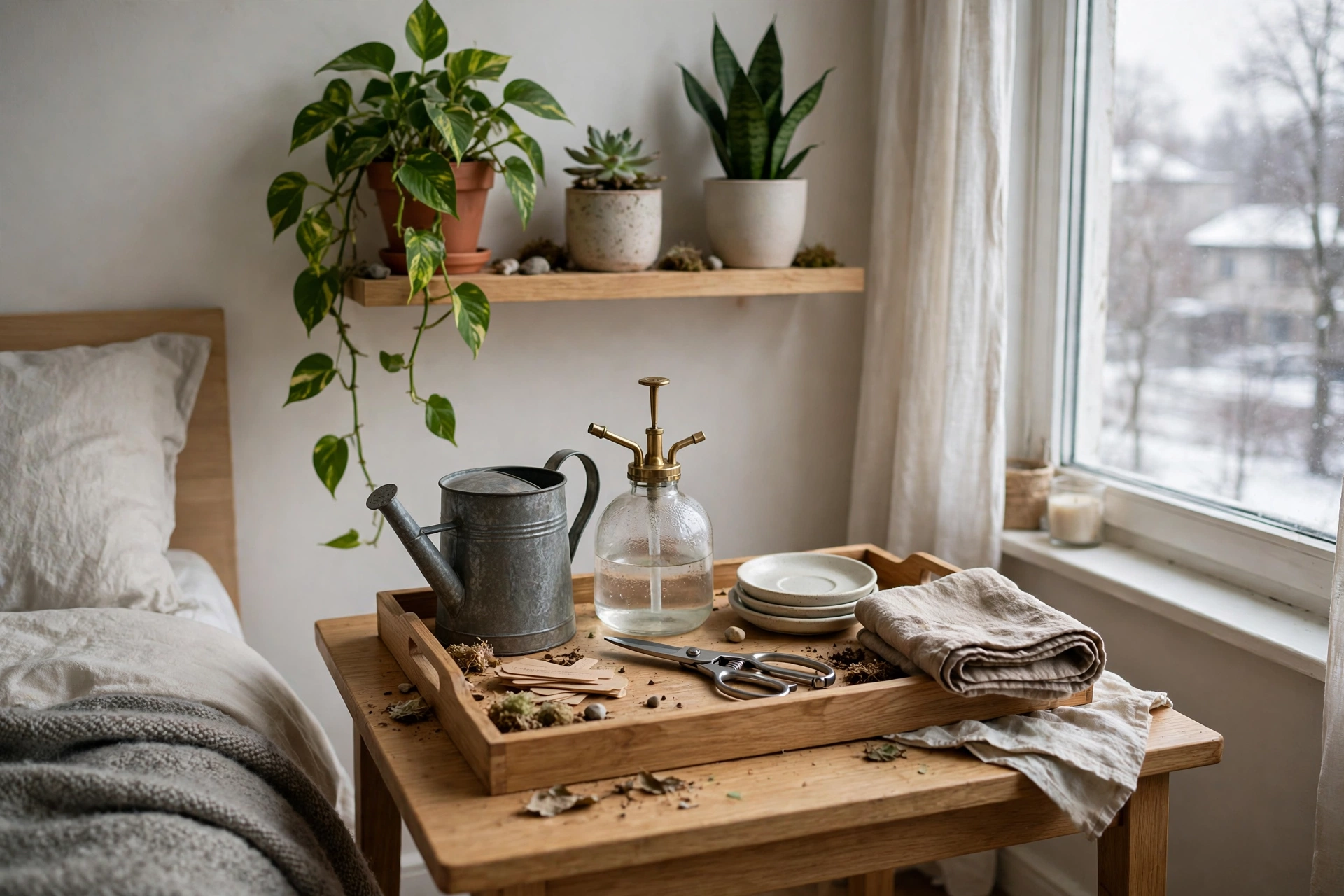
Winter plant care feels easy with a little care station that keeps everything in one tidy spot. Set a tray on a small table or dresser corner, and gather a watering can, a mister, clean scissors, and spare saucers there. Watering over the tray catches every drip, and pruning over it keeps stray leaves off the floor. A weekly routine works best in winter, since most plants grow slowly and need less water than summer. Keep the station near your plants but away from the bed, so watering stays tidy and the sheets stay dry.
One tip: keep a small towel in the station, so you can wipe leaves and catch drips with ease.
13. A Trellis Climber Beside the Wardrobe
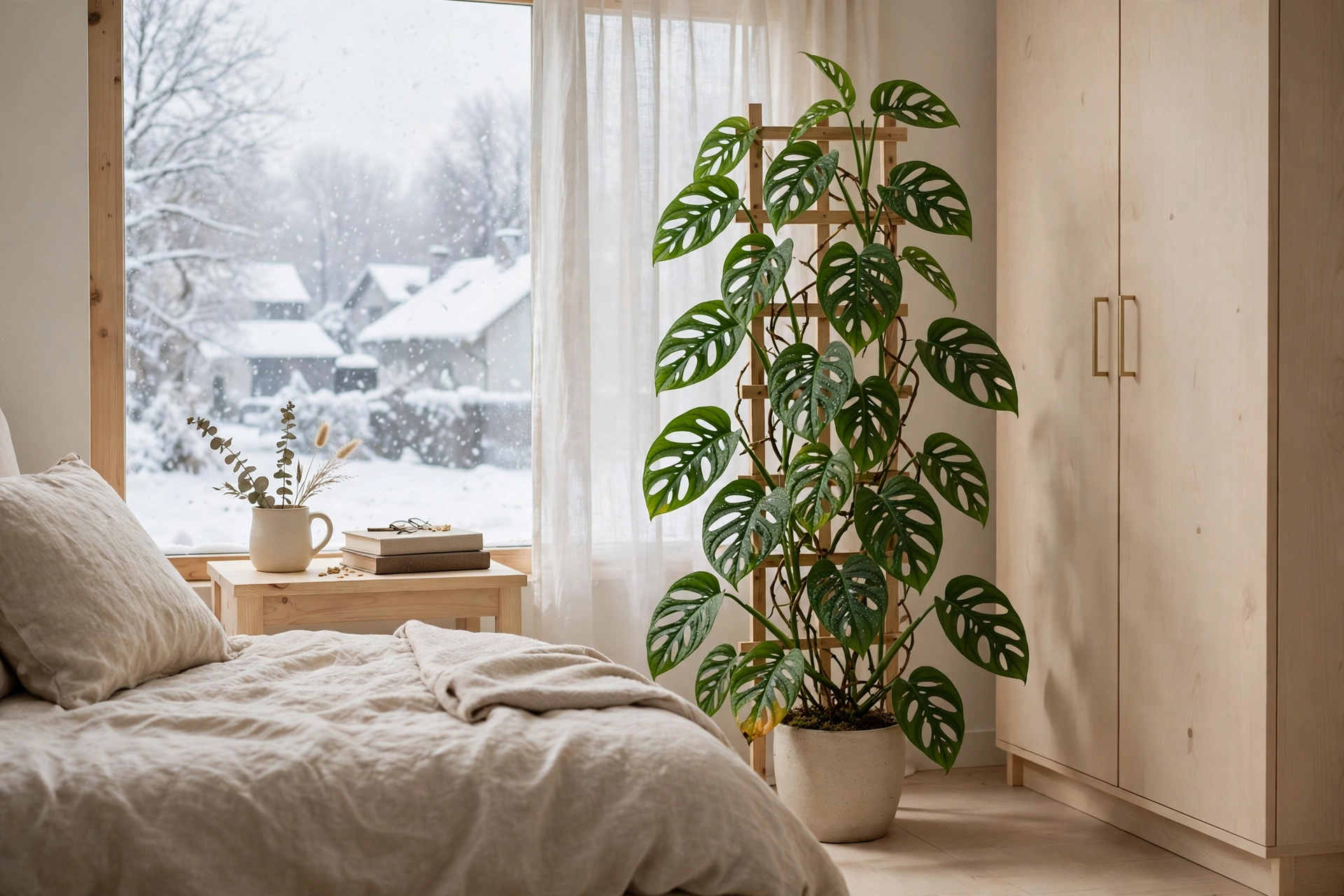
A wardrobe wall is blank space until a climber moves in, and monstera adansonii is ready and gorgeous. Its leaves wear natural holes like Swiss cheese, and the vine climbs several feet up a small trellis with a little encouragement. Bright indirect light keeps the leaves full of holes, and the vines grow big and glorious in it. Let the top 1 to 2 inches of soil dry out before watering, and tie new stems loosely to the trellis as they grow. The ASPCA names the whole monstera genus as toxic to cats and dogs, so keep the trellis high, and pets stay safe and happy.
One tip: check the ties every month, since stems thicken fast, and loose ties keep the growing vine happy.
14. A Christmas Cactus on the Side Table
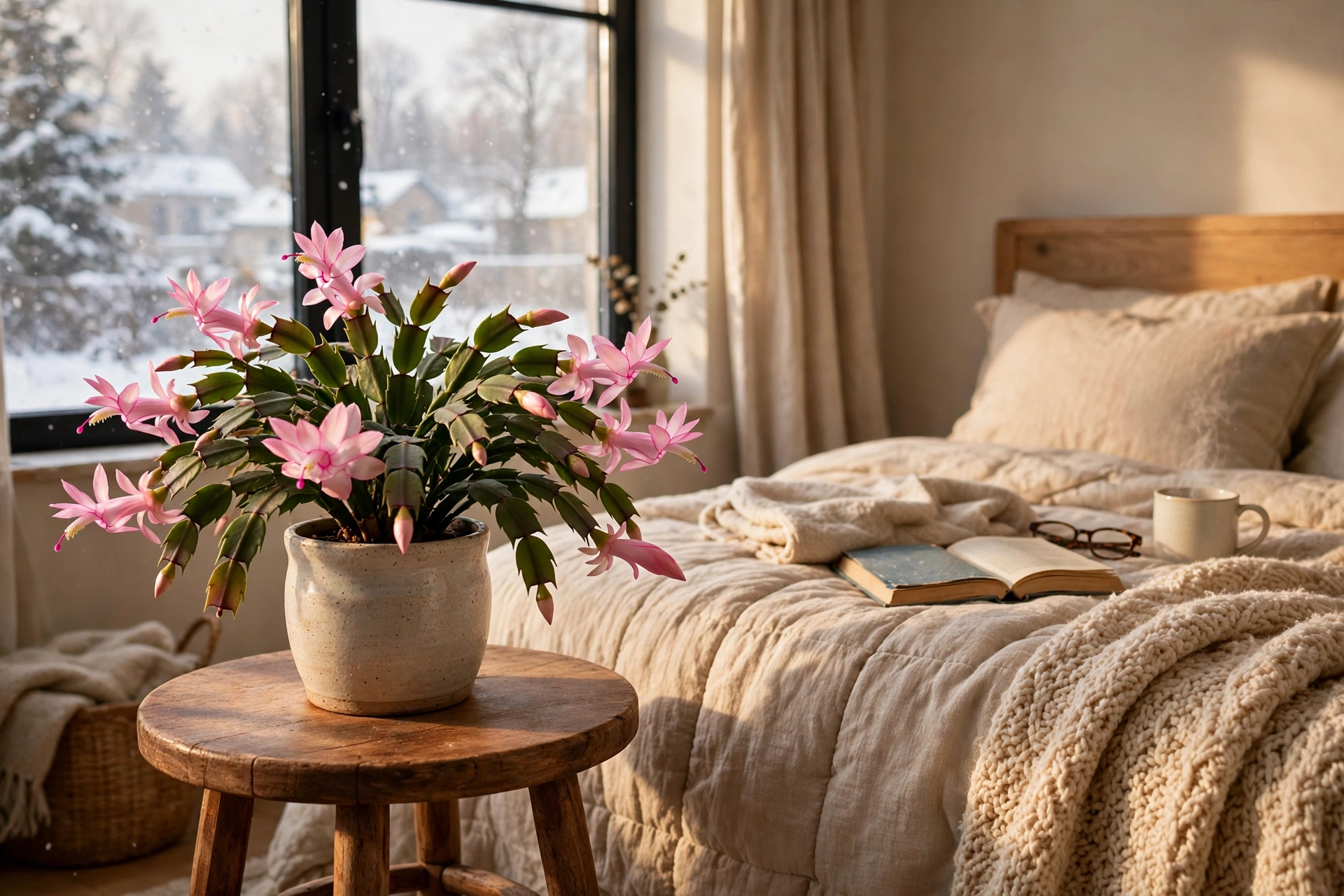
A Christmas cactus is the rare plant that shows off in December, right when the rest of your plants are resting, and I love it for that. Its flat segmented stems burst into gorgeous pink, red, or white flowers from mid-November to late January. Bright filtered light suits it best, and cool nights around 55 to 65 degrees help buds form in autumn. Keep the soil lightly moist while it blooms, and drain away any extra water. The ASPCA lists Christmas cactus as non-toxic to cats and dogs, so it is happy on a low side table.
One tip: give it lamp-free nights in autumn, since the buds need long dark nights to form.
15. Trailing Hoya Around the Bedroom Mirror
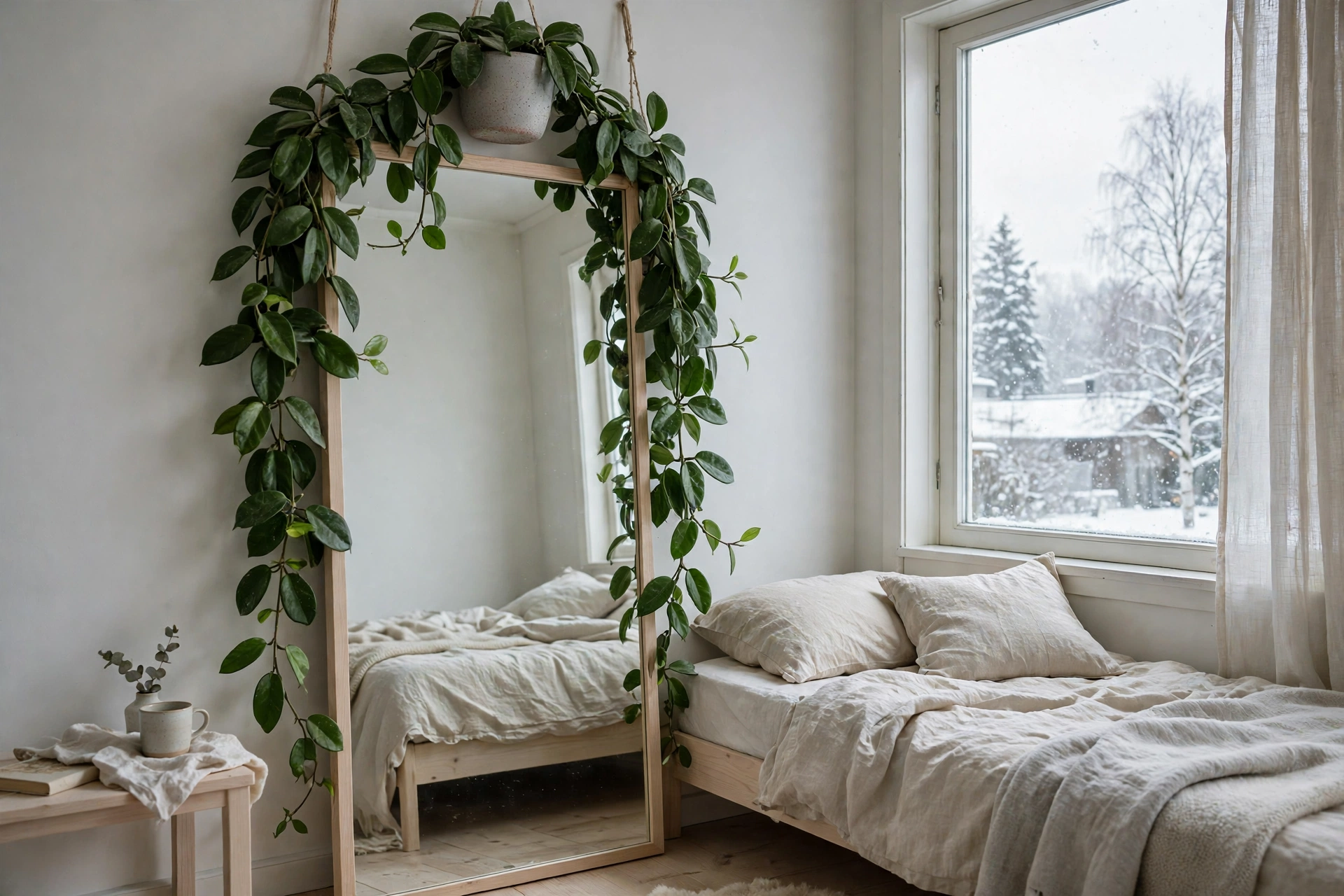
Your mirror deserves better than a plain frame, and a trailing hoya is the friend who shows up dressed for the occasion, and it is gorgeous. Thick waxy leaves spill from a pot above the mirror, and the vines frame your reflection like a lush green border. Bright filtered light keeps the leaves glossy, though hoya tolerates lower light and still looks lovely. Let the soil dry well between waterings, then soak and drain it, since dry roots stay happy and healthy. The ASPCA lists hoya as non-toxic to cats and dogs, so the mirror corner stays pet-friendly and cozy.
One tip: train new vines with small clear hooks, so the frame fills in evenly all around.