Your bedroom is small. Your plant list does not have to be. You do not need a jungle to make a tiny room feel alive. You need the right plants in the right spots, and two or three is enough to start. This list gives you twelve plants that stay compact, cope with low light and earn their place beside your bed. Two of them may even help you sleep better. Pick your favorites and start small. Your room will feel calmer by the weekend.
How to Pick a Plant for a Small Bedroom
Three checks save you from most bedroom plant mistakes. First, light. Second, full-grown size. Third, growth habit. A plant that grows up fits a narrow room far better than one that grows out. A trailing plant fits a shelf far better than a floor pot does.
Low light does not mean no light. If you can read in a spot without switching on a lamp, a tough plant can live there. A corner with no window light at all will wear any plant down over time. Plant guides call low light about 50 to 250 foot-candles. You do not need a meter. The reading test is enough.
Small pots dry out about 40 percent faster than big ones. Check the top inch of soil with your finger before you water. If it feels dry, water. If it feels damp, wait. That one habit prevents more dead plants than any gadget will.
1. Snake Plant
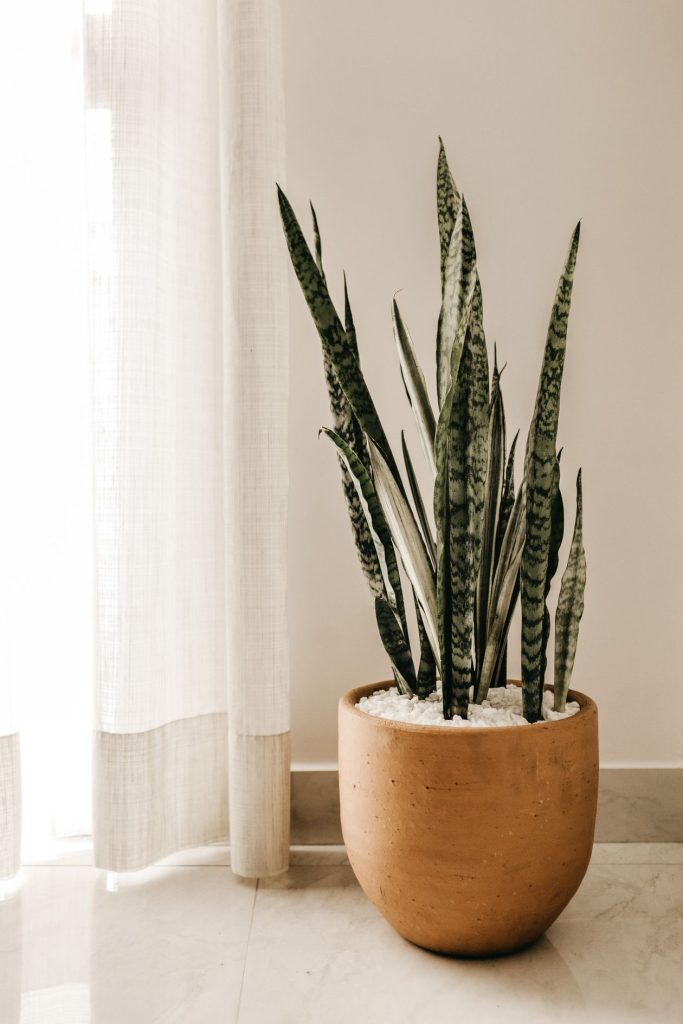
The snake plant is the classic bedroom plant for a reason. Its stiff leaves grow straight up, so it takes up almost no floor space. A standard plant reaches two to three feet tall, while the dwarf Hahnii type stays under a foot and fits a nightstand.
It likes low to bright indirect light and it forgives a dark corner better than most plants. It also uses a trick called CAM photosynthesis, which means its leaf pores open at night and it keeps swapping gases while you sleep. The oxygen boost is real but small, so think of it as a nice bonus rather than an air purifier.
Water it every two to three weeks and let the soil dry out fully between drinks. The biggest killer is too much water, not too little. One tip is to pick a pot with drainage holes and empty the saucer after watering. Keep it away from pets that chew leaves, since it is toxic if eaten. If you want the full care routine, here is our snake plant care guide.
2. ZZ Plant
The ZZ plant is the plant for people who forget to water. Its waxy leaves store water, and thick rhizomes under the soil even more. It grows slowly to about two or three feet tall, so it will not outgrow your corner in a year.
It handles low light well, and its glossy leaves catch what little light the room has and bounce it around. That makes a dark corner look brighter without a lamp. Water it every two to three weeks in summer and even less in winter, when it barely grows at all.
One tip is to leave it alone. The ZZ plant does best when you stop fussing over it. Just keep it out of reach of pets, since the leaves are toxic if chewed.
3. Golden Pothos
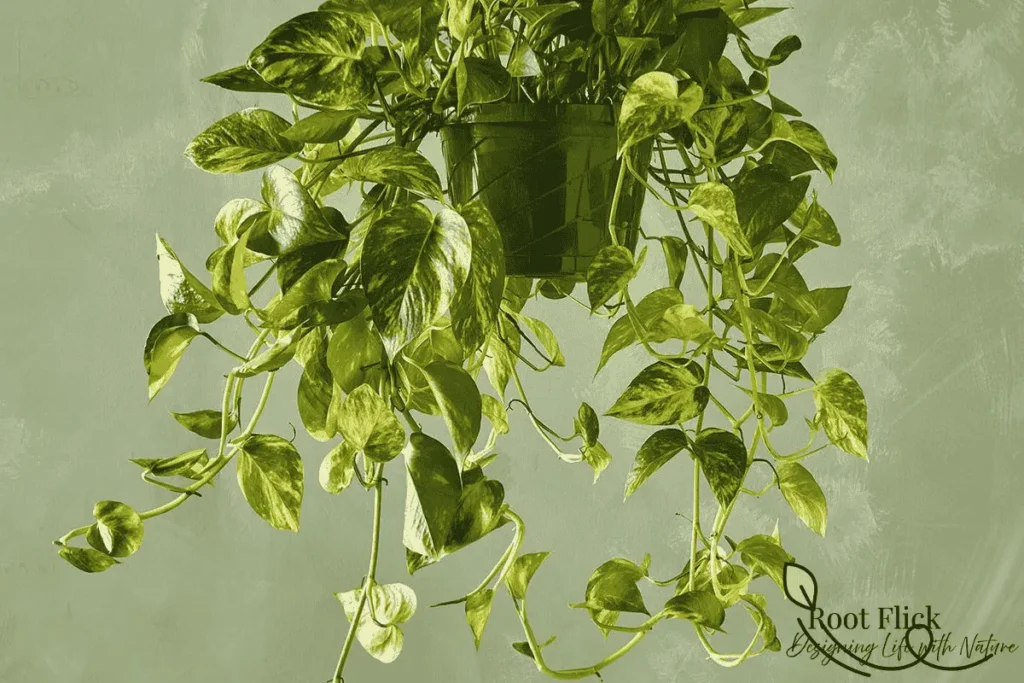
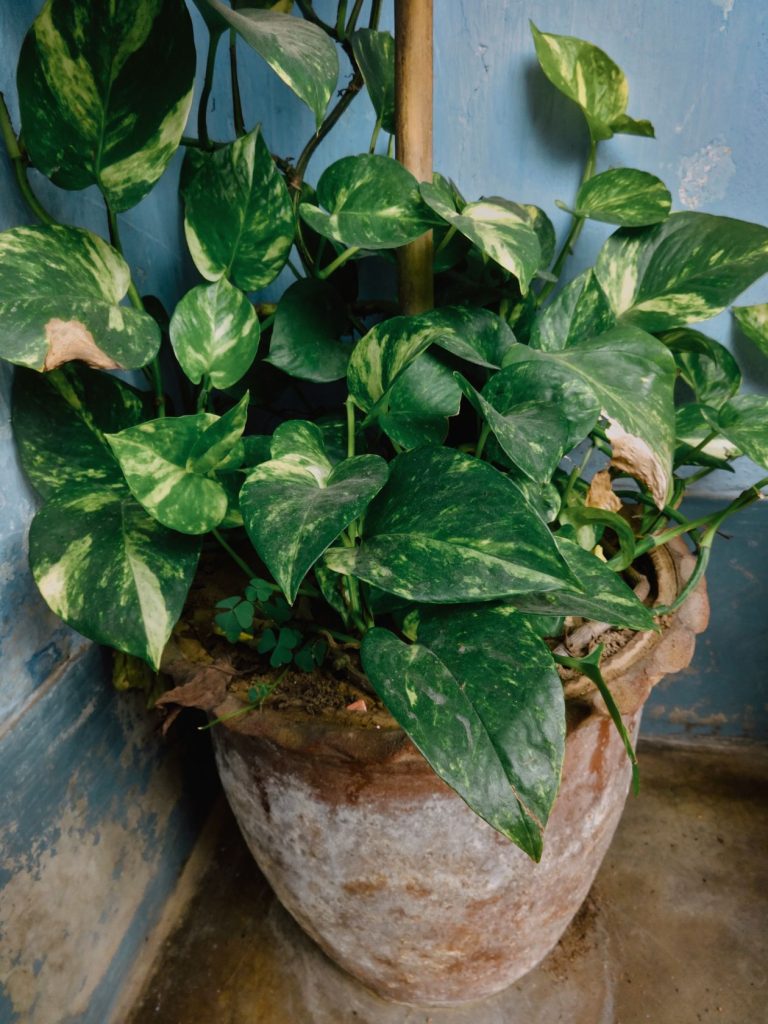
Golden pothos is the easiest trailing plant you can buy. Its heart-shaped leaves spill over a shelf or hang from a hook, and it uses zero floor space. That alone makes it a small bedroom star.
It tolerates low light, though the golden markings fade to plain green in a dim spot. Give it a brighter shelf if you want to keep the color. The vines grow fast, so trim them back in spring to keep the plant bushy. Water when the top inch of soil feels dry.
One tip is to let the vines climb. A simple wall hook or a curtain rod turns one plant into a green frame for your window. Keep it away from pets that chew, since pothos is toxic if eaten.
4. Spider Plant
The spider plant is the friendliest plant on this list. It grows in a tidy rosette about a foot wide, then sends out long stems with baby plantlets that dangle below. Those babies make it perfect for a hanging basket, and you can snip them off to grow free plants.
It likes bright indirect light best and it tolerates shade, though a dim room means fewer plantlets. Water it weekly in summer and less in winter. It is fully pet safe, so it is the best pick here if you share your bedroom with a cat or a dog.
One tip is to watch the leaf tips. Brown tips usually mean dry air or too much fluoride in tap water. Try rainwater or filtered water and the new leaves will come through clean. Read our notes on spider plant in low light if your room is short on sun.
5. Peace Lily
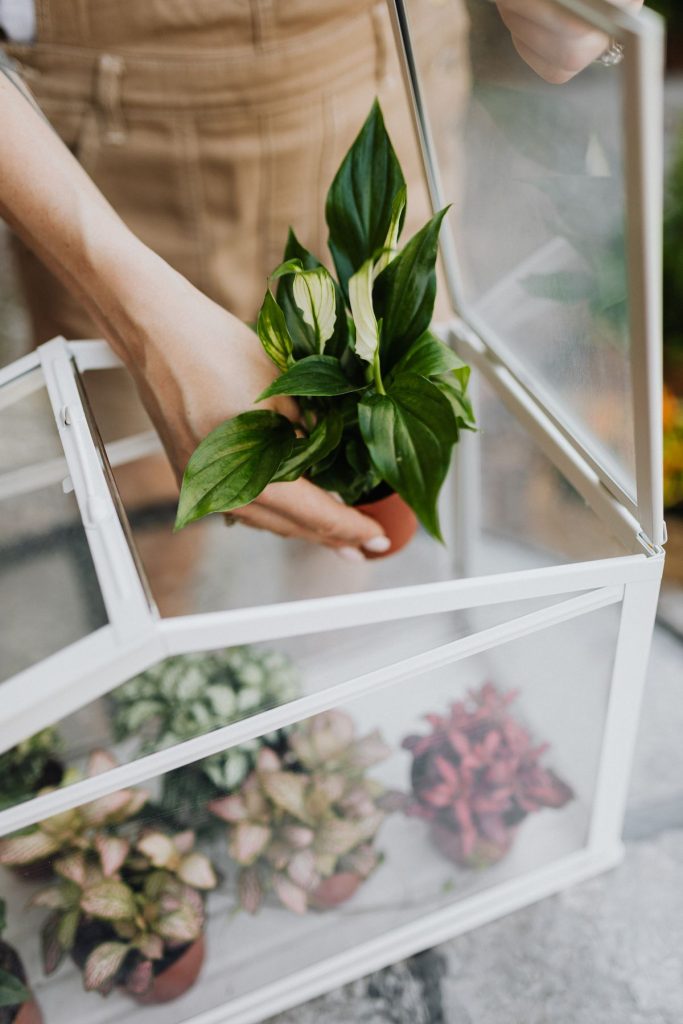
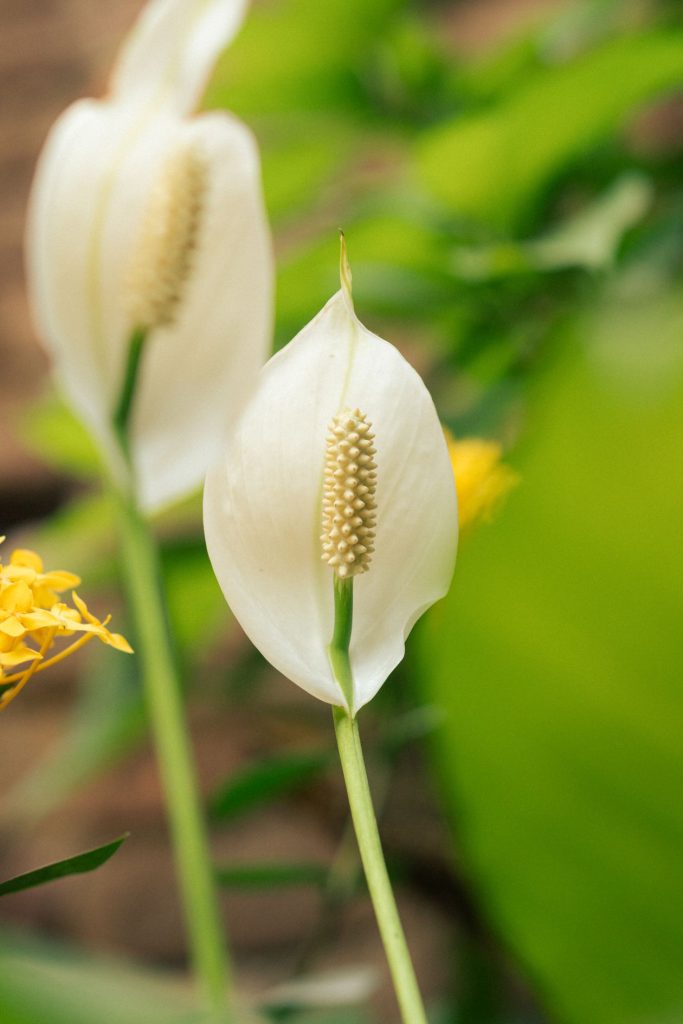
The peace lily is the plant that talks to you. Its glossy dark leaves droop when it is thirsty, then perk up within hours of a drink. You never have to guess when to water it.
It likes medium to low light and it blooms with white flowers even away from a window. It grows one to two feet tall and it loves humidity, so a bedroom with a shower nearby suits it well. Keep the soil moist but never soggy, and water about once a week.
One tip is to wipe the leaves with a damp cloth once a month. Dust blocks light, and clean leaves catch far more of it. The plant is toxic to pets if chewed, so keep it off the floor if you have a curious cat. Peace lilies also like the humidity levels houseplants like most, so a small humidifier helps in dry months.
6. Lavender
Lavender is the sleep plant. Its scent comes from a compound called linalool, and studies link it to deeper slow-wave sleep and a lower heart rate at night. A small pot on your nightstand puts that scent right where you need it.
Here is the honest part. Lavender needs the brightest spot you have, ideally a sunny windowsill. A dark corner will kill it slowly. If your bedroom is dim, keep the plant on your sunniest sill and bring a cut stem to the bedside at night.
Water it sparingly and let the soil dry out between drinks. Lavender hates wet roots far more than dry ones. Use a gritty mix and a pot with drainage holes. One tip is to brush the leaves gently before bed, since that releases a fresh wave of scent.
7. Jasmine
Jasmine is the quiet star of sleep research. Its sweet scent comes from compounds that calm the nervous system, and trials found people moved less in their sleep in jasmine-scented rooms. The scent also peaks in the evening, right when you need it.
It likes bright indirect light and a small hoop or trellis to climb. Keep the plant near the bed but crack a window, since the scent can feel strong in a sealed room. Water when the top inch of soil feels dry.
One tip is to buy it in bloom. You will know at once whether the scent suits you, and a plant in flower settles in faster than a bare one. Jasmine is safe around pets, but strong scent can bother sensitive sleepers, so start with one small plant.
8. Peperomia
Peperomia is the desk plant that never makes a fuss. It stays six to twelve inches tall, and its thick leaves store water like a succulent. That makes it perfect for a nightstand or a small desk.
It likes bright indirect light best and it tolerates lower light without complaint. It is slow growing and it rarely needs repotting. Water only when the top inch of soil feels dry, and use a gritty mix in a small pot.
One tip is to keep the pot snug. Peperomia likes crowded roots and it hates soggy soil, so a pot that is too big causes more trouble than a small one. It is fully pet safe, which makes it a great pick for a bedroom you share with animals.
9. Aloe Vera
Aloe vera earns its spot with two jobs at once. It looks sharp on a nightstand, and its gel soothes minor burns and dry skin. It is also a CAM plant like the snake plant, so it keeps working through the night.
It needs the brightest spot you can give it. A sunny windowsill is ideal. Without enough light it stretches and goes pale. Water it every three weeks or so and let the soil dry out fully. Use cactus mix and a pot with drainage holes.
One tip is to water it from the base. Pour into the saucer and let the roots drink, then empty the saucer. Wet leaves invite rot. Keep it away from pets that chew, since aloe is toxic if eaten.
10. Cast Iron Plant
The cast iron plant is the toughest plant on this list. It copes with as little as 25 foot-candles of light, which is darker than almost any bedroom corner you have. Victorian homes kept it in smoky, dim parlors, and it is still here.
It grows slowly to about two feet tall, so buy the size you want rather than waiting for a small one to fill out. Water it every three to four weeks and let the soil dry out fully. It hates wet feet, so always empty the saucer after watering.
One tip is to give it a dark corner and forget about it. The cast iron plant asks for almost nothing and it keeps its glossy leaves for years. It is fully pet safe, which makes it the best pick for a dark bedroom with cats.
11. Chinese Evergreen
The Chinese evergreen brings color to dim corners. Its silver and green patterned leaves look painted on, and they stay bright where most plants turn plain green. It grows slowly to one or two feet tall.
It likes low to medium light. Green types cope with darker spots, while silver or pink types need a little more light to keep their markings. Water when the top inch of soil feels dry and keep it away from cold drafts, which mark the leaves brown.
One tip is to rotate the pot a quarter turn each week. Chinese evergreen leans toward the light, and a weekly turn keeps it growing straight. Keep it out of reach of pets, since it is toxic if chewed.
12. String of Pearls
String of pearls is the jewelry of this list. Its bead-like leaves hang in strands two to three feet long from a high shelf or a hanging basket. It uses no floor space at all and it turns a plain wall into a feature.
It needs bright indirect light for four to six hours a day. An east-facing window is ideal. Water it every two to three weeks and let the soil dry out fully. Wrinkled pearls mean it is thirsty, while soft pearls mean it has had too much water.
One tip is to water from below. Set the pot in a saucer of water and let the roots drink, then lift it out. A wet crown rots fast on this plant. Keep it away from pets and kids, since it is mildly toxic if eaten.
Where to Put Plants in a Small Bedroom
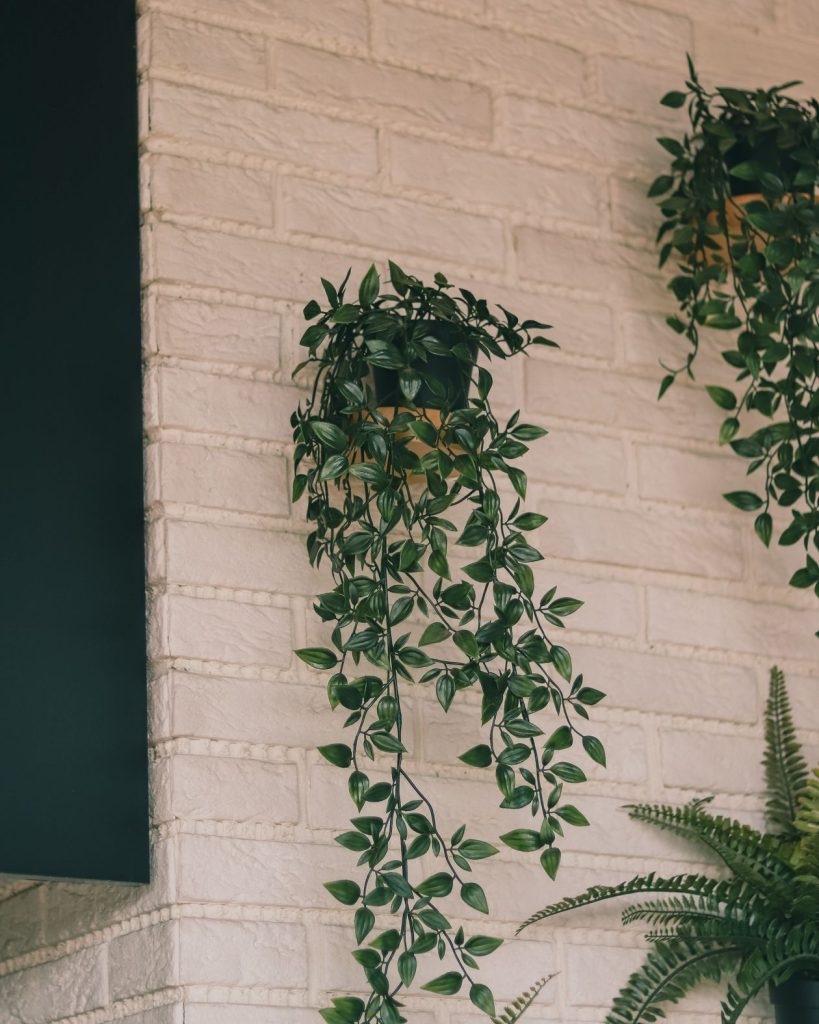
Placement matters as much as plant choice. Go up before you go wide. Shelves, hooks and wall planters hold plants without touching your floor. A trailing pothos or string of pearls on a high shelf draws the eye upward and makes the ceiling feel higher.
Put upright plants in corners. A snake plant or ZZ plant fits the gap between the bed and the wall, and it fills dead space that nothing else uses. Keep one small scented plant on the nightstand and nothing else. A crowded nightstand feels messy, not green.
Keep plants away from heating vents and radiators, since hot dry air scorches leaves. Leave the path to the door clear. Two to four plants is plenty for a small bedroom, and you can always add one more once the first ones are thriving. Our bedroom plant styling guide shows how to group them so the room still feels calm, and these watering hacks keep small pots on track.
A Small Bedroom, Done Right
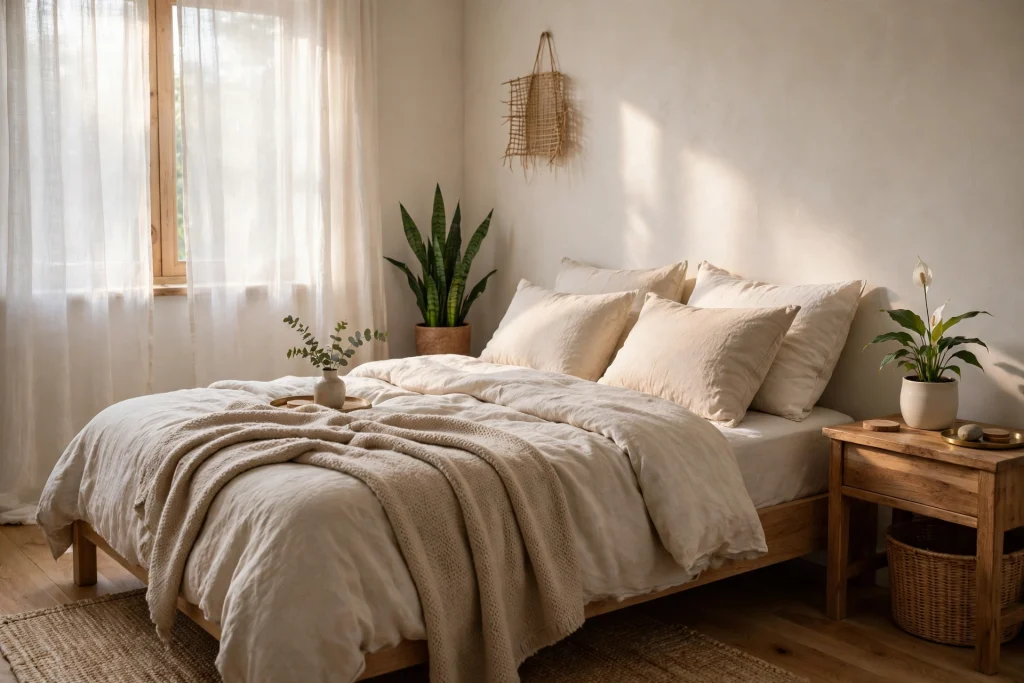
Start with two or three plants and learn their rhythm before you buy more. A snake plant in the corner, a pothos on the shelf and lavender on the nightstand cover every job a bedroom plant can do. When those three are thriving, add one more. A small bedroom does not need many plants. It needs the right ones.
Frequently Asked Questions
Can plants survive in a bedroom with almost no natural light?
They can cope, but they cannot thrive in darkness. Snake plants, ZZ plants and cast iron plants handle the dimmest spots, and they will hold on for months in low light. A room with no window at all needs a small grow light, or you can rotate plants between the bedroom and a brighter room every few weeks.
How many plants should a small bedroom have?
Two to four is the sweet spot. One floor plant, one shelf plant and one nightstand plant give you green at every height without crowding the room. More than that turns a small bedroom into a nursery, and you lose the calm feeling you wanted.
Are bedroom plants safe if I have a cat or dog?
Some are and some are not. Spider plants, peperomia and cast iron plants are safe around pets. Snake plants, pothos, ZZ plants, peace lilies and aloe are toxic if chewed, so keep them on high shelves or out of the room. When in doubt, pick a pet safe plant first.
Do plants in the bedroom really help you sleep?
The scent plants do. Lavender and jasmine have the best evidence, and their scent can ease you into deeper sleep. The night oxygen from a snake plant is real but small, so do not count on it alone. The biggest sleep benefit may be the calm feeling a green room gives you, and that counts too.