1. Staggered Floating Shelf Trio
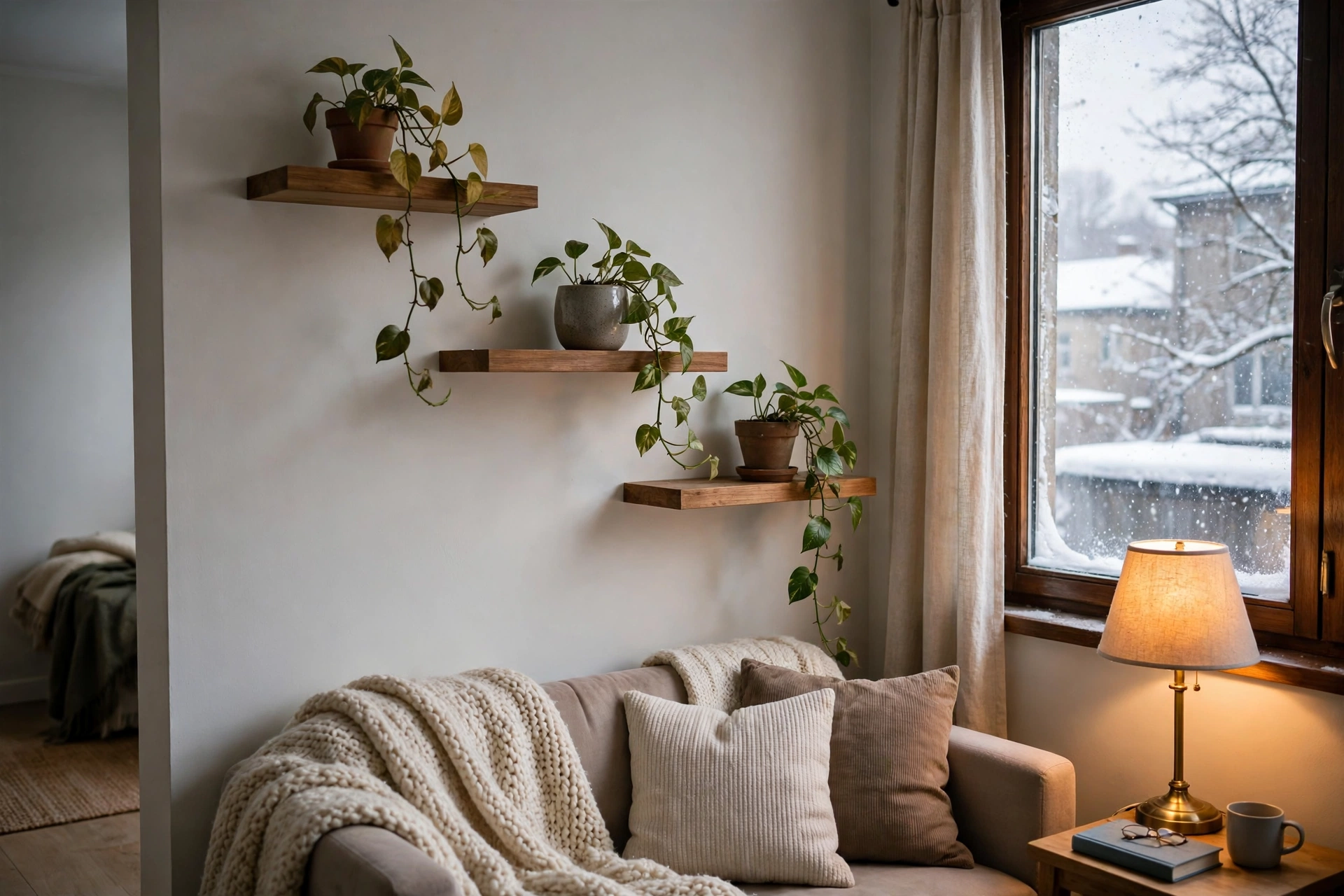
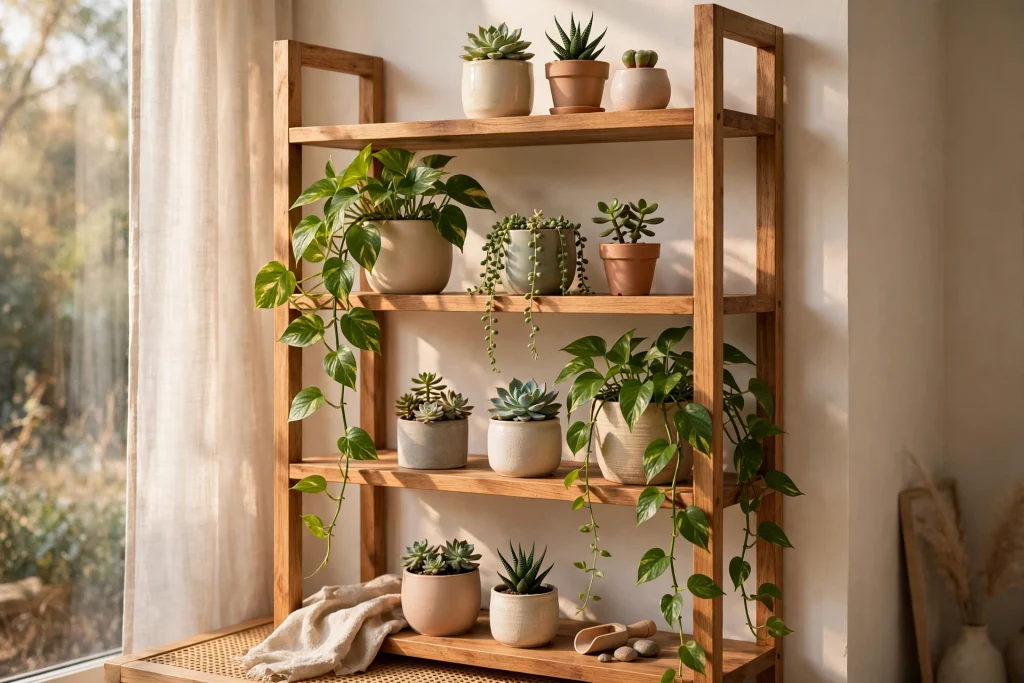
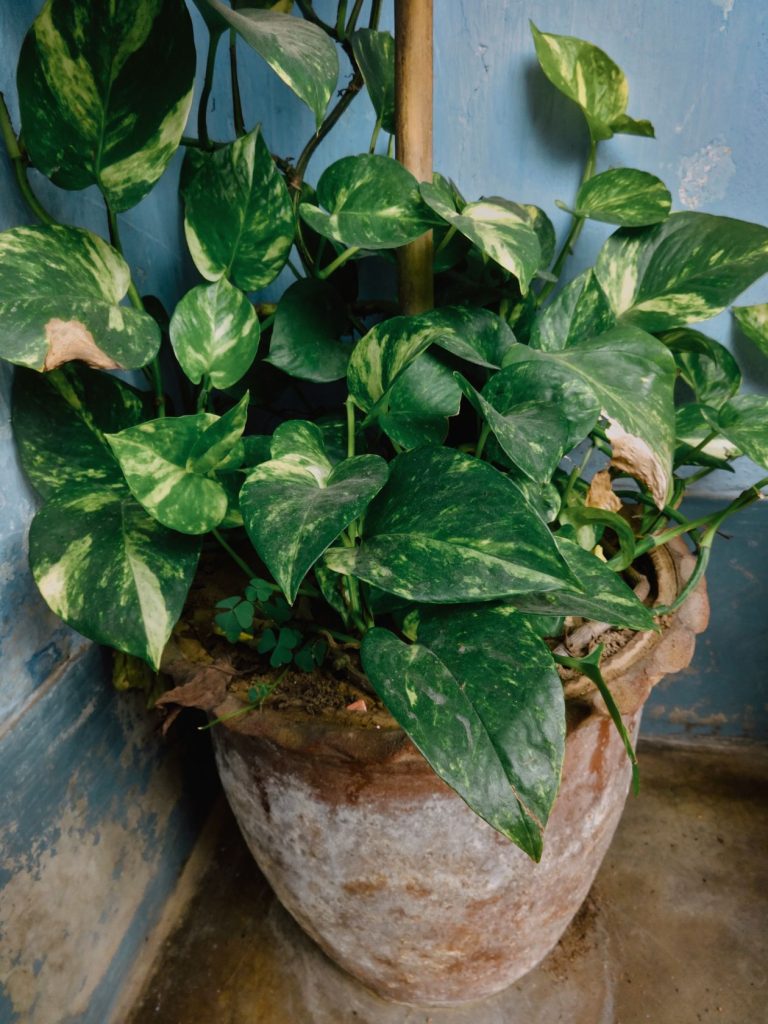
Three staggered shelves turn one plain wall into a lovely plant display that uses zero floor space. Honestly, that is the whole trick, and it works like a charm. Mount them at different heights so trailing vines can spill down in a happy cascade and every shelf shines on its own. Golden pothos is a natural pick here, since its heart-shaped leaves trail down and bright indirect light keeps the yellow markings crisp and bright. Let the soil dry between waterings, then ease up in winter. Keep each shelf a few inches from the wall edge so pots sit steady and safe. The ASPCA lists pothos as toxic to cats and dogs, so hang the lowest shelf above curious noses and your pets stay safe and happy.
One tip: use a stud finder before you drill, since pots add up fast, and a solid mount keeps everything secure.
2. Macramé Hanging Planters by the Window
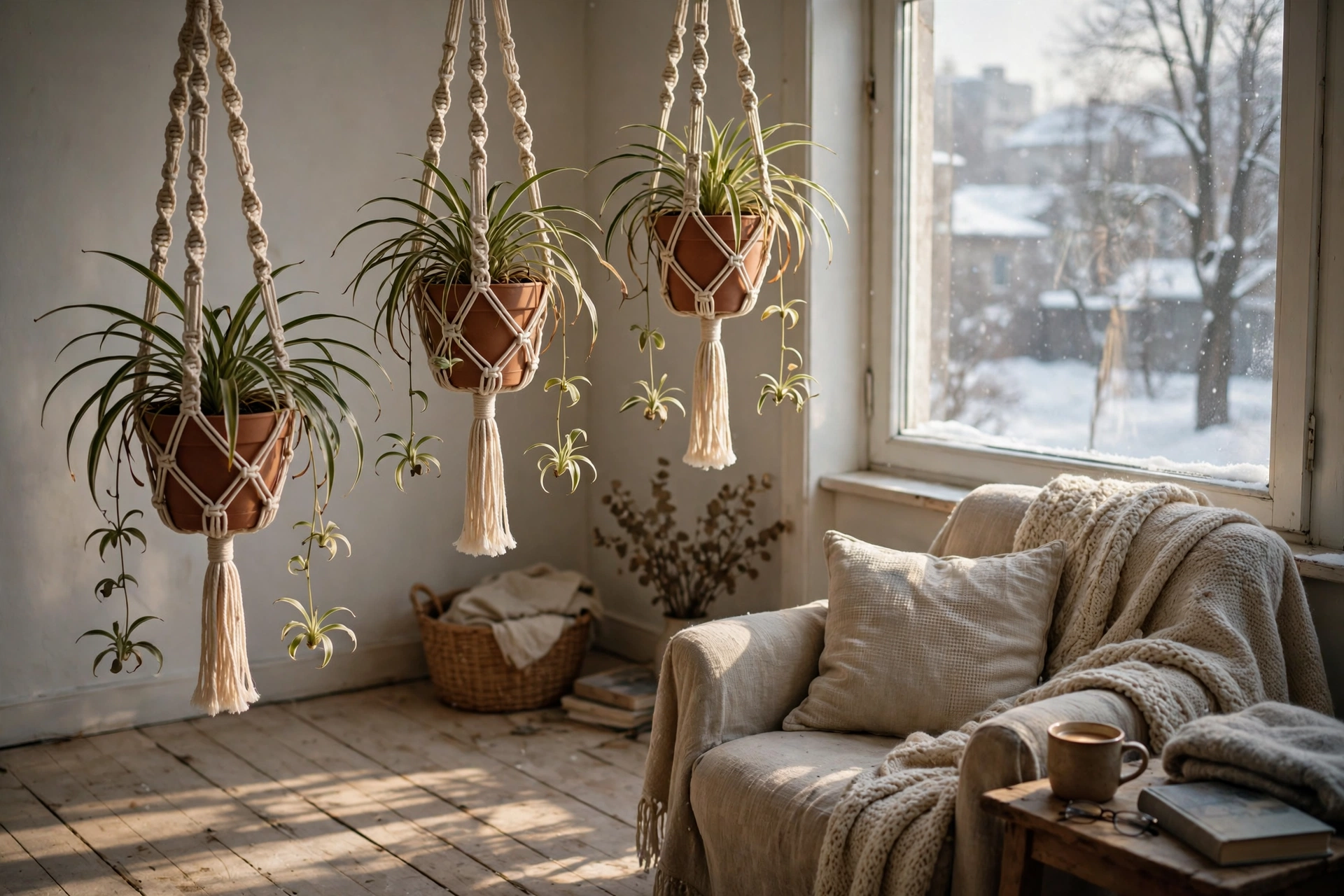
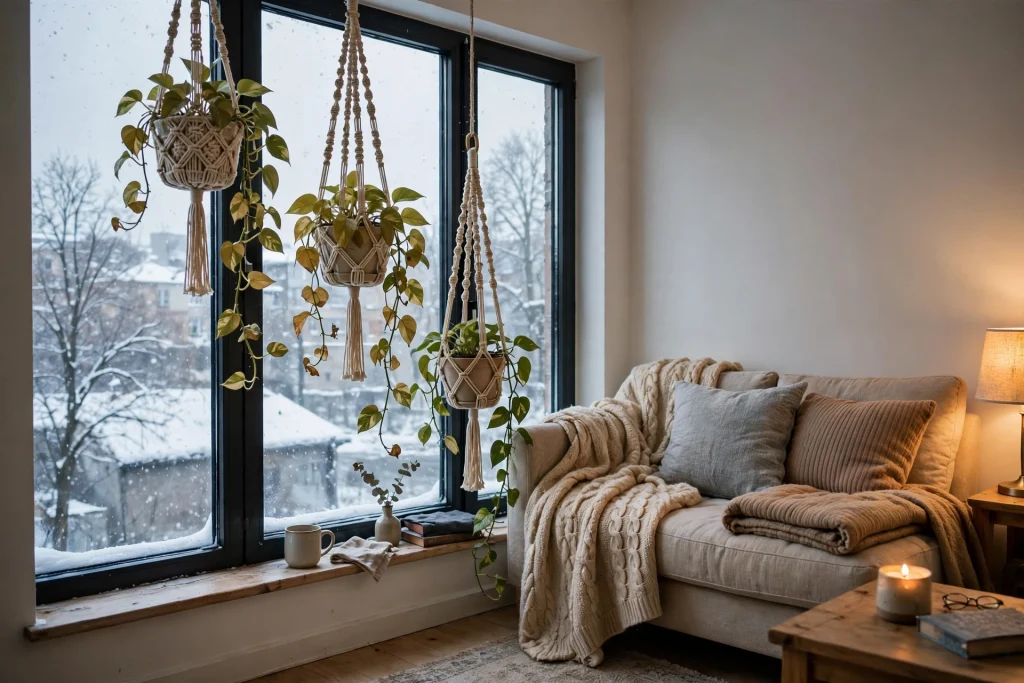
Hanging planters put the air above your furniture to cheerful use, which is the most untapped space in a small home. Macramé hangers suit this job well, since they cradle the pot and let trailing stems spill down in a soft, lovely curtain. A spider plant is a friendly, cheerful pick, with arching striped leaves and baby plantlets that dangle like tiny ornaments. Medium to bright indirect light suits it best, so hang it a few feet from a sunny window and keep it back from cold glass. Water when the top of the soil feels dry, then water less in winter. The ASPCA lists spider plants as non-toxic to cats and dogs, which is wonderful news for pet homes.
One tip: spin the hanger a quarter turn each week, so every side gets light and the plant grows full, even, and lush.
3. Leaning Ladder Shelf in the Corner
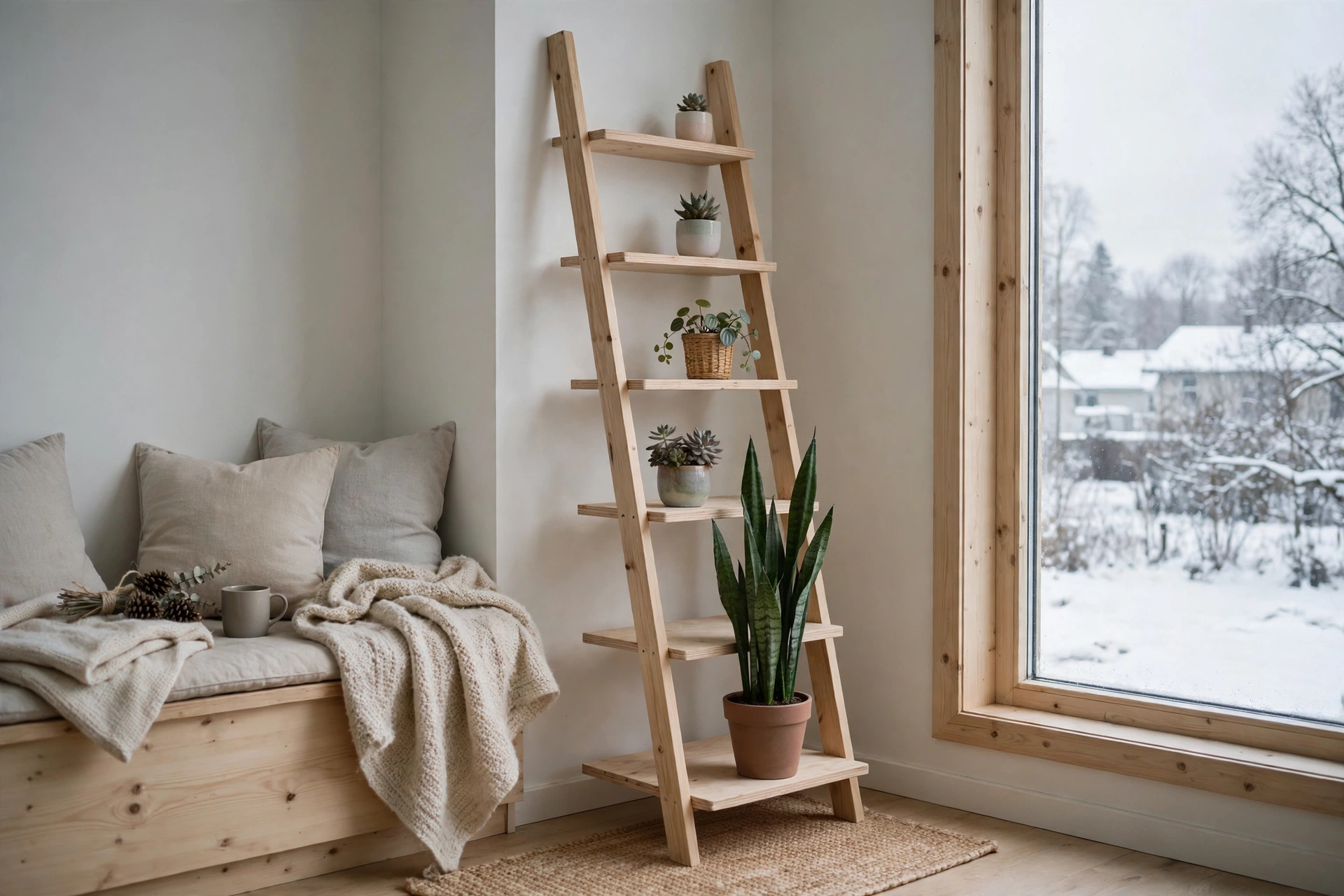
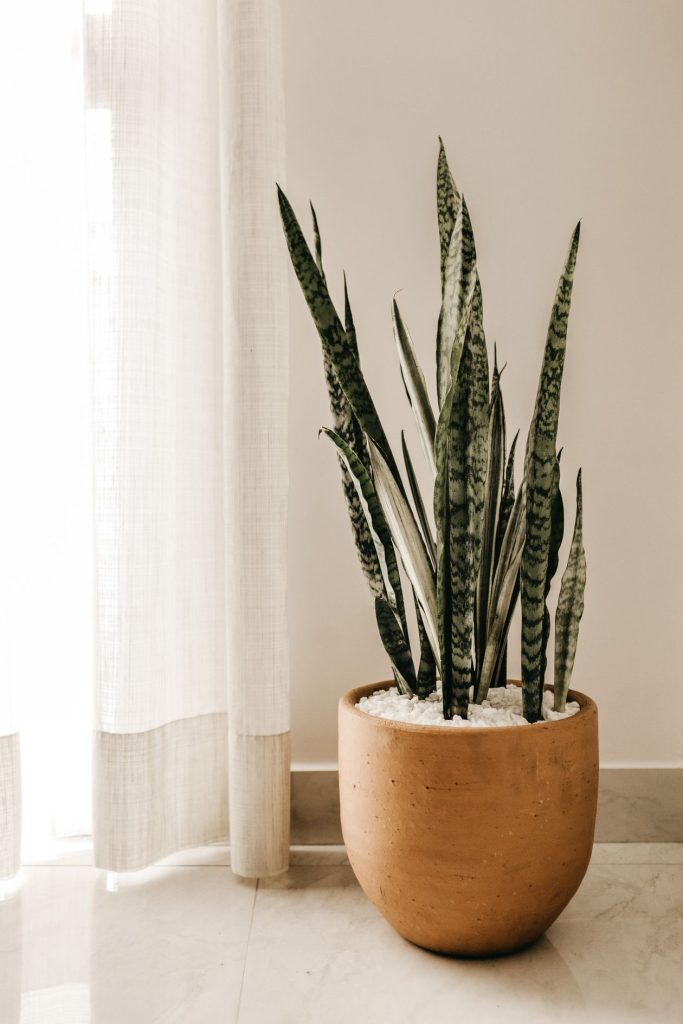
Leaning ladder shelves turn an empty corner into five levels of plant space without a single screw in the wall. That is a win for renters, and honestly it feels like magic. Set the tallest plant on the bottom rung and smaller pots higher up, so every plant gets light and the whole shelf stays steady and beautiful. Snake plants anchor the base well, since their stiff upright leaves grow straight up and they tolerate very low light. Let the soil dry out fully between waterings, and in winter you may water only once a month or two. The ASPCA lists snake plants as toxic to cats and dogs, so keep the shelf out of chewing range and your pets stay safe and happy.
One tip: anchor the top of the ladder to the wall with a small hook, so the whole setup stays rock solid.
4. Felt Wall Pocket Planter
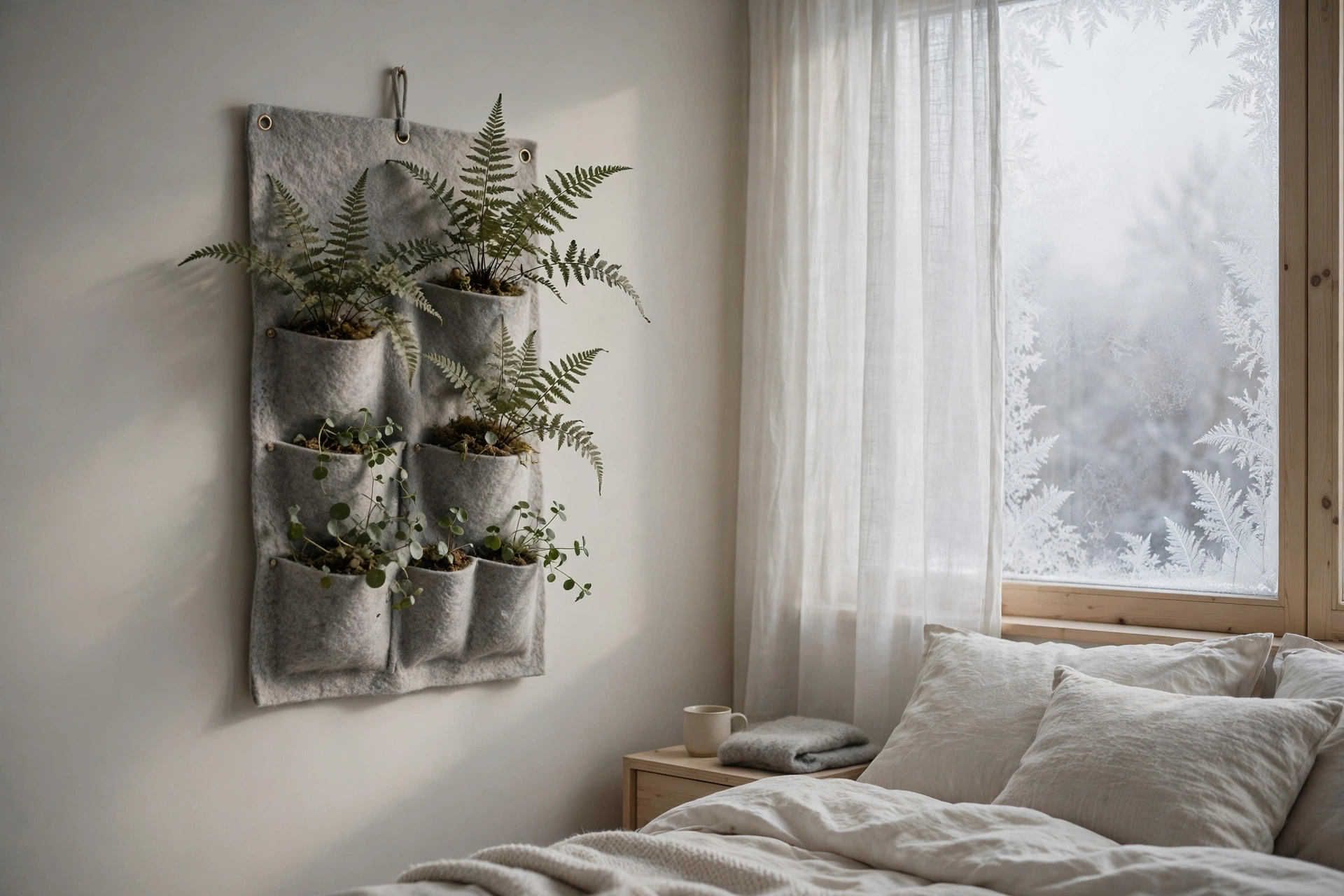
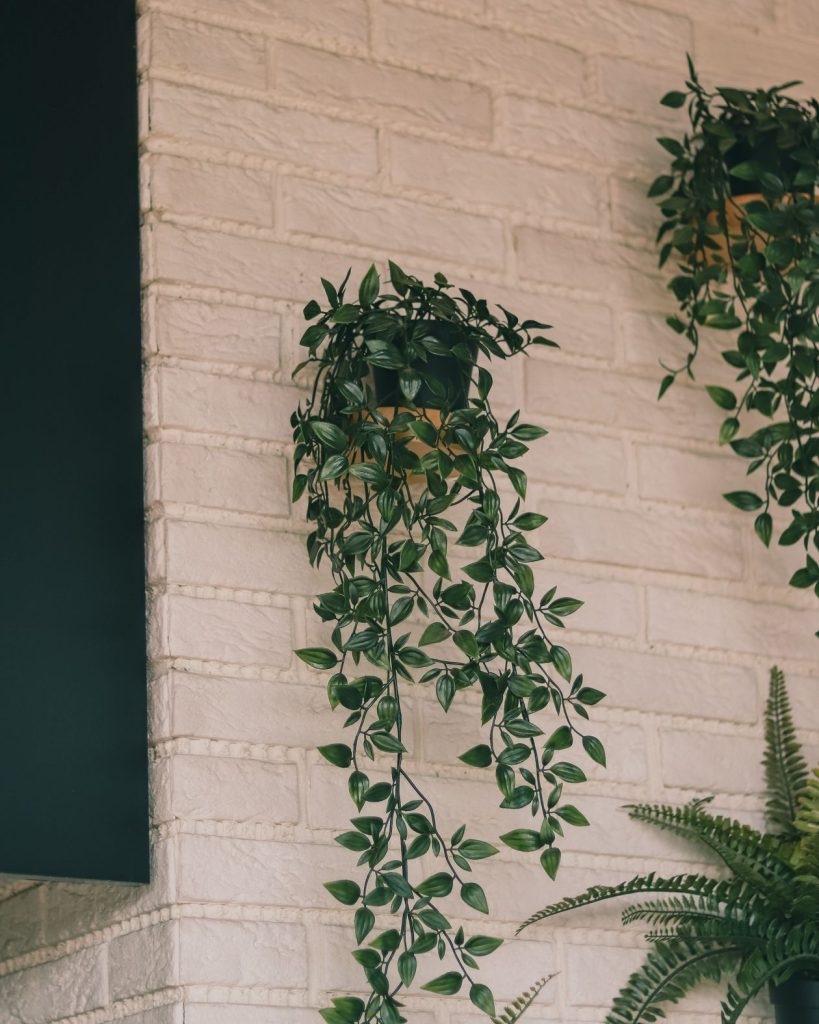
Felt pocket planters hang flat on the wall like a soft shoe rack, and each pocket holds one small plant. No floor space, no shelf, no fuss, just a gorgeous wall full of green. Fill the pockets with plants that love steady moisture and indirect light, since pockets dry out faster than regular pots. Boston ferns suit the middle rows well, with arching fronds that spill out and soften the whole wall. Bright indirect light keeps them green, lush, and thriving, and the soil should stay evenly moist but never soggy. The ASPCA lists Boston ferns as non-toxic to cats and dogs, which is wonderful news for pet homes.
One tip: line each pocket with a small plastic bag before potting, so your wall paint stays safe, dry, and spotless.
5. Tension Rod Shelf Across the Window
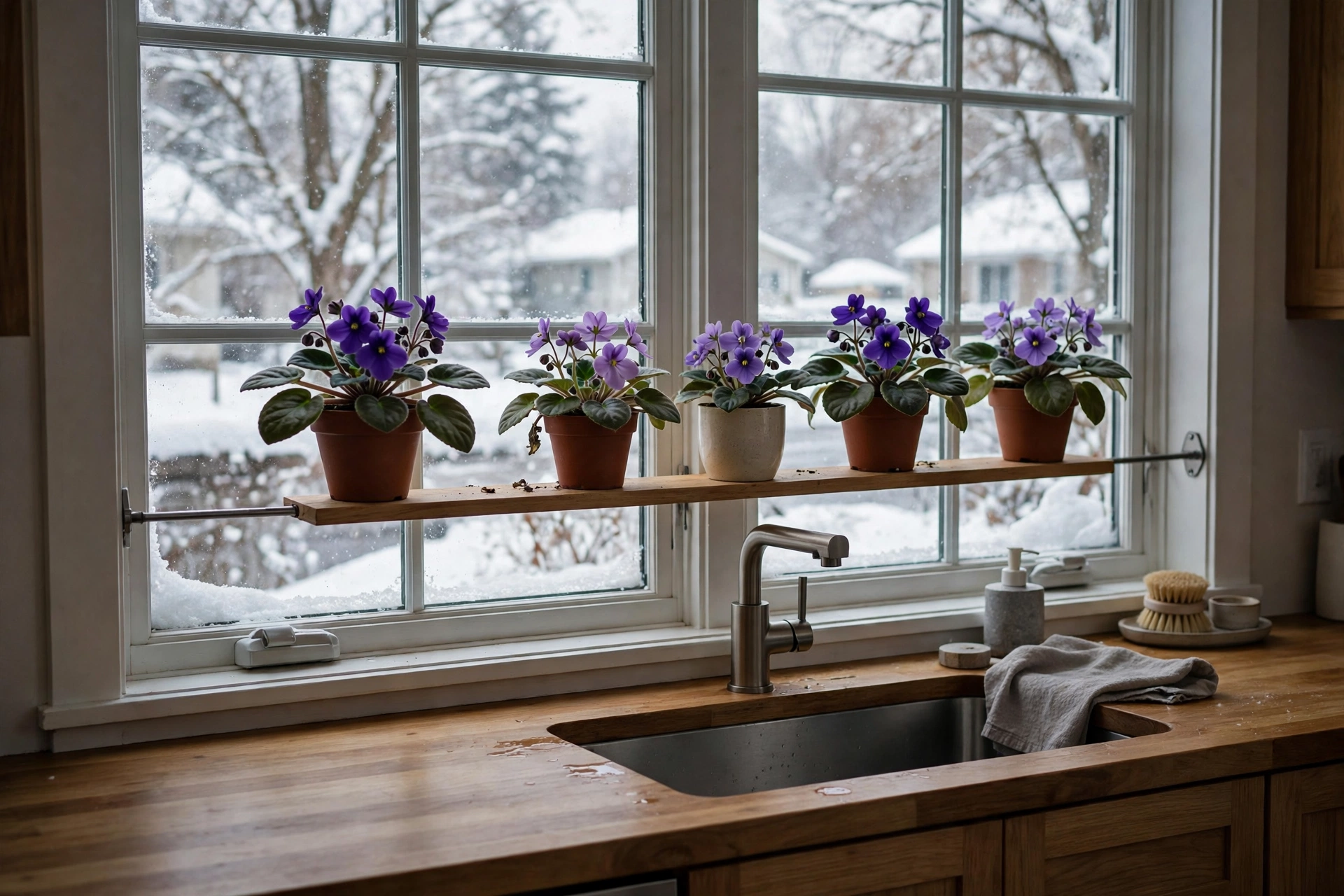
Wedge a tension rod inside a window frame and it holds a narrow shelf right where the light is best, with no holes left behind. Renters, rejoice. This shelf suits small flowering plants that love bright light, so keep pots a few inches back where they stay cozy. African violets are a sweet, delightful fit, with fuzzy rosettes and blooms that can show almost all year and brighten the room. Water with room-temperature water when the surface feels dry, and keep water off the leaves. The ASPCA lists African violets as non-toxic to cats, dogs, and horses, so pets and plants share the sill in peace.
One tip: test the rod with a heavy book before you load it with pots, so you trust it before the violets move in.
6. Over-the-Door Hanging Plant Rack
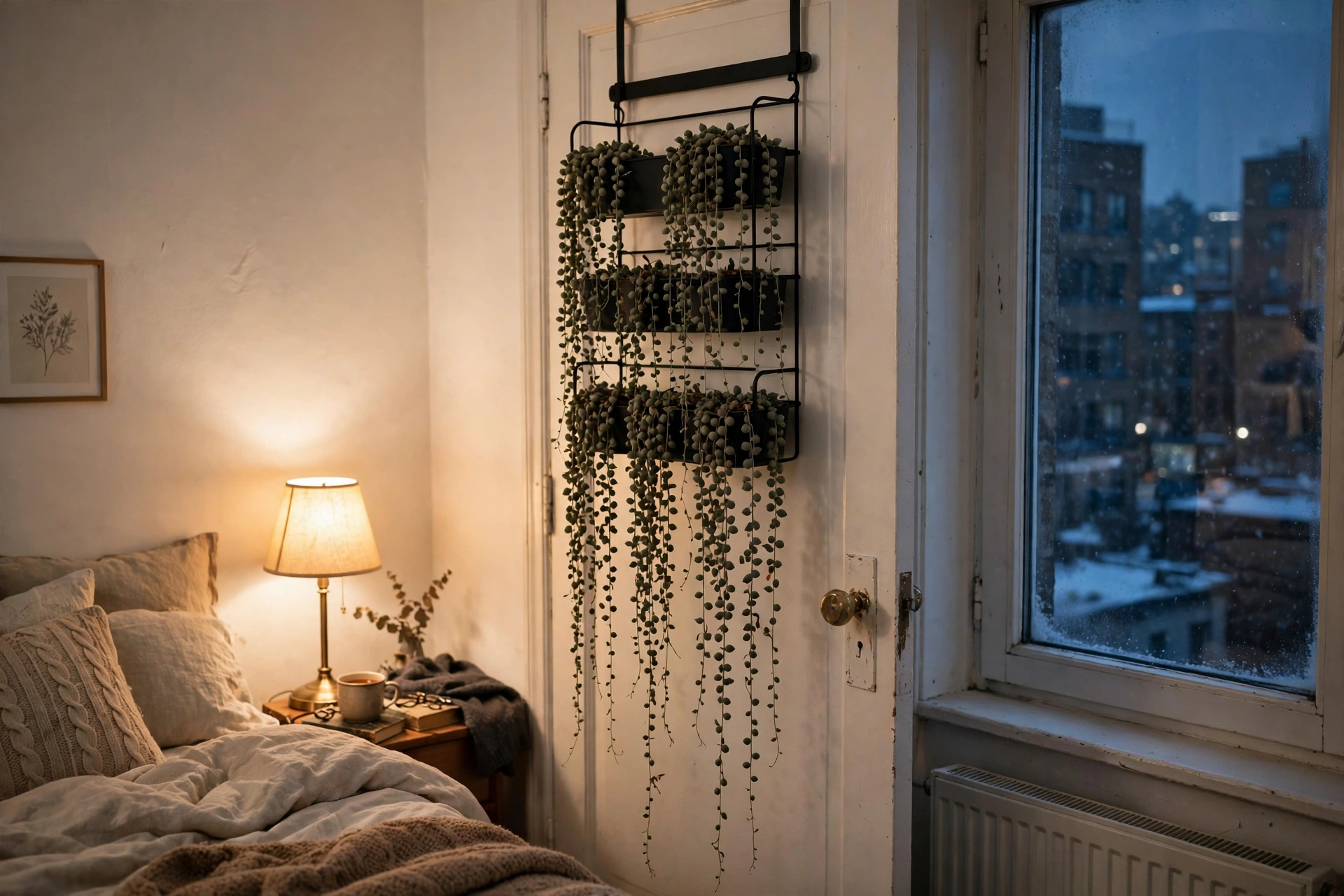
An over-the-door rack turns the back of a bedroom door into a vertical garden. Hooks slide over the top, baskets hang at different heights, and trailing plants spill down in a lovely green waterfall without touching the floor. String of pearls is ideal for this spot, with bead-like leaves on thin stems that cascade like a gorgeous green curtain. Give it bright light and water only when the soil has dried out, since its round leaves store water. NC State Extension calls string of pearls mildly toxic to cats and dogs, so keep the strands above pet reach and everyone stays happy.
One tip: stick felt pads behind the hooks, so the rack sits snug and quiet every time the door moves.
7. Ceiling-Mounted Rail with S-Hooks
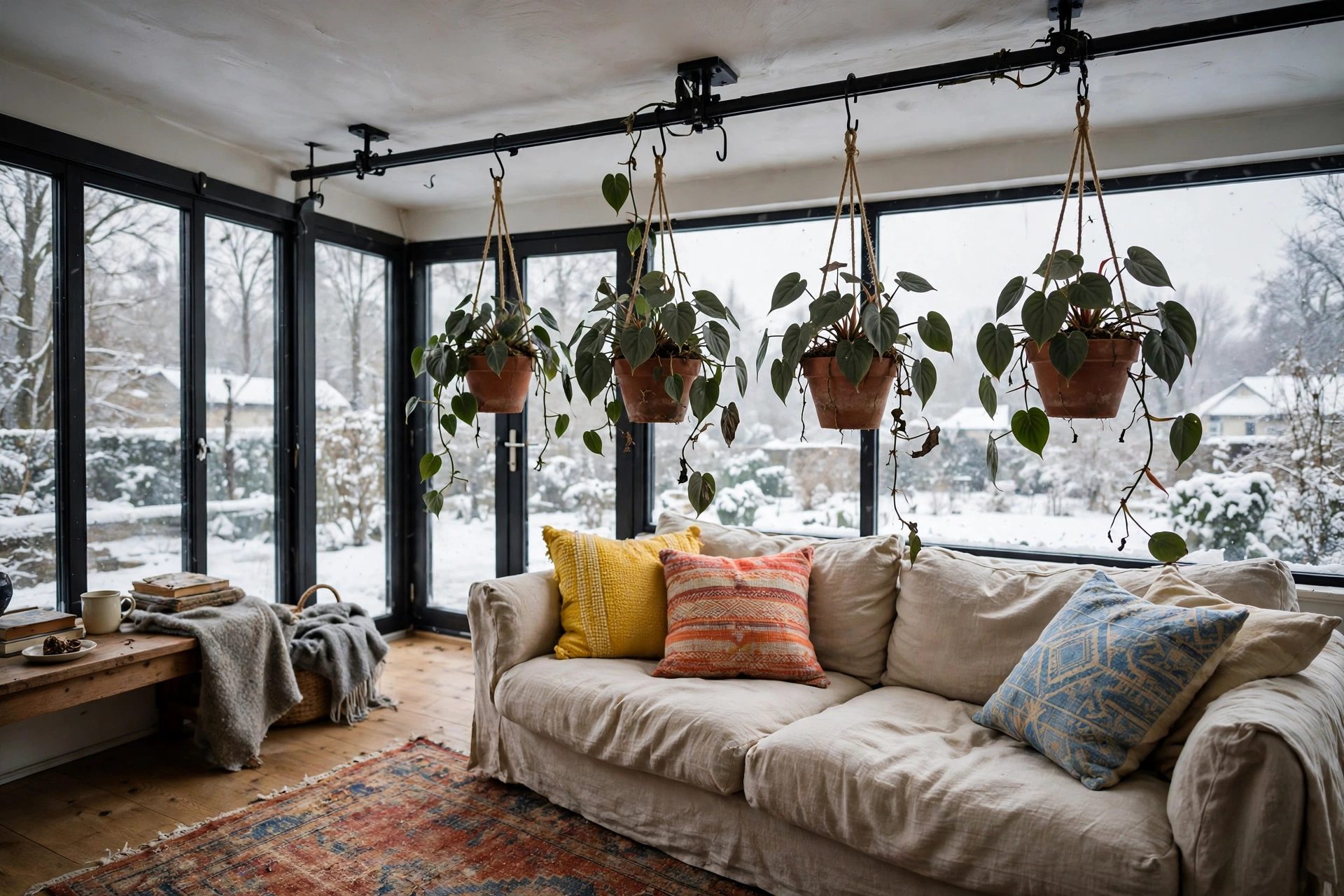
Ceiling rails with S-hooks let you hang a whole row of plants above a sofa or a desk, so the greenery floats at eye level. That rail spreads the weight, so one sturdy mount holds several pots at once, and the whole row looks gorgeous. Heartleaf philodendron is a classic for this setup, with soft heart-shaped leaves that trail down and fill the air. Bright indirect light suits it best, though it tolerates very low light too. Water when the top inch of soil feels dry. The ASPCA lists heartleaf philodendron as toxic to cats and dogs, so hang the vines well above chewing range and your pets stay safe.
One tip: hang the rail a few inches from the wall, so the vines trail freely and your paint stays perfect.
8. Tiered Corner Plant Stand
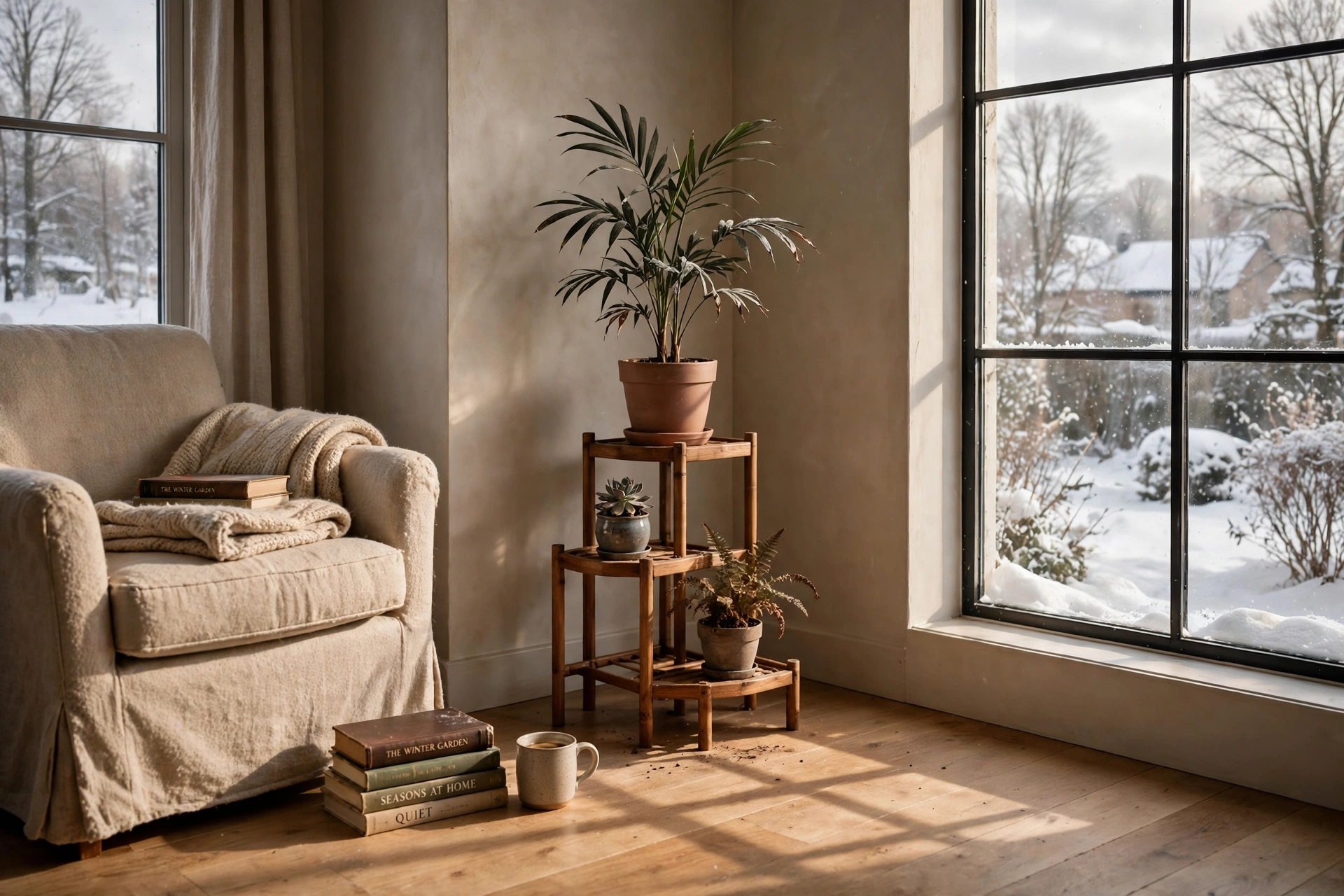
Tiered corner stands stack three or four plants in the footprint of one pot, which is the whole point of going vertical. Put the tallest plant on top so it reaches for the light, and let smaller pots fill the lower tiers. Young parlor palms make a soft, feathery topper, and they grow slowly enough to stay tidy for years. Bright indirect light keeps them happiest, yet they tolerate low light better than most palms. Let the top of the soil dry out before you water again, and go easy in winter. The ASPCA lists parlor palms as non-toxic to cats and dogs, which is happy news for pet homes.
One tip: rotate the whole stand a quarter turn every two weeks, so every plant gets its turn in the light.
9. Pegboard Plant Wall
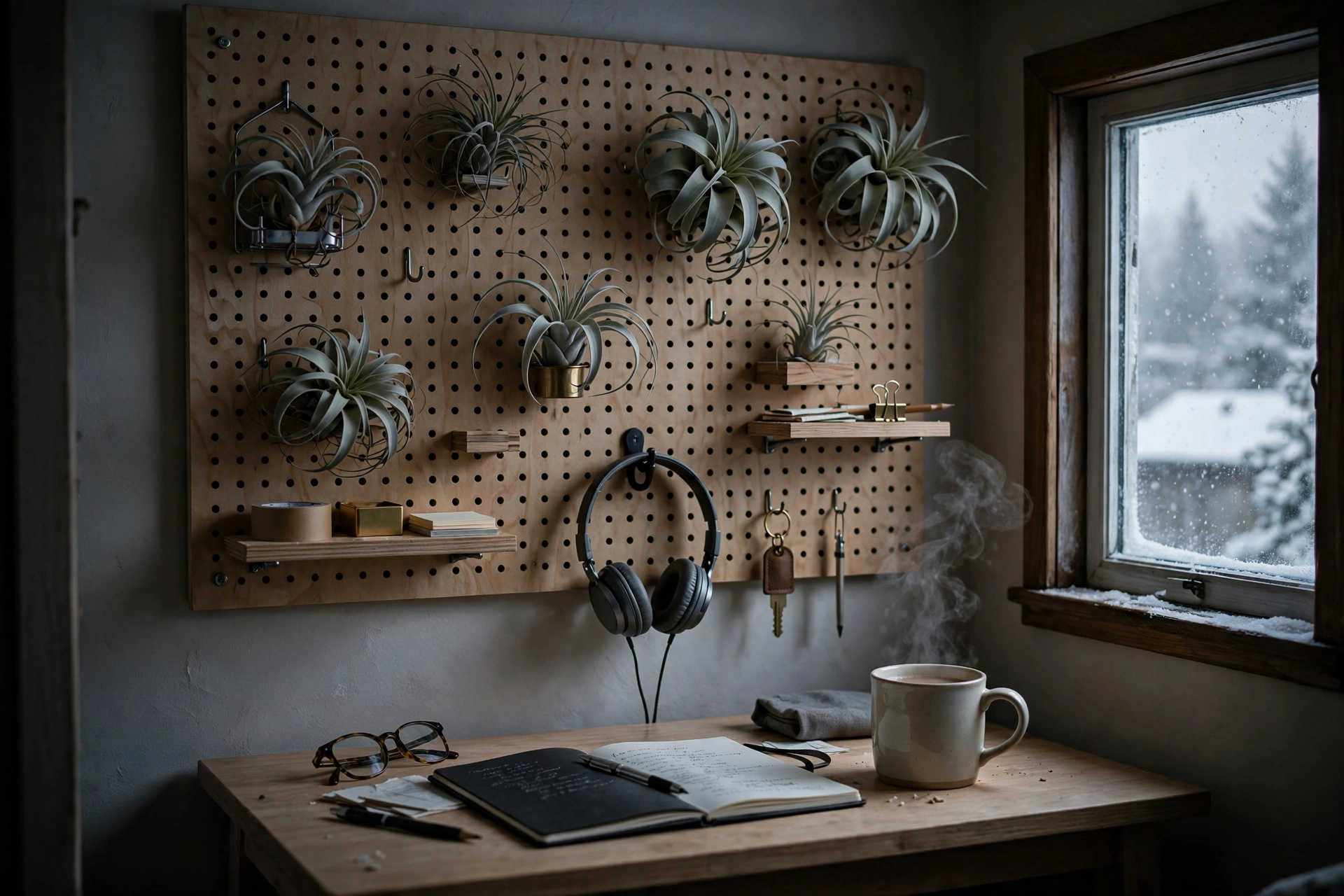
Pegboard turns plant display into a game you can rearrange whenever the mood strikes. Hooks, small shelves, and wire baskets all pop in and out, so the layout grows with your collection. Air plants are the stars here, since Tillandsia needs no pot and no soil, just a snug hook and bright indirect light. Soak them weekly and let them dry fully before they go back up, so they stay fresh and healthy. Tillandsia is not listed as toxic to cats or dogs, which makes this wall a safe pick for pet homes.
One tip: keep a small spray bottle hanging on the pegboard itself, so the weekly soak stays easy on busy days.
10. Suction-Cup Shelf on the Window Glass
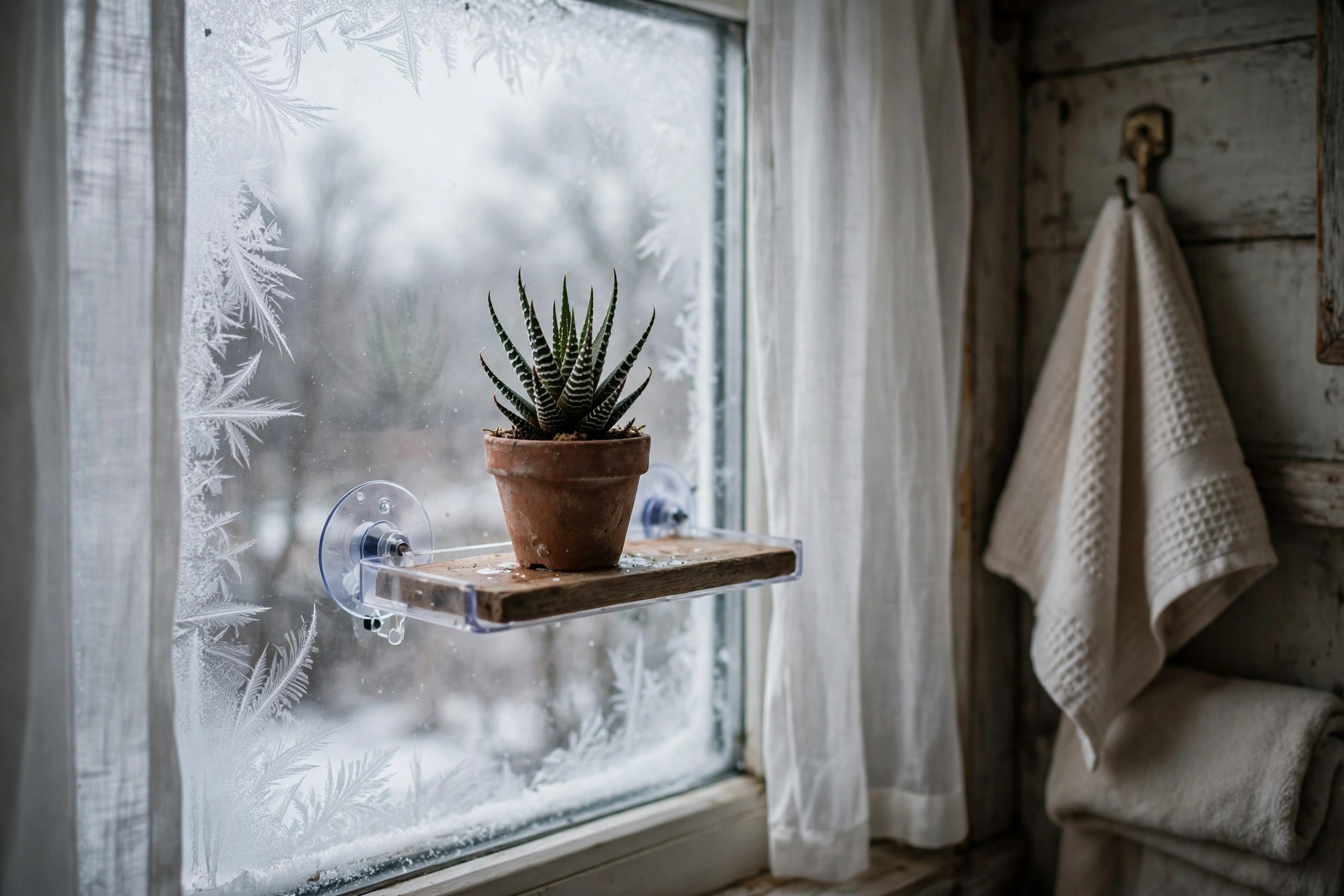
Suction-cup shelves stick right onto the window glass, which sounds like a magic trick and works like one. That gives a tiny succulent the brightest seat in the house without taking up a single inch of sill. Zebra haworthia is a neat fit, with striped rosettes only about 5 inches tall that love bright light. Water only when the mix has dried almost fully, and keep it nearly dry through winter. Keep the pot above 50 degrees and out of cold drafts, and it will stay happy all season. The ASPCA lists haworthia as non-toxic to cats and dogs, which is happy news for pet homes.
One tip: press each cup firmly and tug it once a month, so the shelf stays snug all winter.
11. Bookshelf Plant Styling
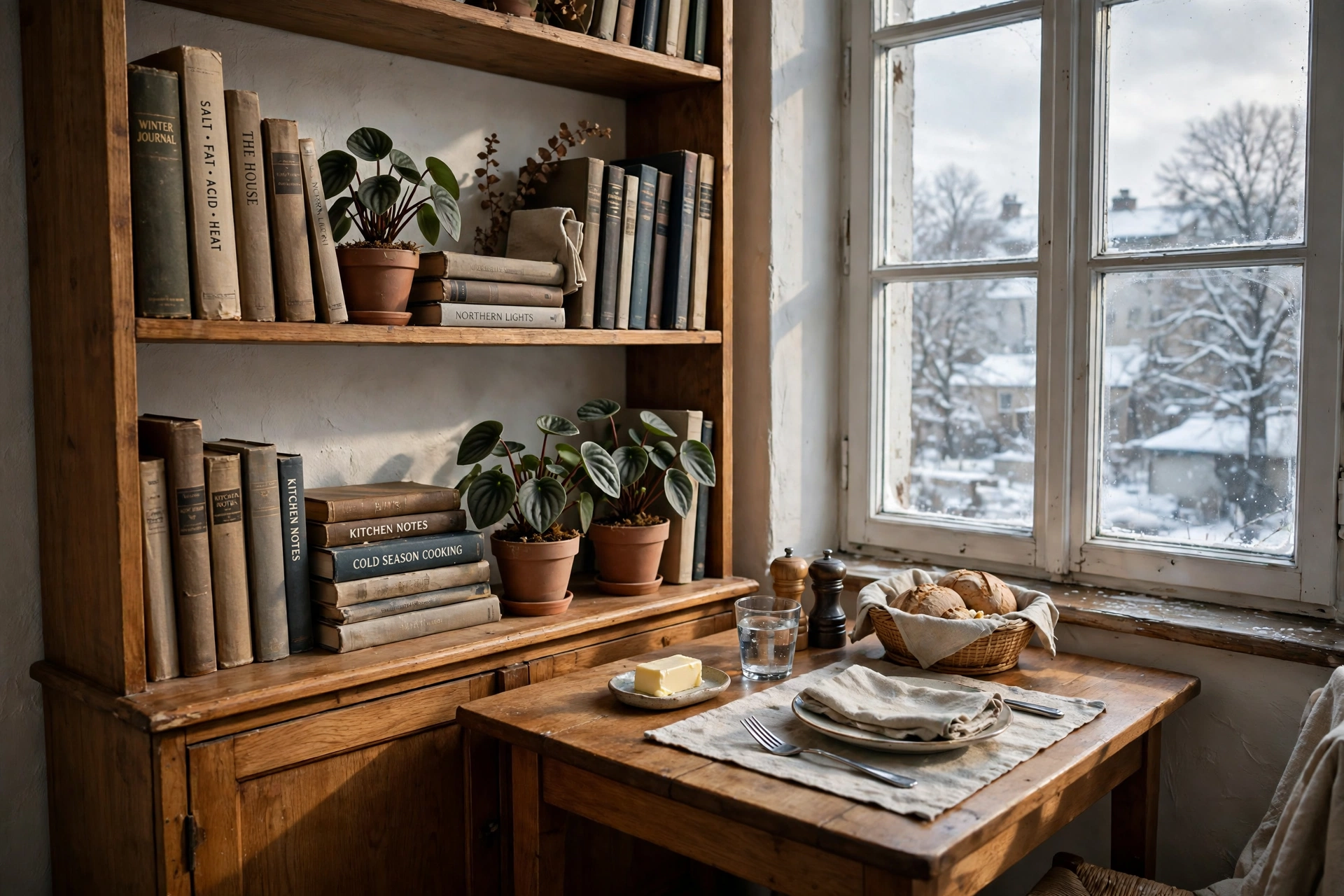
Plants tucked between books turn a plain bookcase into the most interesting piece of furniture in the room. Honestly, the books deserved some company. Mix one trailing plant per shelf with a few upright pots, so the greenery spills over the edges without hiding the spines. Baby rubber plants work well here, with thick glossy leaves on a tidy bush that rarely tops 2 feet indoors. Bright indirect light keeps the leaves glossy, and plain green types tolerate medium light for months. The ASPCA lists peperomia as non-toxic to cats and dogs, which is happy news for pet homes.
One tip: slide a small saucer under every pot, so the shelf and the books below stay spotless.
12. Clear Pocket Shoe Organizer Herb Wall
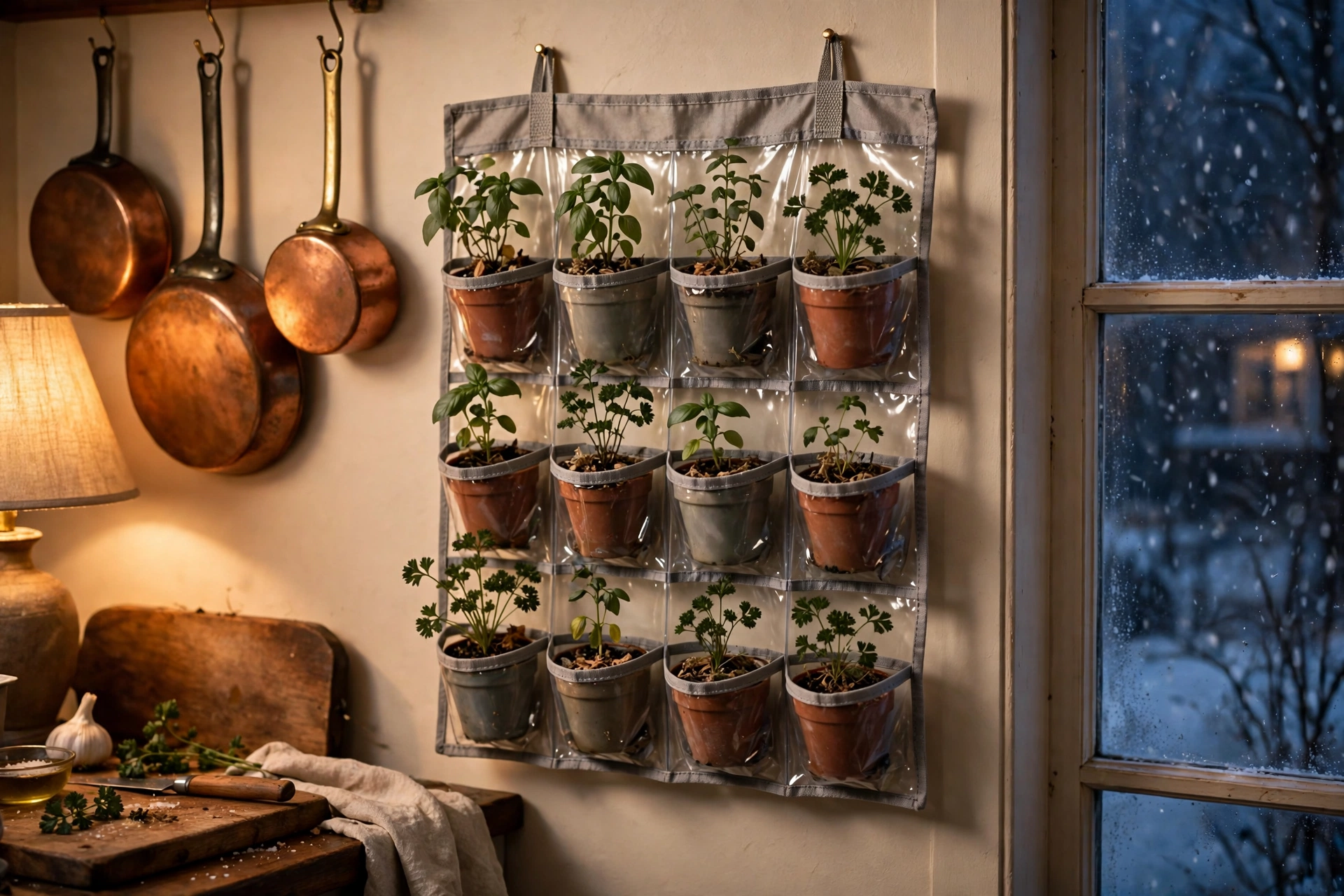
Clear pocket shoe organizers hung on a kitchen wall become a herb garden with zero counter space and a very small budget. Each pocket holds one small herb pot, and the clear plastic lets you see the soil at a glance. Basil is the star here, since it wants your warmest, brightest spot and at least six hours of direct sun. Parsley is a good neighbor, since it manages with four hours of sun and likes steady moisture. The ASPCA lists basil as non-toxic to cats and dogs, while it lists parsley as toxic, though large amounts are needed to cause trouble.
One tip: poke a drainage hole in the bottom of each pocket, so extra water drips out and the roots stay happy.