A small bedroom does not need fewer plants. It needs smarter spots. Most plant advice starts with which plant to buy. Placement matters more. A snake plant in the wrong corner sulks. The same plant on the right shelf thrives. This list gives you nine spots that use dead space in a small bedroom. Every one of them keeps the floor clear and the walkway open. Pick two or three. That is enough for a room to feel green without feeling crowded.
First, Read the Light in Your Room
Stand in the spot you want to fill in the middle of the afternoon. Look at the shadows. Crisp hard shadows mean direct sun. Soft blurry shadows mean bright indirect light. Almost no shadow means low light. Match the plant to that light, not to the photo you saw online. Most bedrooms get modest light from one window. That is why the plants in this list are forgiving ones. Low light plants do best three to six feet from a window. That distance gives them bright indirect light without the midday burn. Keep the count low. One or two plants suit a small bedroom. Three is the most you need. A room with one clear green moment in each sightline feels planted. A room with a pot on every surface feels like a nursery. The rest of this list follows one rule. The spot comes first and the plant comes second. If your room stays dim most of the day, start with low-light plants for small apartments that are built for that exact light.
1. The Windowsill
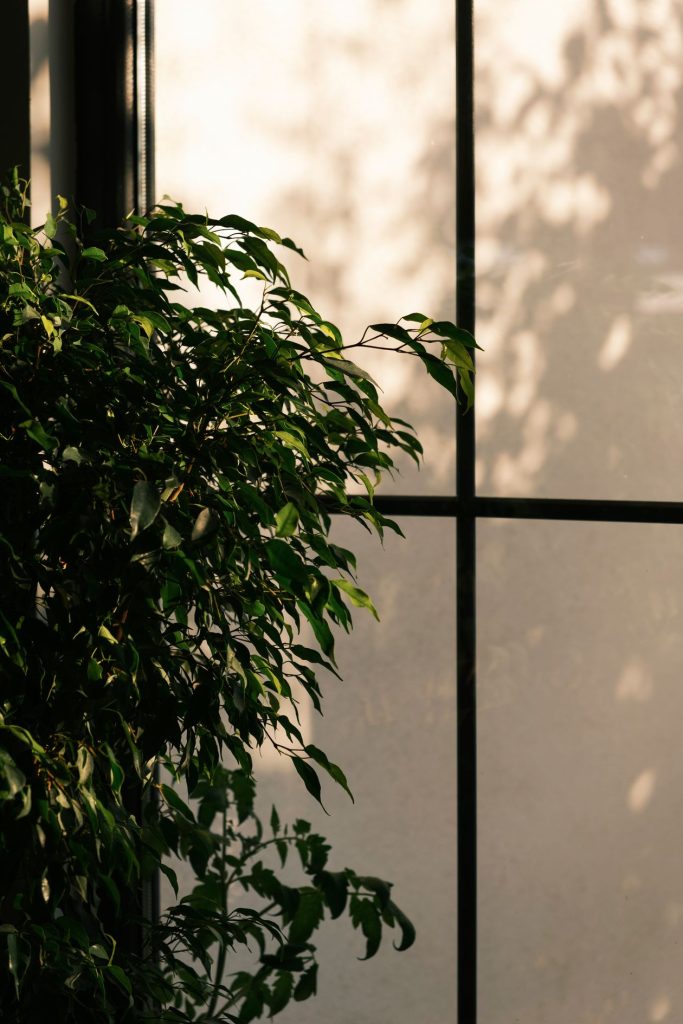
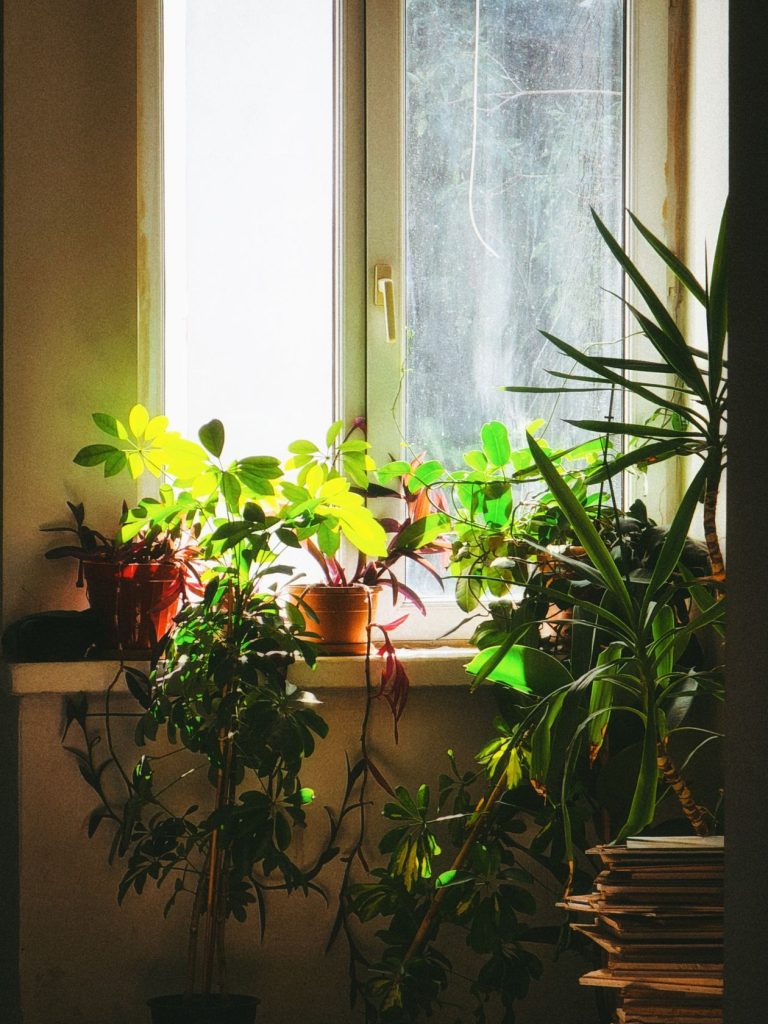
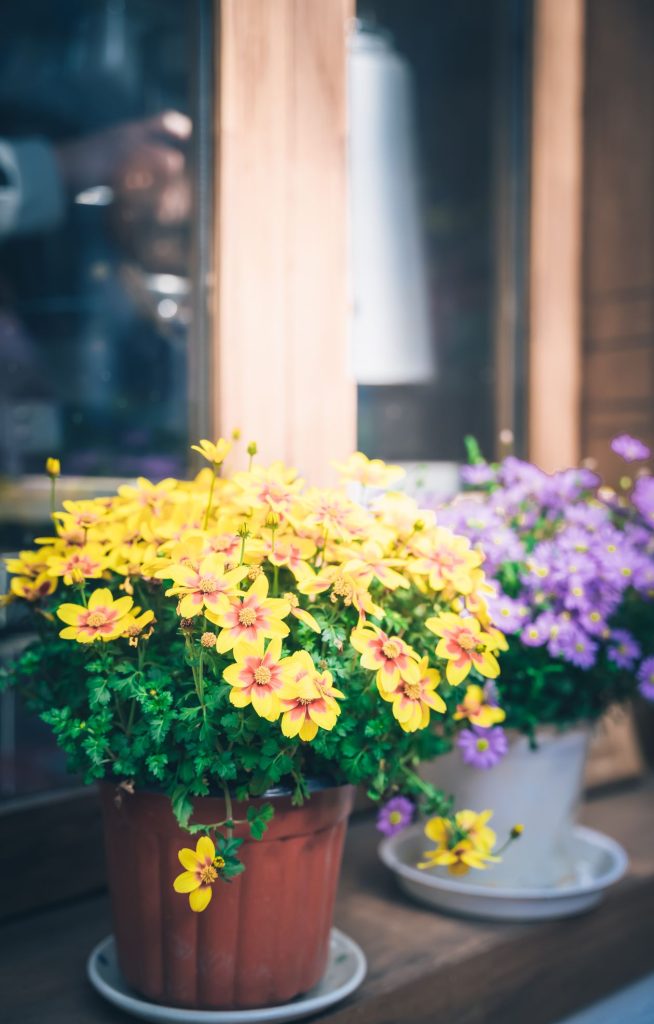
The windowsill is the brightest spot in most bedrooms and it costs zero floor space. Sun lovers belong here. Aloe vera, lavender and orchids all do well with direct light. A south facing sill suits them best. An east facing sill suits a peace lily or a spider plant. Keep the pot from touching cold glass in winter. Glass gets cold enough to damage leaves overnight. A folded towel or a thin cork mat under the pot fixes that. Water here more often than anywhere else in the room. Sun and dry air pull moisture out of the soil fast. Check the top inch of soil with a finger. Water only when it feels dry. What to avoid. Do not crowd five pots onto one sill. Leaves that touch the glass scorch in summer and freeze in winter. One or two pots with space between them look better and grow better.
2. A Hanging Planter by the Window
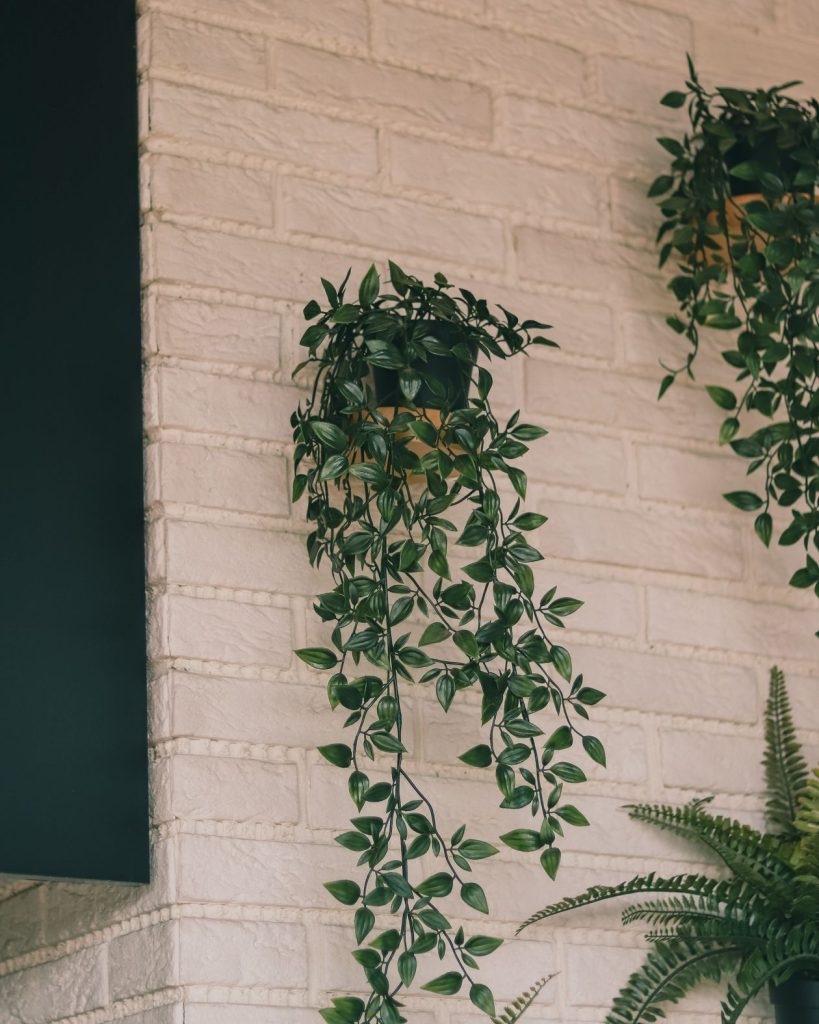
A hanging planter turns empty air into a plant spot. That is gold in a small bedroom. Hang it near the window but not in front of it. A pothos, a spider plant or a string of hearts all trail well from a hook. The vines fall into free air instead of landing on furniture. Hang the planter at a height you can reach without a chair. Watering should take a minute, not a project. Use a simple macrame hanger or a ceiling hook with a plain ceramic pot. Keep the pot light. A heavy pot on a weak hook is a bad surprise at night. Check that the hook is screwed into a joist or a solid anchor. What to avoid. Do not hang the planter where the vines brush your face as you walk past. Trim the vines when they reach your shoulder. Do not hang it over the bed. Water drips and falling pots do not belong above pillows.
3. The Nightstand
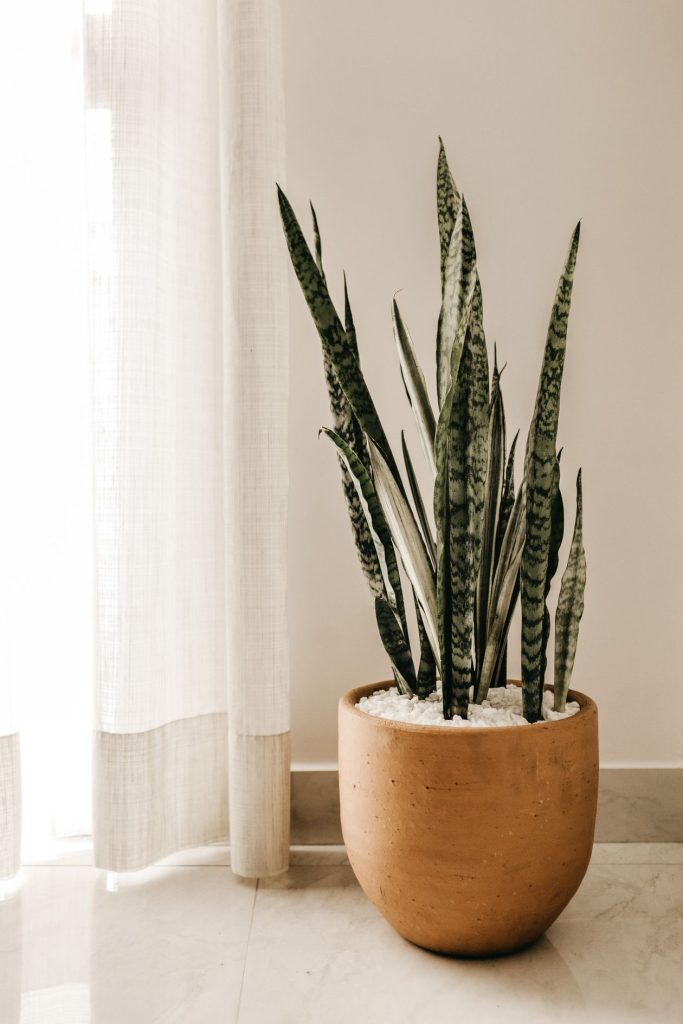
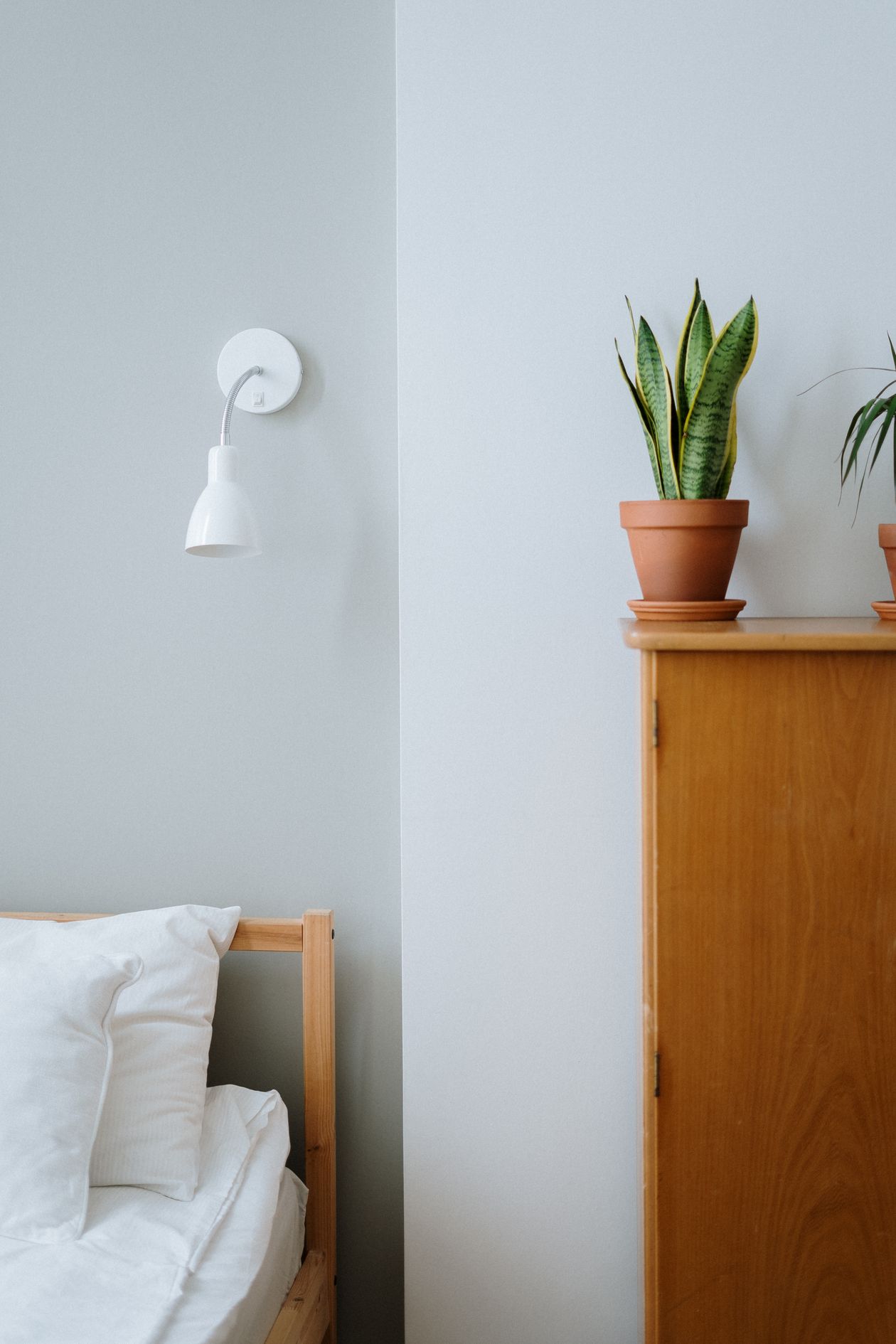
Your nightstand is the smallest plant spot in the room and one of the best. You see it first thing in the morning and last thing at night. A snake plant is the classic pick here. It uses a process called CAM photosynthesis, so it takes in carbon dioxide at night and releases oxygen while you sleep. It also tolerates low light and weeks without water. Keep the pot small, four to six inches across. A big pot eats the space you need for a glass of water and a book. Skip strongly scented flowers here. Lavender and jasmine can help sleep, but a strong scent right beside your pillow can feel too much in a small closed room. Keep scented plants across the room instead. What to avoid. Do not put a plant that needs daily watering on the nightstand. A wet saucer next to your phone is a mess waiting to happen. Water in the sink and let the pot drain before you bring it back. For more on styling the whole room around sleep, see our guide to bedroom plant styling for better sleep.
4. One Tall Plant in the Empty Corner
Every small bedroom has a dead corner. One tall plant fixes it better than three small ones. Three small pots on the floor look like storage. One plant tall enough to stand beside the furniture looks deliberate. A snake plant or a parlor palm both work here. The snake plant handles low light and neglect. The parlor palm is safe around pets and adds soft height. Pick a pot that matches the room, not the plant. One pot material family does more for the look than matching the plants. A tall plant should reach at least the height of the bed frame or the dresser beside it. That scale makes it read as part of the room. What to avoid. Do not push the plant tight into the corner where air cannot move around it. Leave a few inches of space on each side. Do not pick a plant wider than the corner. Leaves that press against two walls at once will brown at the tips.
5. A Wall Shelf Above the Bed
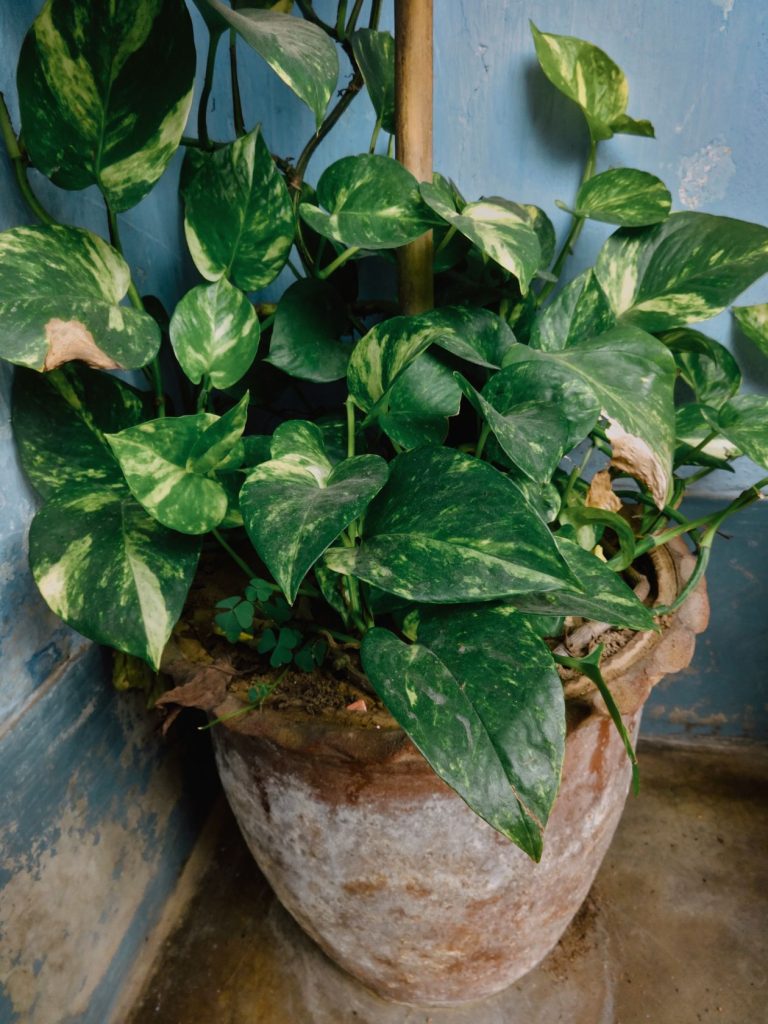
A long shelf above the bed turns a blank wall into a green headboard. Trailing plants work best here. A golden pothos softens the hard line of the shelf and frames the bed. The vines hang down without taking any floor space. Safety comes first with this spot. Use proper anchors rated for more weight than the pots. Small pots, secure brackets and a trailing pothos are the safe combination. Never put a heavy ceramic pot directly above where you sleep. Use light plastic pots inside woven baskets instead. Water the plants in the bathroom sink. Let them drain for half an hour before you put them back. That way no water drips onto your pillows. What to avoid. Do not fill the whole shelf edge to edge. A shelf with no empty space has no airflow, and still damp air is where pests start. Leave gaps between pots. Keep the shelf a few inches above the headboard, not right on top of it. Our plant shelf styling ideas cover the weight and watering rules in more detail.
6. The Top of the Wardrobe
The top of the wardrobe is the most ignored plant spot in a bedroom. It is also one of the best. It sits high, it gets the most light in the room, and it uses space nothing else can use. Trailing plants belong here. A golden pothos or a string of hearts will spill over the edge and soften a big flat piece of furniture. The air up high is dry, so pick plants that tolerate dry air. Pothos handles it well. Watering is the only hassle. Keep a small step stool nearby and water on a fixed day each week. Use a cachepot, a decorative outer pot with no holes, so water never drips onto the wardrobe. What to avoid. Do not put a plant up there and forget it for months. Dust settles on high leaves fast. Wipe the leaves when you water. Do not use a heavy pot you cannot lift down safely.
7. The Desk or Dresser
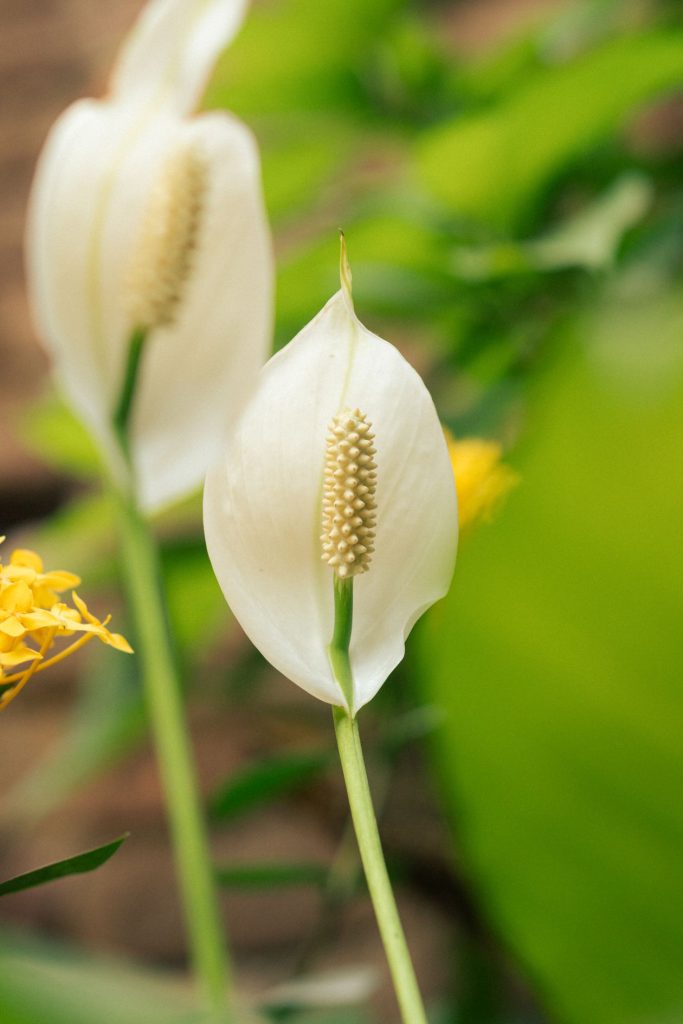
A desk or a dresser puts a plant at eye level, about 32 to 40 inches high. That is the height your eye naturally rests on. A ZZ plant or a peace lily both suit this spot. The ZZ plant survives low light and weeks without water. The peace lily handles low light too and tells you when it is thirsty by drooping a little. Group two or three pots in odd numbers and vary the leaf shapes. A tall leafy plant beside a small round one looks better than three pots the same size. Rotate each pot a quarter turn every week or two. That keeps growth even instead of leaning toward the window. What to avoid. Do not put the plant right beside your laptop or lamp where leaves can touch hot bulbs. Do not use a pot without a saucer here. A water ring on wood is hard to fix.
8. The Floor by the Door
A tall plant by the door greets you when you walk in. It is the first green thing you see and it softens the hardest corner of the room. A parlor palm or a snake plant both work. The parlor palm is pet safe and gentle. The snake plant is upright and narrow, so it fits a tight gap beside the door frame. Keep the walkway clear. The plant should sit beside the path, never in it. Leaves that brush your legs every time you pass will get damaged and so will your patience. Leave enough room to carry laundry or a suitcase past it. What to avoid. Do not put a trailing plant here. Vines across a walkway are a trip hazard. Do not put the pot where the door swings into it. Check the swing before you set the pot down.
9. A Plant Ladder in an Unused Corner
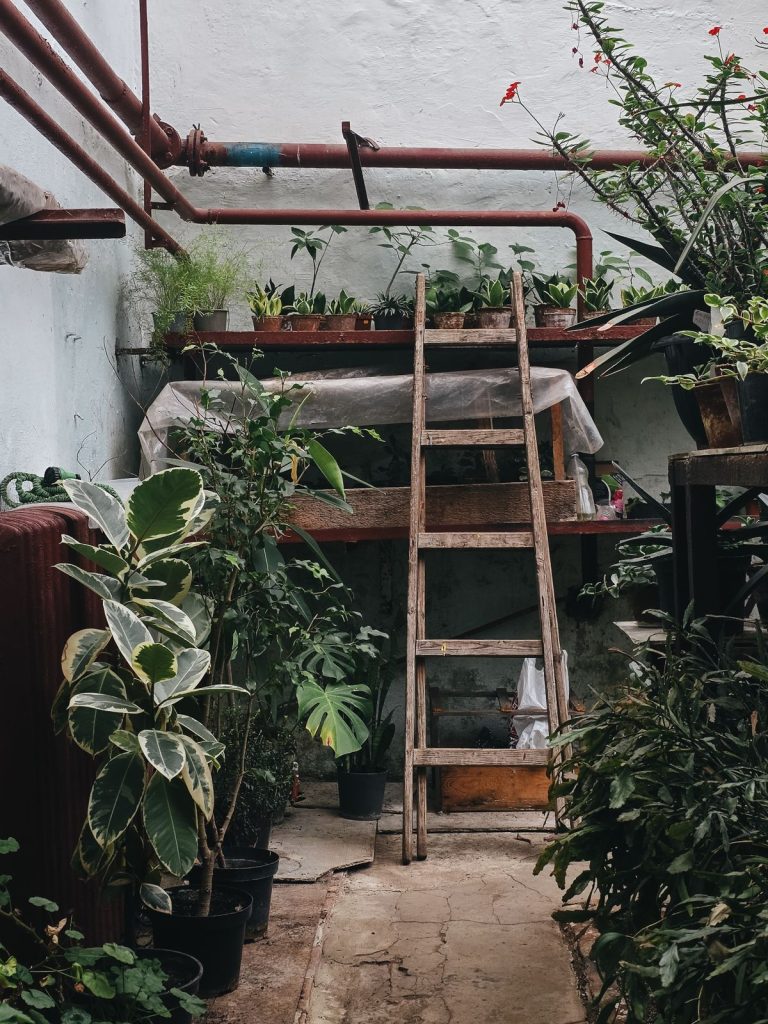
A plant ladder is a slim tiered stand that holds five or six small pots in the space of one. It fits corners too narrow for furniture and it keeps every pot off the floor. Put the plants that need the most light on the top tier. Light is strongest up high. Put trailing plants on the middle tiers so the vines can hang without pooling on the floor. Put the smallest pots at the bottom. The ladder works best with one pot material family and varied leaf shapes. That mix looks designed instead of random. A wooden ladder shelf suits most bedrooms and costs little. If you like this idea, our small-space garden layouts show more ways to stack plants without losing floor space. What to avoid. Do not load every tier to the edge. Leave one tier half empty so the stand can breathe. Do not put the heaviest pot on the top tier. Heavy goes low, light goes high.
Spots to Skip in a Small Bedroom
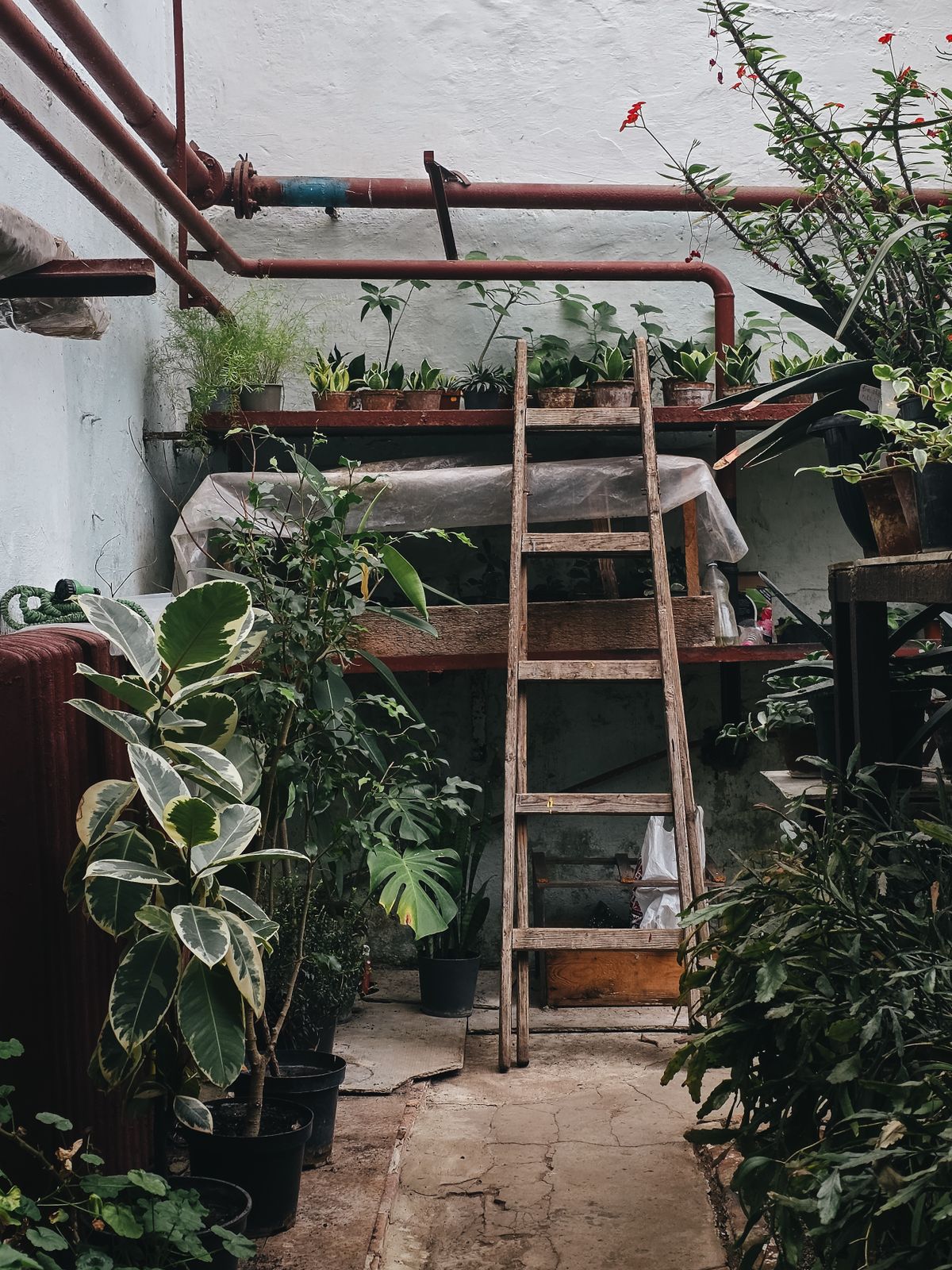
Some spots look good in photos and fail in real bedrooms. Skip a heavy pot directly above the pillow. Anchors fail and water drips, and neither belongs over your head at night. Skip the path between the bed and the door. Plants there get kicked and tripped over. Skip the spot right under the air conditioner vent. Cold dry air blows straight onto the leaves and dries them out. Skip spiky plants beside the bed. Cacti and sharp succulents look fine on a desk, but sharp points beside a sleeper feel wrong and can scratch an arm in the night. Skip strongly scented flowers right by the pillow. A little scent across the room is pleasant. The same scent six inches from your nose all night is too much.
A Simple Care Routine That Keeps Bedroom Plants Alive
Bedroom plants die from kindness more than neglect. Most of them want the top one or two inches of soil to dry fully before you water again. That is often every 10 to 14 days, and less in winter. Check with a finger before you water. If the soil feels damp, wait. Dust the leaves once a month. Dust blocks light and the plant grows slower. A damp cloth does the job in a minute. Feed lightly in spring and summer only. A weak liquid feed once a month is enough. Skip feeding in winter when growth slows. Move a struggling plant before you buy a new one. A plant that sulks on a dark shelf may thrive three feet closer to the window.
The Short Version
Nine spots, and you only need two or three. Start with the windowsill and the nightstand. Add a hanging planter or a shelf when you want more green. Keep the count low, match each plant to the light of its spot, and keep the walkway and the pillow zone clear. A small bedroom with three well placed plants feels calmer than a big room with twenty pots in the wrong places. And when the bedroom feels done, the same thinking works next door. Here is our guide to styling indoor plants in your living room.
Frequently Asked Questions
Is it safe to sleep with plants in the bedroom?
Yes, for most people it is completely safe. The idea that plants steal your oxygen at night is a myth. One or even five houseplants release far less carbon dioxide than a sleeping person breathes out. Snake plants and aloe vera even release oxygen at night. The only real exceptions are people with strong plant allergies or asthma, who should avoid heavily scented flowers and keep soil from staying damp.
How many plants should a small bedroom have?
One or two is enough for a small bedroom. Three is the most you need. Pick spots at different heights, one low, one at eye level and one high or trailing, instead of crowding pots onto one surface. A room with a few well placed plants feels calm. A room with a pot on every surface feels cluttered.
Which plant is best for a dark bedroom?
A snake plant is the toughest pick for a dark bedroom. It tolerates low light, survives weeks without water, and releases oxygen at night. A ZZ plant and a pothos are close behind. Both handle dim corners and irregular watering. Skip anything that needs direct sun, like lavender or most succulents, unless the room has a bright window.
Can I put a plant right next to my pillow?
You can, but keep it small and unscented. A tiny snake plant or a small pothos in a four inch pot works well on a nightstand. Skip strongly scented flowers and spiky plants beside the pillow. Keep the pot small so you still have room for the things you reach for at night.