1. Ripple Peperomia (Peperomia caperata)
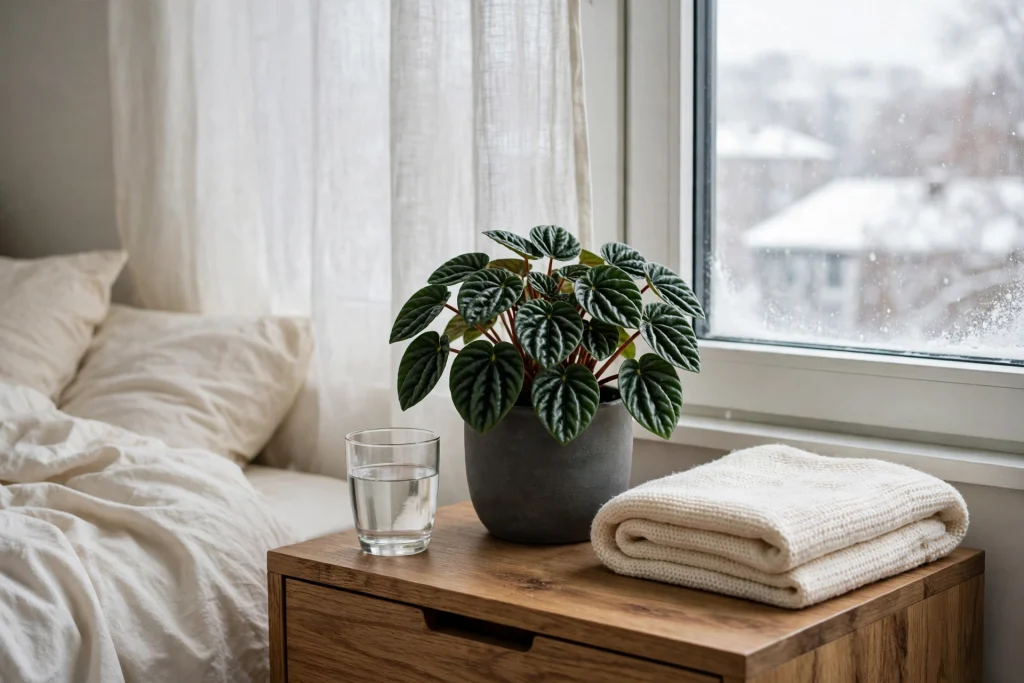
Honestly, plants with interesting leaves can look this quilted and cheerful. Its heart-shaped leaves are deeply furrowed and dark green, with a cozy stitched look. Height reaches up to 8 inches, so a nightstand works well. Medium light, like sun filtered through a thin curtain, suits it best. Let the soil dry between waterings, and keep it from staying wet so roots stay happy. Dry heated winter air is easier here because medium to low humidity suits it happily. A calm spot back from cold glass keeps it happily away from drafty corners. The ASPCA lists this exact species as non-toxic to cats and dogs, a lovely pet-home plus.
One tip: use a porous, well-draining potting soil in a pot with drainage holes because this plant is susceptible to root rot.
2. Nerve Plant (Fittonia albivenis)
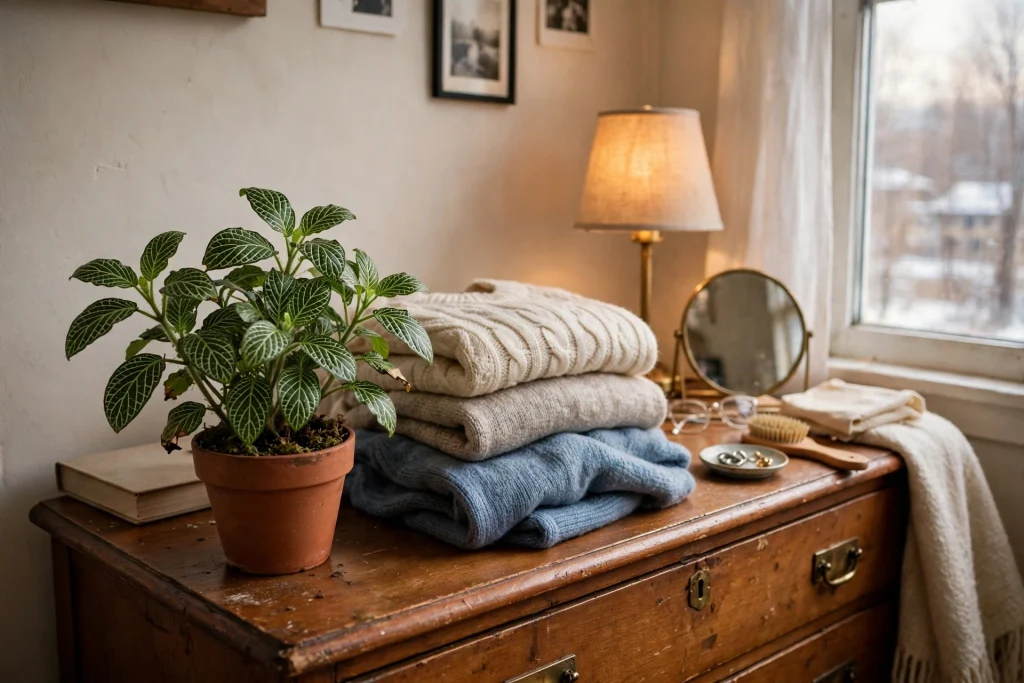
Tiny leaves bring cheerful color to a cozy dresser corner. Green leaves carry white, pink, or red veins in a pattern. Plants stay fairly small and low-growing in a pot, so the look stays sweet. Bright to medium light suits it beautifully, with shade from direct sun that can scorch the leaves. Calm air and soft light help leaves stay fresh, since dry air, drafts, and direct sun can make leaves shrivel and fall off. Water about two times a week, then adjust if the soil stays soggy. Pinching the stems may keep the plant bushy and full. Shallow roots mean a small pot is enough for a dresser corner.
One tip: water a wilted dry plant when the soil is dry, since it can come back after getting a drink and look cheerful again.
3. Peacock Plant (Goeppertia makoyana)
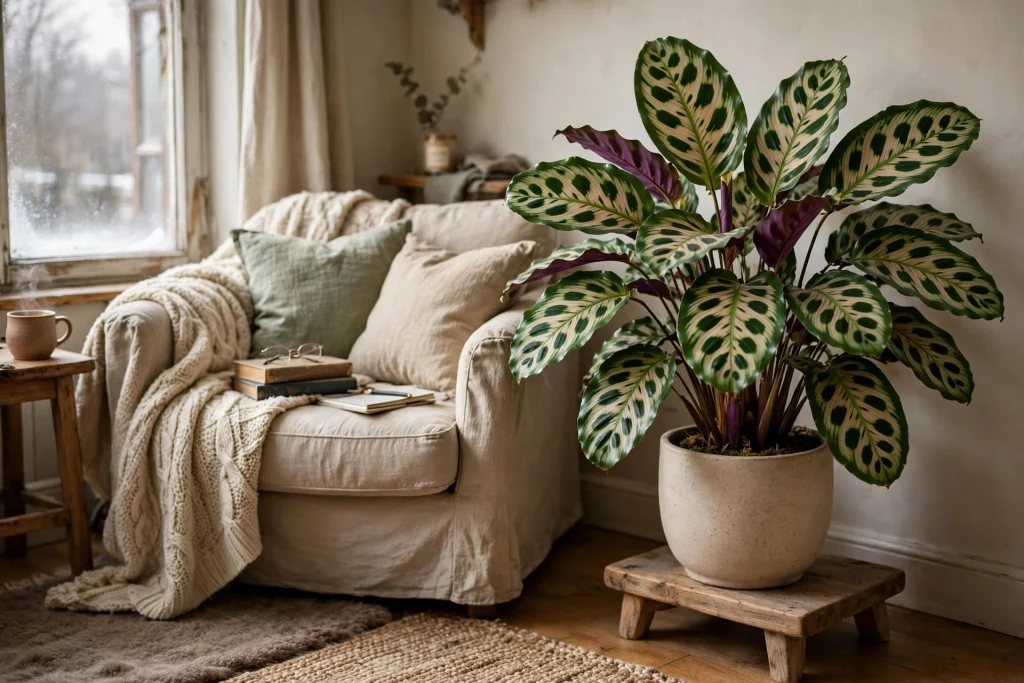
Lovely feather patterns make this cheerful plant a sweet joy. Egg-shaped leaves show green spots with cream feathering and purple undersides. Happy clumps reach 1 to 2 feet tall and 8 to 12 inches wide. Bright, indirect light or partial shade fits a cozy bedroom corner away from harsh glass. Moist soil, never wet or soggy, keeps roots calm and happy. Humidity near 60 percent is the winter target for leaves. Temperatures between 65 and 75 degrees Fahrenheit suit it best. Foliage folds up in the evening and reopens cheerfully at sunrise. Distilled water is safer because tap water fluoride can brown the leaves. Your corner feels calm and alive.
One tip: wipe dusty leaves gently with a damp clean soft cloth as needed, since dust can slow down photosynthesis and clean leaves look fresh, bright, and lovely.
4. Chinese Money Plant (Pilea peperomioides)
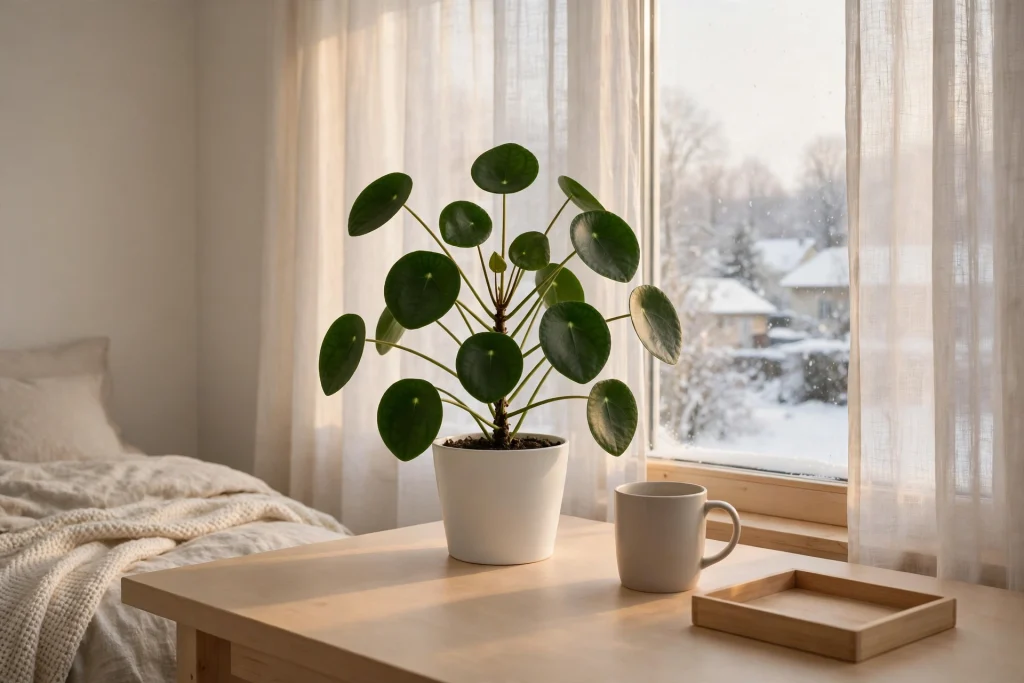
Cheerful round leaves on long stems look like tiny green coins in your cozy bedroom. Each stem attaches at the center of the leaf, giving every round leaf a sweet floating look. Plants usually grow about 8 to 12 inches tall and equally wide. Bright, indirect sunlight is the sweet spot for a cozy dresser or shelf. Moist, well-drained potting mix suits roots best. Average home humidity is tolerated, even though moderate to high humidity is preferred. A cozy spot away from cold drafts and heat sources suits winter days. Leggy growth results from inadequate light, so a brighter corner helps the plant stay neat, fresh, and cheerful.
One tip: water the soil at the base of your plant, not the leaves, because wet foliage can result in leaf spots and dry leaves stay prettier and happier.
5. Earth Star (Cryptanthus bivittatus)
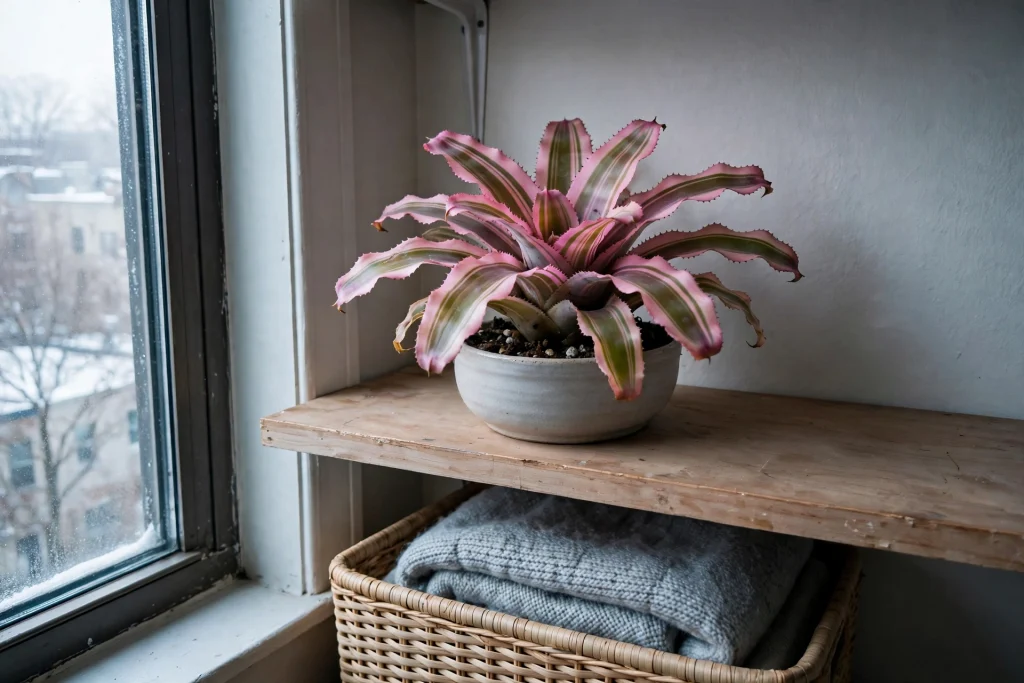
Lovely flat rosettes spread like cheerful stars close to soil. Strap-shaped leaves have wavy, toothed edges with pale green or pink stripes on mature rosettes about 12 inches across and up to about 4 inches tall. Bright, filtered light suits a cozy corner away from cold glass. Gentle light keeps color fresh, since excess shade can dull it. Soft morning light is kinder because midday sun can bleach and shrivel leaves. Well-drained, humus-rich soil suits this ground-growing bromeliad. Water at the root zone when soil feels dry to the touch. Moderate to high humidity should be maintained for a happy rosette. Winter watering should be sparing, keeping care easy.
One tip: divide offsets when they reach about one-third the size of the adult plant, then pot each pup in its own container for a cheerful, happy new star.
6. Sweetheart Hoya (Hoya kerrii)
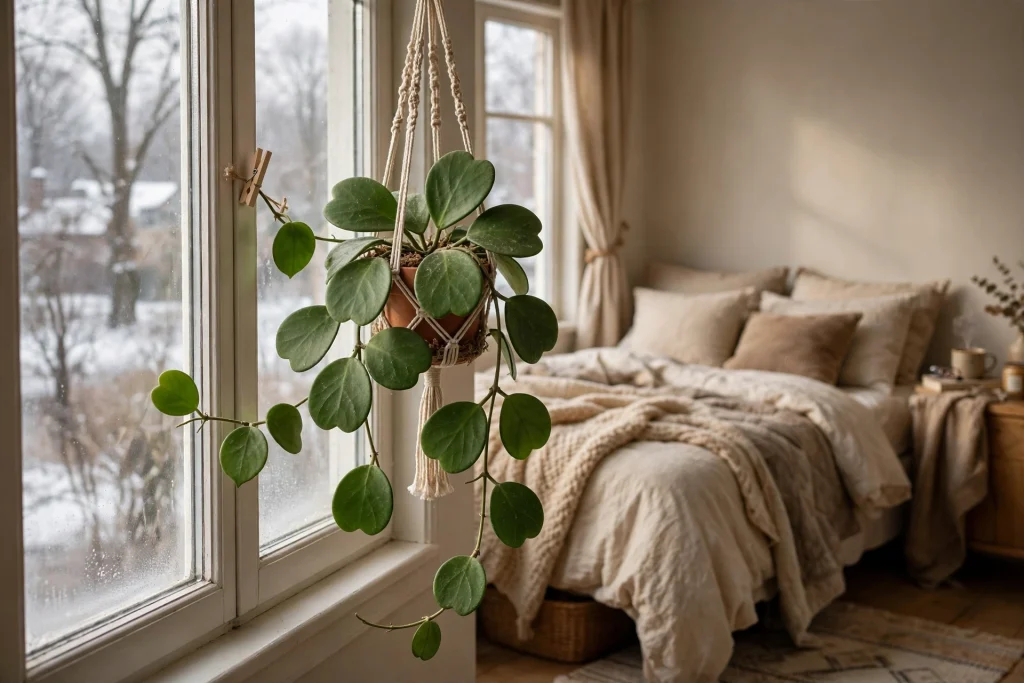
Sweet heart-shaped leaves make this lovely plant look like a tiny valentine in your cozy bedroom. Bright, indirect light and warm, humid air suit it best in a calm bedroom corner. Temperatures between 65 and 80 degrees Fahrenheit are ideal and cozy for calm, happy growth. Cozy warmth helps because lower temperatures can slow growth and flowering. Gentle drainage keeps roots calm because the plant should dry somewhat between waterings. Room-temperature water is safer, since cold water can shock the plant. Single rooted leaves are often sold, yet growth is unlikely without stem tissue. Slow vines happily need room to trail cheerfully from hanging containers or climb a support.
One tip: leave long bare twining stems alone, because those stems come before new leaves or flowers on your plant and patience keeps the display sweet, calm, and happy.
7. Zebra Haworthia (Haworthiopsis fasciata)
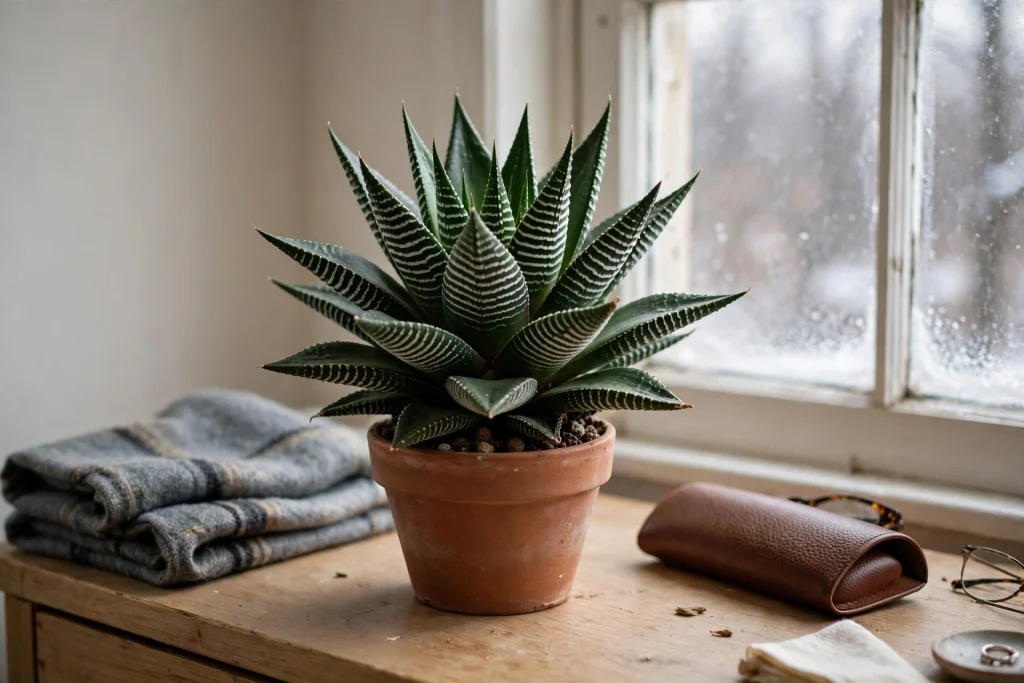
Fresh raised white stripes on stiff dark green leaves look painted on, adding cheerful charm. Tight rosettes reach 4 to 6 inches tall and equally wide. Bright indirect light is preferred, though lower light is somewhat tolerated. Well-draining cactus or succulent mix suits this small succulent. Soil should dry out completely between waterings for calm roots. Indoor temperatures of 60 to 80 degrees Fahrenheit are happily well tolerated. A steady, cozy spot away from sudden temperature changes and cold drafts keeps it content. Fading leaf patterns can signal inadequate light, so a brighter shelf keeps it fresh and lovely. Gentle watering helps because excessive watering can cause root rot.
One tip: feel the upper leaf surface before buying, since true fasciata is smooth there, with raised stripes on the outer surface and a neat, cheerful painted look.
8. Polka Dot Plant (Hypoestes phyllostachya)
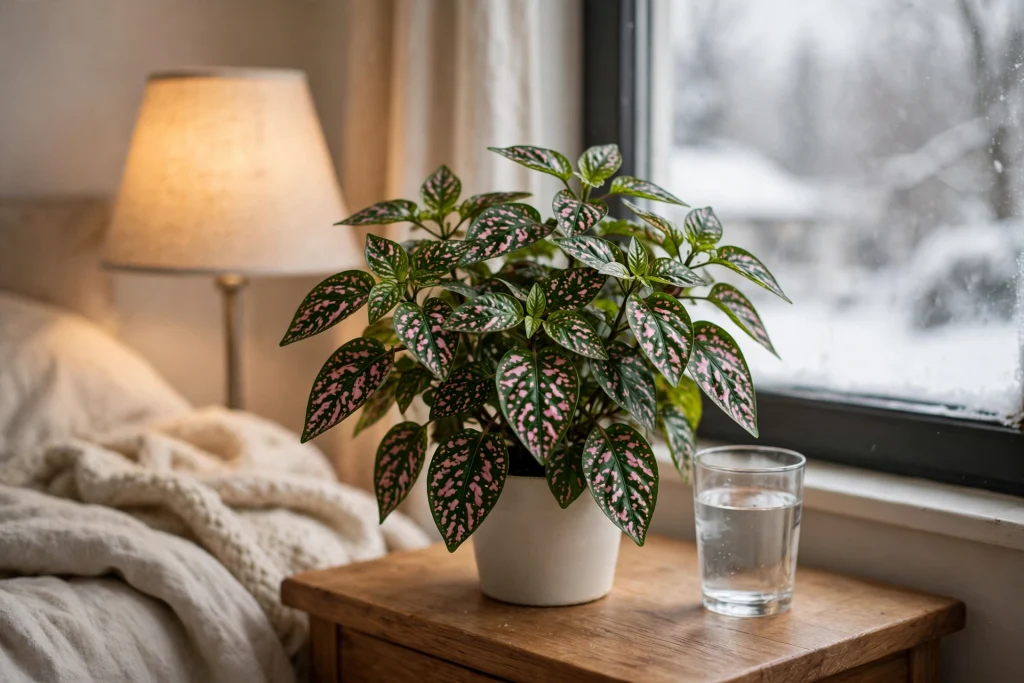
Cheerful pink spots on green leaves make this plant look sweetly freckled. Leaves can also show rose or white splotches. Bright, filtered lighting gives the best indoor color, keeping your bedside fresh and happy. Gentle light keeps leaves smooth, since excess direct sunlight can crinkle and curl leaves. A brighter corner helps because low light can fade leaves and make growth leggy. Pinching back leggy plants can keep growth compact. Cutting off blooms can send more energy to foliage. The ASPCA lists this species as non-toxic to cats and dogs, a pet-home plus. Plants form low clumps to about 12 inches tall, and the soil surface should dry before watering.
One tip: place a small stem cutting in water in a bright spot, and roots will soon begin to form for a cheerful, happy, cozy new plant.
9. Inch Plant (Tradescantia zebrina)
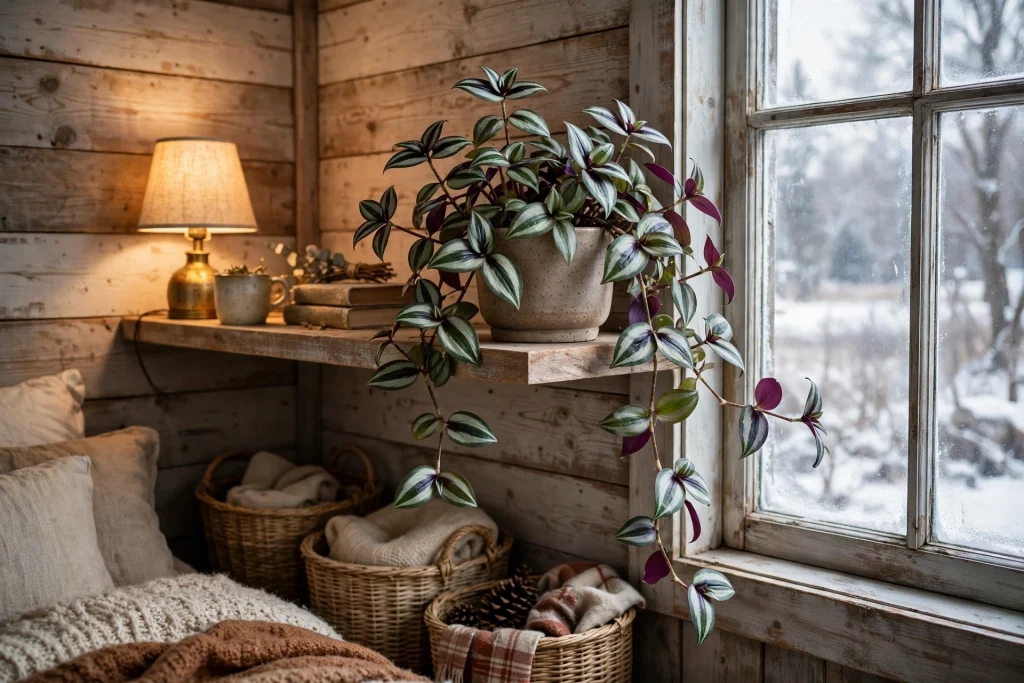
Lovely silver and white stripes run along green leaves with purple undersides, adding cheerful color to your shelf. Trailing stems root at nodes as they grow. Filtered sun and average room temperatures suit it best. A brighter spot helps because low light can cost lower leaves and fade color. Water regularly, but let soil dry out between waterings. Winter watering should be reduced during the colder months. Temperatures between 65 and 75 degrees Fahrenheit are ideal. Safe placement away from chewing pets is best, since eating it can irritate the mouth and stomach and sap can irritate skin. Trimming keeps this creeper contained and promotes denser, happier foliage.
One tip: give stems room and keep leaves dry when watering, since overcrowding or wet leaves can lead to leaf spot and cozy, airy stems look fresher and happier.
10. Alocasia Polly (Alocasia × amazonica ‘Polly’)
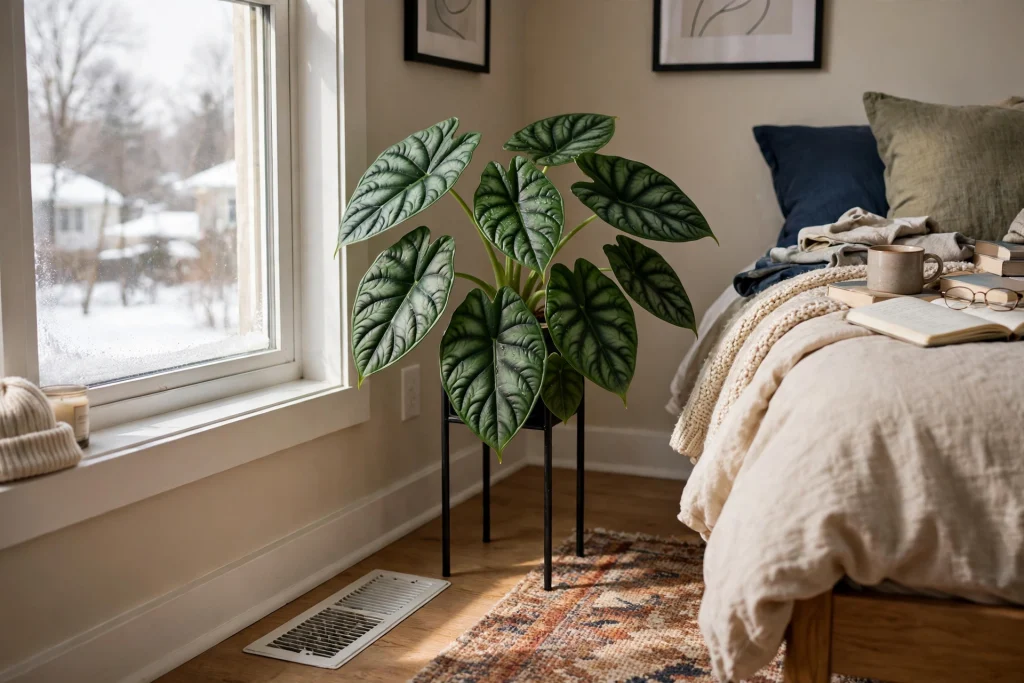
Bold shield-shaped dark green leaves carry silvery green veins in a fresh, cheerful display for your cozy corner. Maximum height and spread are about 4 to 20 inches. Bright, indirect sunlight suits it, with gentle shade from direct sun that can scorch leaves. Moist, well-drained soil matches its warm, humid needs happily. Air temperatures should not drop below 60 degrees Fahrenheit. High humidity suits this plant in heated winter rooms. Watering should be reduced gently during winter indoors. A calm, cozy corner away from pets is safest because all parts of this plant are toxic. Gentle watering keeps roots happy because overwatering may cause root rot and bacterial stem rot.
One tip: monitor your plant for spider mites, mealybugs, and aphids, since those pests should be watched for on this plant and early care keeps leaves happy, fresh, and lovely.