1. Cast Iron Plant
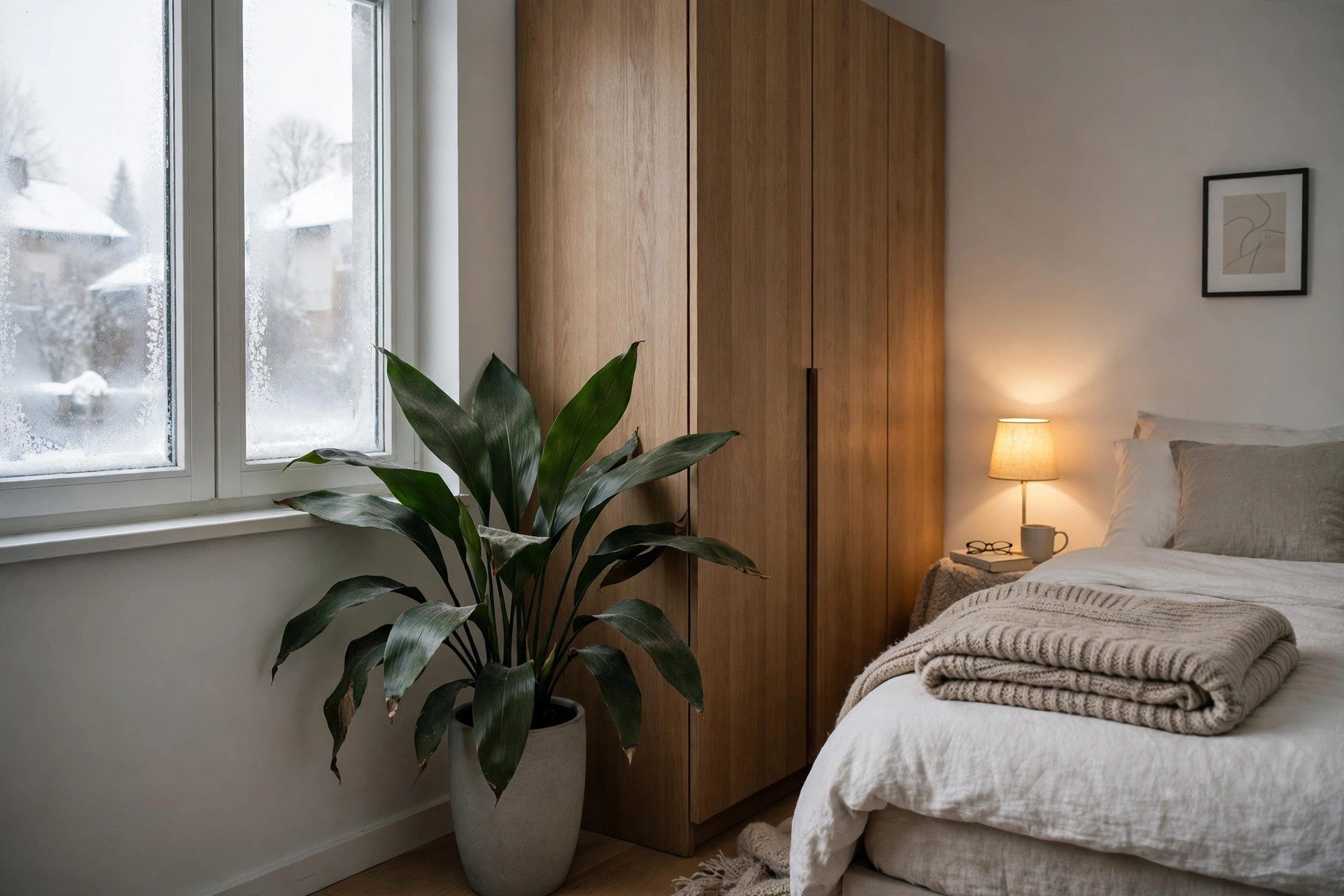
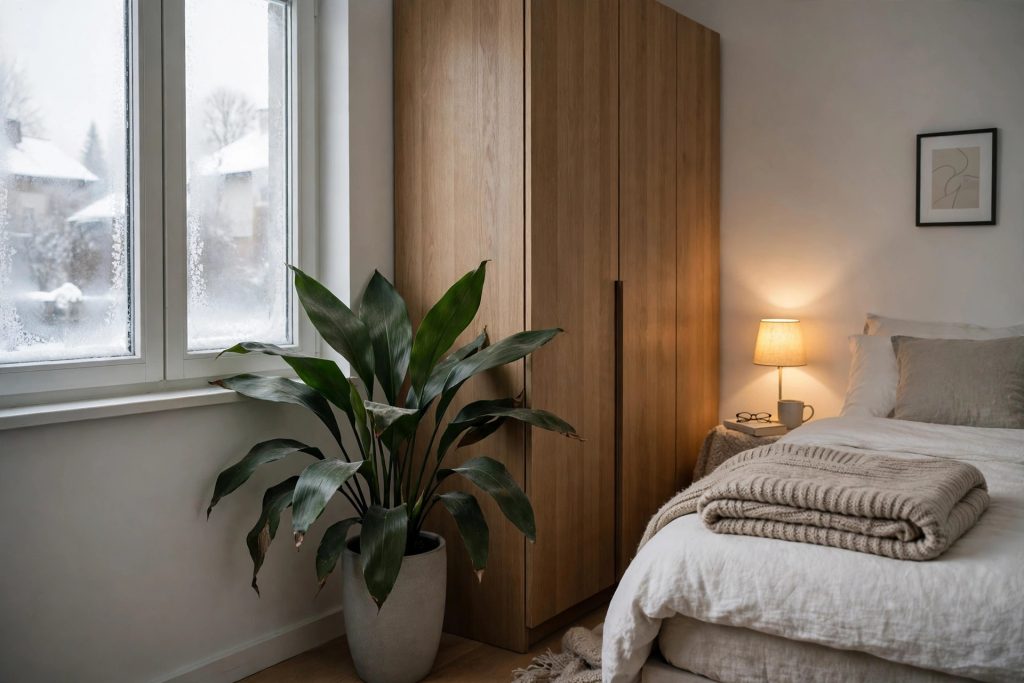
Okay, so here’s the thing. Cast iron plants earned their name by thriving in spots where most plants would need a pep talk, and honestly, that is the whole point. Their broad, gorgeous, dark green leaves rise in a slow, upright clump about 1 to 3 feet tall and wide. Low light suits them best, and gentle light keeps the leaves happy, so a north-facing corner is a lovely little home for them. Water sparingly in winter, since dry soil keeps the roots happiest between waterings. Slow growth means one plant holds its lovely shape beautifully for years. The ASPCA lists cast iron plants as non-toxic to cats and dogs.
One tip: wait until the top few inches of soil feel nicely dry, since this plant stays happiest with a little less water in winter.
2. ZZ Plant
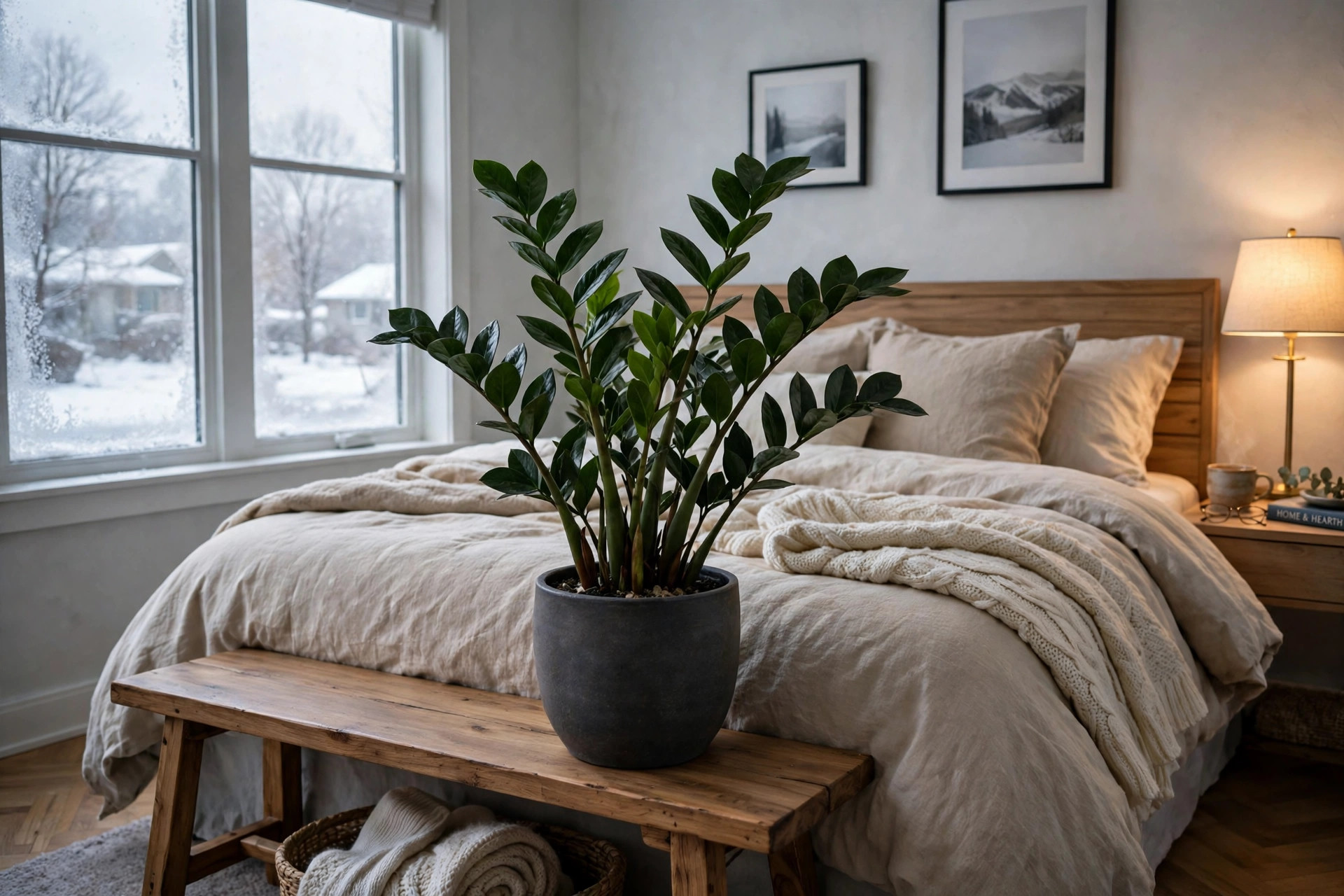
Seriously, the ZZ plant is the low-maintenance friend every dim winter bedroom adores, and it asks for almost nothing. Thick underground rhizomes store water for weeks, so missed waterings never faze it. Glossy, dark green leaflets grow on upright stems that reach 2 to 4 feet tall and wide, though indoor growth stays happily slow. Bright indirect light keeps it happiest, yet it tolerates very low light, even under fluorescent lights. Water only when the mix feels dry, and in winter once a month is plenty. The ASPCA lists ZZ plants as toxic to cats and dogs, so a high spot keeps curious pets safe and happy.
One tip: check the soil with a finger before every watering, since this plant stays happiest when the mix dries out first.
3. Snake Plant
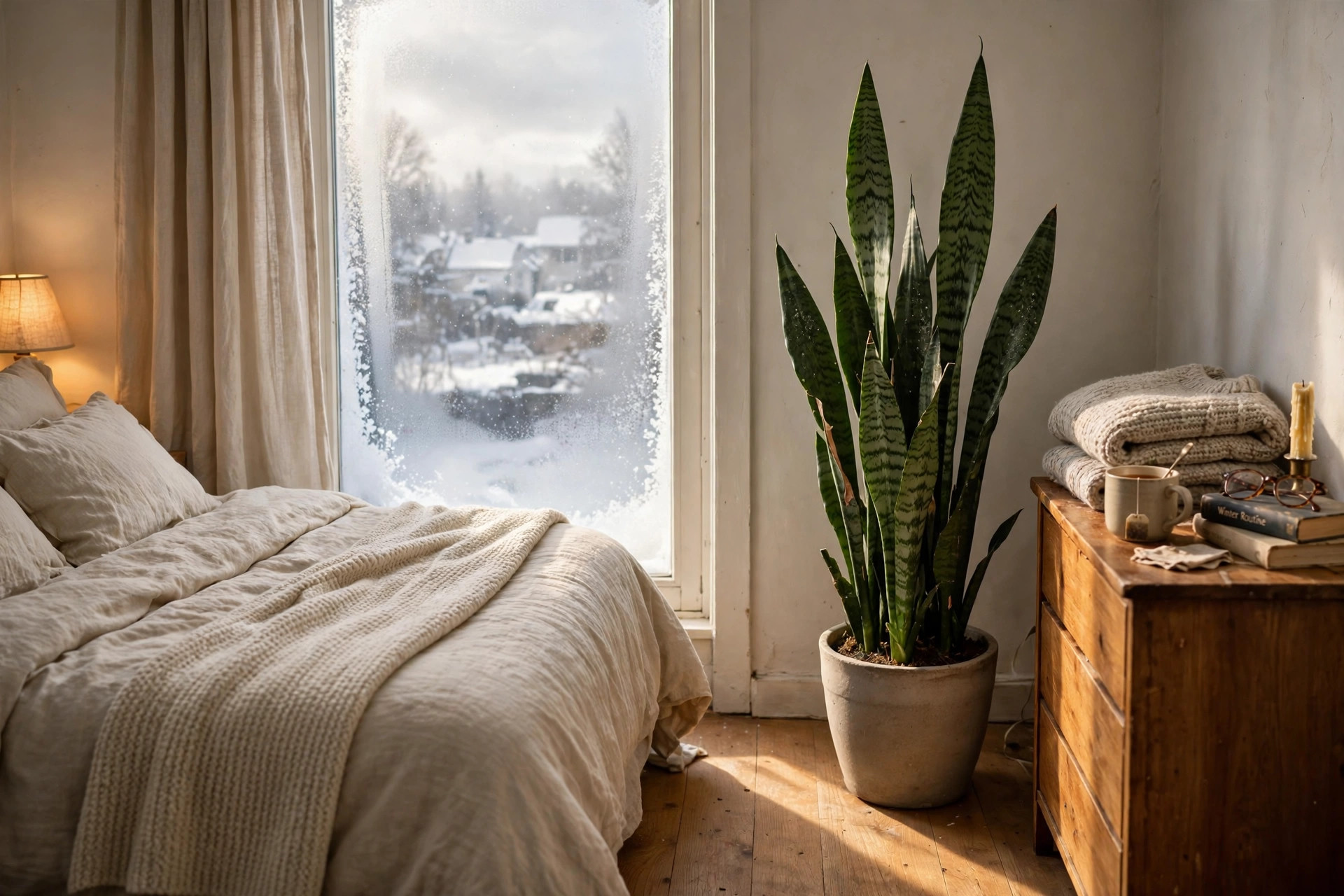
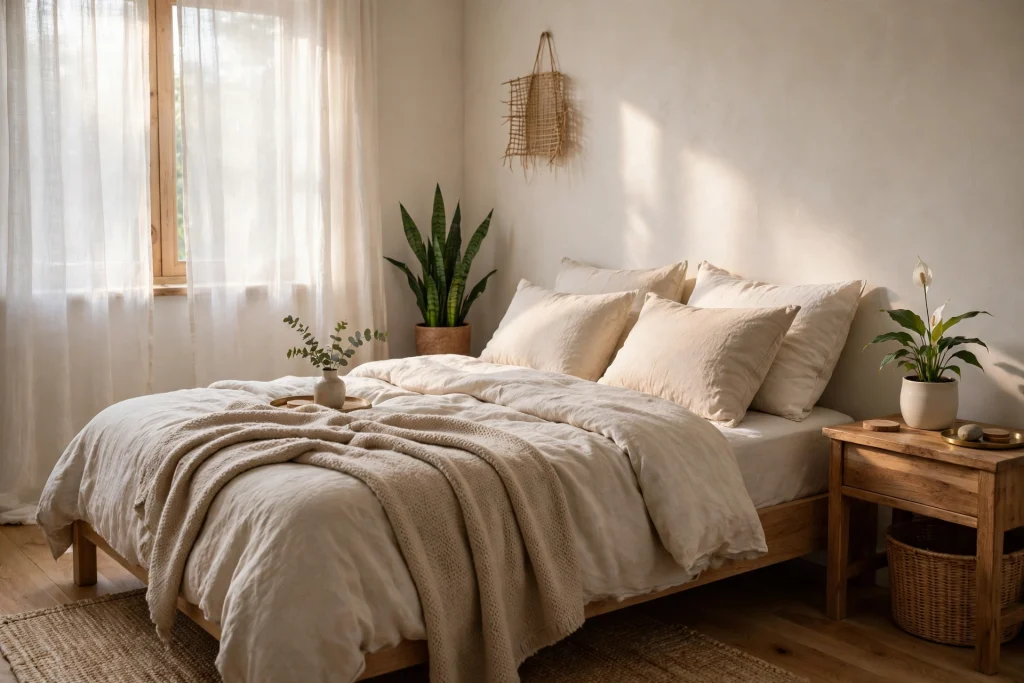
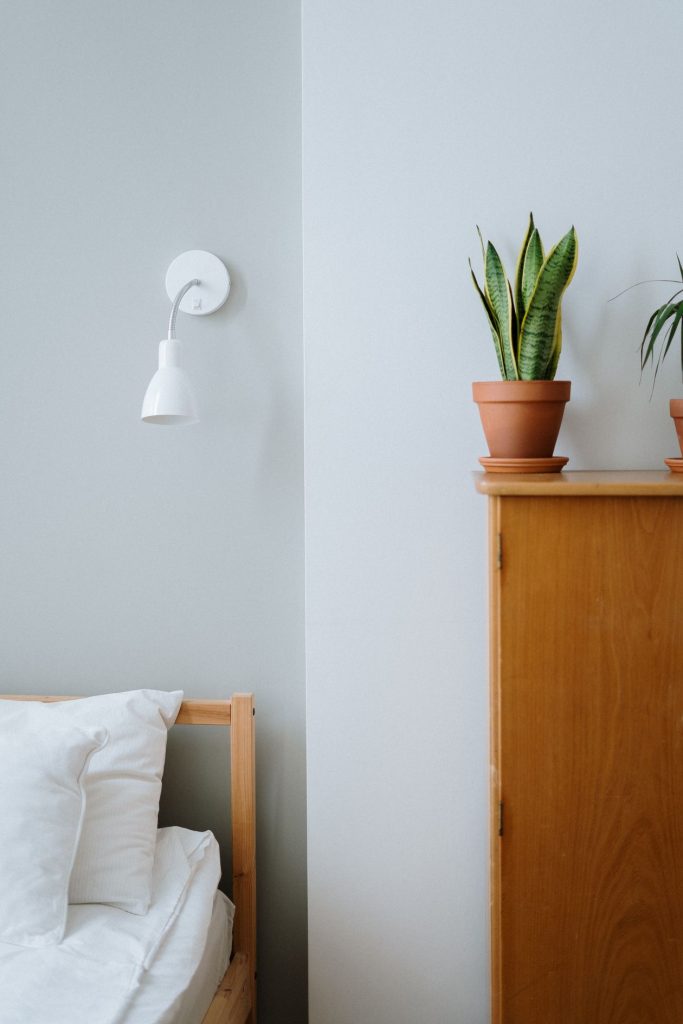
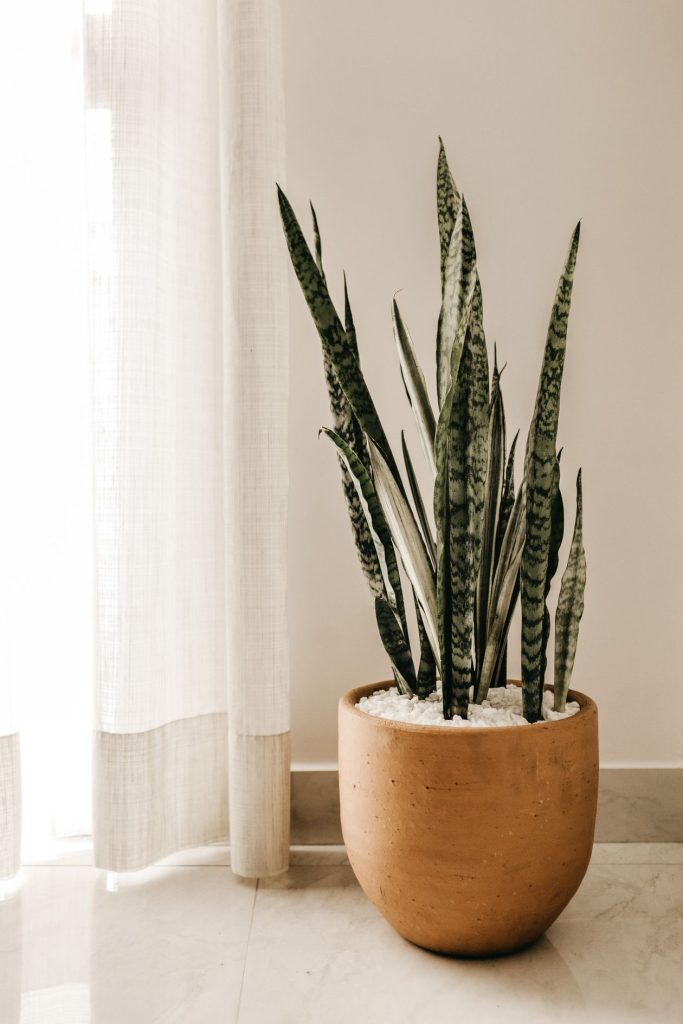
Snake plants are the classic answer for a dim bedroom corner, and they look absolutely gorgeous doing it. Bold, upright leaves grow straight up, so one plant turns an empty corner into a beautiful green accent without taking floor space. Most indoor snake plants reach 2 to 4 feet tall, while the dwarf Hahnii type stays adorably shorter. Bright indirect light suits them best, yet they happily tolerate very low light too. Let the soil dry out between waterings, and in winter one watering every month or two is plenty. Keep the pot in a warm, high spot, since the ASPCA lists snake plants as toxic to cats and dogs.
One tip: rotate the pot a quarter turn every few weeks, since the leaves lean toward the light and a quick spin keeps the plant straight and happy.
4. Chinese Evergreen
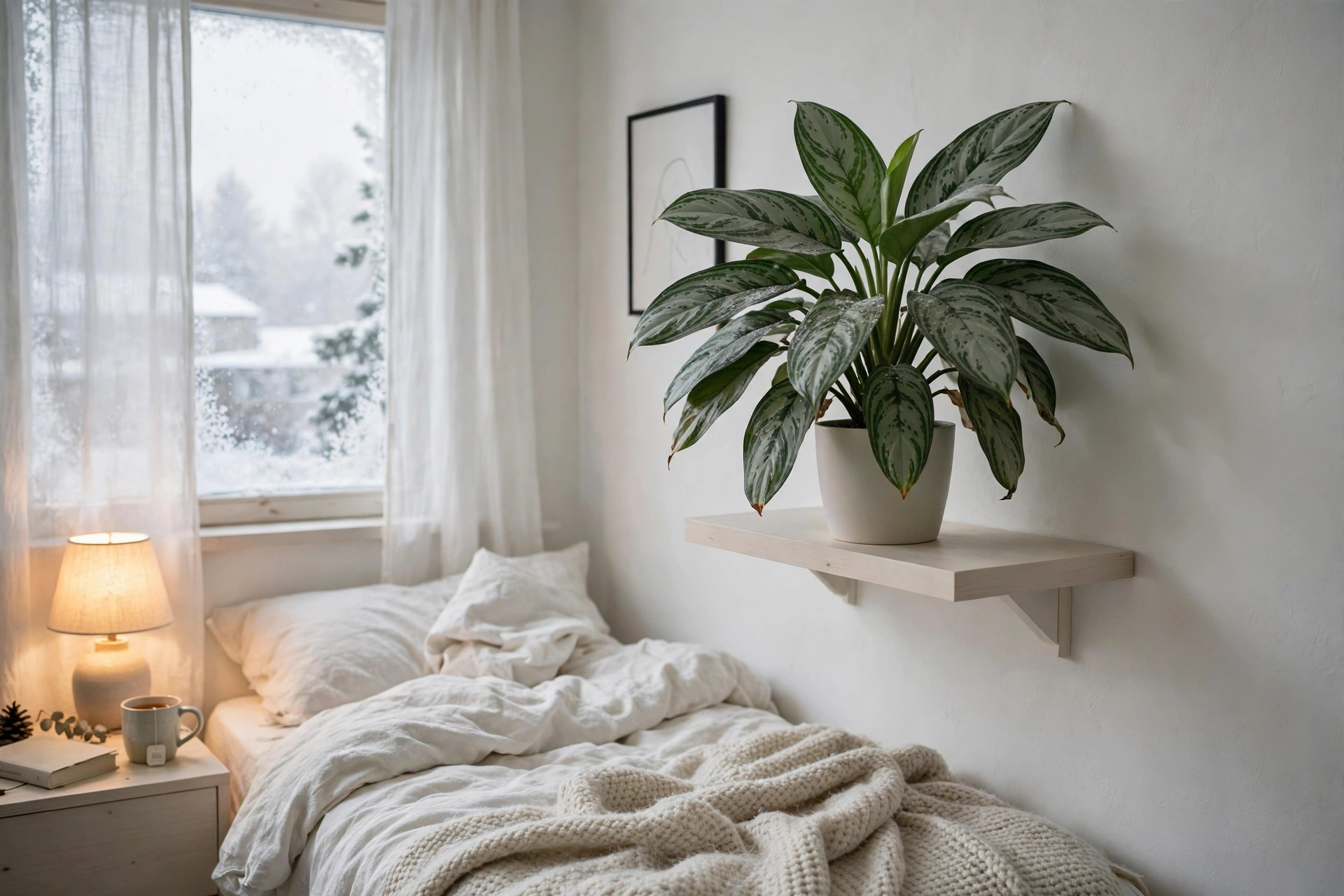
Of course, few plants rock a dim bedroom as beautifully as the Chinese evergreen, which totally earns it a spot here. Broad, gorgeous silver-patterned leaves form a clump about 1 to 3 feet tall and wide, and growth stays happily slow. Solid green types love low light best, while variegated types keep their gorgeous color in brighter light. Water when the top 1 to 2 inches feel dry, and water less in winter. Warm air keeps it happiest, so keep it above 55 degrees in a warm, cozy corner. The ASPCA lists Chinese evergreens as toxic to cats, dogs, and horses, so a high shelf keeps pets safe and happy.
One tip: wipe the broad leaves with a damp cloth every few weeks, since clean leaves catch more lovely light and stay gorgeous in a dim room.
5. Heartleaf Philodendron
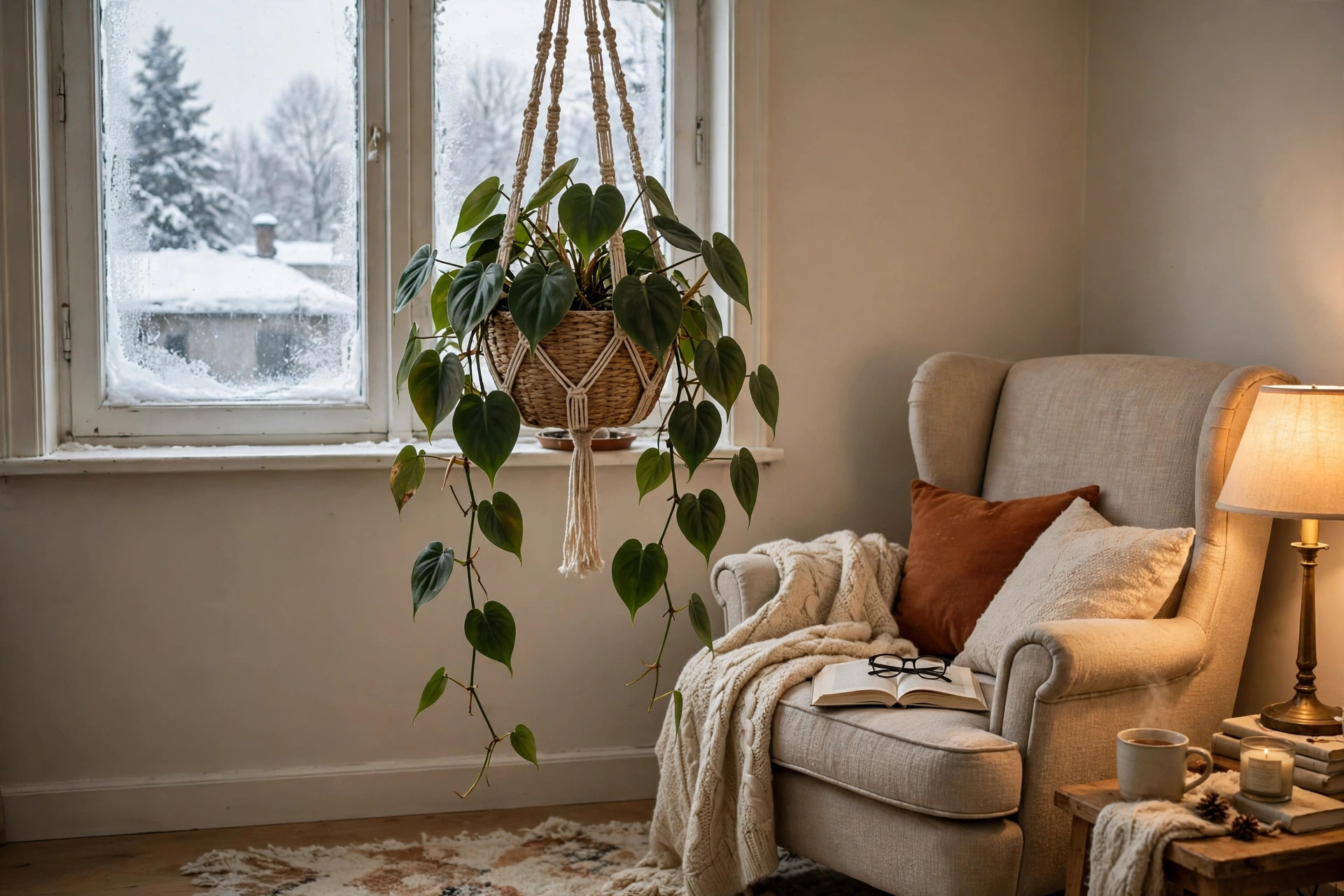
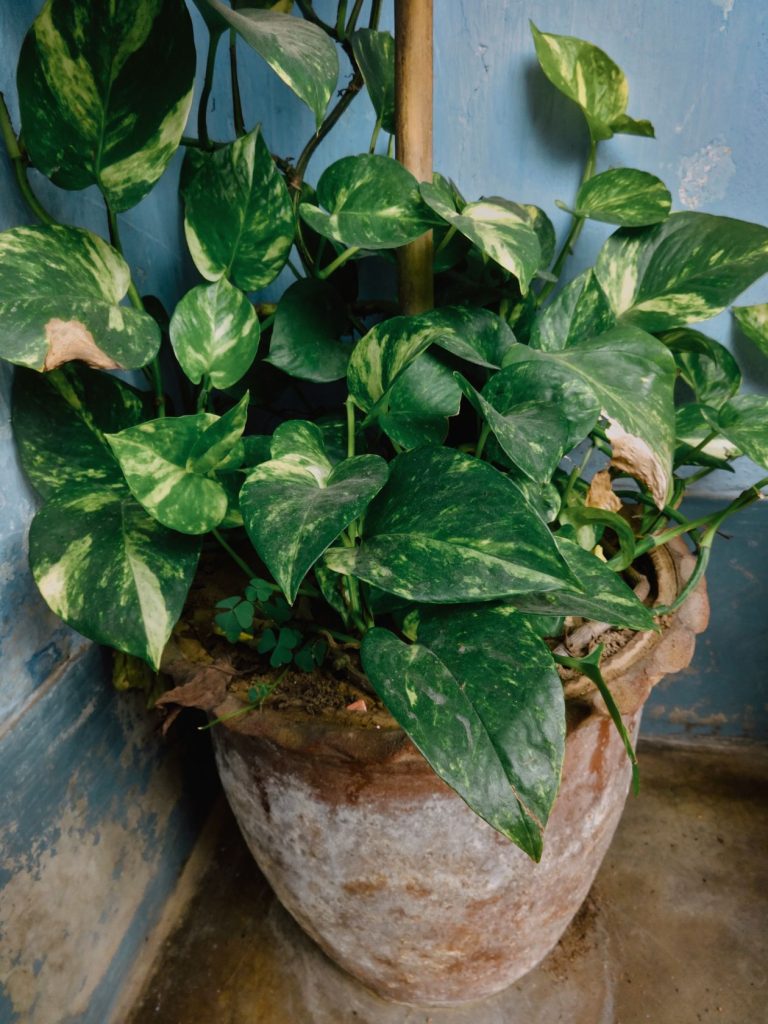
I mean, heartleaf philodendrons turn an empty wall into a gorgeous, lush green curtain, and they ask for no floor space at all. Glossy, heart-shaped leaves trail on vines that can reach 4 feet or more, so one basket brightens a corner fast. Medium light makes them happiest, yet they love low light better than most trailing plants. Let the top inch of soil dry before you water, and water less in winter. Gentle light keeps the leaves happiest, so keep the plant above 59 degrees in a soft, cozy spot. The ASPCA lists heartleaf philodendrons as toxic to cats, dogs, and horses, so hang it high, keeping pets safe.
One tip: pinch back the longest vines in spring, since a quick trim keeps the plant full, bushy, and happy all season long, which is honestly delightful.
6. Dracaena ‘Janet Craig’
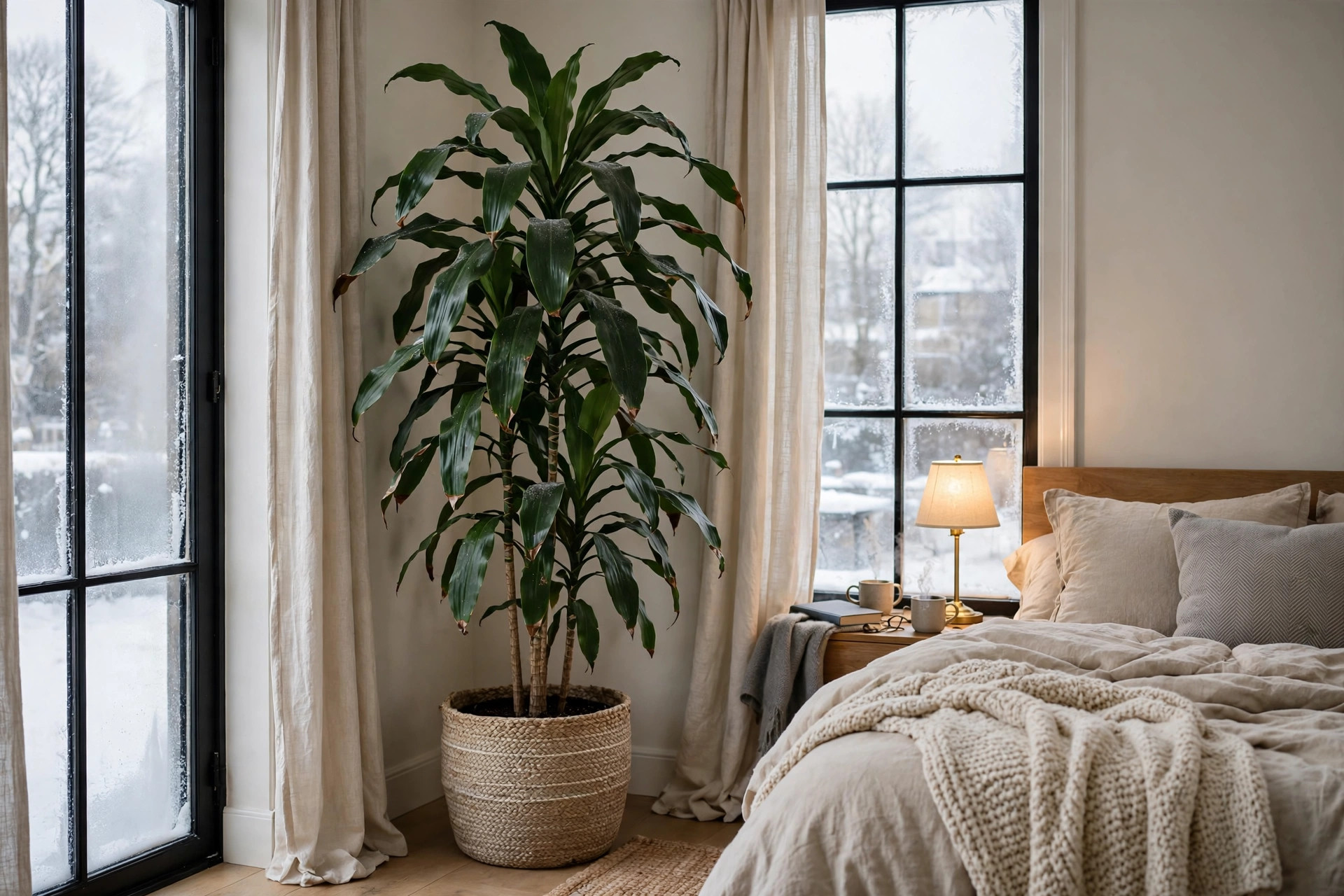
Janet Craig dracaenas are the superstars of dim rooms, and offices have loved them for decades. Wide, gorgeous, glossy green leaves arch from thick stems, and indoor plants reach 4 to 6 feet tall. Low to medium indirect light makes them happiest, and gentle light keeps them happy. Water when the top inch of soil feels dry, and water less in winter. Warm air keeps it happiest, so keep it above 60 degrees, cozy and draft-free. Filtered water keeps the leaf tips fresh, and it keeps the tips lovely every time. The ASPCA lists dracaenas as toxic to cats and dogs, so a high spot keeps pets safe and happy.
One tip: switch to filtered or distilled water for happy, healthy leaf tips, since tap water fluoride is the usual cause, and your plant will thank you.
7. Parlor Palm
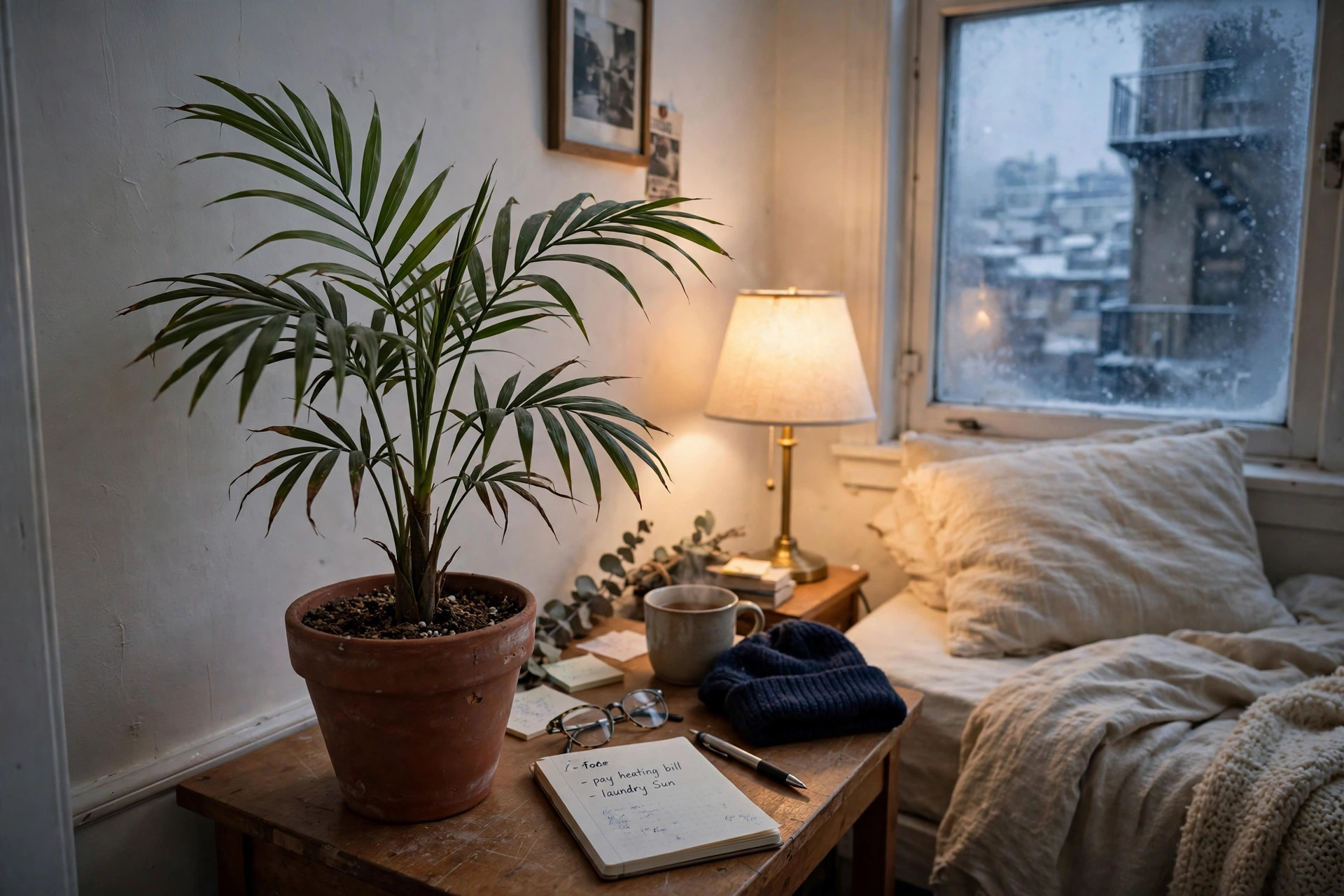
A parlor palm turns a plain desk into a lovely little tropical corner, and it asks for almost nothing in return. Soft, feathery fronds grow slowly, so young plants stay 1 to 2 feet tall for years, while mature clumps reach about 4 feet. Bright indirect light suits it best, yet it happily tolerates low light better than most palms, even a dim desk corner. Water when the top of the soil feels dry, and water less in winter. Humidity keeps the leaf tips fresh, so check under the fronds often in heated rooms. The ASPCA lists parlor palms as non-toxic to cats and dogs, so pets can sniff safely.
One tip: mist the fronds lightly on dry winter mornings, since a little moisture keeps the leaf tips fresh, lovely, and happy.
8. Prayer Plant
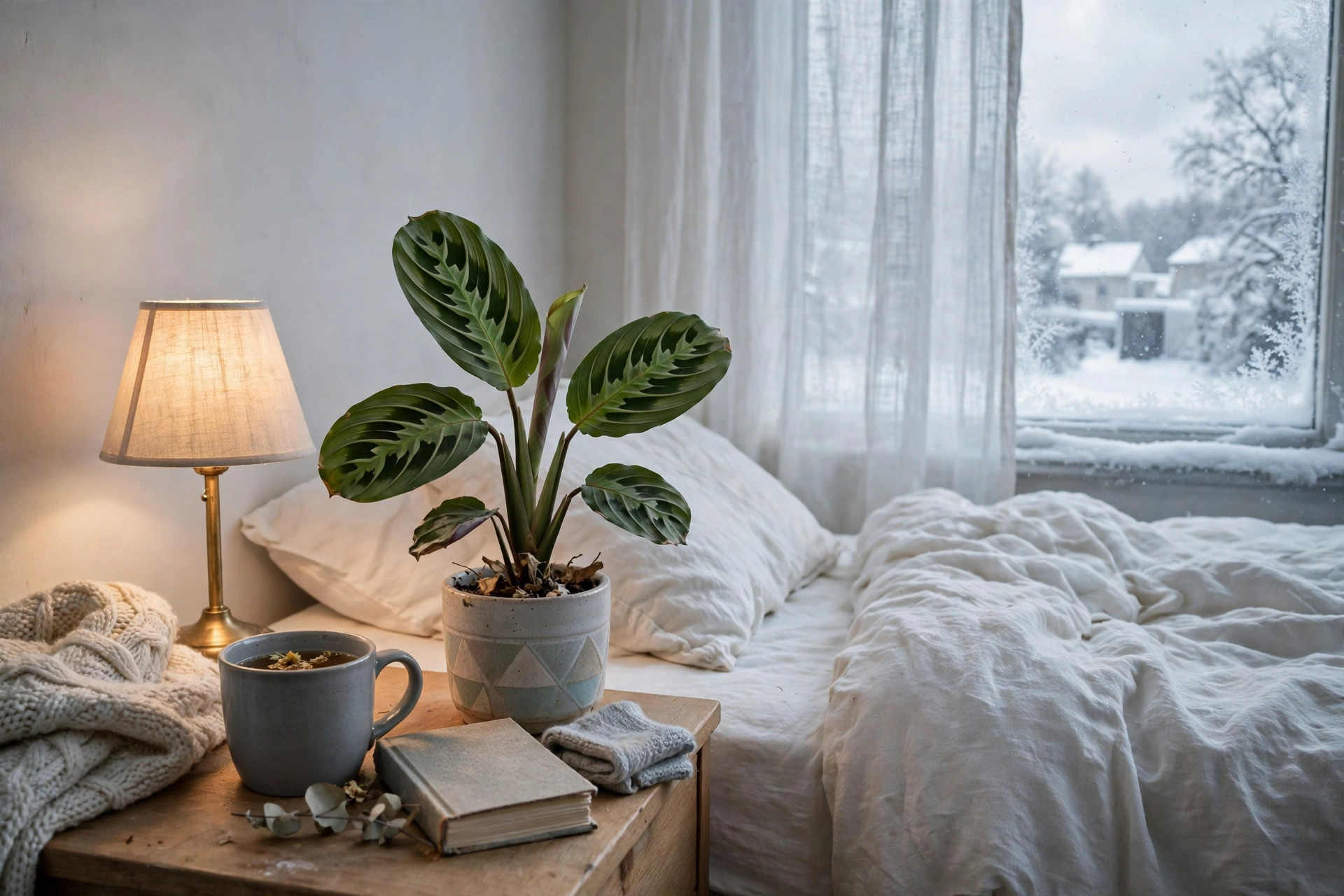
Okay, so here’s the thing. Prayer plants fold their leaves up nightly like hands in prayer, the best party trick in the plant world. Patterned oval leaves spread sideways on a low plant, 6 to 12 inches tall, up to 2 feet wide. Bright indirect light keeps the markings vivid, though it happily tolerates low to medium light, and gentle light keeps the leaves happy. Keep the soil evenly moist and the air humid, since humidity keeps the edges fresh. Steady warmth between 65 and 80 degrees suits it best, in a warm spot. The ASPCA lists prayer plants as non-toxic to cats, dogs, and horses, so pets stay safe.
One tip: set the pot on a pebble tray filled with water, since the extra humidity keeps the leaf edges smooth and happy through dry winter heating.
9. Nerve Plant
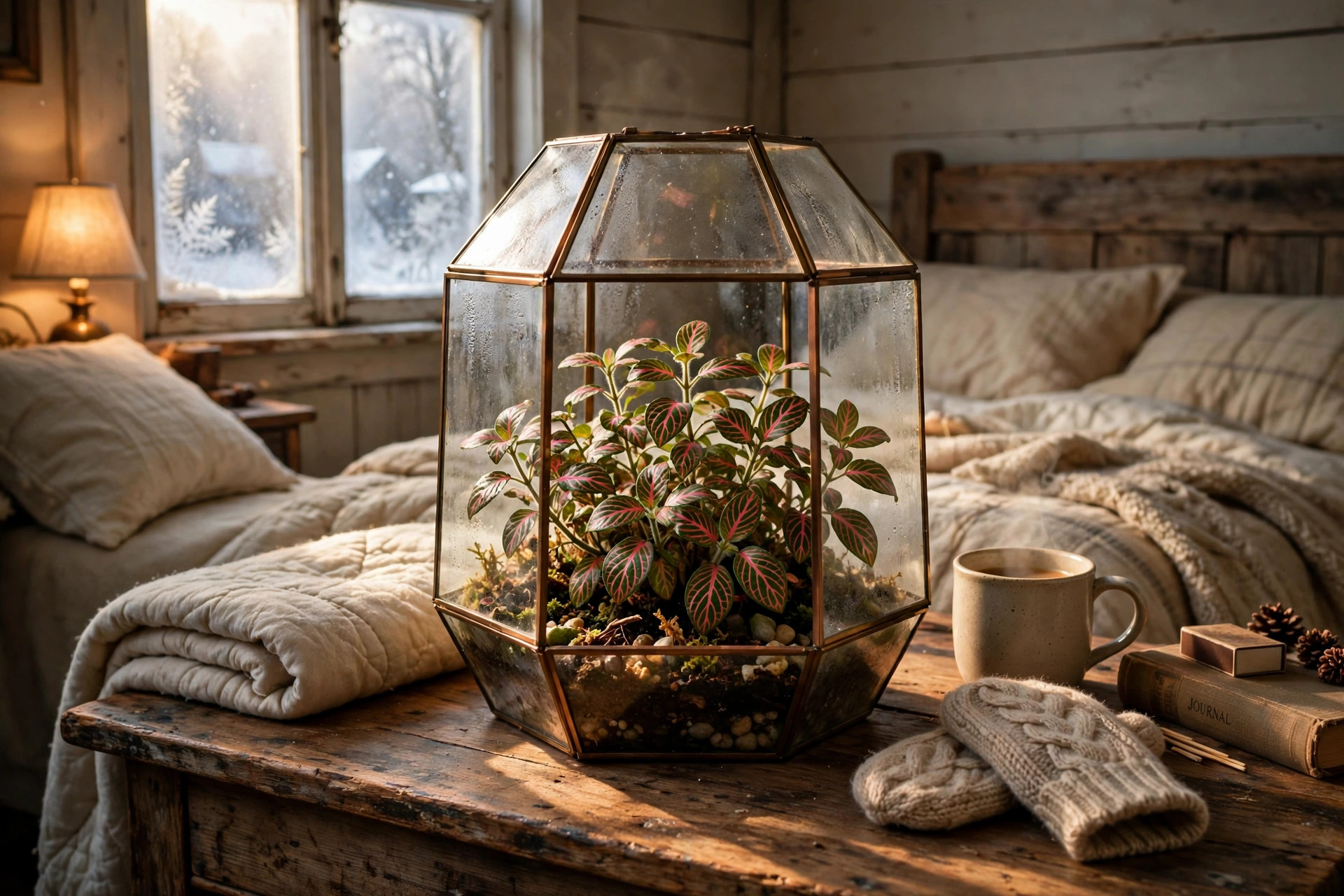
Seriously, nerve plants faint dramatically when they get thirsty, then bounce right back up after a drink, which makes them ridiculously fun to own. Tiny green leaves with bright, gorgeous pink, red, or white veins stay only 3 to 6 inches tall, spreading a lovely 12 to 18 inches wide. Low to medium indirect light suits them beautifully, and gentle light keeps the vein colors bright. Keep the soil evenly moist and the humidity high, since happy humidity keeps the edges fresh and lovely. A glass terrarium holds the moisture they love. The ASPCA lists nerve plants as non-toxic to cats and dogs, so pets can sniff safely and happily.
One tip: water the moment the leaves start to droop, since a thirsty nerve plant perks up happily within half an hour of a good drink.
10. Lucky Bamboo
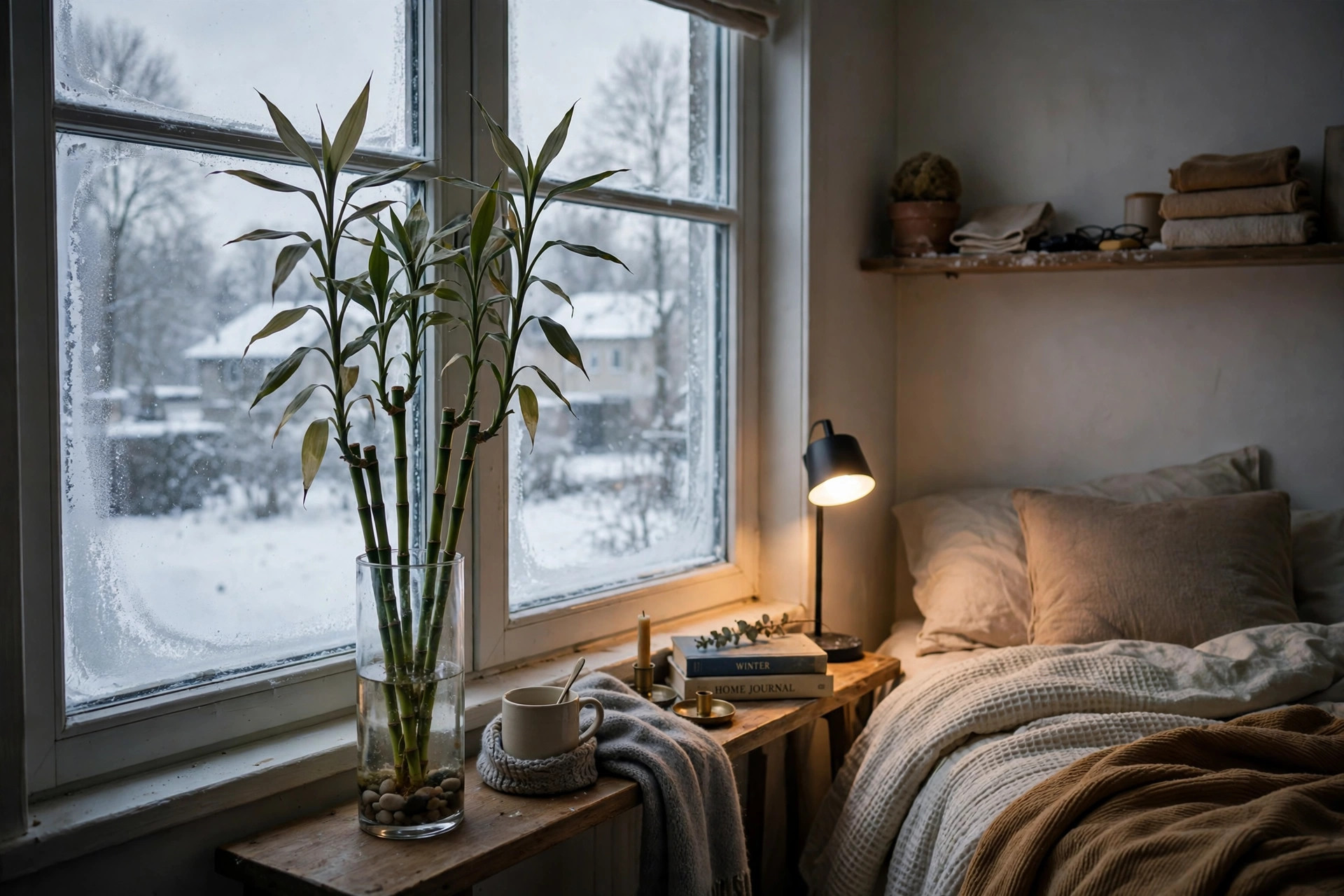
I mean, lucky bamboo is not bamboo at all, which delights most people. Slender green stalks with narrow leaves reach 1 to 3 feet tall indoors, and they grow happily in a vase of water with pebbles. Bright indirect light suits it best, yet it happily tolerates low light better than most plants, and gentle light keeps the leaves happy. Keep the water fresh and the stalks above 60 degrees, away from cold glass and heating vents. Filtered water keeps the leaves fresh, and fluoride-free water keeps them even happier. The ASPCA lists lucky bamboo as toxic to cats and dogs, so a high spot keeps pets safe and happy.
One tip: change the vase water every one to two weeks, since fresh, clean water keeps the roots happy and healthy.