1. Spider Plant
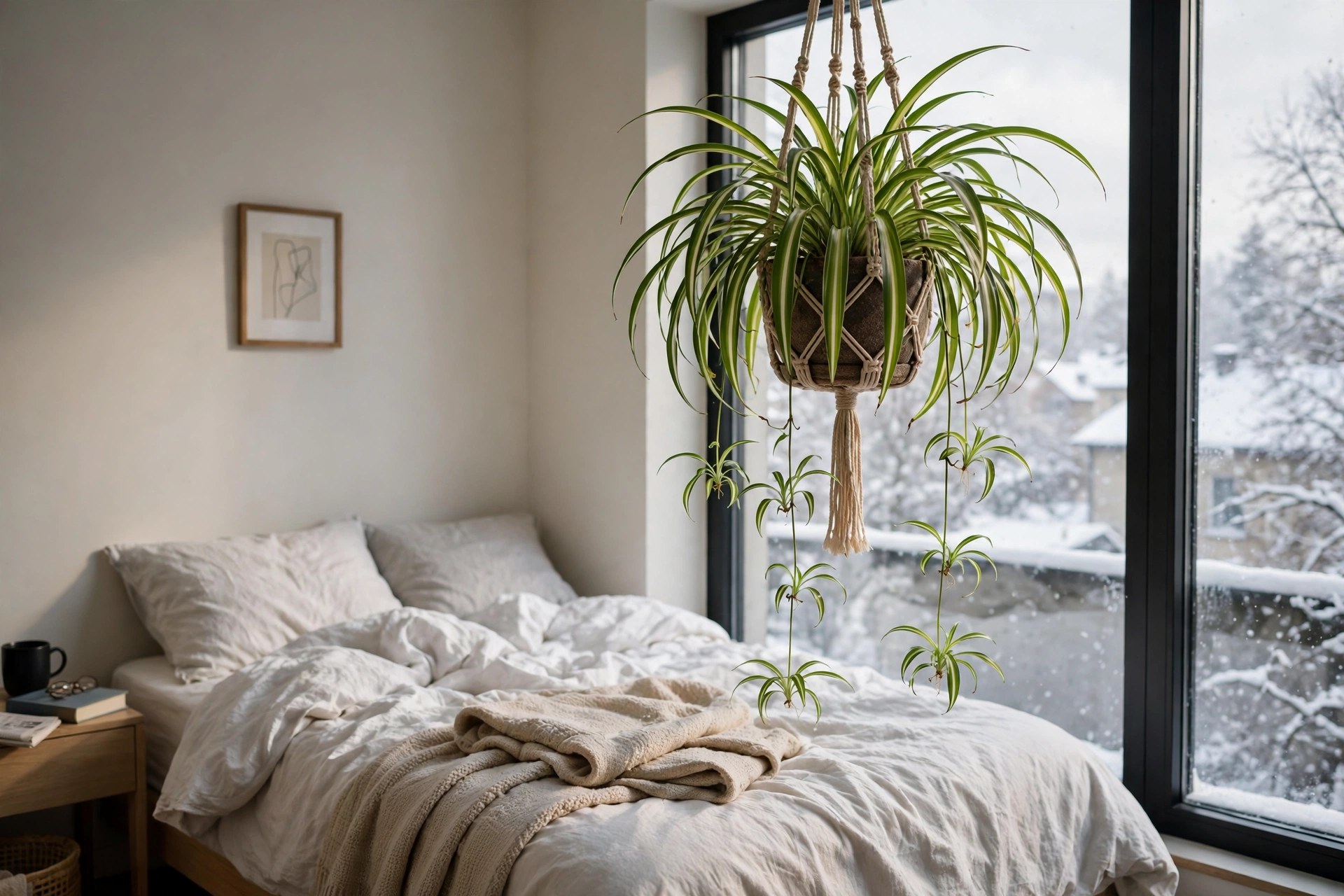
Spider plants are overachievers, and own it. Their striped leaves burst from the pot, and at 1 to 2 feet wide, one pot fills a hanging basket fast. In striped varieties, short winter days, given bright light, bring long stems tipped with baby plantlets, which means free plants! Medium to bright indirect light makes it happiest, though it tolerates lower light, and direct sun is too strong for pretty leaves. Dry air never bothers it, and fleshy roots forgive a missed watering, so water when dry. Keep it above 45°F, back from cold glass. The ASPCA lists spider plants as non-toxic to cats and dogs, wonderful news for pet owners.
One tip: snip a baby plantlet with root nubs off its stem and pot it up, since a free spider plant makes the loveliest gift ever.
2. Rubber Plant
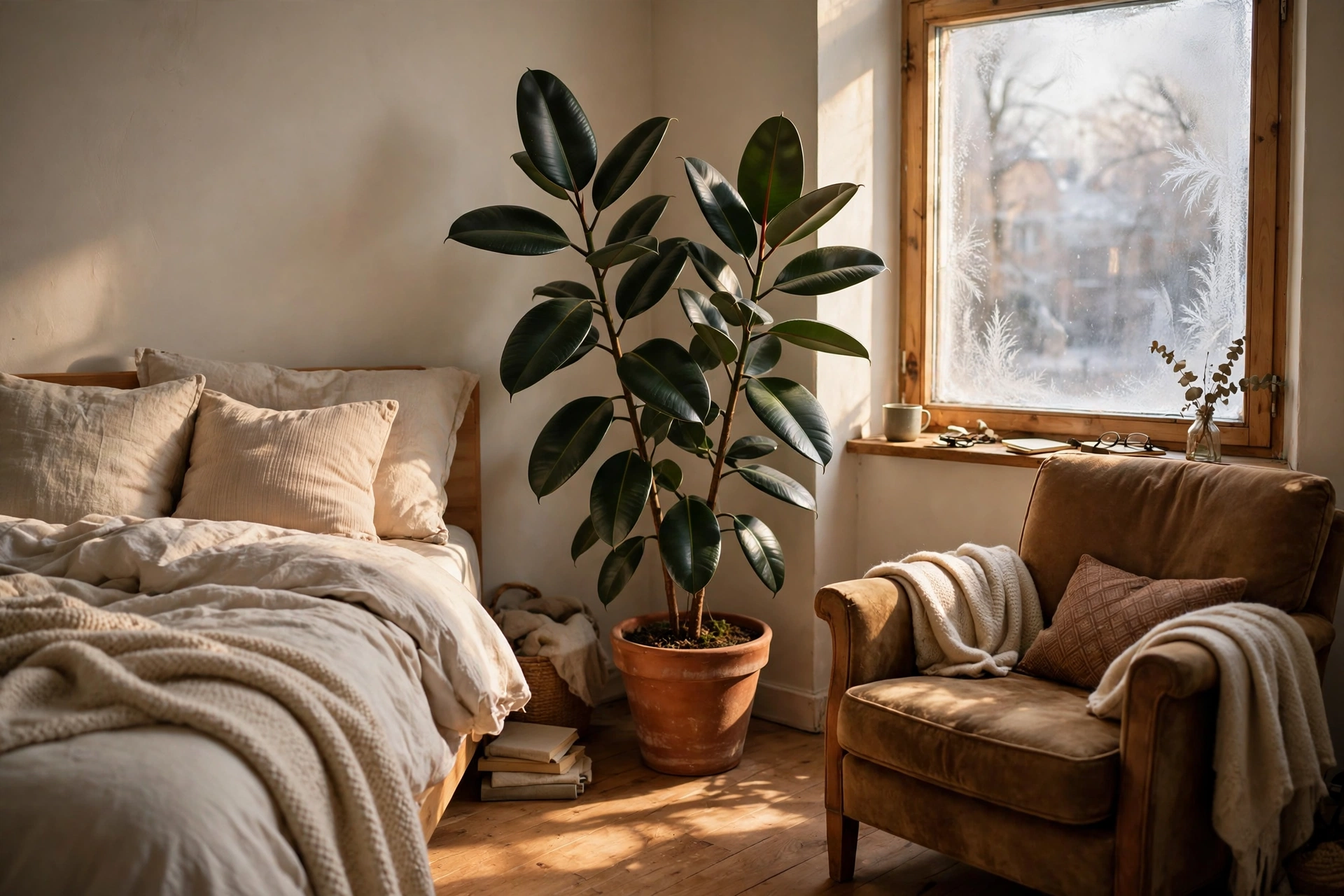
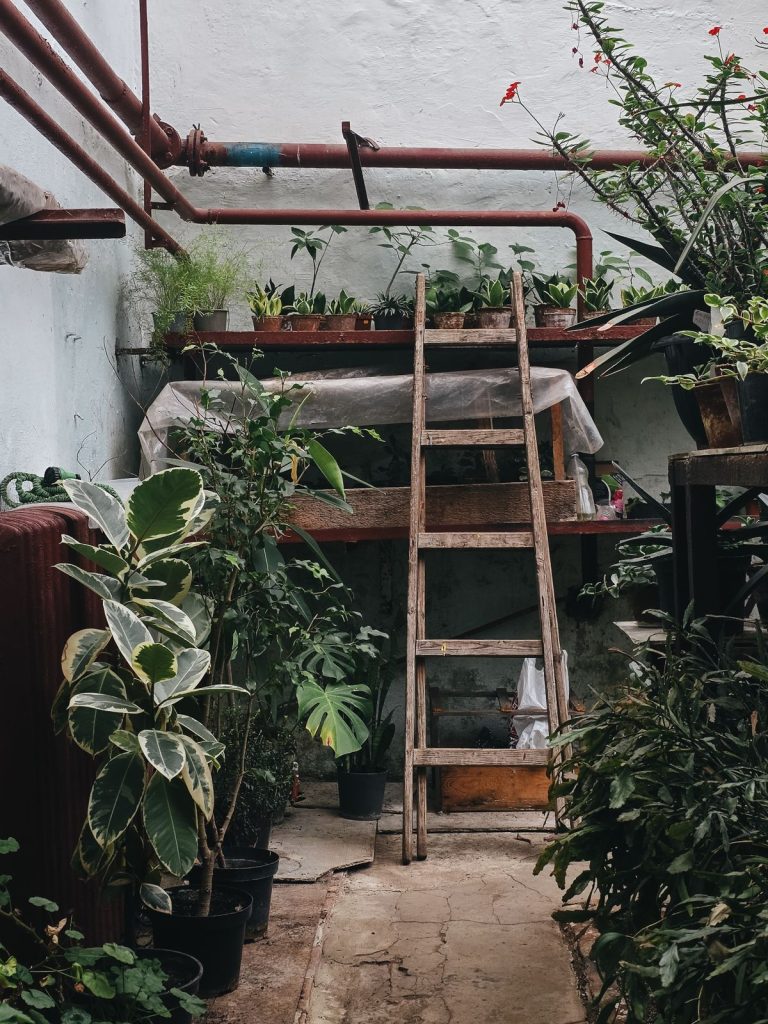
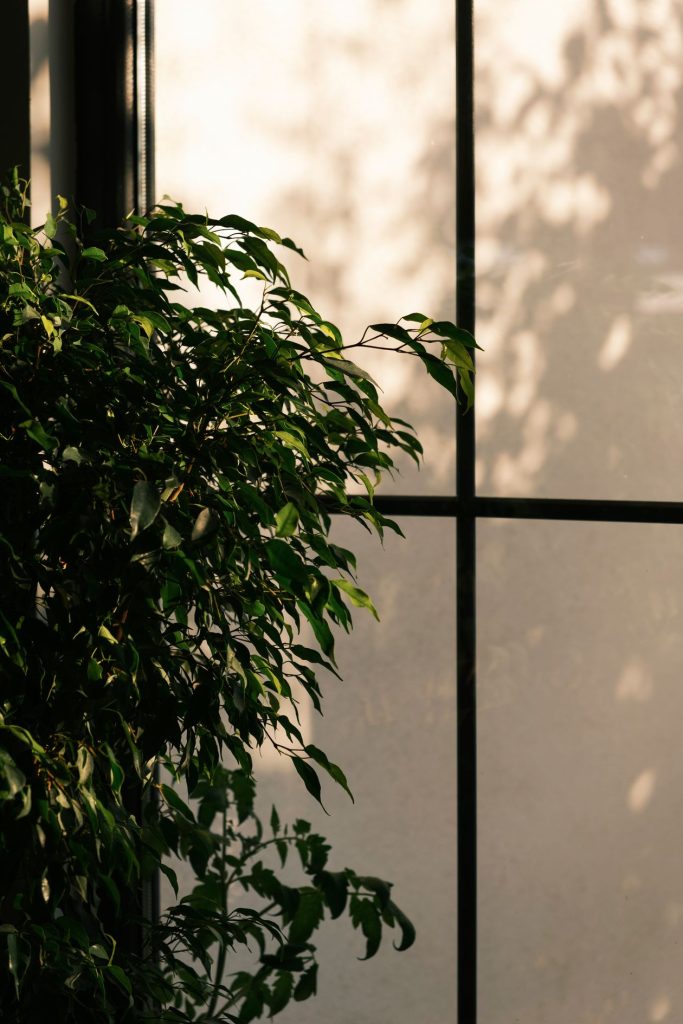
Okay, so here’s the thing. Rubber plants walk into a bedroom like they own the place, and honestly, they totally do! Their stiff, glossy leaves reach 17 inches long, and at 2 to 10 feet tall indoors, one pot makes a bare corner gorgeous. Bright indirect light keeps it happiest, with morning sun as a lovely bonus. Water less from fall to late winter, when growth takes a cozy rest. Keep it above 55°F, away from cold drafts and heating vents, since steady warmth keeps it gorgeous. The ASPCA lists ficus as toxic to cats and dogs, so a pet-free room plus quick leaf pickup keeps everyone safe and happy.
One tip: pick its favorite spot once and let it settle in for good, since rubber plants grow happiest when they stay put and feel at home.
3. Aloe Vera
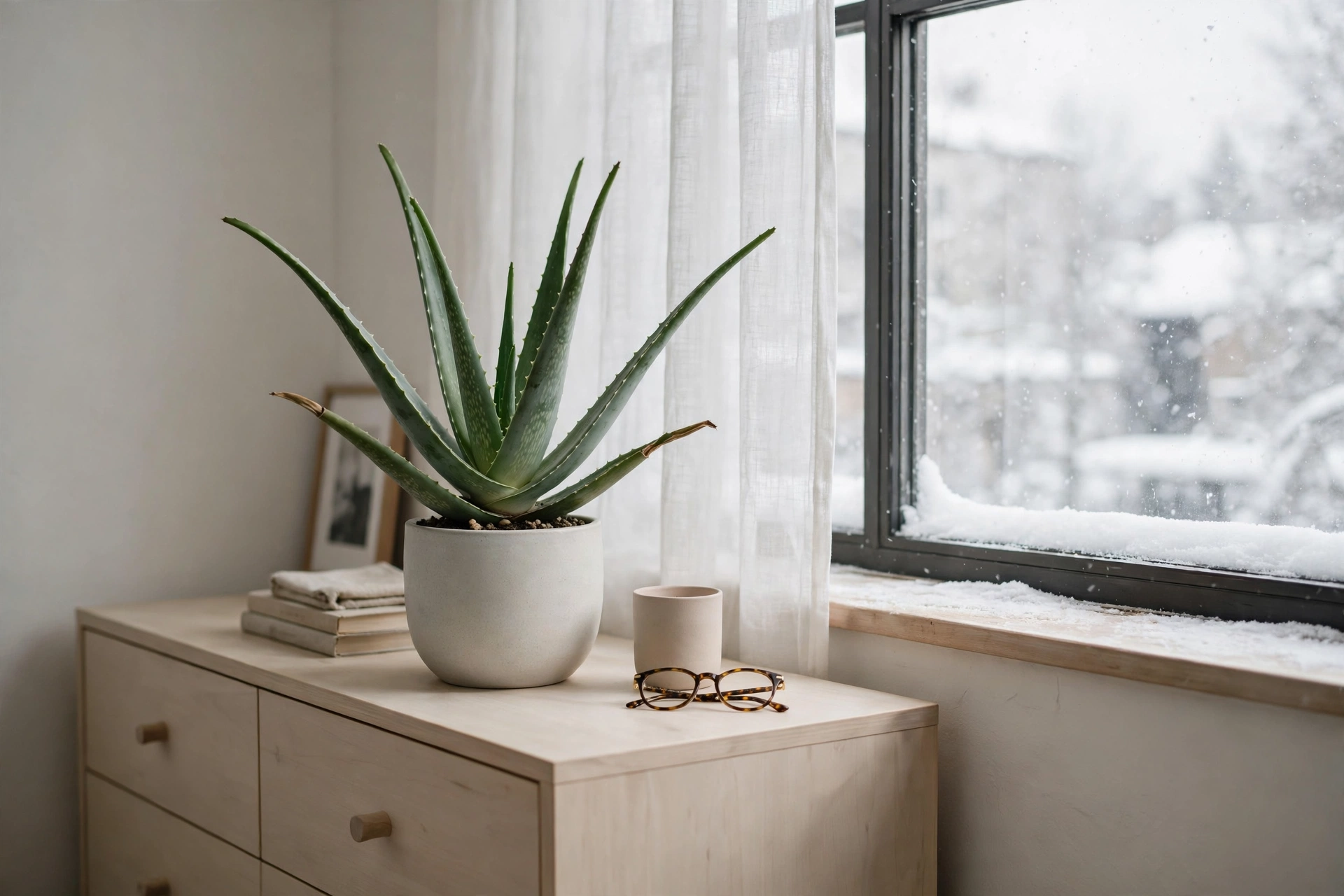
Aloe vera is the roommate who asks almost nothing and still looks amazing. Its thick, fleshy leaves form a rosette 1 to 2 feet tall, each leaf storing water for weeks, so dry heated air is a breeze. Bright light makes it happiest, so a sunny windowsill inches from cold glass works great. Water only when soil feels dry, and ease off in winter, when growth nearly stops. Keep it above 50°F, since cozy temperatures keep plump leaves firm and gorgeous. The ASPCA lists aloe as toxic to cats and dogs, so a closed pet-free room keeps pets safe and happy, though a bright high shelf works in dog-only homes.
One tip: use a pot with drainage holes and a gritty mix, since dry roots keep aloe plump, happy, and thriving all winter long.
4. Ponytail Palm
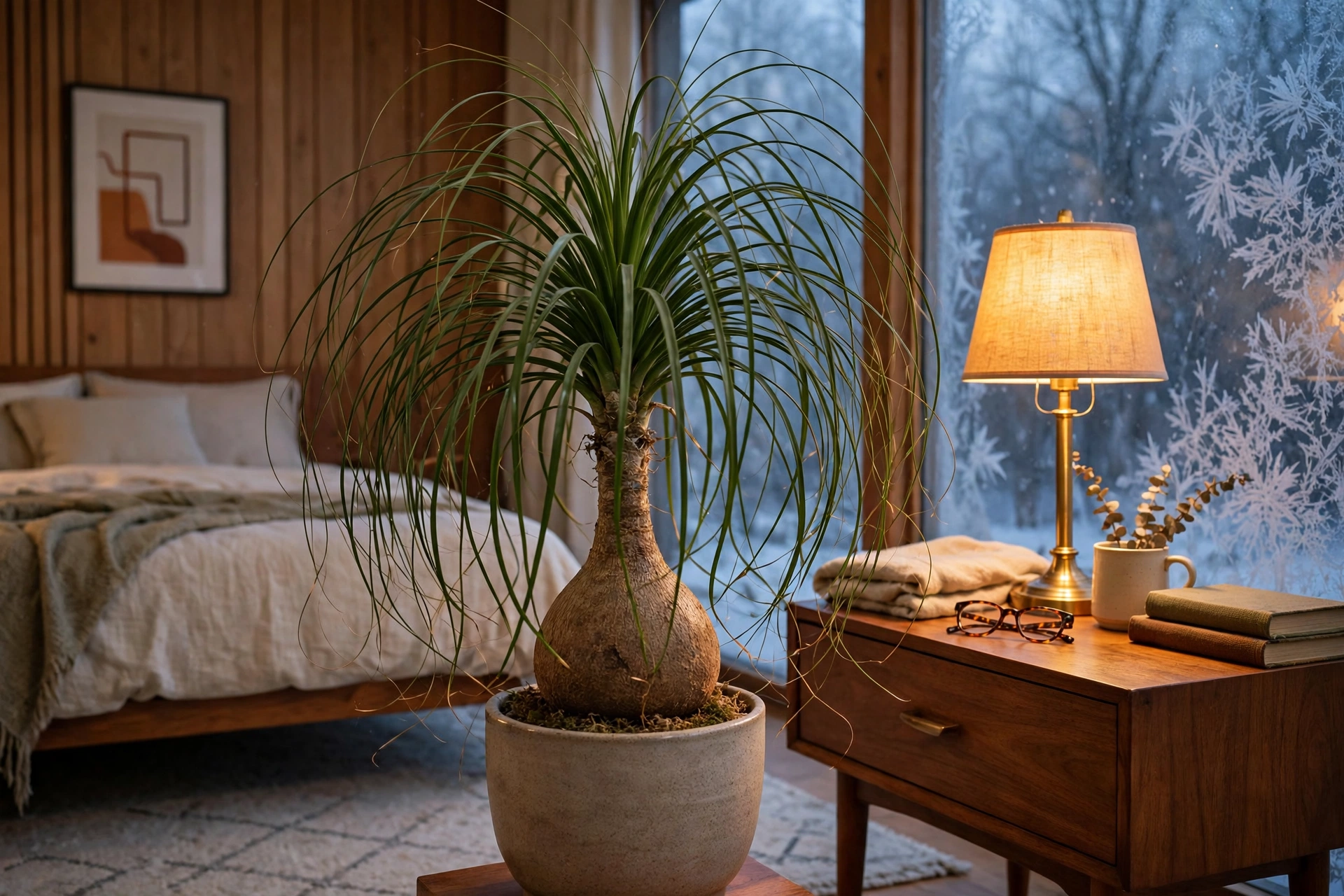
Seriously, the ponytail palm is not a palm, which is the best part! Its swollen trunk stores water like a built-in tank, and long, graceful leaves spill from the top. Bright light makes it happiest, so a sunny spot near a window keeps it cheerful all winter. Water only when the soil feels dry, since a dry trunk stays joyful and perky. Growth stays slow indoors, so a young plant stays a cute 1 to 3 feet tall for years. Dry air above 50°F never bothers it, and it shrugs off missed waterings. The ASPCA lists ponytail palms as non-toxic to cats and dogs, so happy pets can sniff away.
One tip: water it like a succulent, not a palm, since that clever swollen trunk already holds weeks of water and stays happy with so little fuss.
5. Kalanchoe
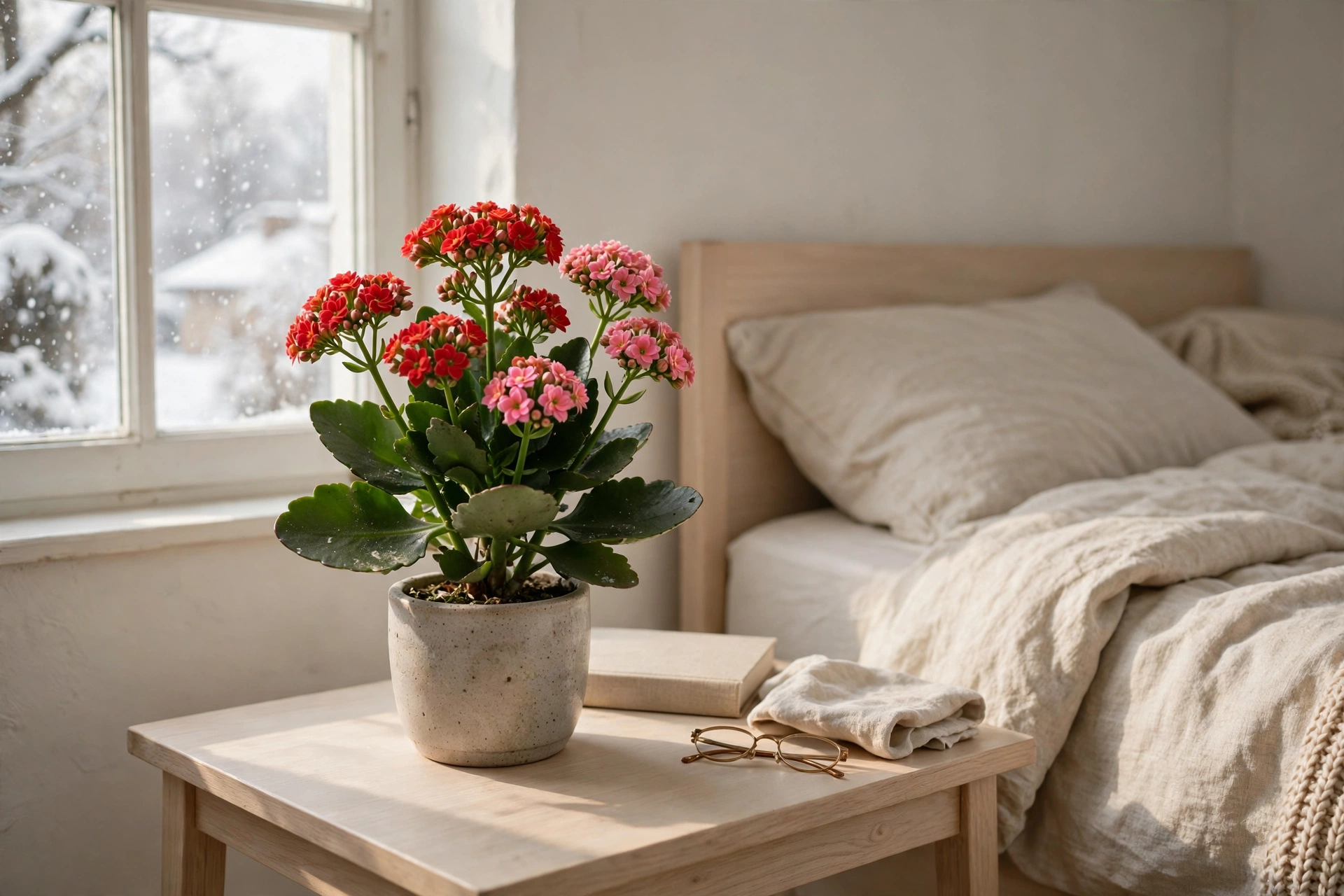
Kalanchoe shows up, memo missed. Gorgeous red, orange, pink, or yellow flower clusters last weeks on a compact 6- to 18-inch plant. Bright light keeps it blooming, so a sunny windowsill makes it happiest. Let soil dry between waterings; dry soil prevents root rot. Cool nights of 55 to 65°F make flowers last longer, so keep it above 50°F, since 45°F is only a brief dry-soil limit. Dry air never fazes this happy bloomer. The ASPCA lists kalanchoe as toxic to cats and dogs, since bufadienolides can affect the heart. Keep it in a closed pet-free room, never on a shelf cats can climb, and everyone stays safe and happy.
One tip: give it 14 hours of unbroken darkness nightly in an unlit closet at 55 to 65°F for six weeks in fall, with bright light by day, since strict long nights bring gorgeous blooms.
6. Amaryllis
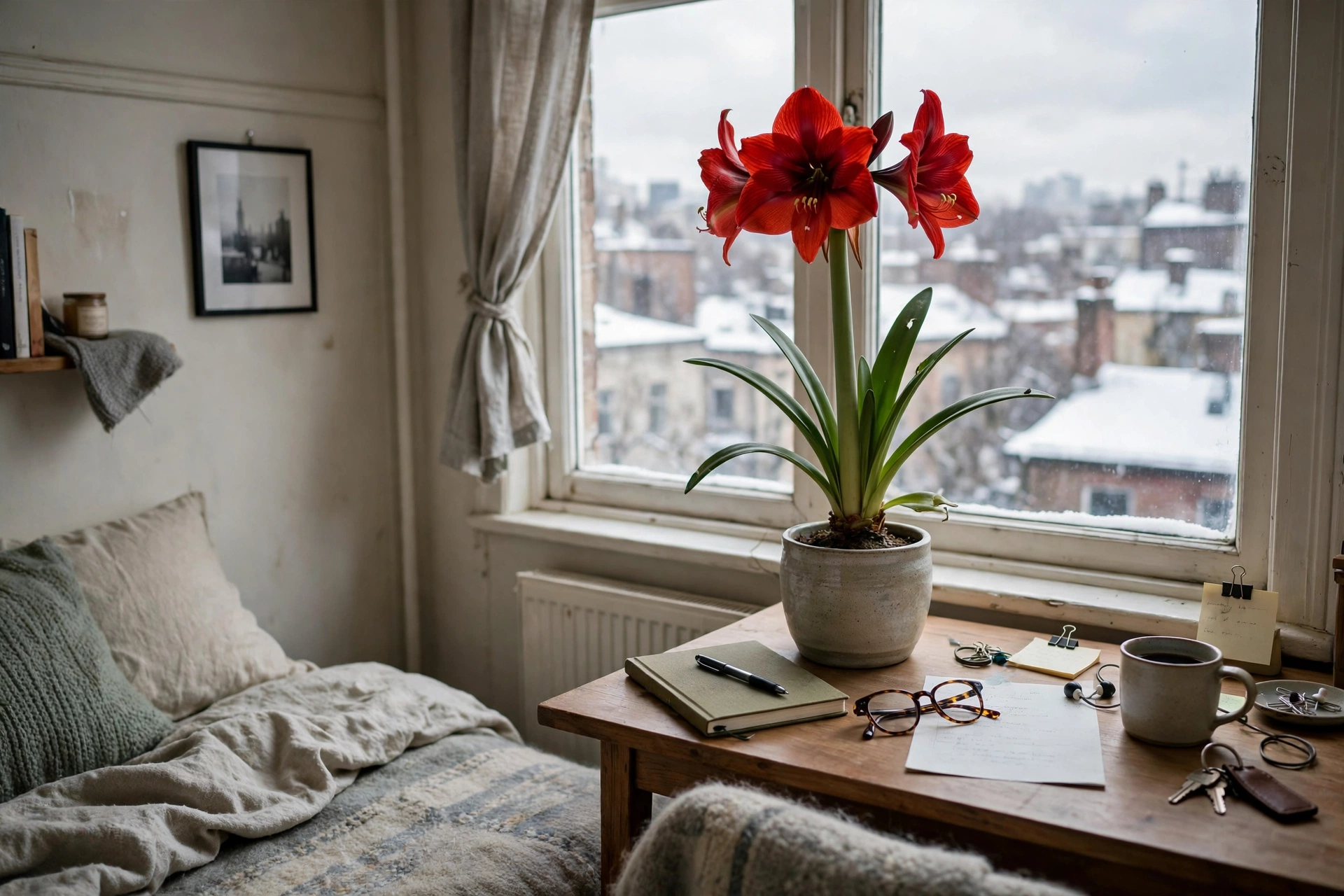
Amaryllis (Hippeastrum) starts winter as a plain brown bulb and ends as pure joy. A thick stalk rises 18 to 24 inches and opens 2 to 6 trumpet flowers, magic in January! Plant in fall for blooms in 6 to 8 weeks. Bright light keeps the stalk sturdy, so use your brightest window, turning the pot daily. Water sparingly until a sprout reaches 2 inches, then water regularly and enjoy it. Cooler rooms make blooms last longer, so skip radiators. The ASPCA lists amaryllis as toxic to cats and dogs, and the bulb is the most toxic part, so use a heavy pot in a pet-free room.
One tip: after flowering, keep the leaves growing in bright light all summer, then rest the bulb cool and dry 8 to 10 weeks for winter blooms.
7. African Violet
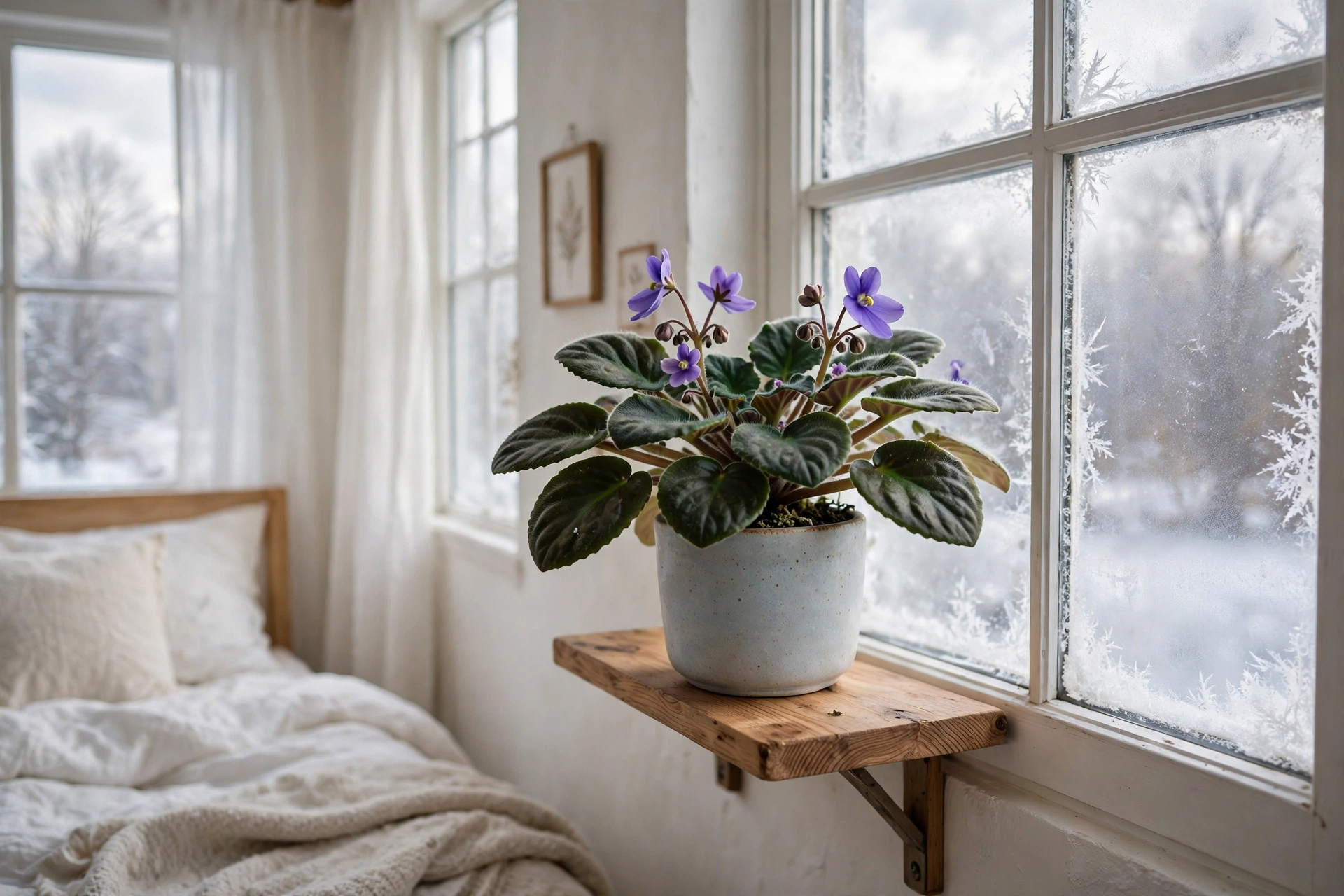
African violets are tiny, fuzzy, and unbothered by January, which is adorable. Velvety leaves form a neat 6- to 12-inch rosette, blooming almost all year. Bright indirect light keeps it flowering, so an east or west window works. Water with room-temperature water when the top soil feels dry, and keep the fuzzy leaves dry, since dry leaves stay soft and spot-free. Steady warmth suits it, so a cozy spot away from chilly windows keeps it blooming. Average indoor humidity suits it, and a pebble tray adds cheer in dry rooms. The ASPCA lists African violets as non-toxic to cats and dogs, lovely news for pet owners and plant lovers.
One tip: water from the bottom by setting the pot in a saucer for 20 minutes, then empty the saucer, since dry leaves stay soft and blooming.
8. Peperomia (Baby Rubber Plant)
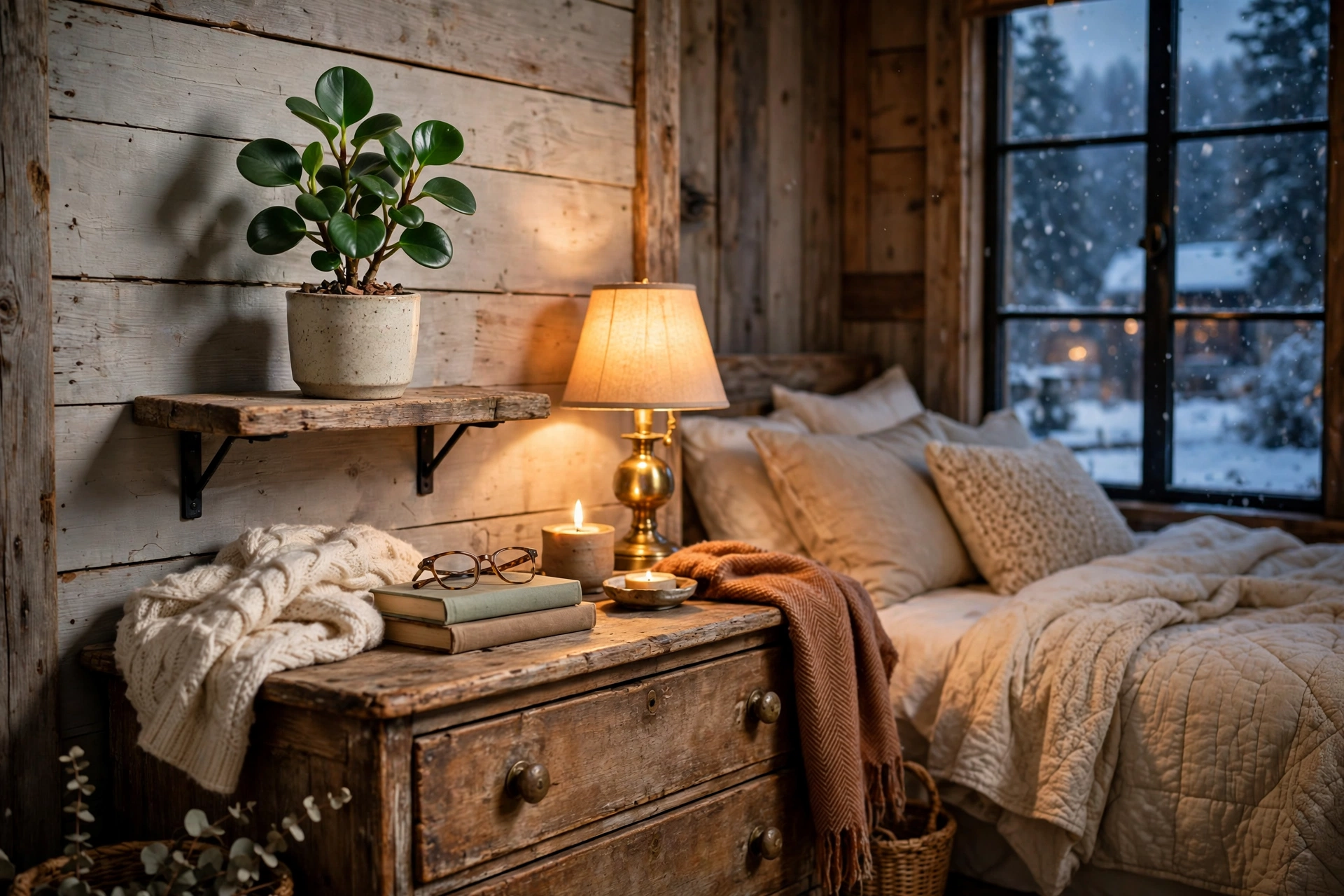
I mean, Peperomia obtusifolia (baby rubber plant) is not a rubber plant, which is a win! Its thick, glossy leaves store water like a succulent, so dry air and missed waterings never bother it. This little plant stays 6 to 12 inches and fits a shelf, looking adorable there. Medium to bright indirect light suits it, though lower light just slows it down. Let the top inch or two dry, since dry soil keeps it perky and gorgeous. Warm rooms suit it, so a cozy spot away from drafts keeps it glowing. The ASPCA lists peperomia as non-toxic to cats and dogs, which pet owners love, and so do we.
One tip: choose a snug little pot, since peperomia loves a cozy home and well-drained roots keep it so happy, healthy, and thriving.
9. Zebra Haworthia
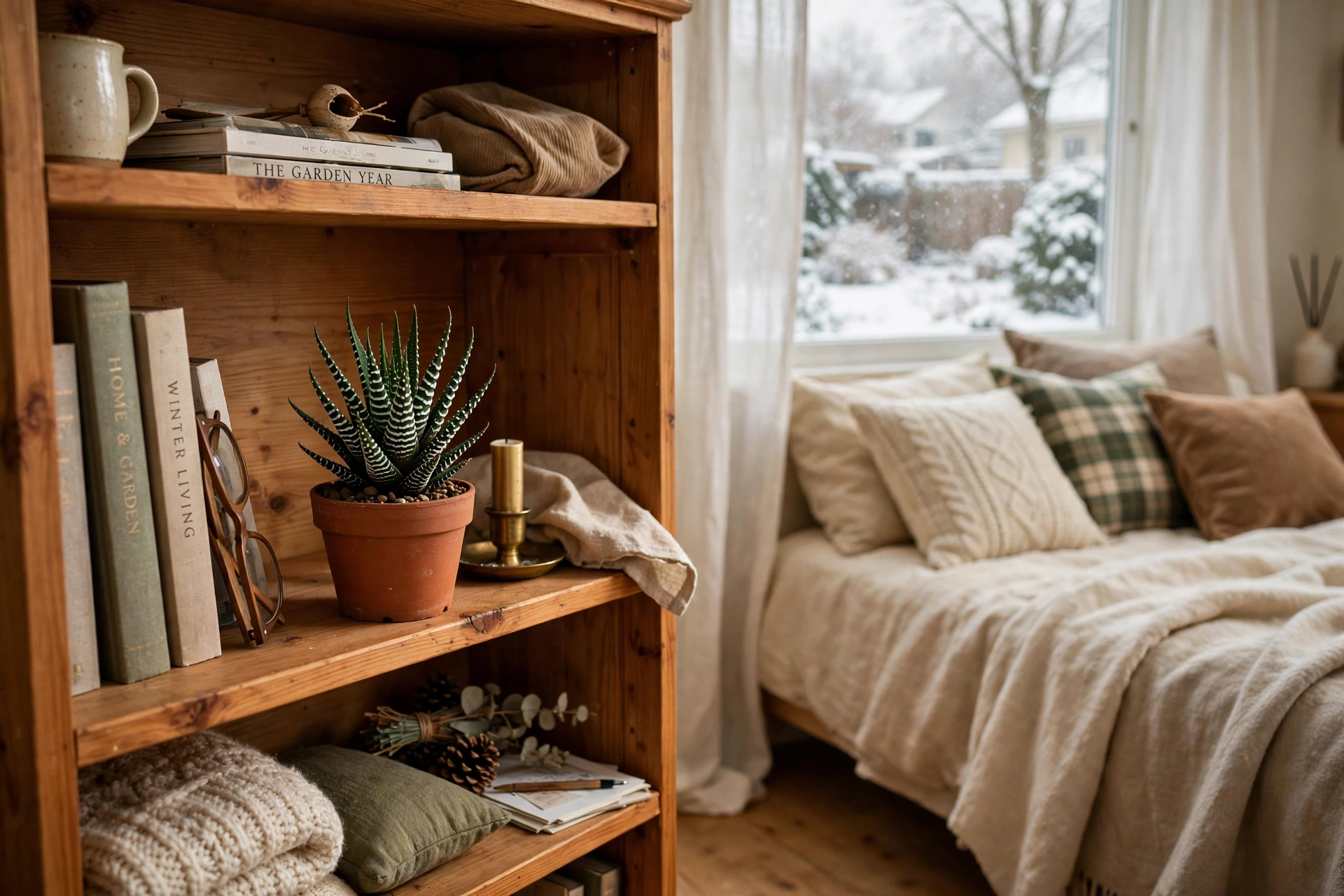
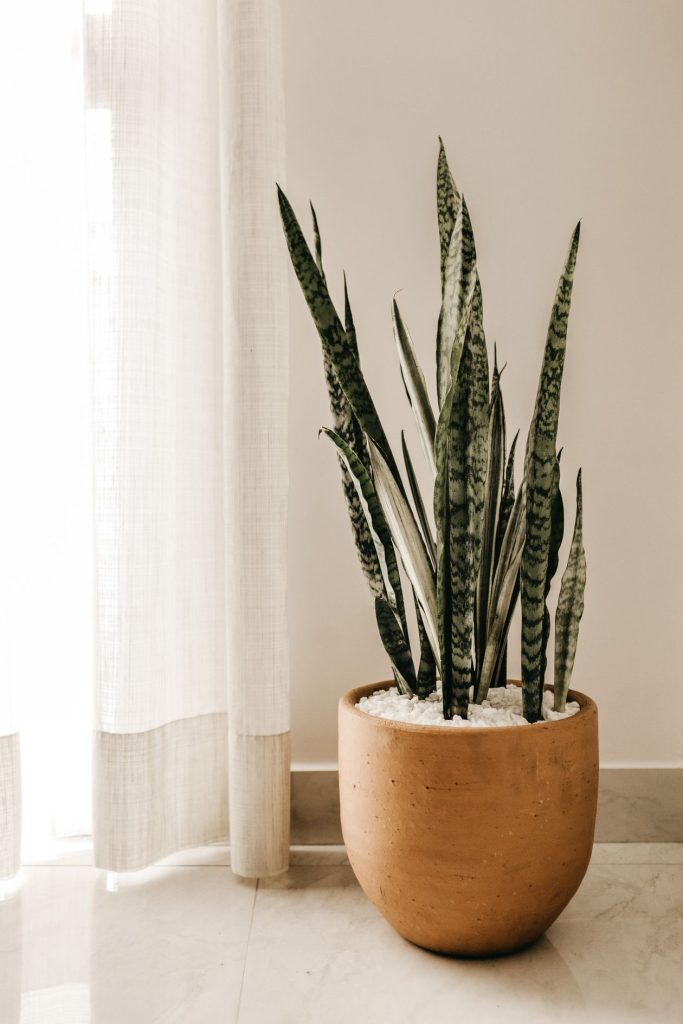
And don’t even get me started on zebra haworthia, the tiny succulent that lives for decades with its offsets, which is honestly incredible! Its dark green leaves wear crisp white stripes, and the rosette stays 3 to 6 inches tall. Bright indirect light suits it best, though it tolerates lower light better than most succulents. Water only when the soil feels completely dry, about every 2 to 3 weeks, less in winter. Thick leaves store water, so dry air suits it well. Keep it above 50°F, away from icy glass, and it rewards you. The ASPCA lists haworthia as non-toxic to cats and dogs, great news for pet owners.
One tip: use a cactus mix in a small pot with drainage, since this slow grower loves dry feet above all and stays gorgeous for years.
10. Guzmania Bromeliad
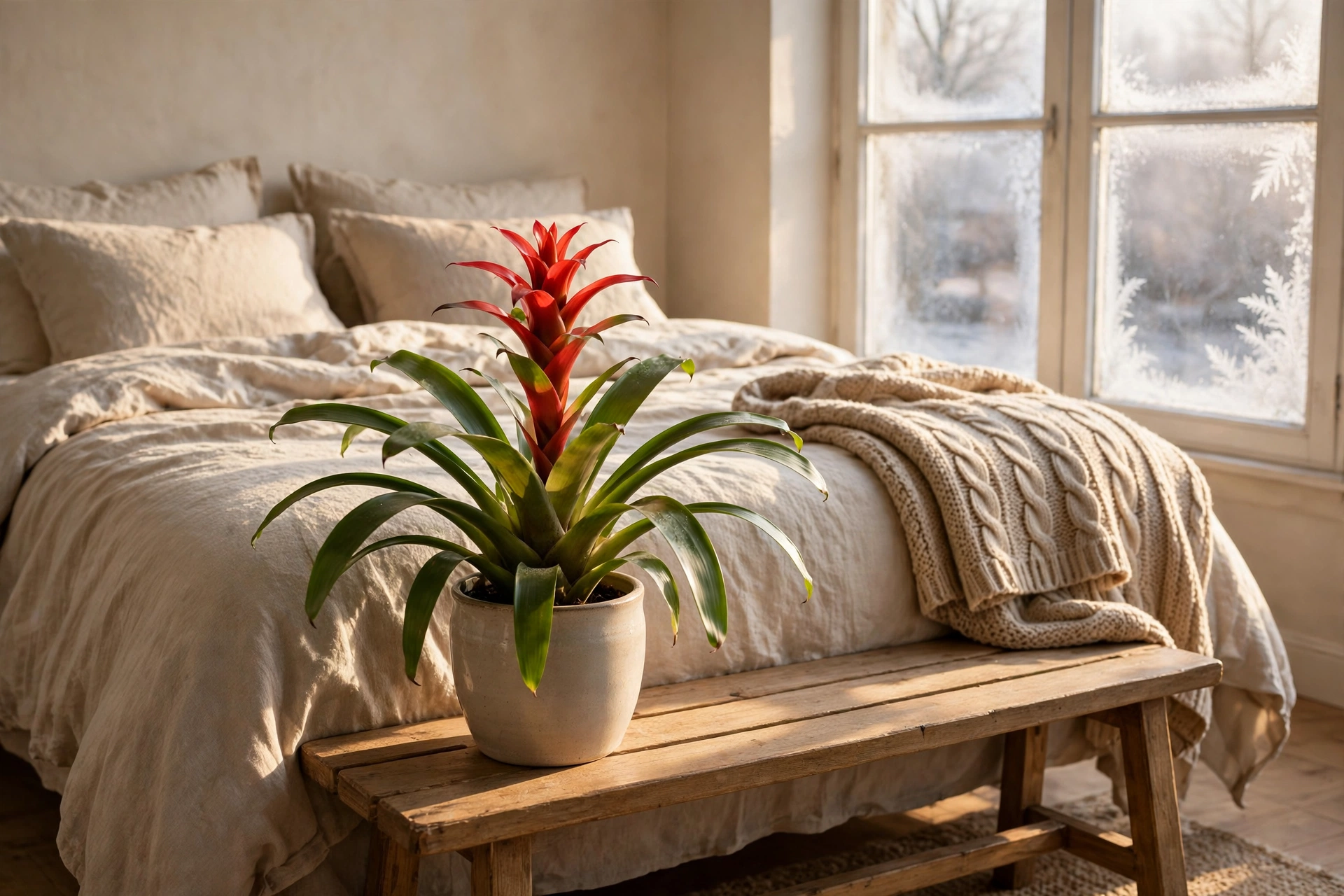
Of course, the bromeliad had to show up, with a bright red spike of bracts glowing for months. Its smooth, strap-like leaves form a 1- to 2-foot rosette that blooms once, then fades as baby pups take over. Bright indirect light keeps the colors vivid, so an east or west window suits it. Keep a little water in its central cup, and let the soil dry between waterings. Warm rooms suit it best, so keep it above 55°F and away from drafts. Average indoor humidity suits it, though grouping it with friends helps. The ASPCA lists guzmania bromeliads as non-toxic to cats and dogs, for everyone to enjoy.
One tip: flush the central cup with fresh water every few weeks, since fresh water keeps the plant glowing and happy all winter.