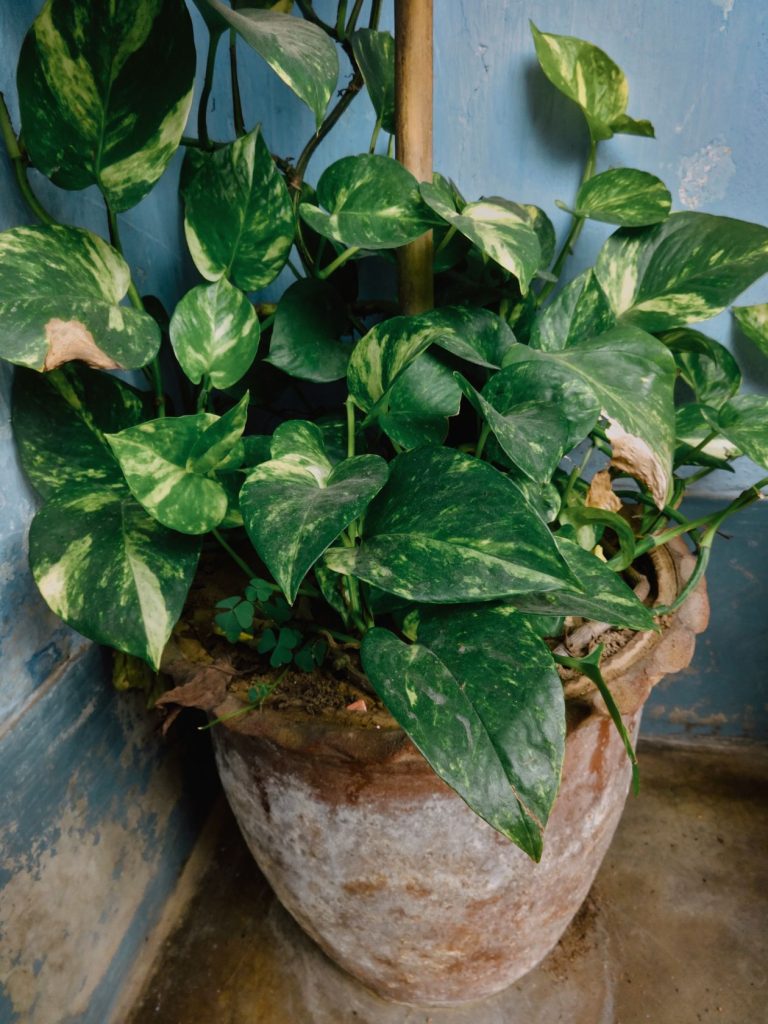
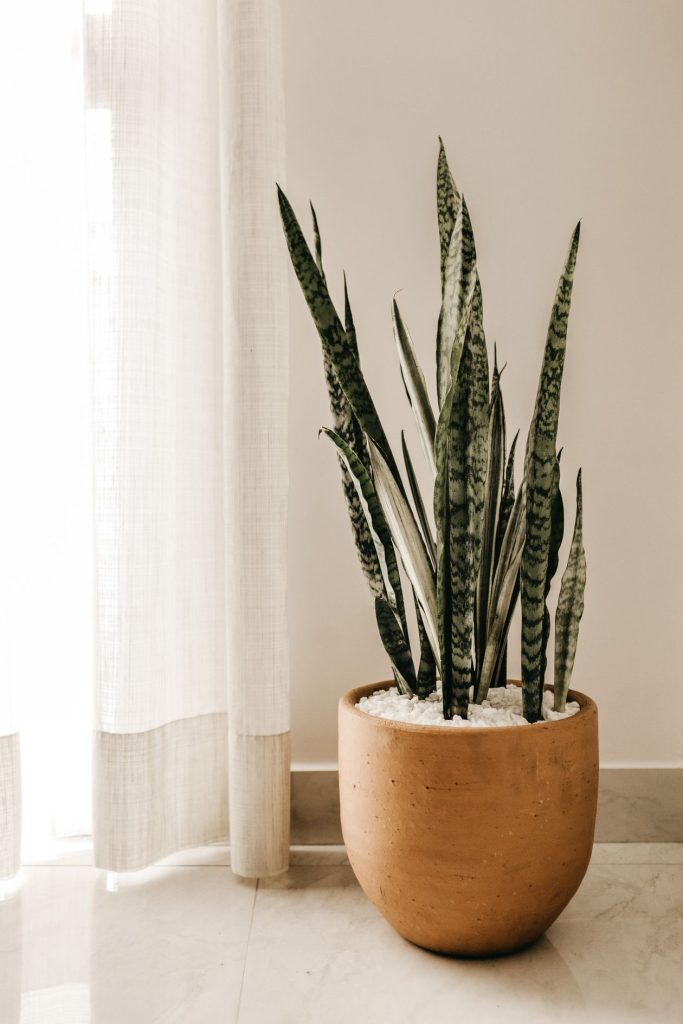
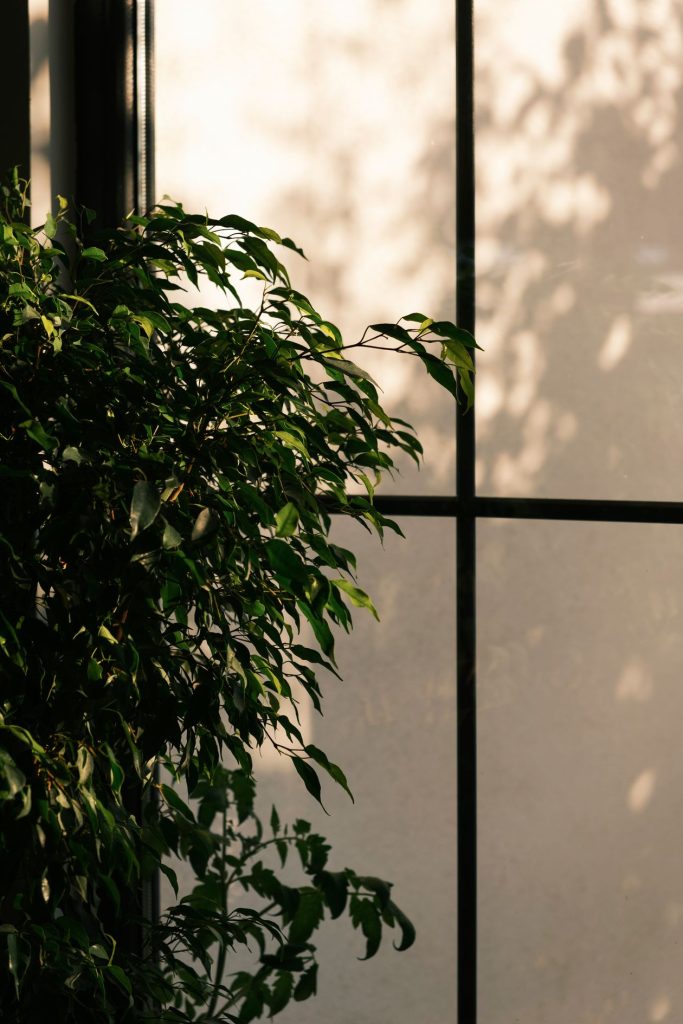
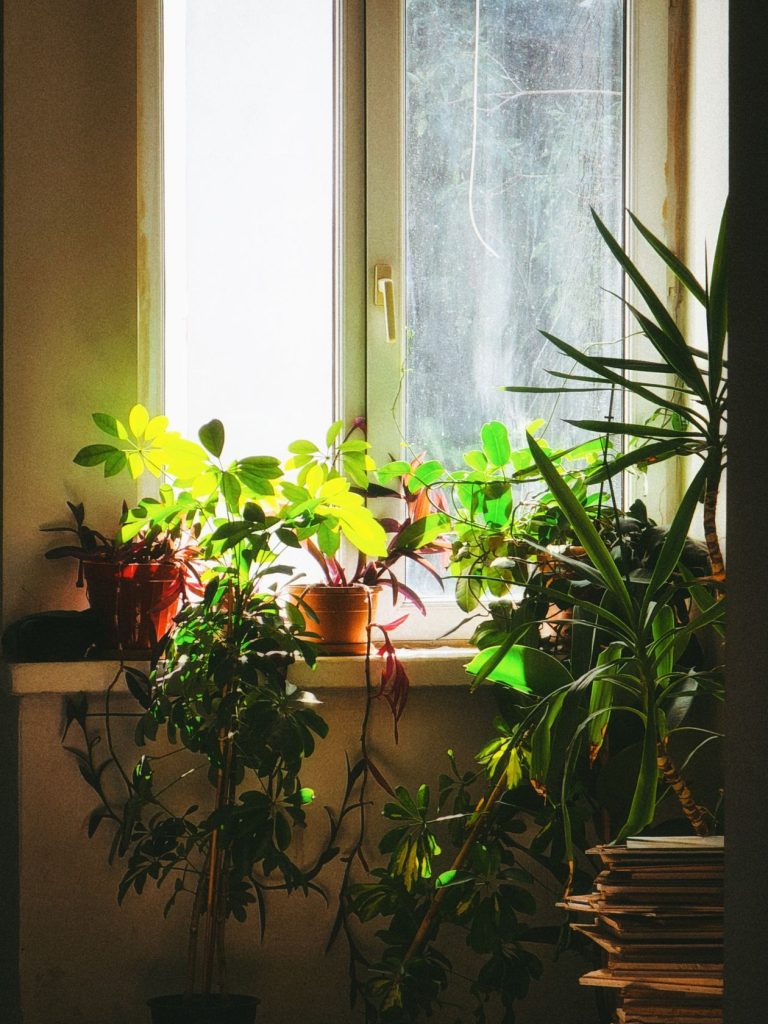
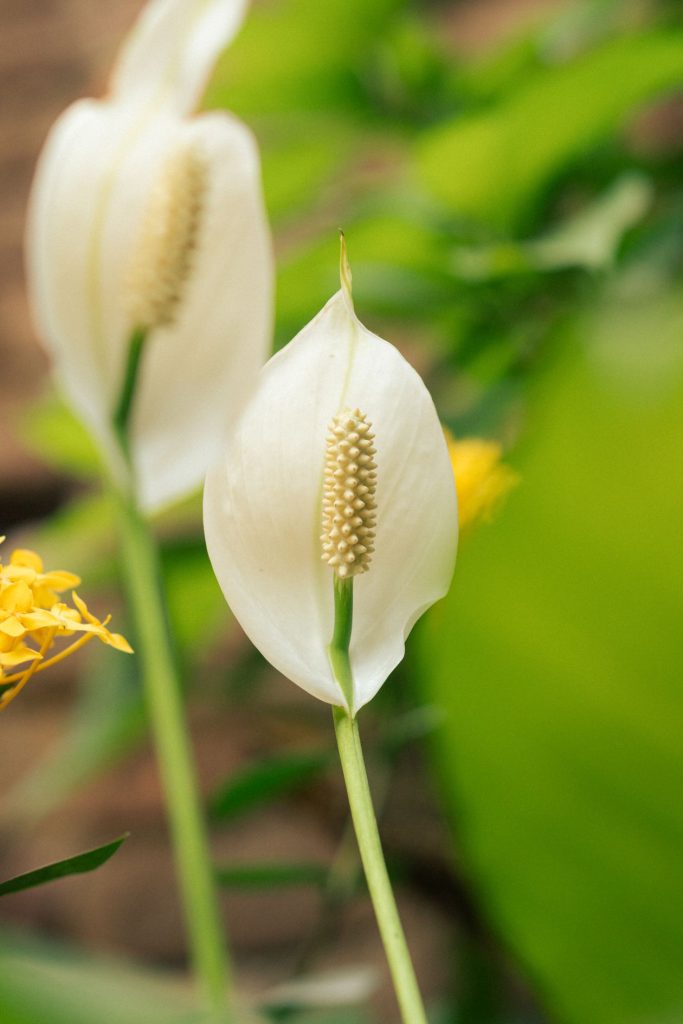
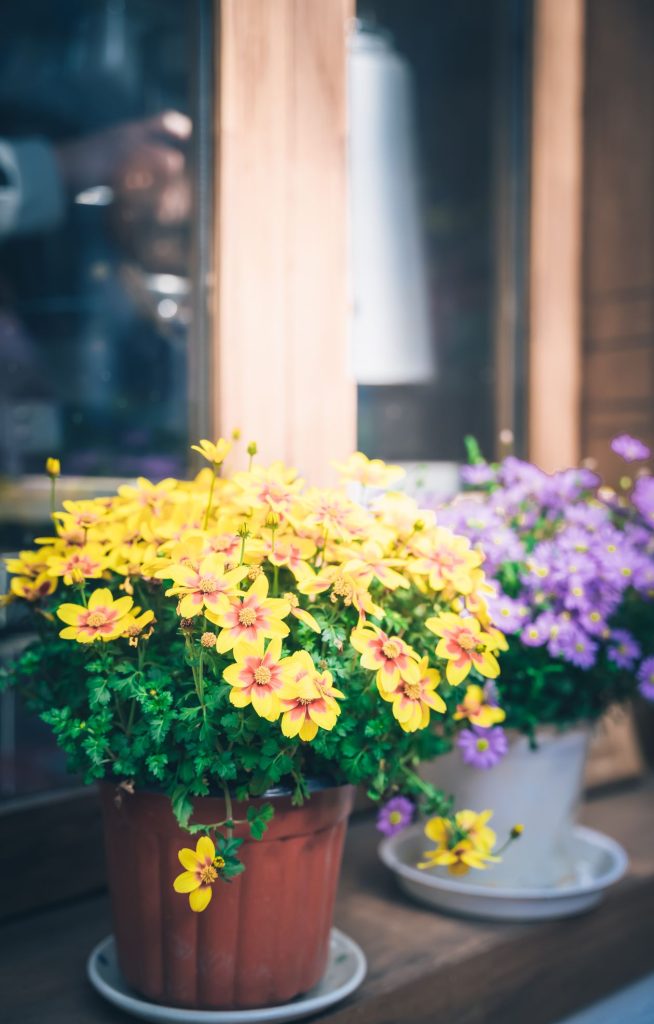
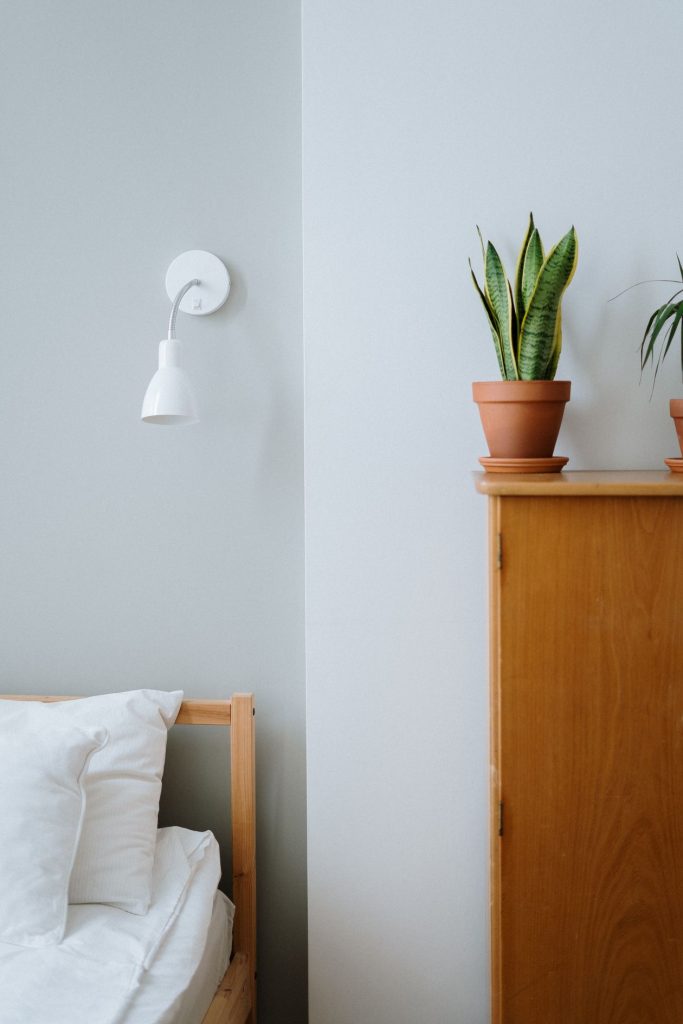
Good news first. Your bedroom plants can sail through winter with eight small moves, and none of them costs more than a few minutes. The days are short and the window glass is cold, yet a few easy shifts keep every leaf green until spring. Your pothos, your peace lily and your snake plant just need a little help with light, water and air. Here is the full plan, and you can start with move one tonight.
Why Winter Is So Hard on Bedroom Plants
Every move below fixes one of four small winter shifts, and each fix is quick. Daylight drops to nine or ten hours, and the light that comes through is up to 70 percent weaker than summer light. Move one brings your plants closer to the glass. The window glass gets cold, so keep leaves a couple of inches back and they stay warm. Your heater dries the air, and most homes fall to 10 to 20 percent humidity while most houseplants want 40 to 50 percent. Grouping and a pebble tray lift it back up. And because growth slows right down, your plants drink far less water than they did in July, so a lighter watering routine keeps roots healthy. Fix the light first, then the water, then the air, and your plants will hold on until spring.
Move 1. Bring Your Plants Closer to the Window
That one shift can double the light your plant gets, and it costs nothing. In summer your plants were happy a few feet back from the glass. In winter that same spot gives far less light, so slide every plant as close to your brightest window as you can. A south facing window is the best seat in the house in winter. East and west windows come next, and a north window is the weakest of the lot. Keep leaves about two inches away from the glass so they stay warm and never touch the cold surface. If your bed and your desk eat up the floor, use the windowsill itself, a small stool, or a shelf bracket. For more ideas on fitting plants into tight corners, try these small space garden layout ideas.
Move 2. Turn Each Pot a Quarter Turn Every Week
A quarter turn every Sunday keeps your plant growing evenly, and the whole job takes ten seconds. Winter sun comes in low and from one side, so the side facing the window grows faster than the back side. Mark the pot with a small sticker so you can see the turn, or just spin it when you make your bed. A weekly spin keeps the plant full and even instead of leaning hard toward the glass. Even growth also means every leaf gets its share of light, and that matters most when light is scarce.
Move 3. Cut the Watering in Half
This is the move that saves the most plants, and it could not be simpler. Growth slows, so roots drink far less, and a lighter routine keeps roots healthy all winter. As a rule, cut your watering by about a third to a half. A pothos that drank every week in summer now wants water every ten to fourteen days. A snake plant or ZZ plant can wait four to six weeks between drinks. Always check first. Push a finger about an inch into the soil, and water only if it feels dry. Use room temperature water, and water in the morning so any extra moisture dries during the day. If the pot still feels heavy and damp, walk away and check again in a few days. A little thirst suits your plant far better than soggy soil, and dry roots stay healthy roots.
Move 4. Stop Feeding Until Spring
Your plants are resting, not growing, so a rest from feeding keeps roots safe all winter. Stop all feeding from October to March, and do not start again until you see fresh new growth in spring. That first pale green shoot is your signal. If you fed all autumn and the leaf tips turned brown, flush the pot once with plain water and let it drain away. Brown tips are one of the classic signs you have overfertilized, and one good flush gives the roots a clean start. The plant does not need a rescue feed. It needs a quiet winter and a fresh start in spring.
Move 5. Keep Plants Away From Cold Glass and Draughts
A warm spot keeps leaves happy, and the rule is simple. Keep leaves a few inches off the glass, and move pots off the sill on the coldest nights. Put them on a stool or a shelf a foot back instead. Most tropical plants stay happiest above 10°C (50°F), and monstera, philodendron and peace lily like it warmer still, above 13°C (55°F). A snake plant or ZZ plant is tougher and can handle a dip to 5°C (41°F). Watch the front door too. Every time it opens, cold air sweeps in, so a plant that lives by the door in summer needs a new home for winter. The same goes for any plant next to a heating vent. A calm spot away from hot dry blasts suits it far better.
Move 6. Raise the Humidity Without Buying a Humidifier
The cheapest fix is grouping, and it works fast. Heated winter air can drop to 10 to 20 percent humidity, while most houseplants want 40 to 50 percent. Push your plants close together and they share the moisture they breathe out. A pebble tray helps too. Fill a shallow tray with an inch of pebbles and add half an inch of water. Set the pot on top so it never sits in the water. If you do want a humidifier, a small one on the nightstand is enough for a bedroom. Aim for 40 to 50 percent and keep the room below 60 percent, so the walls stay dry. One thing to skip is misting. It feels helpful, but the damp fades in minutes and the leaves stay dry. If your calathea or fern still looks dry at the edges, group it with friends and give it the pebble tray. Those two moves beat a spray bottle every time.
Move 7. Wipe Dusty Leaves So They Catch More Light
Clean leaves catch more light, and they also show you problems early. Winter light is already up to 70 percent weaker, so a layer of dust blocks the little light your plant gets. Dust also gives spider mites a place to hide. Wipe the big leaves with a damp soft cloth every two or three weeks. Hold each leaf gently from below while you wipe the top. For small leafy plants like pothos, a quick rinse in the shower does the same job. Do it in the morning so the leaves dry before night. A web under a leaf or a sticky patch means mites are about, and you will spot them early while you wipe.
Move 8. Add a Cheap Grow Light for the Darkest Corner
A small LED grow light is the answer, and it costs less than a takeaway dinner. Some bedrooms just do not get enough winter sun, and shuffling alone cannot fix that. Hang or clip a full spectrum bulb about 30 centimetres above the plant, and run it for twelve to fourteen hours a day. A simple timer plug keeps the schedule steady. Keep the light close, because a bulb two metres away gives almost no help. The plants that gain most are the light hungry ones, like herbs, succulents and anything that flowered in summer. If you already picked plants that cope with shade, you may not need this move at all. These low light plants that suit small apartments will carry a dark bedroom through winter on their own. But for a prized plant stuck in a dark corner, a grow light is the kindest gift you can give it.
Your Winter Routine in Five Minutes a Week
That is the whole plan. Eight moves, and most of them are one time jobs. Move the plants to the light, turn them on Sundays, water half as often, and leave the fertilizer bottle alone. Keep them off cold glass, group them for humidity, wipe the leaves, and add a light if the room is truly dark. Your bedroom plants will grow slowly this winter, and that is fine. They are resting. Come spring, the days stretch out, the light comes back, and the plants you kept happy will wake up ready to grow. For the full picture on making a small bedroom feel calm and green, read how to style bedroom plants for better sleep.
Frequently Asked Questions
How often should I water bedroom plants in winter?
Most need water only every ten to fourteen days, and only when the top inch of soil feels dry. Snake plants and ZZ plants can wait four to six weeks. Always check the soil first, because a quick finger test keeps the routine right all winter.
Can bedroom plants survive next to a cold window?
Yes, if the leaves never touch the glass. Keep pots a few inches back, and move them off the sill on freezing nights. Tropical plants stay happiest above 10°C, so a spot a few inches back from the glass keeps them safe.
Do I need a humidifier for winter bedroom plants?
Not always. Grouping plants and a pebble tray can lift humidity enough for tough plants like pothos, snake plants and ZZ plants. If you keep calatheas or ferns, a small humidifier is the reliable fix, and it keeps the room near 40 to 50 percent.
When should I start feeding my plants again?
Wait until spring, when you see fresh new growth. That first pale shoot means the plant is awake and ready for food. Start with a half strength feed, and go back to your normal routine only when growth is steady.