1. Golden Pothos
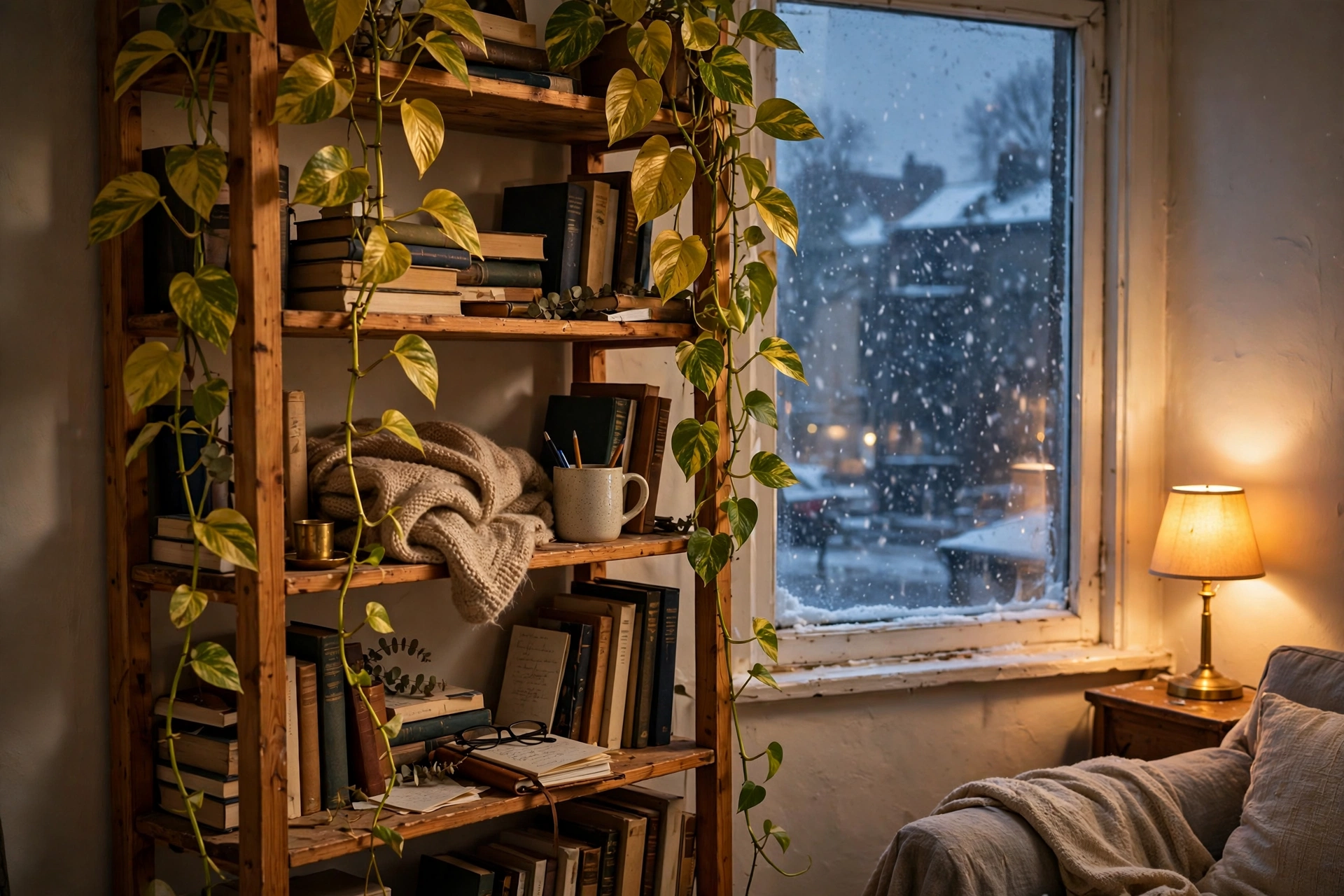
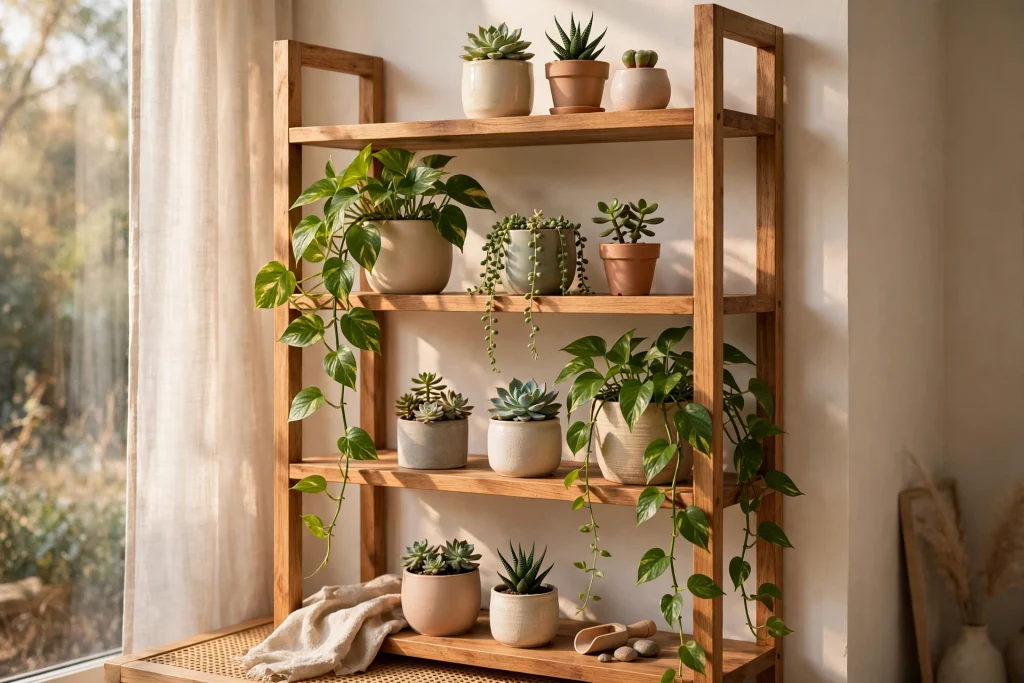
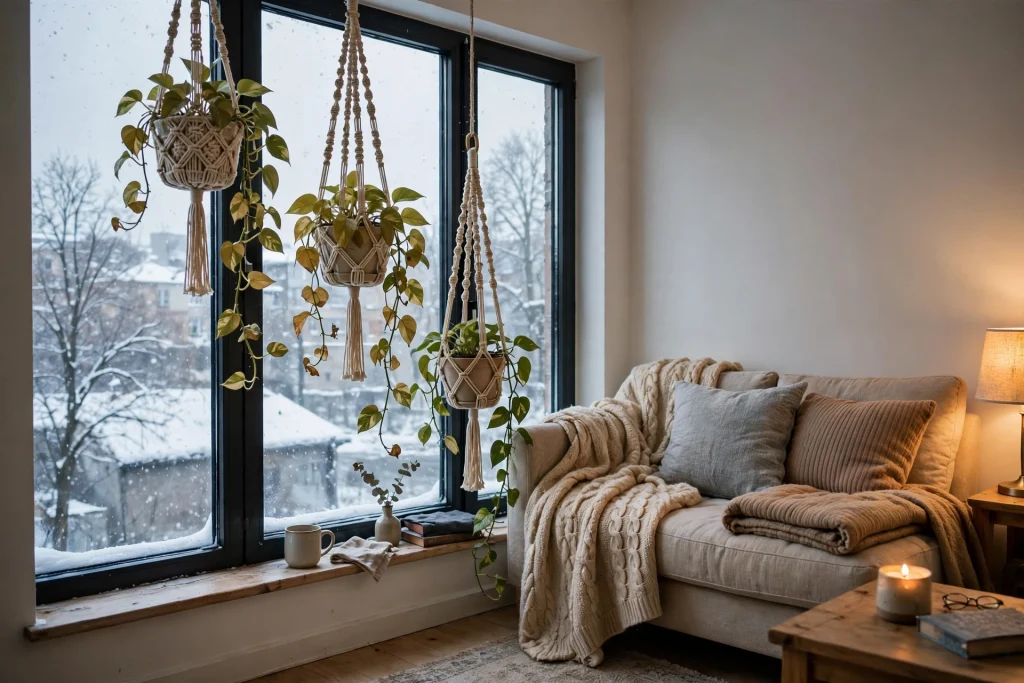
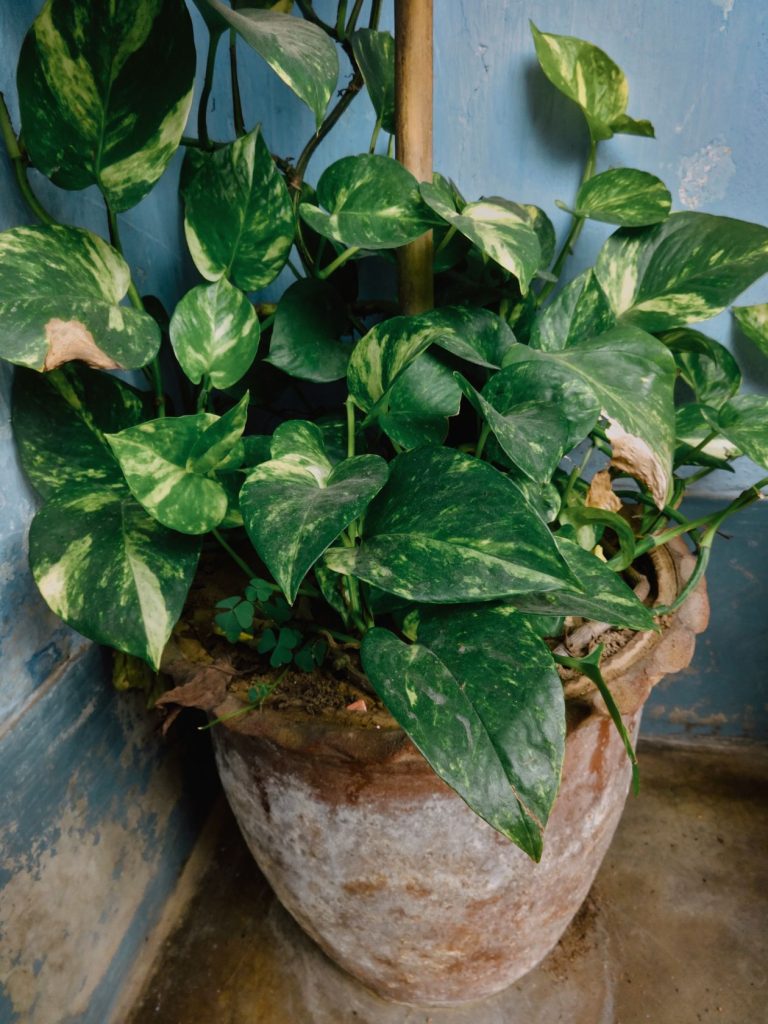
Honestly, golden pothos looks lovely with glossy heart shaped leaves and yellow marks on cascading stems. Vines trail beautifully past the pot edge, so a high shelf lets them hang happily. Bright indirect light suits this cheerful plant best near a window. Let the well drained mix dry out between waterings in winter. Cheerful light keeps the yellow marks bright, since low light can cause loss of variegation. The ASPCA lists golden pothos as toxic to cats and dogs, so a high shelf keeps stems safely away from chewing pets.
One tip: trim a long stem back to a leaf node at the shelf edge, since pruning helps keep this lovely plant bushy and happy.
2. Heartleaf Philodendron
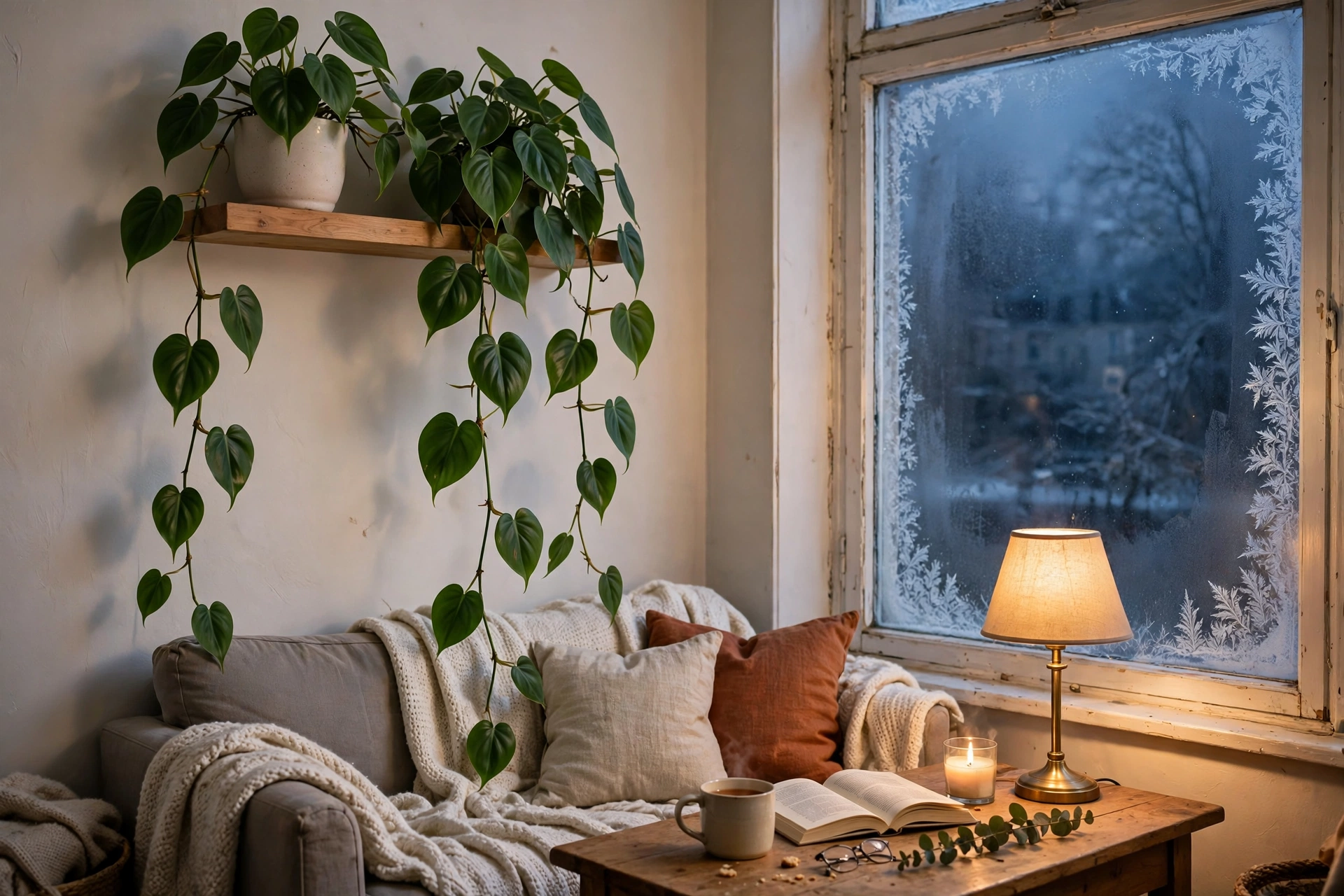
Seriously, heartleaf philodendron looks lovely trailing glossy green heart shaped leaves on cascading stems. It can grow up to 13 feet, which makes a tall shelf a smart, cozy home. Medium light suits it best, and it happily tolerates low light in a dimmer room. Keep the soil slightly moist and slow down on watering in winter. A pot that drains well keeps roots healthy, since overly wet soil can cause root rot. The ASPCA lists heartleaf philodendron as toxic to cats and dogs, so a high shelf keeps everyone safe.
One tip: pinch back one long stem each month in winter if stems look thin, since trimming encourages fuller, happier growth near the pot.
3. String of Pearls
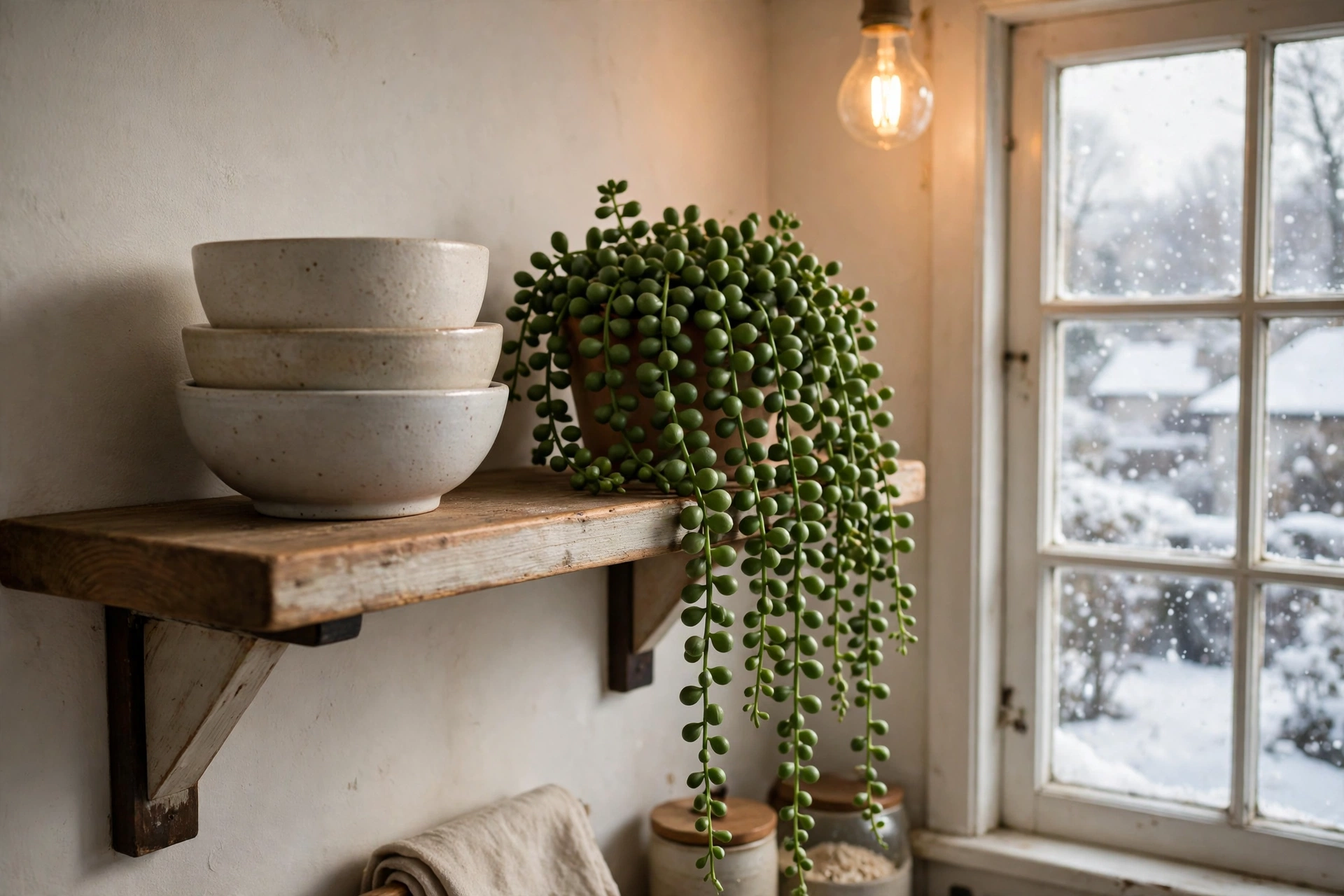
Joyfully, string of pearls spills round pea shaped leaves beautifully over a high shelf. Mature stems happily reach about 1 to 2 feet long in a pot. Bright indirect sunlight indoors suits this cheerful succulent best near a window. Cool winter temperatures of 50 to 60 degrees F keep this plant content. Gentle light watering keeps it happy, with cheerful drinks before the mix dries out completely. Emptying extra water from the saucer keeps roots healthy and happy, since overwatering can cause root rot. Safe lovely high placement keeps everyone happily protected, and North Carolina Extension lists it as toxic to people and pets, with slightly toxic leaves and sap.
One tip: use cactus potting mix in a pot with drainage holes, since soggy soil can cause root rot, and cheerful drainage keeps roots happy.
4. String of Hearts
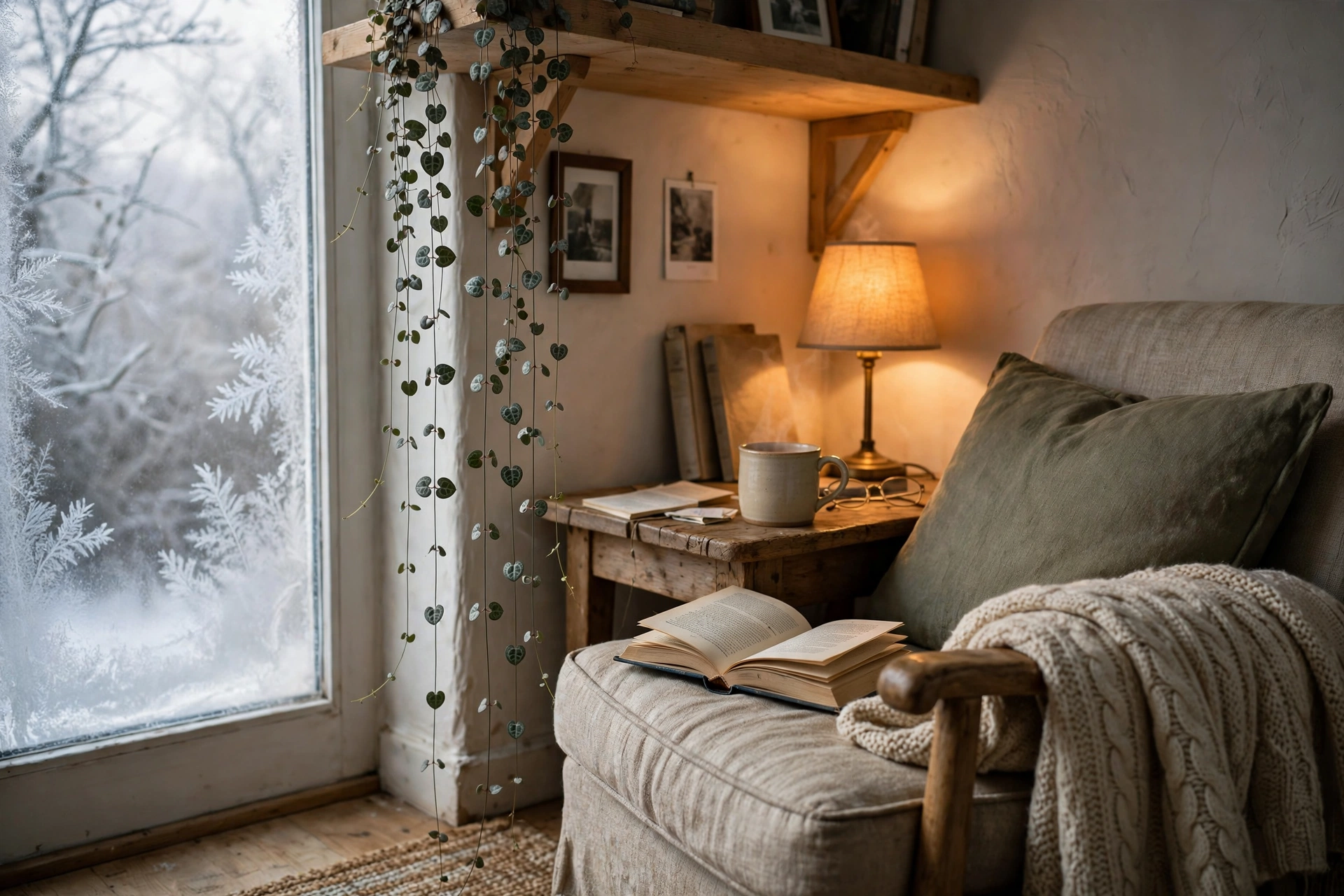
Pure delight, string of hearts drapes thin wiry stems about 3 feet down from a high shelf, looking sweet and lovely. Small heart shaped leaves look dark green with silver marks on top and purple below. Bright indirect sunlight suits this cheerful trailing succulent best near a bright window. Dry soil between waterings keeps roots happy during active growth, so let the mix dry out completely. Cozy winter rest brings dormancy, so reduce watering even further then and let it rest happily. A lovely high shelf keeps strands safely away from chewing pets, and the ASPCA database has no listing for this exact species, a cheerful setup for everyone.
One tip: check the mix with your finger before watering, since overwatering can cause root rot and yellowing leaves, and a cheerful quick check keeps it happy.
5. Spider Plant
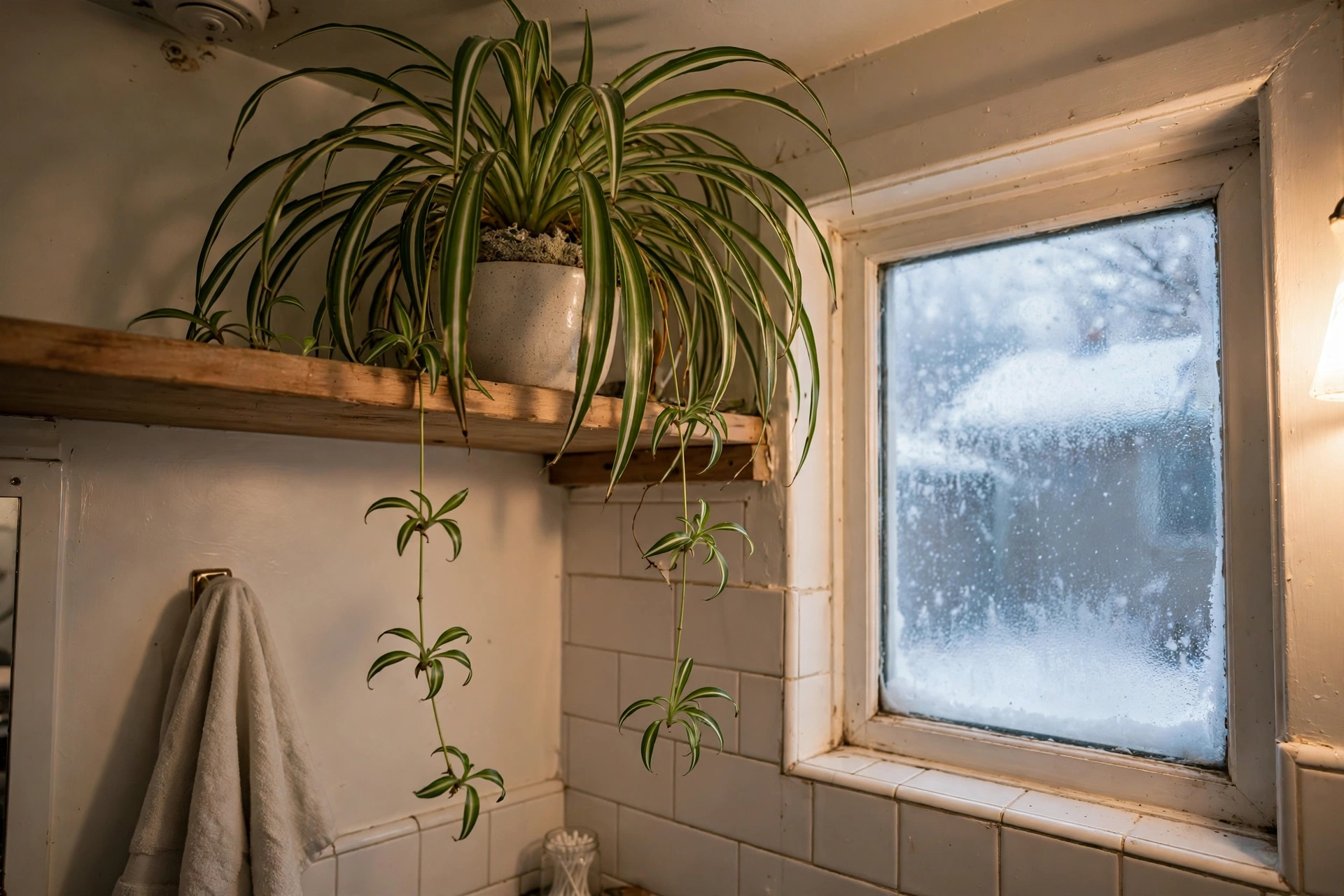
Spider plant sends arching striped leaves and long stems cheerfully over a shelf edge. Baby plantlets dangle from those stems, which gives a high shelf a soft, lovely trailing look. Medium light suits this plant best, and it is intolerant of direct sunlight. Keep temperatures near 50 to 55 degrees F during cold winter nights. Reduce watering during the cold winter months, and it rests happily. Gentle water keeps leaf tips fresh, since chlorine and fluorides in tap water can cause leaf tip burn. The ASPCA lists spider plant as non-toxic to cats and dogs, a happy plus for pet homes.
One tip: pot up one dangling plantlet in moist mix if you want a second lovely plant, since spider plant propagates easily by plantlets.
6. English Ivy
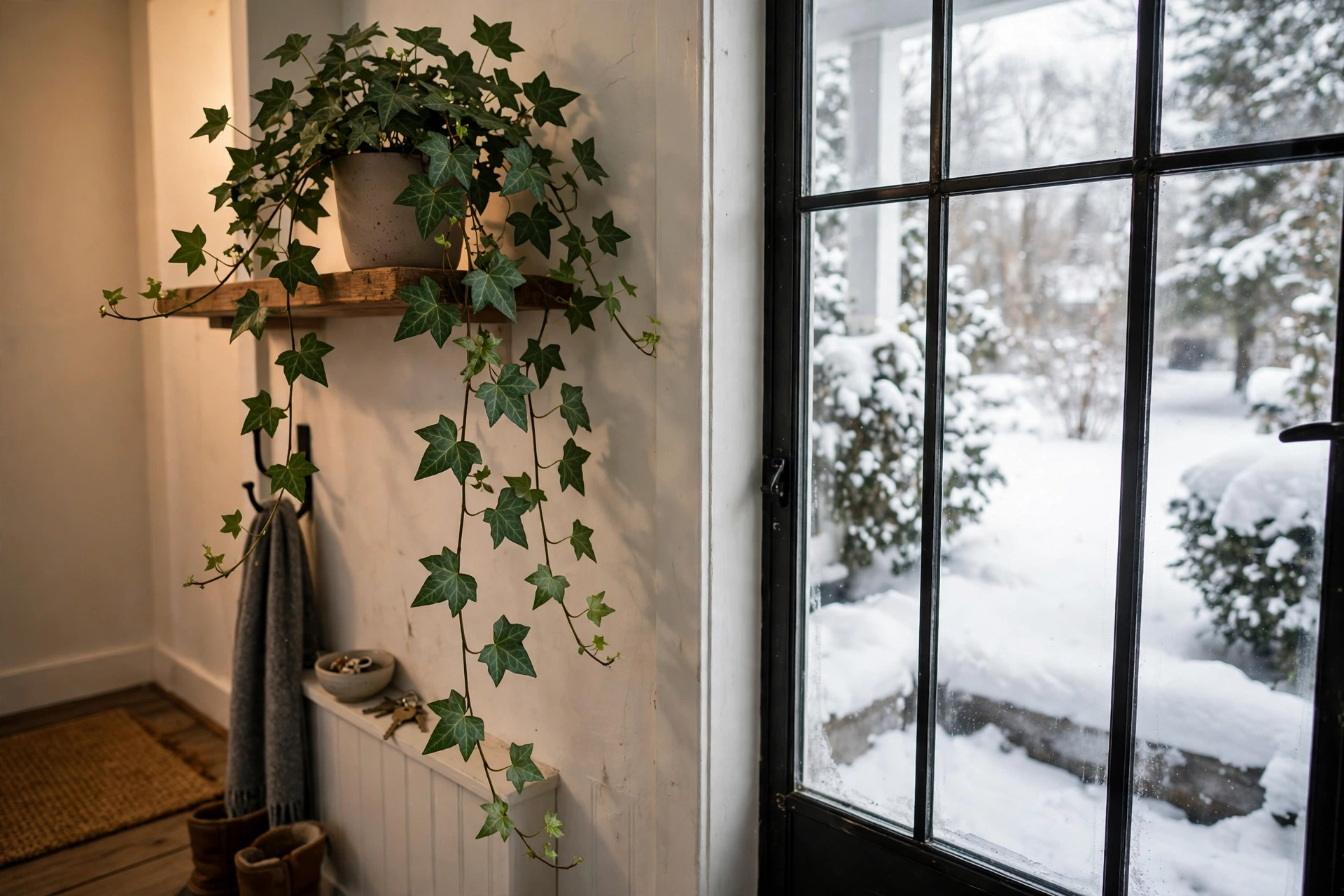
English ivy trails lobed green leaves beautifully from a pot on a high shelf. Bright light without direct sun suits most ivy plants best indoors. Cool rooms of 50 to 70 degrees F during the day suit it well. Water it well, then let the top half inch of soil dry before watering again. North Carolina Extension says it is safer grown as a houseplant in North Carolina. Cheerful light keeps variegated forms pretty, since they may turn all green in low to medium light. The ASPCA lists English ivy as toxic to cats and dogs, so a high shelf keeps everyone safe.
One tip: keep the pot in a cool bright spot away from heat vents, since cooler air and higher humidity help prevent common pests and keep leaves happy.
7. Tradescantia Zebrina
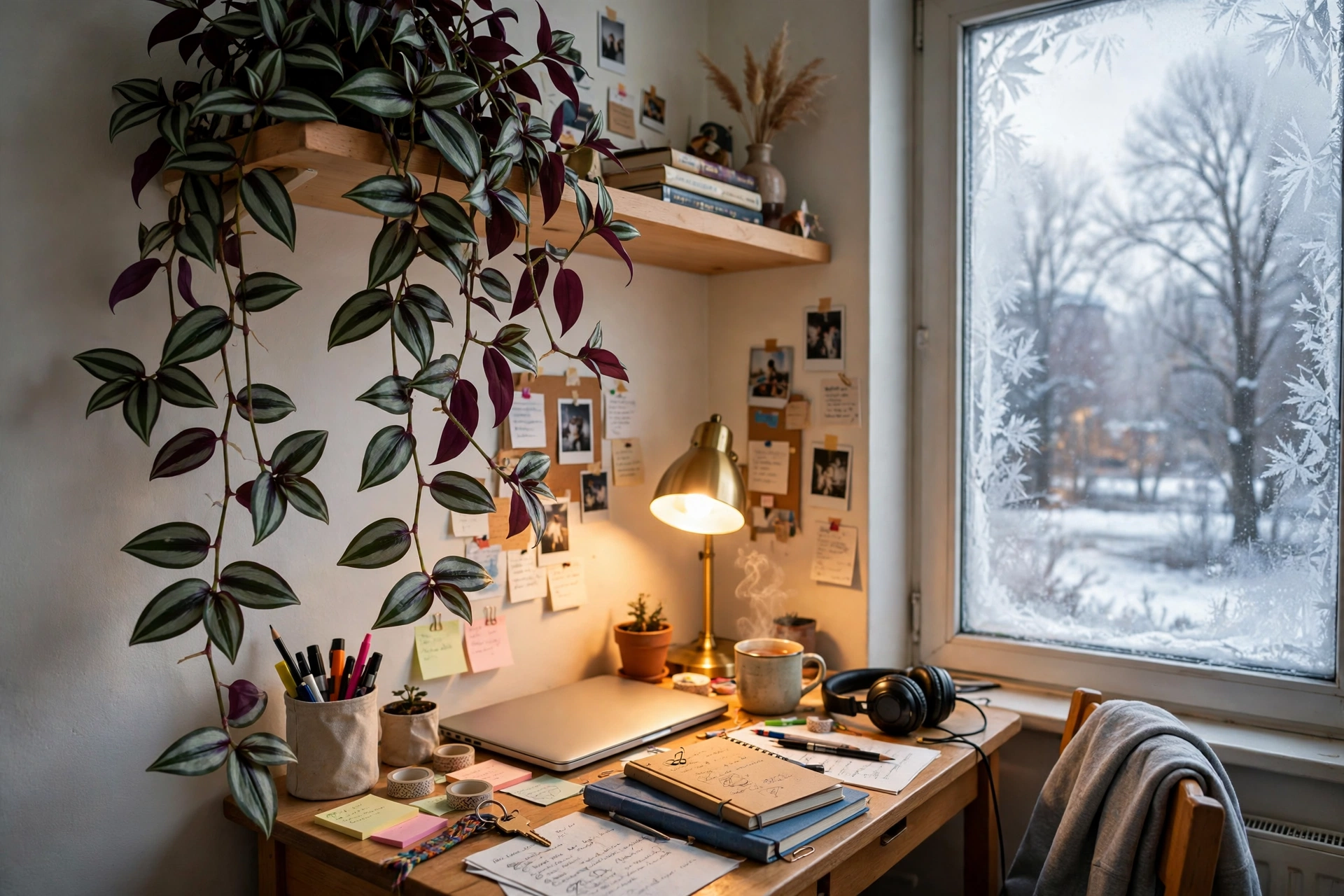
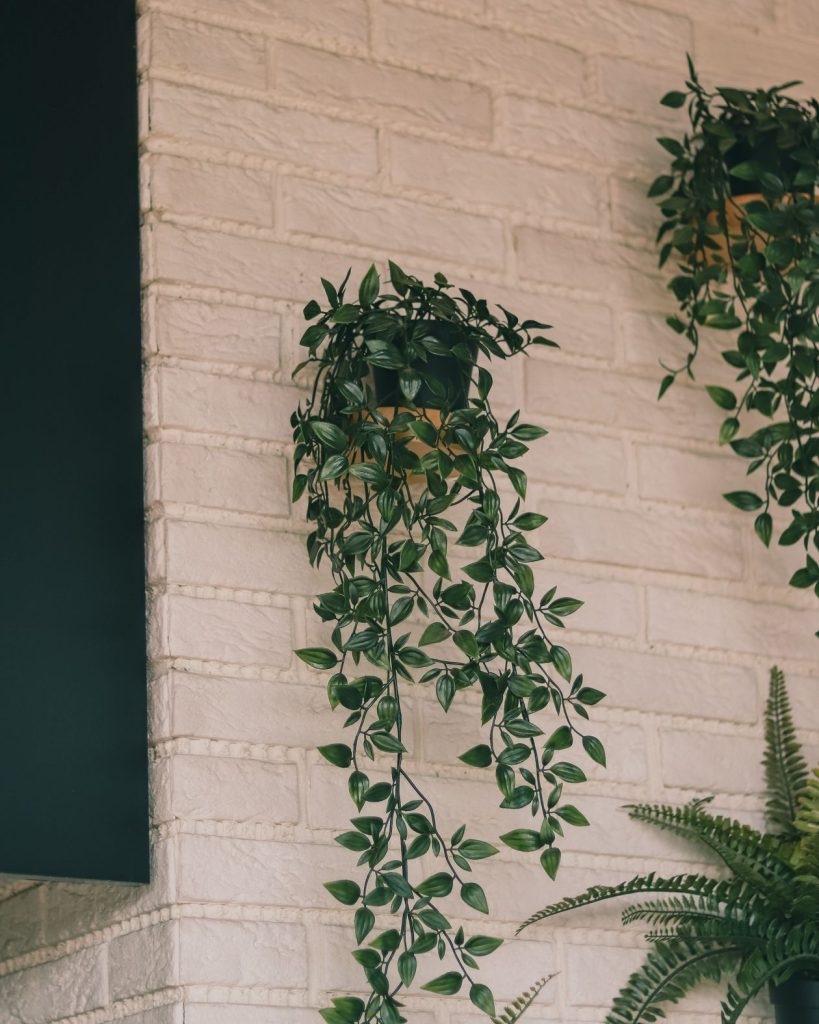
Tradescantia zebrina trails stems with green leaves striped white and silver, looking lovely. Purple undersides show beautifully when stems hang over a high shelf edge. Filtered sun suits this cheerful plant best, so place it near bright window light. Water regularly, allow the soil to dry out between waterings, and reduce watering in winter. Warmth between 65 and 75 degrees F suits this plant best indoors. Gentle handling keeps cuttings happy, since its watery sap can cause skin irritation. Tiny lavender purple flowers appear infrequently indoors on this plant, a sweet surprise when they do.
One tip: water the soil instead of the leaves, since wet leaves and crowding can bring leaf spot on this lovely plant, so dry leaves keep it happy.
8. Burro’s Tail
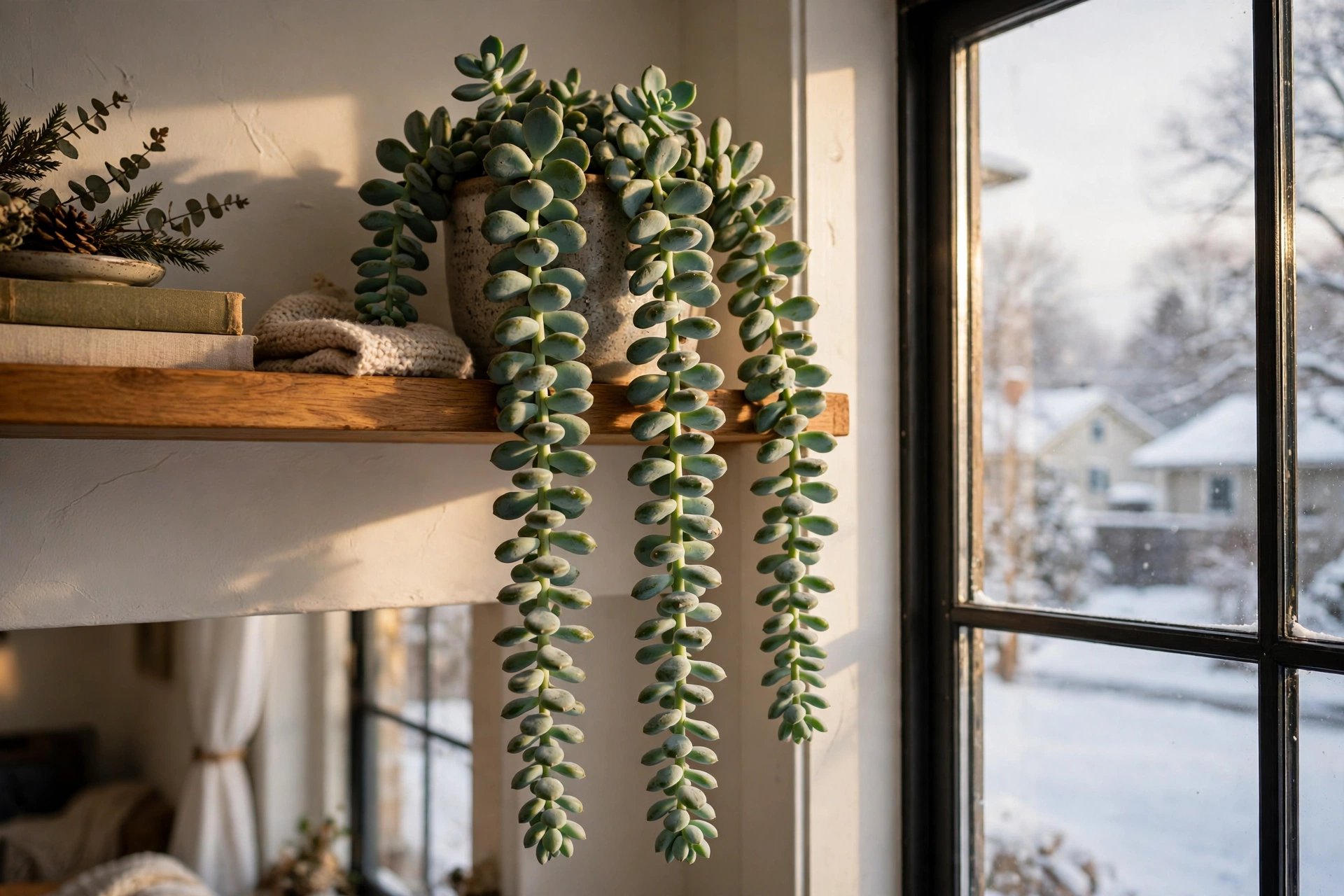
Honestly, burro’s tail trails stems up to 24 inches long beautifully from a high shelf. Fleshy blue green leaves pack each stem like a soft, lovely rope. High light on a windowsill with at least partial sun suits it best. Dry soil between waterings keeps it happy, and winter watering can be reduced. Outdoor plants tolerate temperatures down to 40 degrees F, so keep yours happily indoors in cold weather. Dropped leaves root easily, so fallen leaves can start sweet new plants. The ASPCA lists burro’s tail as non-toxic to cats and dogs, a happy plus for pet homes.
One tip: lift the pot by its base and avoid brushing stems, since delicate leaves break off when handled, so gentle handling keeps it lovely.
9. Hoya Carnosa
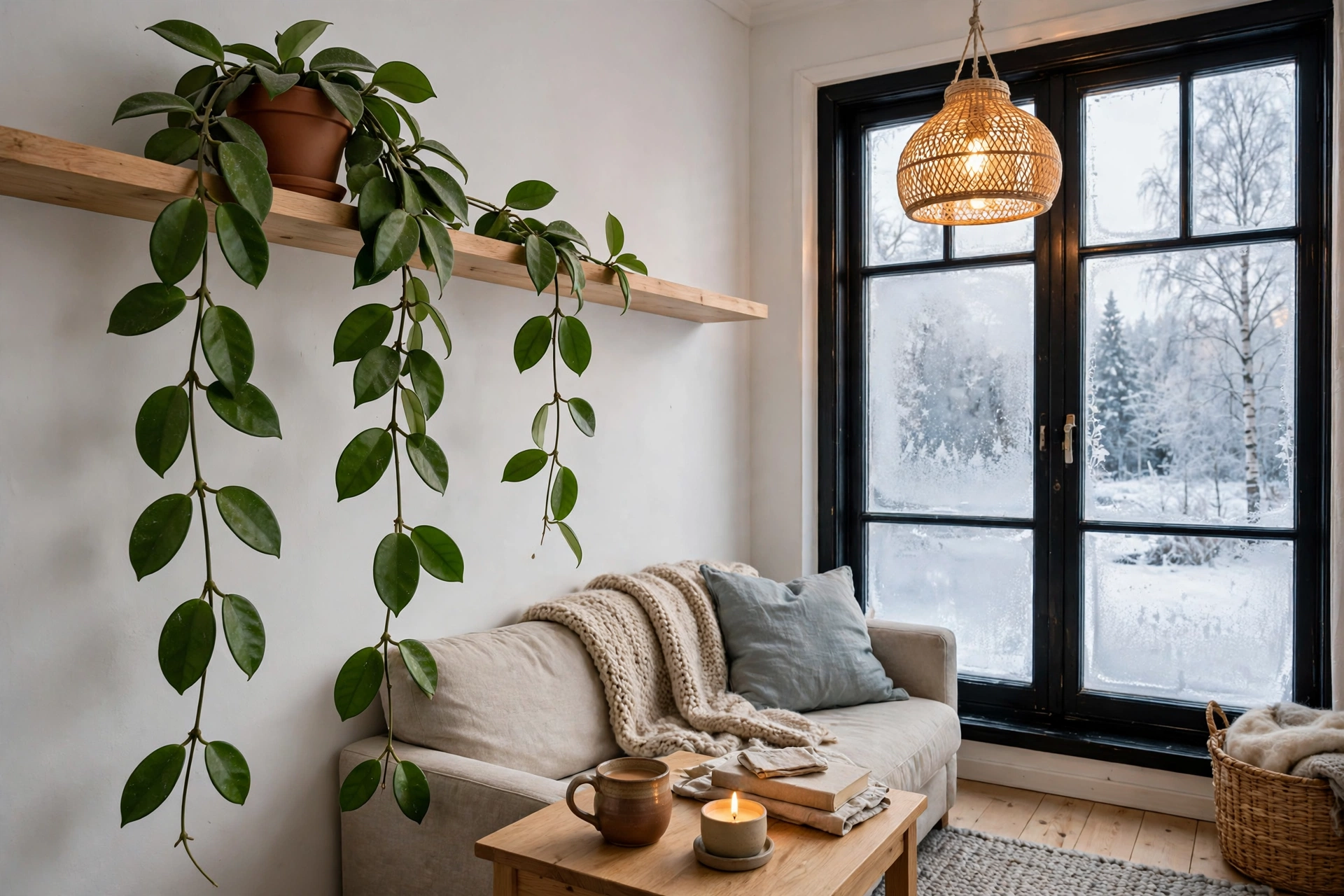
Honestly, Hoya carnosa trails thick succulent leaves on vines beautifully from a high shelf. Bright indirect light year round is ideal for this cheerful wax plant. Happy leaves enjoy a dry spell between waterings, since soil that stays too wet can cause leaves to drop. Most plants will not produce flowers until they are 2 or 3 years old, a sweet wait. Bring it back inside when nighttime temperatures fall below 50 degrees F for cozy nights. Room temperature water keeps it happy, since cold water can shock this plant. The ASPCA lists Hoya carnosa as non-toxic to cats and dogs, a happy plus for pet homes.
One tip: leave old flower spurs on the stems after blooming, since those same spurs can produce flowers again for several years, a lovely reward each season.
10. Mistletoe Cactus
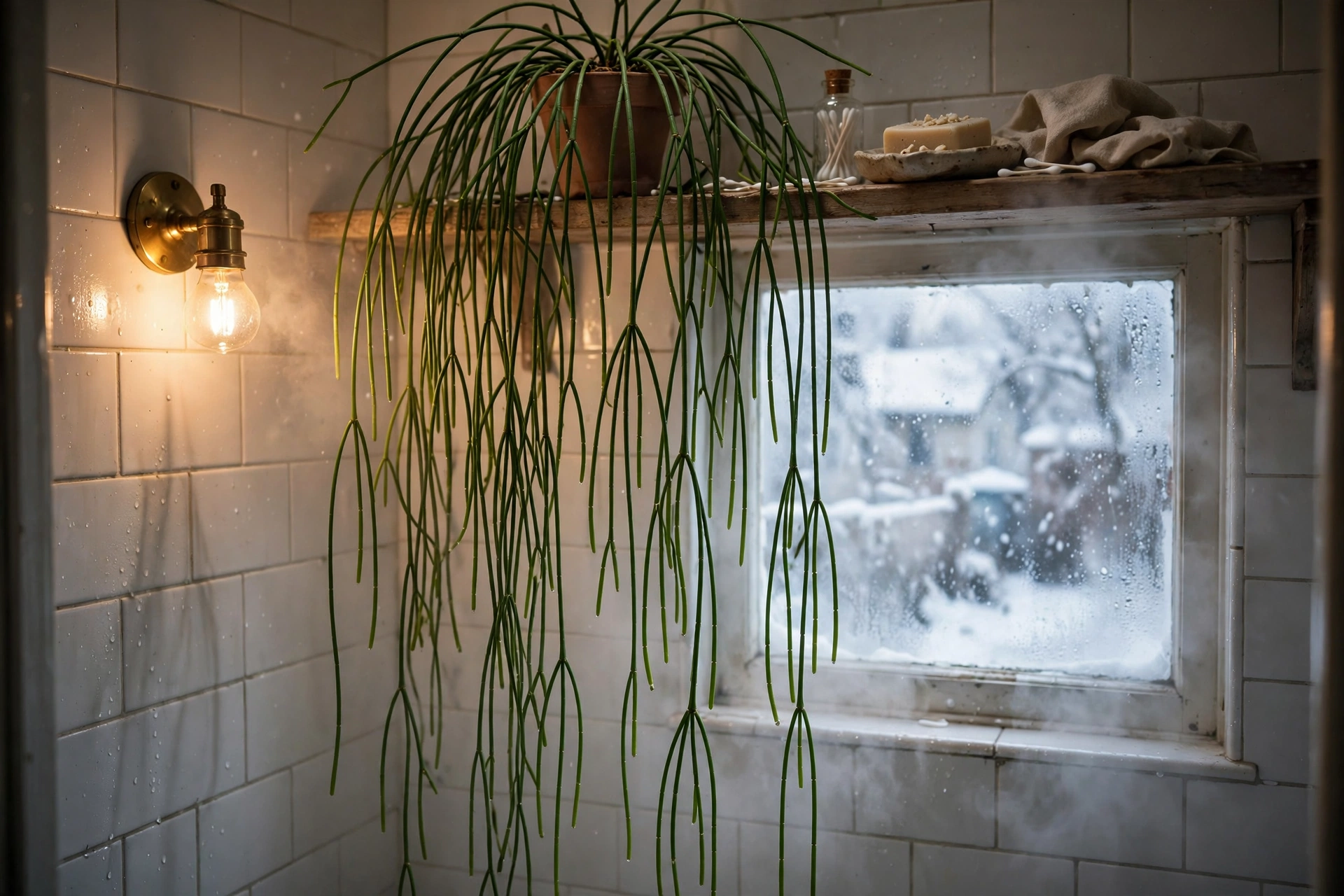
Honestly, mistletoe cactus trails slender green stems with no leaves or spines, looking lovely. Long stems hang like soft green strings beautifully from a high shelf. Bright indirect light suits this plant best, and gentle light keeps stems fresh and happy, since direct sunlight can scorch them. Happy roots like water when the soil feels dry, without overwatering the pot. Warm rooms between 60 and 80 degrees F suit this plant best. Reduce watering in winter while the plant rests happily. The ASPCA lists mistletoe cactus under the synonym Rhipsalis cassutha as non-toxic to cats and dogs, a happy plus for pet homes.
One tip: set the pot on a tray of wet pebbles in dry winter air, since this plant prefers high humidity indoors, and it stays happy.