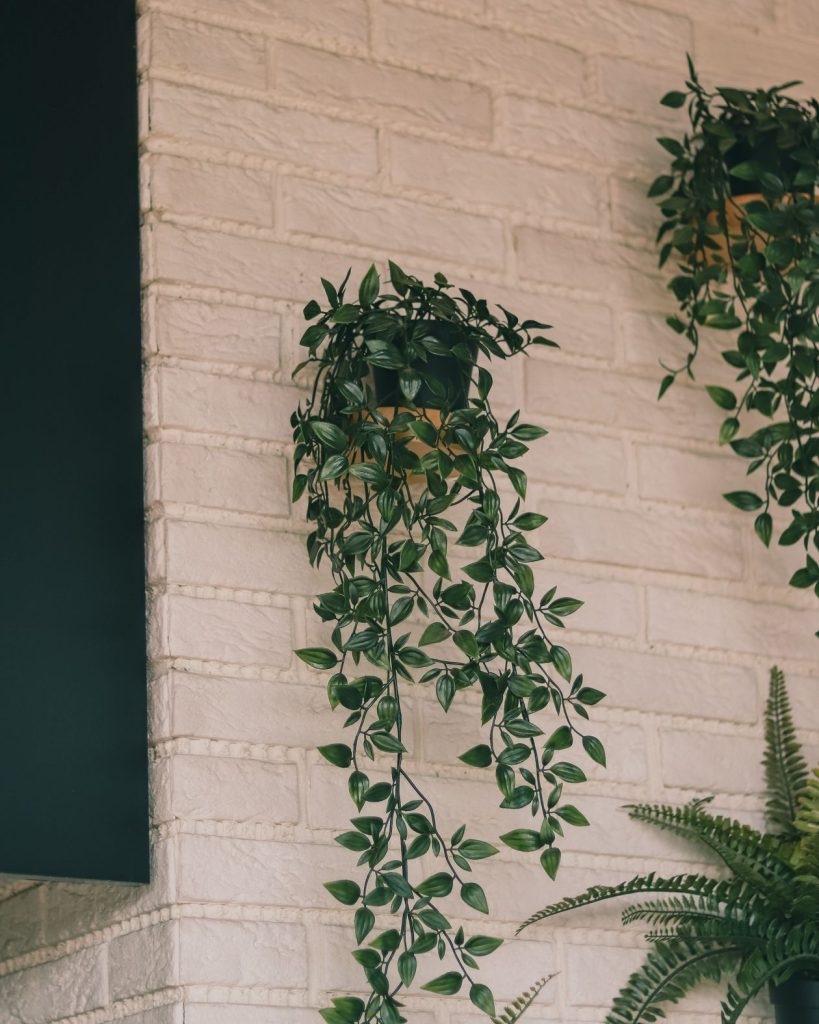
Your apartment is small. Your plant wish list is not. These space saving plant ideas for a small apartment close that gap without turning your home into an obstacle course. Every method below adds real plant capacity, and most of them cost less than one big floor plant.
Small spaces reward thinking up, not out. One square foot of floor can hold six plants if you stack it right. A bare wall can hold twelve. Here are ten ways to do it, with honest numbers on what each method holds.
How Many Plants Can a Small Apartment Actually Hold?
Here is the number most guides skip. A 500 square foot apartment can hold twenty plants without feeling crowded, if you spread them across four zones. One zone by the brightest window, one in a corner, one on furniture, and one in the kitchen or bathroom. Plants feel crowded when they sit in one heap, not when they live in small groups around the room.
The math works because plants use vertical space for free. A stand twelve inches wide and four feet tall holds six to eight small pots in the floor space of one big pot. A wall pocket panel holds twelve plants and touches no floor at all. Add those tricks together and a studio can hold a real collection.
Light sets the real limit, not floor space. Count your bright windows first. Then pick methods that put plants near that light. The ideas below start with the ones that hold the most plants per square foot. For the room by room picture, see our guide to indoor garden layouts for small spaces.
1. Stack Up With a Tiered Plant Stand
A tiered stand is the fastest way to multiply your plant count. A three tier stand holds three or four plants in the footprint of one pot. A five tier corner tower holds five to seven small pots in about one square foot. No drilling, and it moves with the seasons.
Setup notes
Put the heaviest pot on the bottom tier. A ten inch terracotta pot can weigh twenty pounds or more once the soil is wet, and a top heavy stand tips when you bump it. Bamboo stands run about eighteen to twenty five dollars for two or three tiers. A-frame stands cost a little more and stand steadier than leaning ladders, because the weight spreads across a wider base.
Best plants for a tiered stand
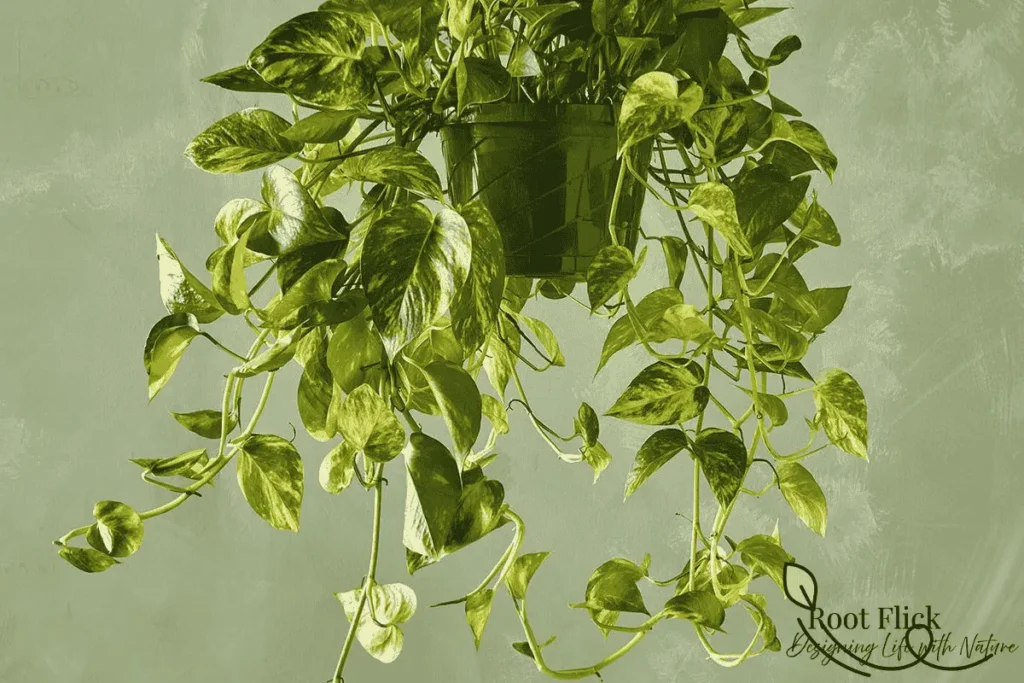
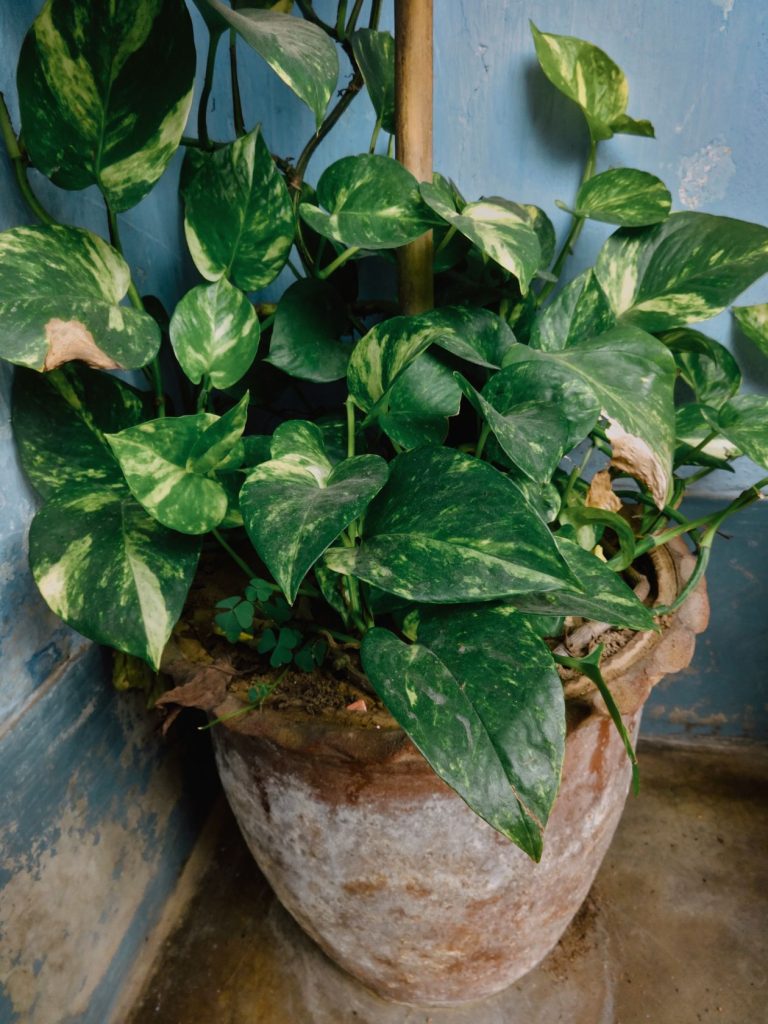
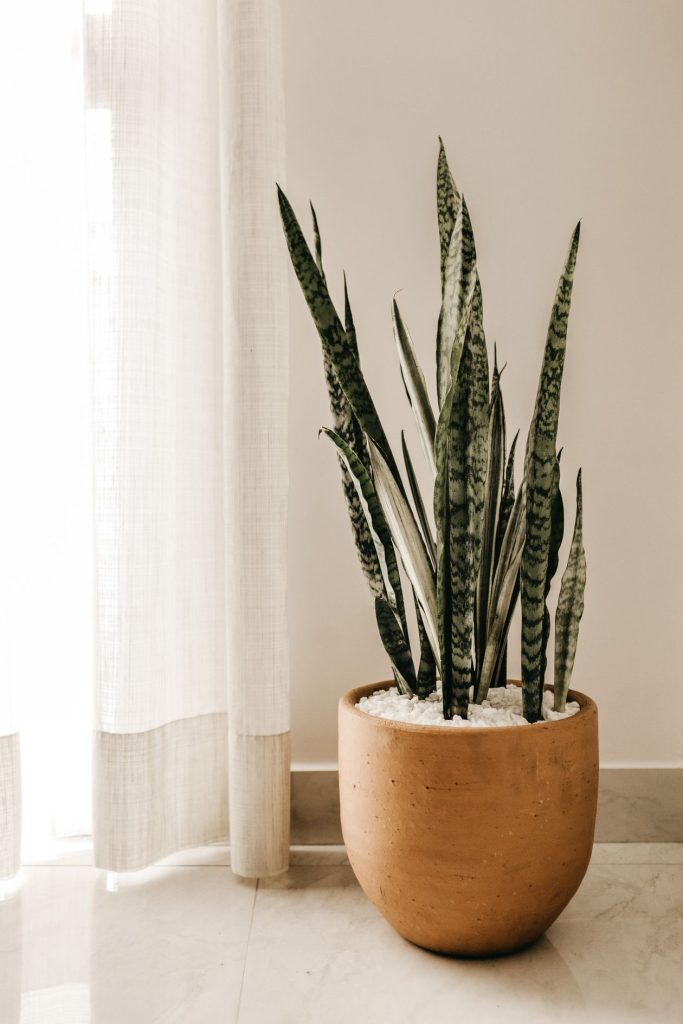
Top tier takes jade plants, small succulents, and compact cacti. Middle tiers suit pilea, peperomia, and small ferns. Bottom tier is home for snake plants, ZZ plants, and pothos. Trailing plants work on any tier, and their vines soften the frame as they spill down.
Watch out for
Check the weight rating before you load it up. Cheap stands sag under wet soil. Water the bottom plants in place and carry the top pots to the sink, so drips do not run down onto the plants below. Leave one small gap on each shelf so air moves between the pots.
2. Grow Several Plants in One Pot
One wide pot can hold three plants in the space of one. A twelve inch pot fits two or three small plants with room to grow. You water once, you feed once, and the group shares humidity like a tiny greenhouse.
Setup notes
Match plants with the same light and water needs. That rule decides everything. A fern and a cactus in one pot is a funeral, not a garden. Leave four to six inches between root balls so each plant gets its share of water and food. Use a pot with drainage holes and a saucer that fits the pot, not a plate that overflows.
Build the pot in three layers. One tall plant at the back for height, one bushy plant in the middle for fullness, and one trailing plant at the edge to spill over. That anchor, filler, and trailer shape looks designed even when you plant it in ten minutes.
Best plants for a shared pot
Try a fern with a calathea and a spider plant for a moisture loving trio. Try jade with echeveria and aloe for a sunny, dry loving group. Snake plant with ZZ plant is the set and forget pair for low light. Spider plant with pothos is the easy pair for beginners, since both forgive a missed watering.
Watch out for
Skip plants that poison their neighbors. Mother of thousands drops plantlets everywhere and can take over a shared pot. Fast growers crowd slow growers, so pair plants with similar growth speeds.
3. Stretch Your Windowsill
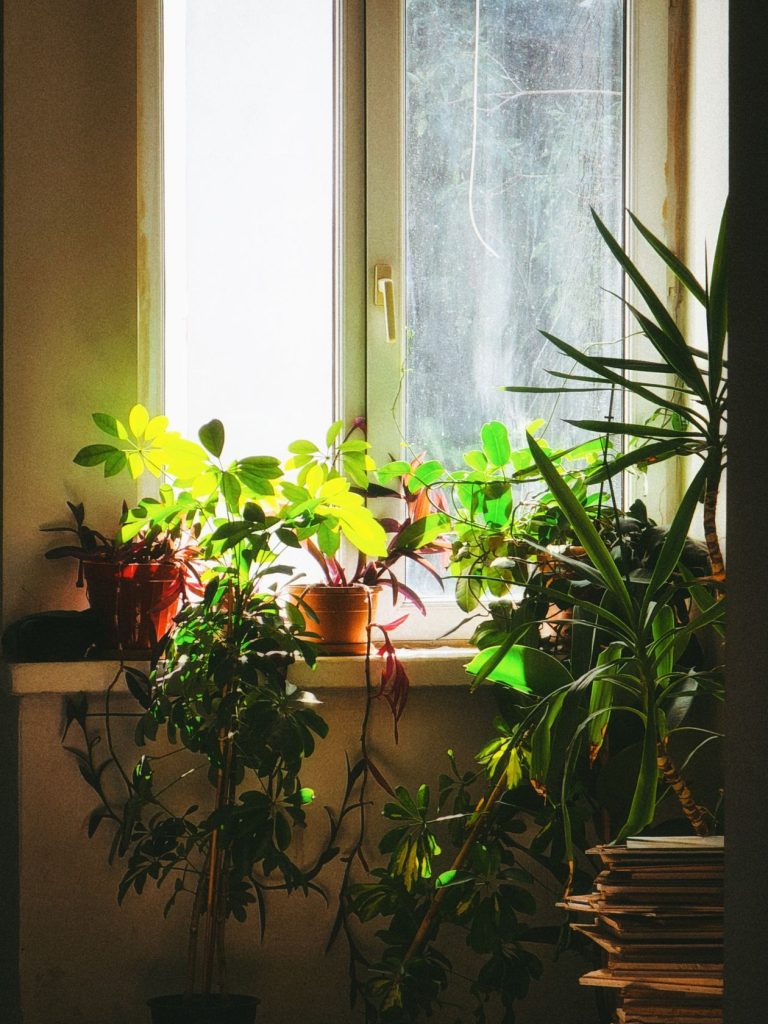
Most windowsills hold two small pots and nothing else. A sill extender board doubles that depth, and a tiered window shelf triples it. A clamp on tray adds one more pot per window without a single screw. Windows are the brightest real estate in a small apartment, so every extra inch of sill is prime growing space.
Setup notes
A board on brackets under the window is the sturdiest option, and laminate board resists water damage. A leg supported extender needs no drilling and rests against the wall, which suits renters. Glass shelves mounted inside the window frame stack plants upward and keep the sill clear. Keep the total load under twenty five pounds on a window shelf, and keep pots back from the edge.
Check the window direction first. East and south windows give most plants the light they need. North windows suit only low light plants, and a shelf full of sun lovers there will stretch and sulk.
Best plants for the sill
Herbs love a sunny sill, and basil, thyme, and chives earn their space by flavoring dinner. Our mini herb garden ideas for kitchens show which herbs share a sill happily. Succulents, jade plants, and small cacti thrive in direct sun. African violets and peperomia suit an east window with softer morning light.
Watch out for
Windowsills get cold in winter, and cold glass can chill roots overnight. Slide a cork mat or a folded towel under pots on cold nights. Never block the window latch or the curtain track with a shelf.
4. Hang a Rail Between Two Walls
A tension rod wedged between two walls turns dead air into plant space. One rod across a window alcove holds two or three small hanging pots and costs less than a takeout dinner. A floor to ceiling tension pole holds four to six pots in a circle less than six inches wide. Both leave no holes behind.
Setup notes
Weight is the whole game here. A standard tension rod rated at five pounds should carry no more than two and a half pounds in real life. That is one small pot, not a big pothos. A heavy duty short span rod rated at twenty five pounds can hold two or three small pots with room to spare. Hang pots two or three inches in from the walls, where the rod is stiffest, and leave the middle open.
Use S hooks to hang pots from the rod, and check that each hook closes fully. For the full no drill playbook, see our guide to hanging planters for small spaces.
Best plants for a tension rail
Pothos, string of pearls, and spider plants trail from a rail and stay light. Air plants weigh almost nothing and suit the lightest rods. Small ferns work if the rod sits near a bright window, since they love the humidity of a kitchen or bathroom rail.
Watch out for
Weigh the pot after watering, not before. Wet soil can weigh nearly twice as much as dry soil. Test the rod with a firm tug before you hang anything breakable below it. Never hang a plant from a light fixture, a curtain track, or a rod that spans more than its rated length.
5. Claim the Corners
Corners are the most wasted square feet in a small home. A quarter circle corner tower turns one dead corner into five shelves of plants. A three tier tower holds five to seven small pots and costs about twenty to forty five dollars. That is the highest plant count per square foot of any freestanding stand.
Setup notes
Measure the corner before you buy. Some towers are wider than they look in photos, and a tower that juts into the walkway gets bumped every day. Keep the tower at least twelve inches from a radiator, or the lowest plants dry out faster than you can water them. Anchor a tall tower to the wall if you have kids or pets who climb.
Best plants for a corner tower
Put jade plants and small succulents on top where the light is strongest. Pilea and peperomia suit the middle shelves. Snake plants, ZZ plants, and pothos handle the shadier bottom shelf without complaint. One trailing plant on the top shelf softens the whole tower.
Watch out for
Corners collect dust and still air, so wipe leaves and check for pests more often than you would on a window plant. Do not cram the shelves full. One empty spot keeps the tower looking styled instead of stuffed.
6. Turn Furniture Tops Into Plant Shelves
The top of a bookcase, a cabinet, or a wardrobe is free plant space you already own. One trailing pothos on a bookcase top reads as a whole display. A row of small pots on a dresser turns storage into a garden. You add plants without buying a single piece of furniture.
Setup notes
Put a saucer or a cork mat under every pot. Wood and water are not friends, and one forgotten drip leaves a ring that outlives the plant. Use a small step stool for watering, since high pots are easy to forget and hard to reach.
Best plants for furniture tops
Pothos, heart leaf philodendron, and hoya trail down the front of tall furniture and soften hard edges. Small succulents tucked between books act as living bookends. Air plants need no soil and sit happily on a cabinet top in a bright room. For styling ideas that keep shelves looking designed, see how to style indoor plants in your living room.
Watch out for
Furniture away from windows is dimmer than you think. Shelves against an inside wall may get only low light, so choose plants that tolerate it. Keep pots away from the edge if you have cats who like high places.
7. Go Flat Against the Wall
A wall pocket panel holds twelve plants on a patch of wall two feet wide and three feet tall. It touches no floor, needs no shelf, and costs about twenty to forty dollars.
Setup notes
Hang the panel from two sturdy hooks and check the wall can take the weight once the pockets are wet. Soil plus water is heavy, and a full panel weighs far more than an empty one. Put a waterproof liner behind the panel to protect the paint. Water slowly from the top pocket down, so each row drains into the next instead of onto the floor.
Renters can use heavy duty adhesive strips rated for the full wet weight, or lean a freestanding grid frame against the wall and clip pots to it. Both options leave the wall unmarked when you move out.
Best plants for wall pockets
Herbs thrive in pockets, and basil, mint, and chives are easy to snip while you cook. Small ferns, pothos, and peperomia fill pockets fast. Succulents suit a sunny wall, since pockets dry out quickly and succulents prefer it that way.
Watch out for
Felt pockets dry out faster than plastic pots, so check the soil every two or three days in summer. Skip pockets on a wall with poor airflow, since damp fabric and still air invite mold.
8. Put Your Plants on Wheels
A rolling cart turns one sunny window into a garden that serves the whole apartment. Roll the cart to the window for morning sun, then roll it back to its display spot. A two tier metal cart holds six to eight small pots and costs about twenty five to fifty dollars. A single caddy under a heavy pot costs under fifteen dollars and saves your back every time you mop.
Setup notes
Choose a metal frame over flimsy plastic, since a cart full of wet soil is heavy. Lock the casters once the cart is parked, so it does not drift across the floor. Keep the total weight under the cart rating, and put the heaviest pots on the lowest shelf. A cart with a folding frame stores flat if you ever need the space back.
Best plants for a rolling cart
Herbs love a kitchen cart that rolls to the window each morning. Small leafy plants like pilea, fittonia, and peperomia suit the upper tiers. A citrus tree or a large monstera earns a caddy of its own, since moving it by hand is a two person job.
Watch out for
Wheels work on smooth floors and struggle on thick rugs, so test the route before you load the cart. Water the plants before you roll, not after, so the cart does not drip across the floor.
9. Lean a Ladder Shelf Against the Wall
A leaning ladder shelf is the renter’s best friend. It stands under its own weight, needs no screws, and carries out in one piece when you move. A four rung ladder holds six to eight small pots in a strip of floor about two feet wide. The shallow shelves force you to use small pots, which keeps the display looking curated.
Setup notes
Pick a ladder with four or five rungs and a depth of about ten inches. Put trailing plants on the top rung so they spill down and soften the frame. Keep the heaviest pots on the bottom rung, where the ladder is widest and steadiest. Leave one rung partly empty, since a ladder with breathing room looks styled and a packed ladder looks like storage.
Best plants for a ladder shelf
String of pearls, pothos, and hoya trail from the top rungs. Small succulents and air plants suit the middle rungs. A snake plant or a ZZ plant anchors the bottom rung with height and structure.
Watch out for
A leaning ladder can slide on smooth floors, so add rubber feet or a non slip mat under the base. Do not overload the top rungs, since weight up high makes the ladder tip forward.
10. Fill the Odd Spots
The last plants fit in the spots you stopped seeing. A stool beside the sofa holds one pot at eye level. The top of a fridge, a bathroom ledge, and the space under a side table all hold plants that would otherwise have no home.
Setup notes
Match the spot to the plant, not the other way around. Bathrooms suit humidity lovers like ferns and calatheas. Kitchens suit herbs and small leafy plants that enjoy steam. A shaded spot under a table suits a ZZ plant or a snake plant. A sunny entryway suits a succulent that greets you at the door.
A single pot on a stool looks deliberate, while a pot on the floor in a walkway looks like clutter. Height is the difference, and a stand or a stool gives it to you for a few dollars. Small bedrooms have their own odd spots, and our guide to the best plants for a small bedroom shows which plants earn a place there.
Best plants for odd spots
Snake plants and ZZ plants handle low light corners and forgotten waterings. Small ferns love bathroom humidity. Pilea and peperomia fit on narrow ledges and small stools. A trailing pothos on top of a tall cabinet fills a high odd spot with almost no care.
Watch out for
Fridge tops get warm and dry, so check the soil often and skip plants that need humidity there. Radiator covers are too hot for most plants, so keep pots at least a foot away from any heat source.
Which Method Fits Your Space Best?
Use this table to pick the one or two that match your space, then add more as your collection grows.
| Method | Floor space | Plants it holds | Renter safe | Rough cost |
|---|---|---|---|---|
| Tiered plant stand | About 1 sq ft | 4 to 8 | Yes | $18 to $60 |
| Shared pot | 1 pot | 2 to 4 | Yes | $10 to $30 |
| Windowsill extender | No floor space | 2 to 6 | Yes | $15 to $40 |
| Tension rail | No floor space | 2 to 6 | Yes | $10 to $30 |
| Corner tower | About 1 sq ft | 5 to 7 | Yes | $20 to $45 |
| Furniture tops | No floor space | 3 to 8 | Yes | $0 to $15 |
| Wall pocket panel | No floor space | 6 to 12 | With strips | $20 to $40 |
| Rolling cart | About 2 sq ft | 6 to 8 | Yes | $25 to $50 |
| Ladder shelf | About 2 sq ft | 6 to 8 | Yes | $30 to $60 |
| Odd spots | Varies | 1 to 3 each | Yes | $0 to $20 |
Light and Watering When Plants Live Close Together
Packed plants share humidity, which most tropical plants love, but they also share shade, still air, and pests. Three habits keep a dense collection healthy.
Light
Light is the first thing packed plants compete for. Upper shelves shade lower shelves, and a bushy plant shades its neighbor. Rotate each pot a quarter turn every week so every side gets its turn. If the back of a shelf stays dim, a small clip on grow light costs less than replacing the plants that stretch and fade there.
Water
Grouped plants dry out more slowly than lonely ones, because the group holds humidity around the leaves. Check the soil with your finger before you water, and skip any pot that still feels damp an inch down. A saucer under every pot protects shelves and floors, but empty the saucer after watering so roots do not sit in water.
Airflow
Still air is the quiet risk in a packed collection. Leaves that touch give pests a free highway from plant to plant, and damp leaves in still air invite mold. Leave a few inches between pots so air moves freely. A small fan on low, pointed near the plants but not straight at them, keeps the air moving. Group plants within twelve to eighteen inches of each other for a humidity boost, but never let the leaves press together for long.
| Pot size | Minimum gap | Why it matters |
|---|---|---|
| Small pots up to 4 inches | 2 to 3 inches | Airflow and pest checks |
| Medium pots 6 to 8 inches | 4 to 6 inches | Light reaches lower leaves |
| Large pots 10 inches and up | 6 to 8 inches | Roots and leaves need room |
5 Mistakes That Shrink Your Collection
Each of these five mistakes has a simple fix, and the fix usually costs nothing.
Mistake 1. Buying big plants first
A big plant eats a whole square foot on day one. Small plants grow into the space and let you fit three where one big plant would sit. Start small, buy young, and let time do the upsizing for free.
Mistake 2. Filling every surface at once
A shelf packed edge to edge looks lush for a week, then the plants shade each other and the air goes still. Leave one gap on every shelf. The gap keeps air moving and gives new growth somewhere to go.
Mistake 3. Ignoring weight limits
A rod, a hook, or a shelf has a number, and wet soil always weighs more than you guess. Plan on half the printed rating for anything that hangs. Your floor will thank you, and so will your deposit.
Mistake 4. Putting sun lovers in dark corners
A succulent in a dark corner stretches, pales, and drops leaves. Match the plant to the light you have, not the light you wish you had. Dark corners belong to snake plants, ZZ plants, and pothos, and they look great there.
Mistake 5. Watering everything on the same schedule
A fern and a succulent on the same shelf need different water on different days. Water by soil, not by calendar. A quick finger test takes five seconds and saves more plants than any app.
FAQs About Space Saving Plant Ideas for a Small Apartment
Q1. How many plants can fit in a small apartment?
A 500 square foot apartment can hold about twenty plants without feeling crowded. Spread them across four zones, one by the window, one in a corner, one on furniture, and one in the kitchen or bathroom.
Q2. Can I grow plants with only one window?
Yes, and a rolling cart makes one window work harder. Roll light loving plants to the window for a few hours each day, then roll them back. Fill the darker spots with snake plants, ZZ plants, and pothos, which grow happily in low light.
Q3. Do plants in a shared pot need drainage holes?
Yes, always. A shared pot without drainage holds water at the bottom and rots the roots of every plant in it. Use a pot with holes and a saucer, and empty the saucer after each watering.
Q4. How do I hang plants without drilling?
A tension rod across a window alcove is the easiest start, and a floor to ceiling pole works in open rooms. Heavy duty adhesive hooks hold light pots on smooth walls. Always plan on half the printed weight rating, and weigh the pot after watering.
Q5. What plants grow best in small spaces?
Snake plants, pothos, ZZ plants, peperomia, pilea, and spider plants earn their space in any small apartment. They stay compact, tolerate low light, and forgive a missed watering.
Q6. How far apart should indoor plants be?
Leave two to three inches between small pots and four to six inches between medium pots. Leaves should not press together for long, since touching leaves spread pests and trap moisture.
Q7. Can I put plants on top of a bookshelf?
Yes, and trailing plants look made for the spot. Pothos, hoya, and heart leaf philodendron spill down the front and soften the shelf. Put a saucer under every pot, and choose low light plants if the shelf sits far from a window.
Q8. How do I water plants on high shelves?
Carry the pot to the sink, water it there, and let it drain before you put it back. A small watering can with a long spout reaches pots you cannot lift. Water in the morning so drips dry before the evening.
Q9. Are wall pocket planters safe for rentals?
Yes, with the right setup. Heavy duty adhesive strips hold light panels on smooth walls, and a freestanding grid frame leans against the wall with no holes at all. Put a waterproof liner behind the panel to protect the paint, and check the weight once the pockets are wet.
Q10. What is the cheapest way to fit more plants in?
Start with what you own. Furniture tops cost nothing, a shared pot costs one pot, and a tension rod costs less than a takeout dinner. A ten dollar caddy under a heavy pot saves your back and your floors.
Start With One Method
Ten ideas is a lot, so start with one. A tiered stand by the window is the easiest first step, and a shared pot is the cheapest. Once the first method feels easy, add the next. Small apartments do not limit plant lovers. They just reward the ones who think up, share pots, and use every wall.