1. Boston Fern
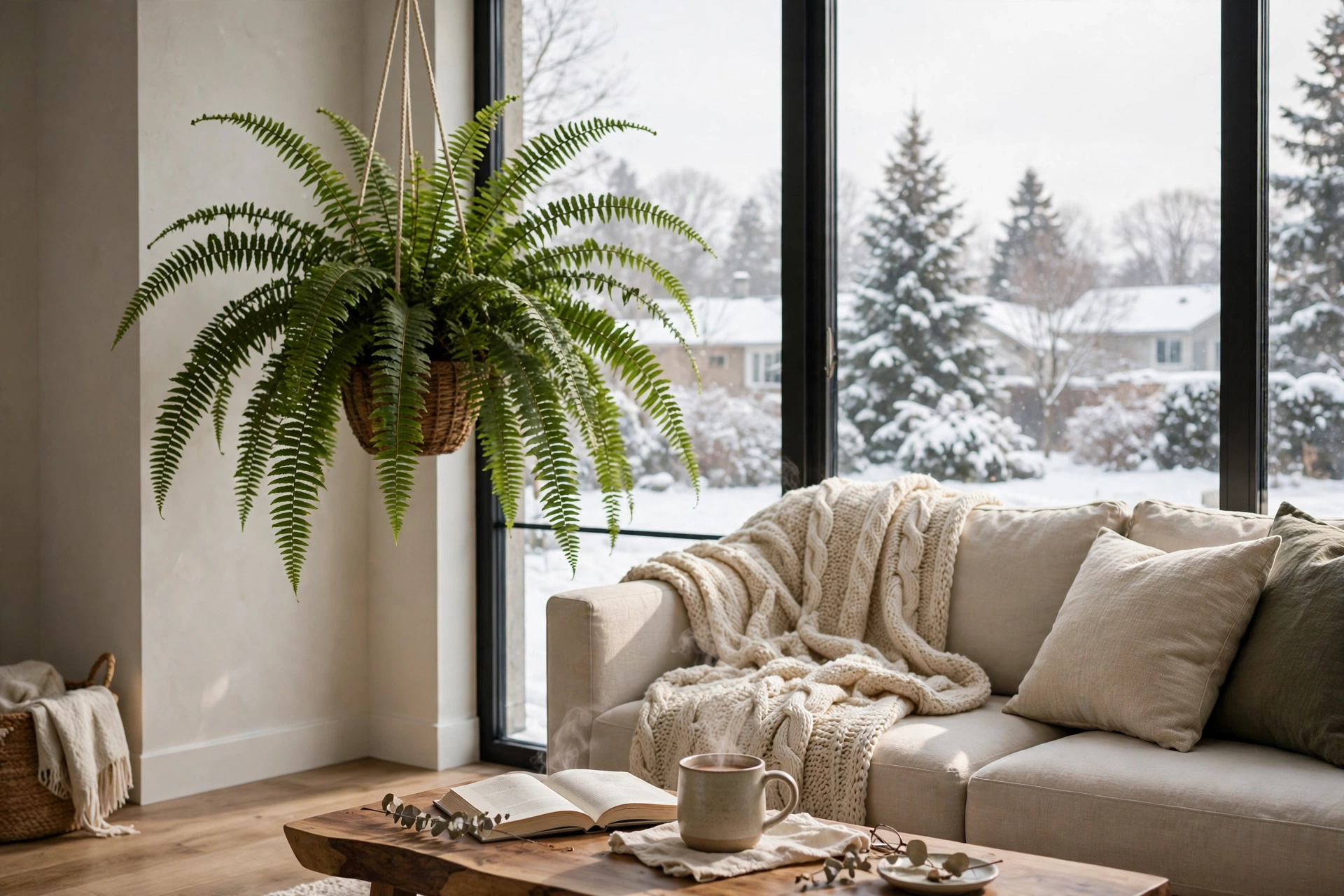
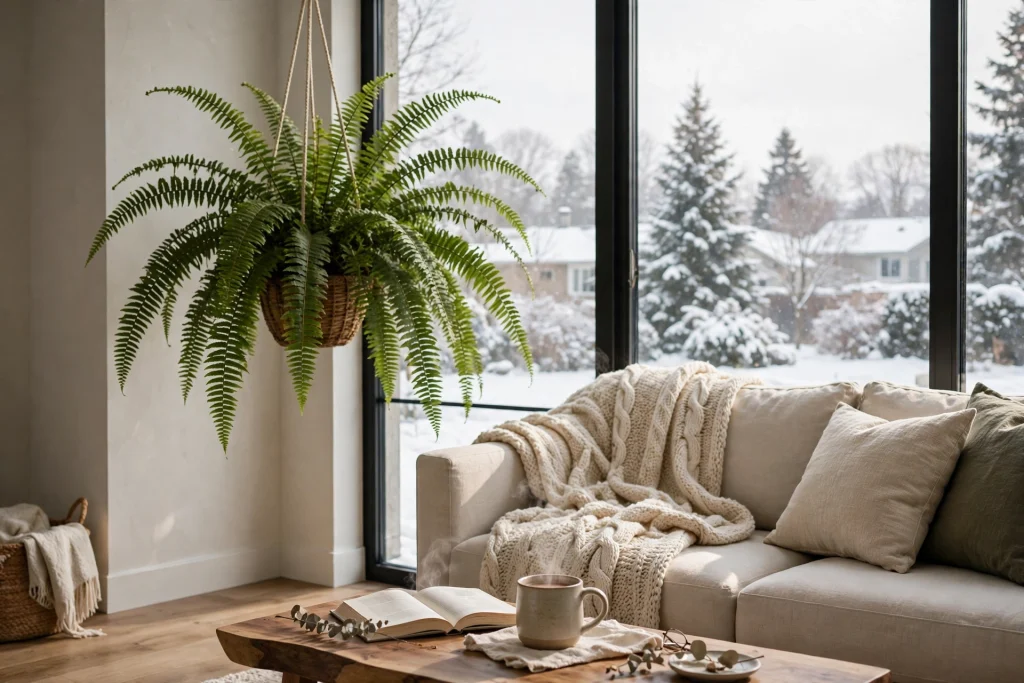
Okay, so here’s the thing! Boston fern turns a living room corner into a green waterfall, and it barely asks for anything back. Its arching fronds grow 2 to 3 feet long, and every leaflet adds soft texture beside the sofa. Bright indirect light keeps the fronds full and green, so an east window works great. Keep the soil evenly moist, since steady drinks keep the fronds fresh and happy! Moist air at 50 percent humidity or higher keeps the leaflet tips green, so a pebble tray helps in dry winter rooms. The ASPCA lists Boston fern as non-toxic to cats and dogs, wonderful news for pet owners!
One tip: hang it in a basket near the window, since the trailing fronds catch more light and stay clear of wagging tails!
2. Areca Palm
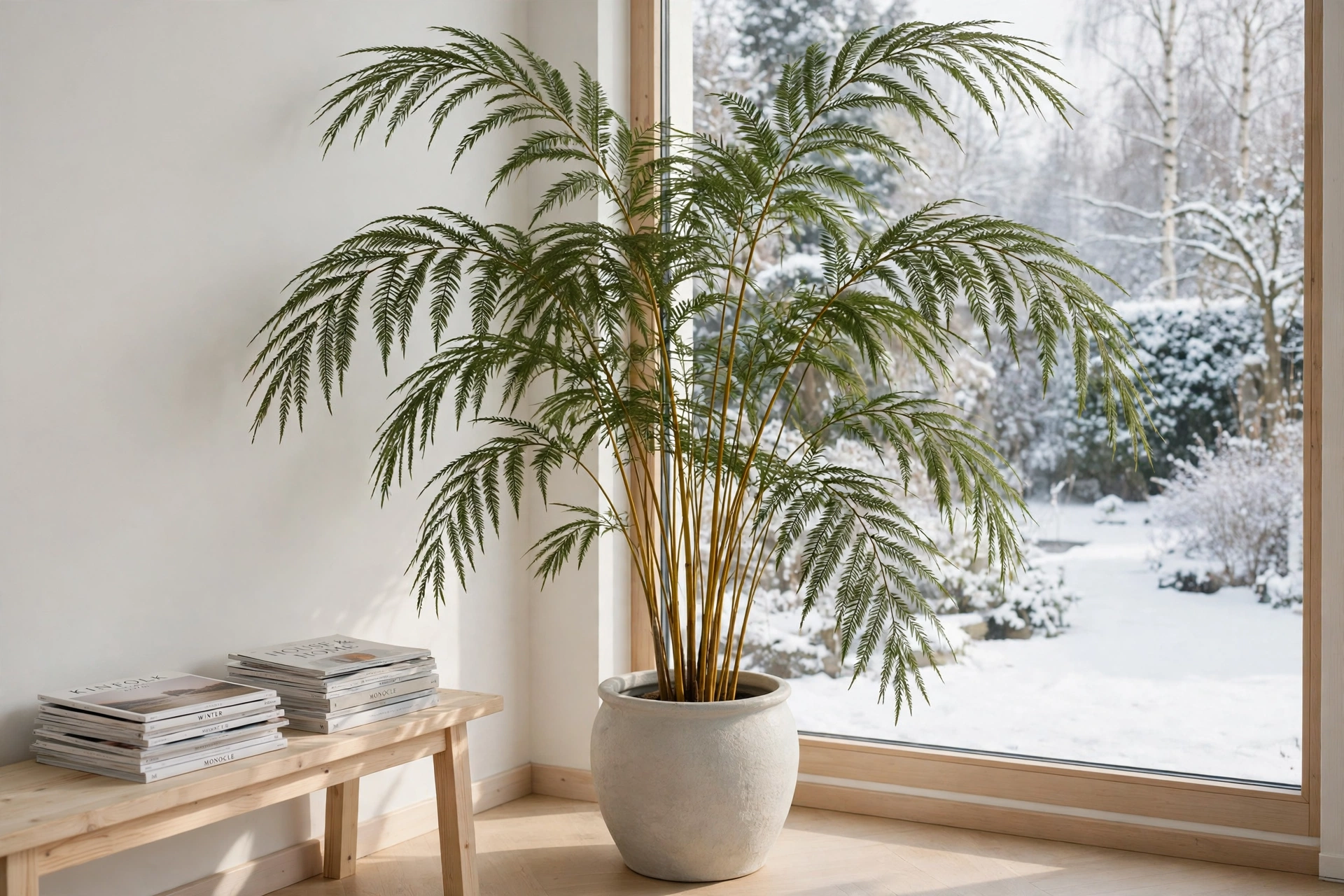
Areca palm is the living room showstopper that pets can share the room with! Its feathery fronds arch from slim golden canes, and a mature plant reaches up to 8 feet tall in a bright corner. Bright indirect light keeps the fronds lush and green, so a spot near an east window works great. Water when the top 1 to 2 inches of soil feel dry, roughly every two weeks in winter. Moist air near 50 percent humidity keeps the frond tips green and fresh. The ASPCA lists areca palm as non-toxic to cats and dogs, wonderful news for pet owners!
One tip: use filtered or rainwater when you water, since clean water keeps the frond tips green and gorgeous all year!
3. Spider Plant
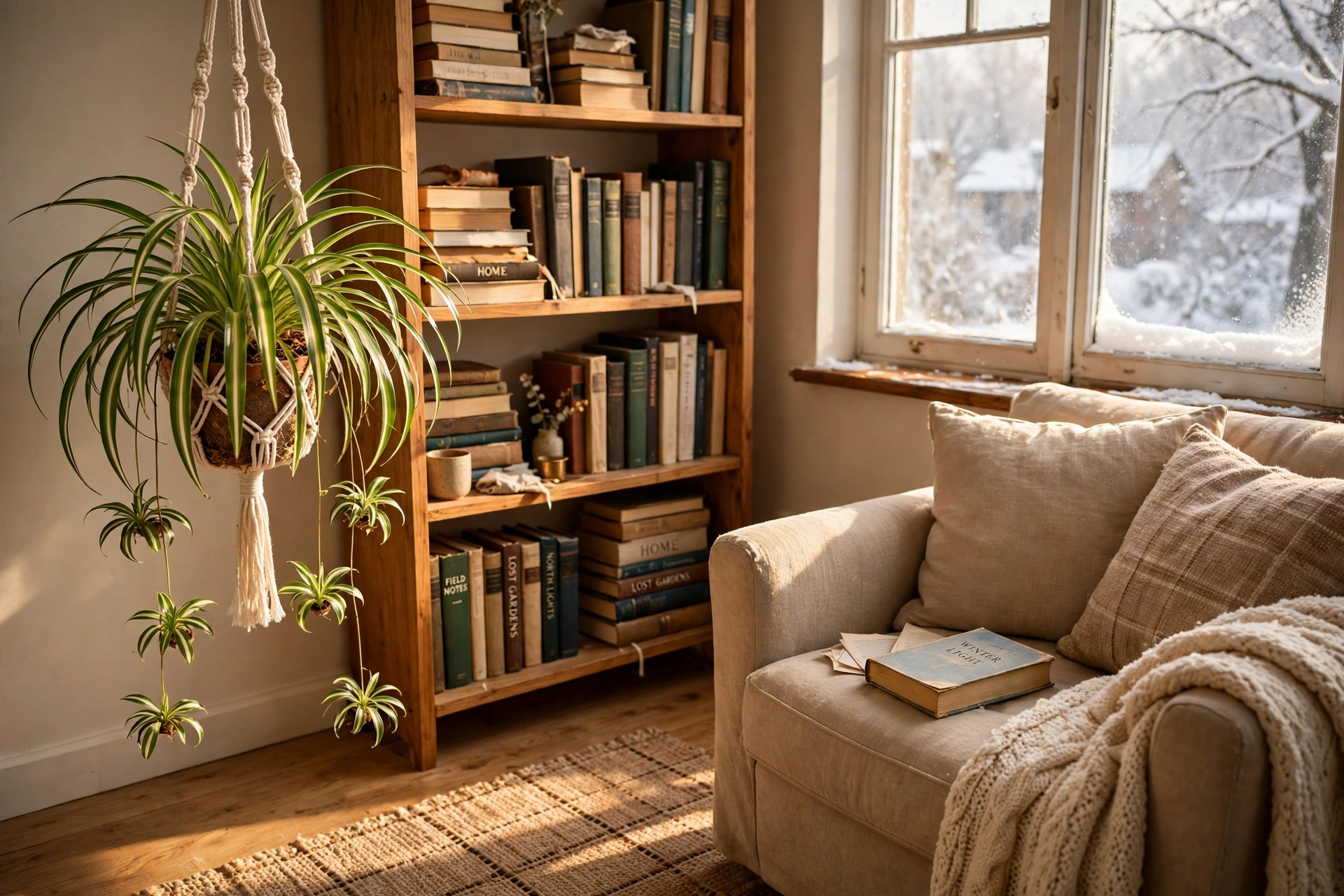
Spider plant is the easygoing friend every pet household needs! Its arching striped leaves spill from the pot, and tiny plantlets dangle from long stems like a living mobile. Bright indirect light keeps the stripes crisp and the plantlets coming. Water when the top inch of soil feels dry, about once a week, and less in winter. It stays happy between 60 and 80 degrees in average household air. The ASPCA lists spider plant as non-toxic to cats and dogs, wonderful news for pet owners! Cats love chewing the dangling leaves, and chewing any plant can still upset a pet’s stomach, so offer cat grass as a tasty distraction!
One tip: hang it high in a macrame hanger, since the trailing plantlets look gorgeous overhead and stay above curious paws!
4. Calathea Orbifolia
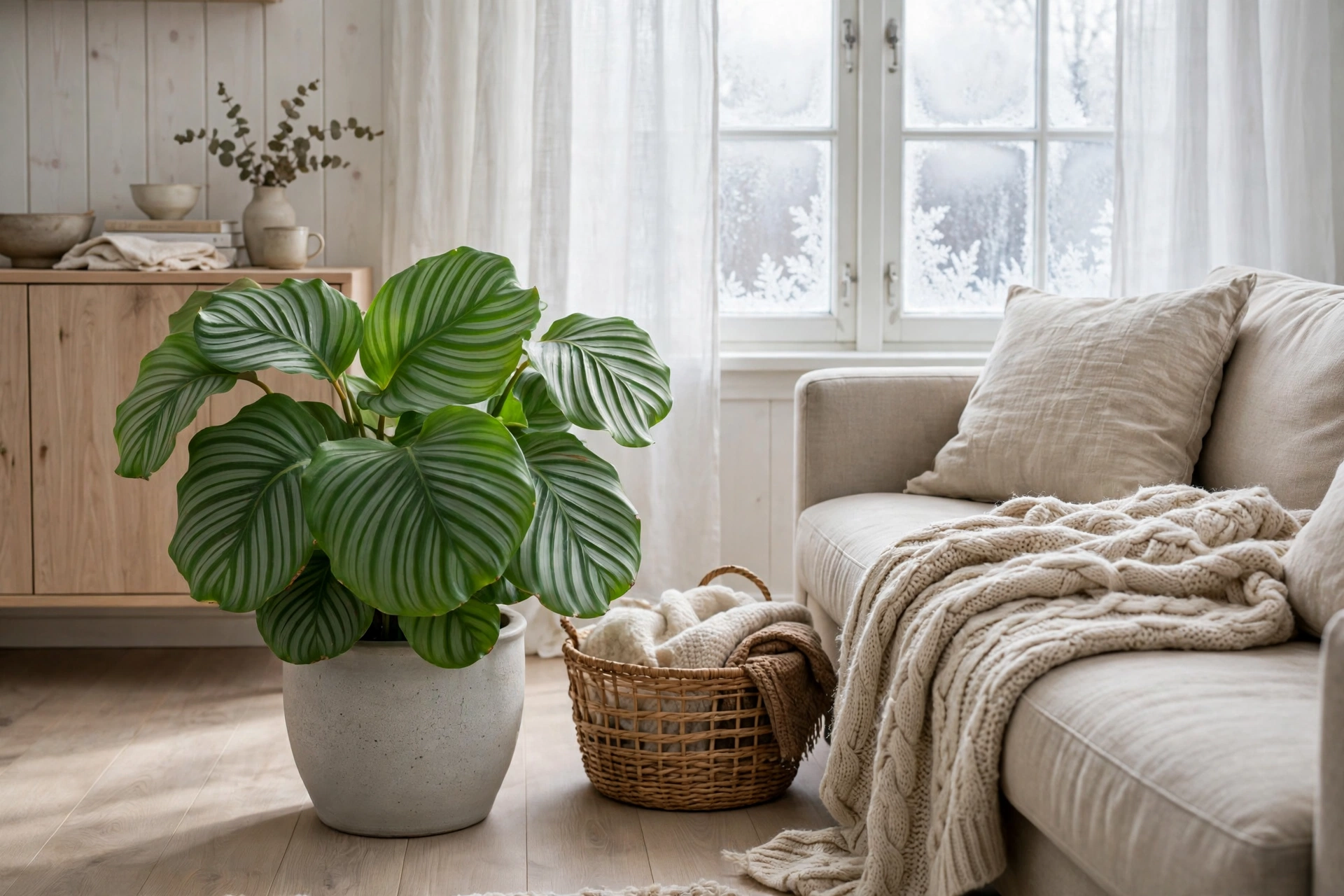
Calathea orbifolia is the drama queen of the living room, and I say that with love! Its huge round leaves wear bold silver-green stripes, and they fold upward at night like hands in prayer. Bright indirect light keeps the stripes vivid, so a spot a few feet from a bright window works great. Keep the soil evenly moist, and use filtered water, since clean water keeps the leaf edges crisp and gorgeous. Moist air at 60 percent humidity or higher keeps the leaves glossy and unfurled. The ASPCA lists calathea as non-toxic to cats and dogs, wonderful news for pet owners!
One tip: group it with other leafy plants near the sofa, since the shared moist air keeps every leaf glossy and happy!
5. African Violet
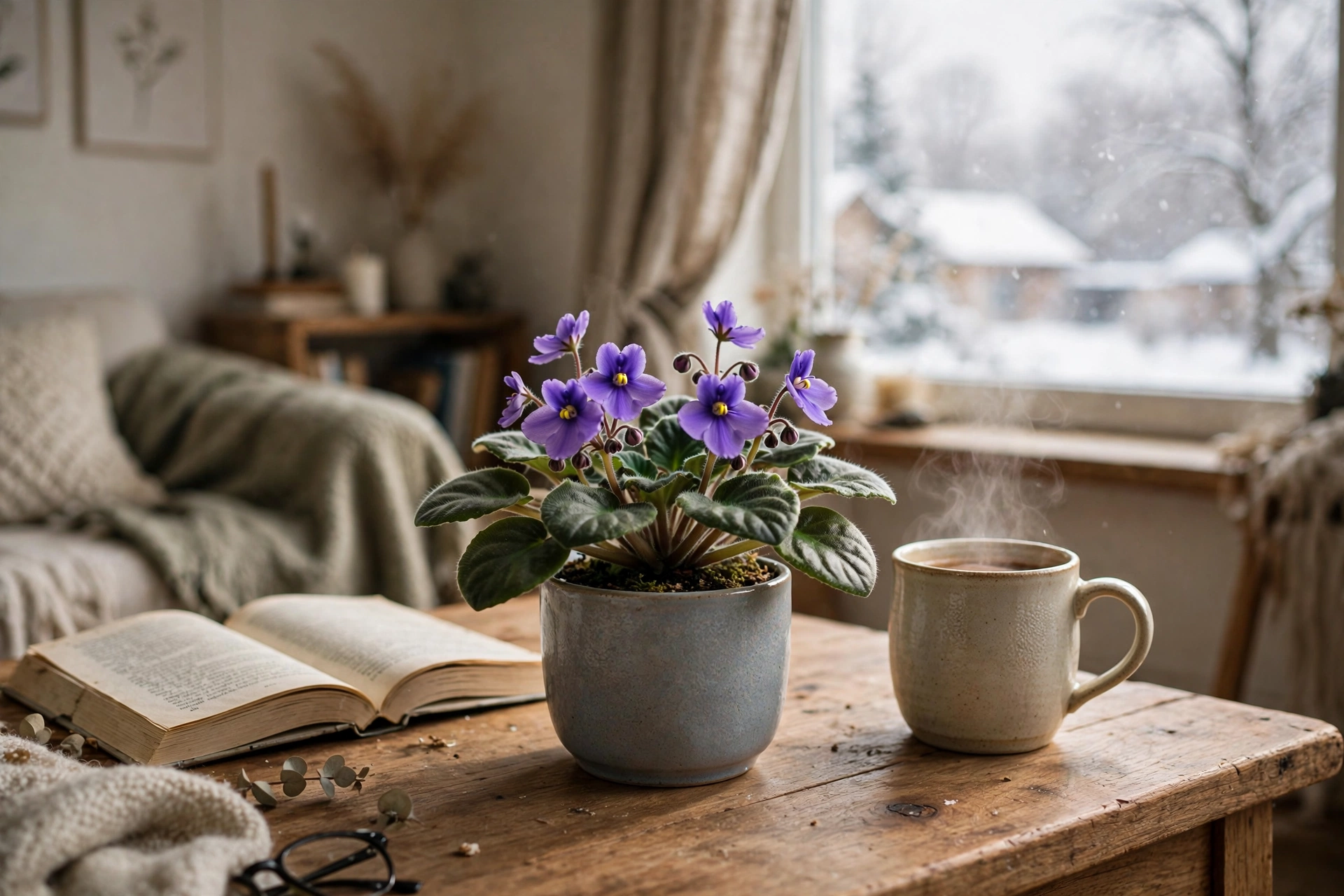
African violet is the tiny bloomer that keeps the coffee table cheerful all winter! Its clusters of small flowers sit above fuzzy dark green leaves, and it can bloom for most of the year with enough light. Bright indirect light keeps it flowering, so an east window works great. Water from below with room-temperature water when the top of the soil feels dry, roughly every 12 days in winter. Keep it between 65 and 80 degrees, in a cozy spot away from cold drafts. The ASPCA lists African violet as non-toxic to cats and dogs, wonderful news for pet owners!
One tip: set the pot in a shallow dish of room-temperature water for half an hour, since bottom watering keeps the fuzzy leaves dry and spot-free!
6. Christmas Cactus
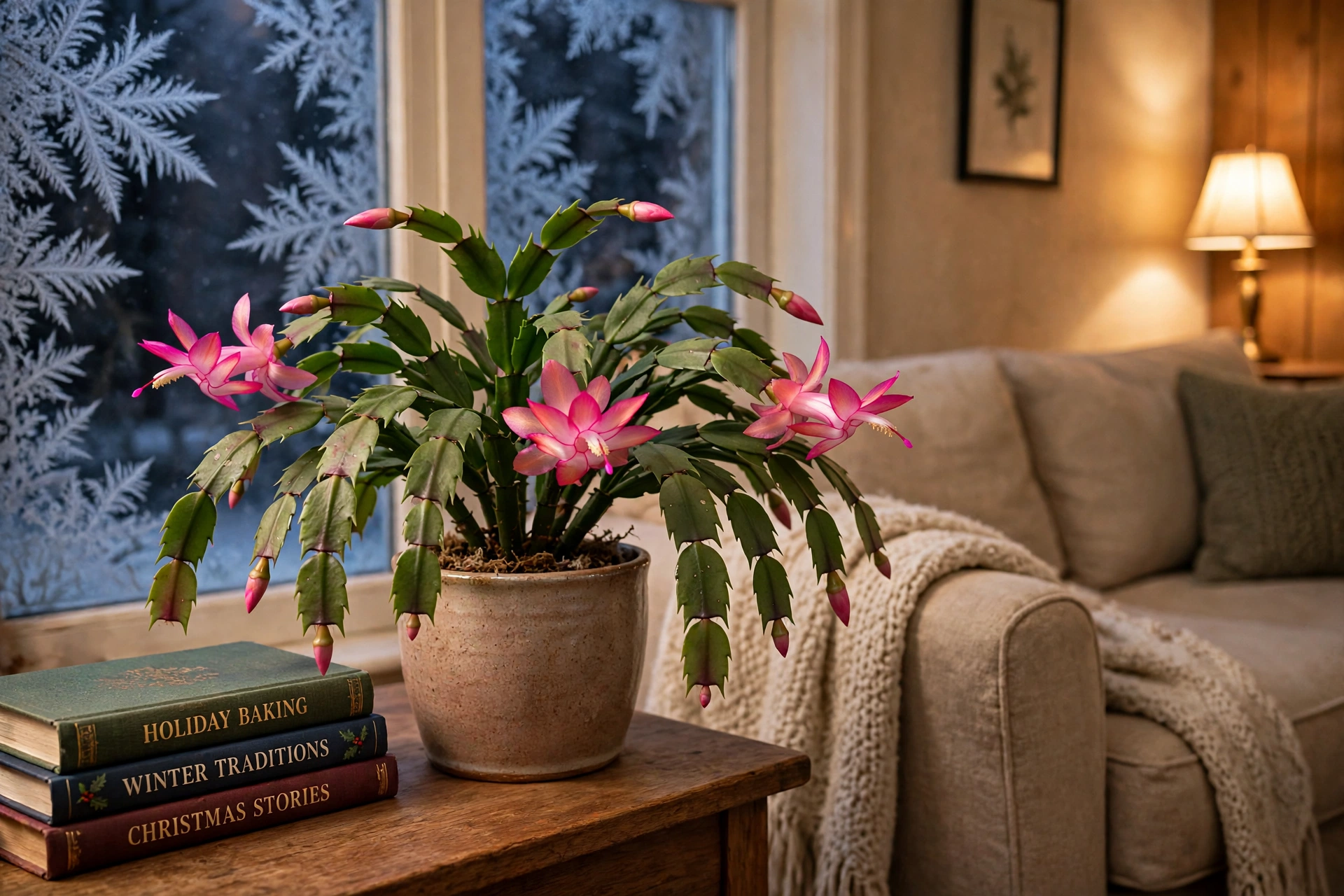
Christmas cactus is the living room star that blooms right when winter needs color most! Its arching green segments burst into flowers in late fall and winter, and a well-kept plant can live for decades. Bright filtered light keeps it blooming, so an east window works great. Water when the top inch of soil feels dry, and keep the soil evenly moist while it blooms. Cool nights near 60 degrees help set the buds for next winter’s show. The ASPCA lists Christmas cactus as non-toxic to cats and dogs, wonderful news for pet owners!
One tip: give it 12 hours of total darkness each night for six weeks in fall, since long nights set the buds for winter blooms!
7. Peperomia Obtusifolia
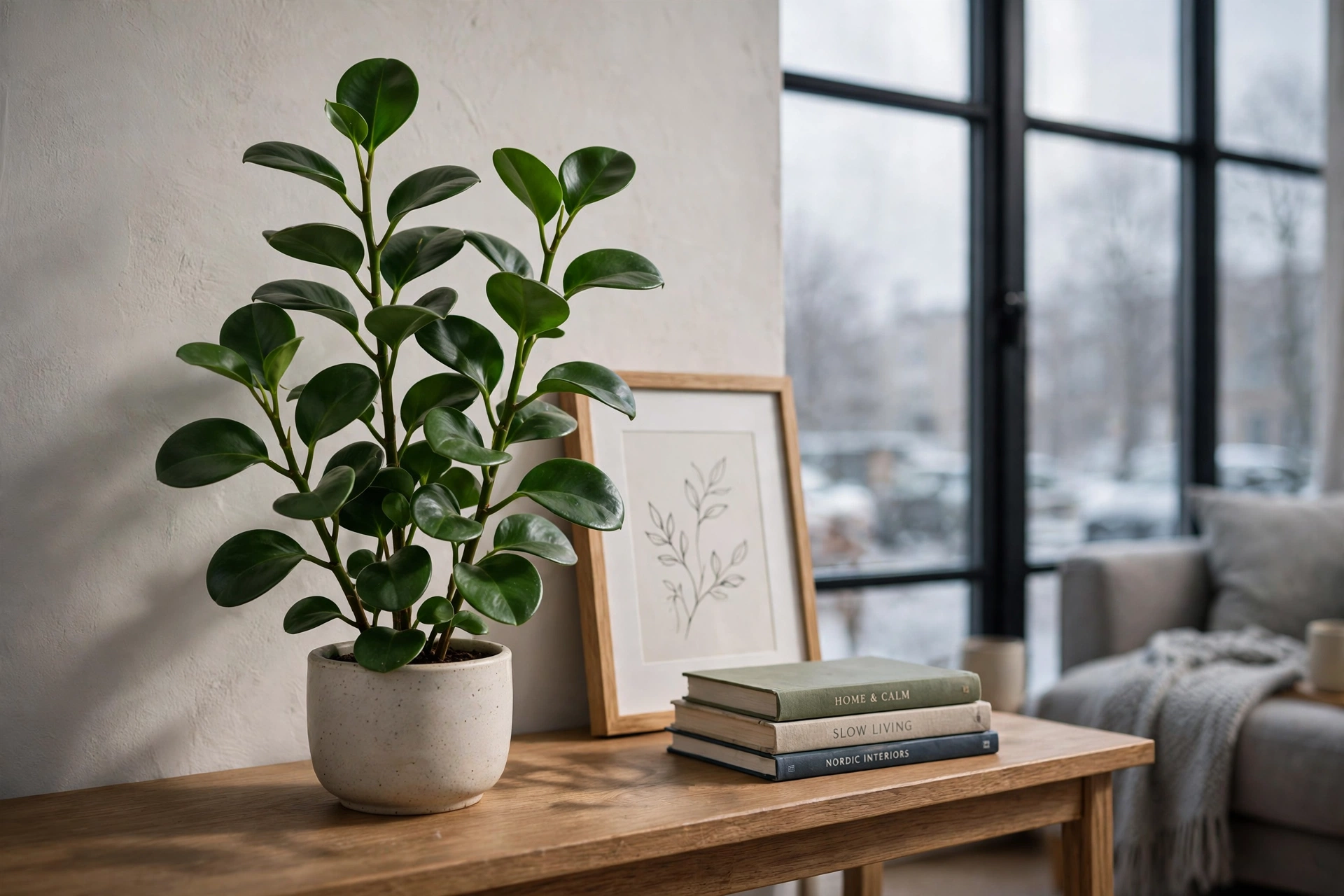
Baby rubber plant is the sturdy little charmer that fits anywhere in the living room! Its thick glossy leaves stack on upright stems, and the whole plant stays neat and compact on a console or side table. Bright indirect light keeps it full and glossy, so a spot near an east window works great. Water only when the top 1 to 2 inches of soil feel dry, since the fleshy leaves store water for dry spells. Average household air suits it, and it stays happy between 65 and 75 degrees. The ASPCA lists baby rubber plant as non-toxic to cats and dogs, wonderful news for pet owners!
One tip: pop a leaf cutting into moist soil, since a single leaf can root and grow into a brand-new plant for another room!
8. Ponytail Palm
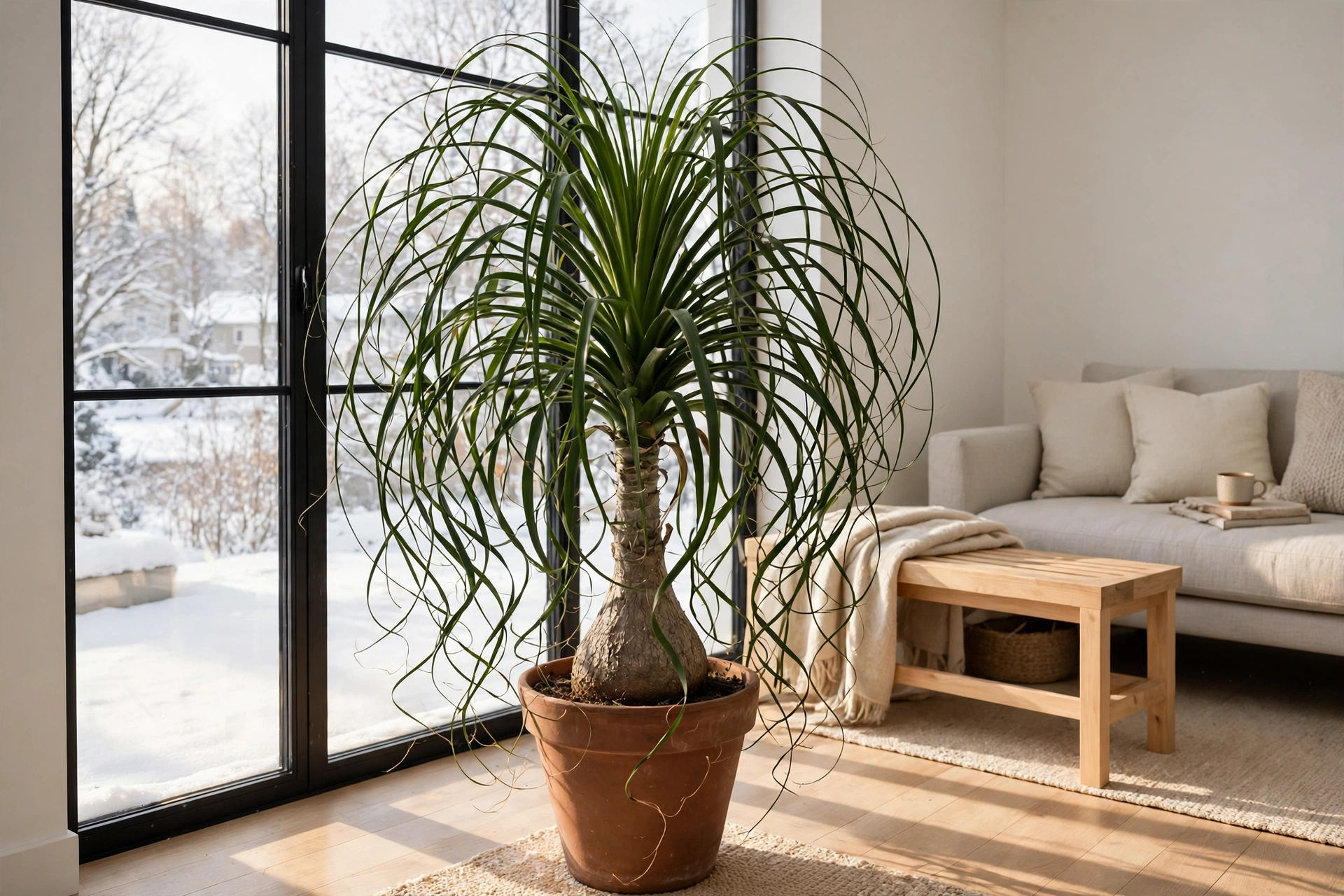
Ponytail palm is the living room character that looks like it walked out of a cartoon! Its swollen trunk base stores water like a built-in canteen, and a fountain of long curly leaves spills from the top. Bright light keeps the leaf fountain dense and full, so your sunniest window works great. Water only when the soil has dried out completely, roughly every two to three weeks, and even less in winter. Dry indoor air suits it just fine, so no pebble tray needed here! The ASPCA lists ponytail palm as non-toxic to cats and dogs, though the serrated leaf edges can scratch a pet’s mouth, so keep nibblers away!
One tip: use a small pot with a drainage hole and gritty cactus mix, since the swollen base loves dry feet and great drainage!
9. Money Tree
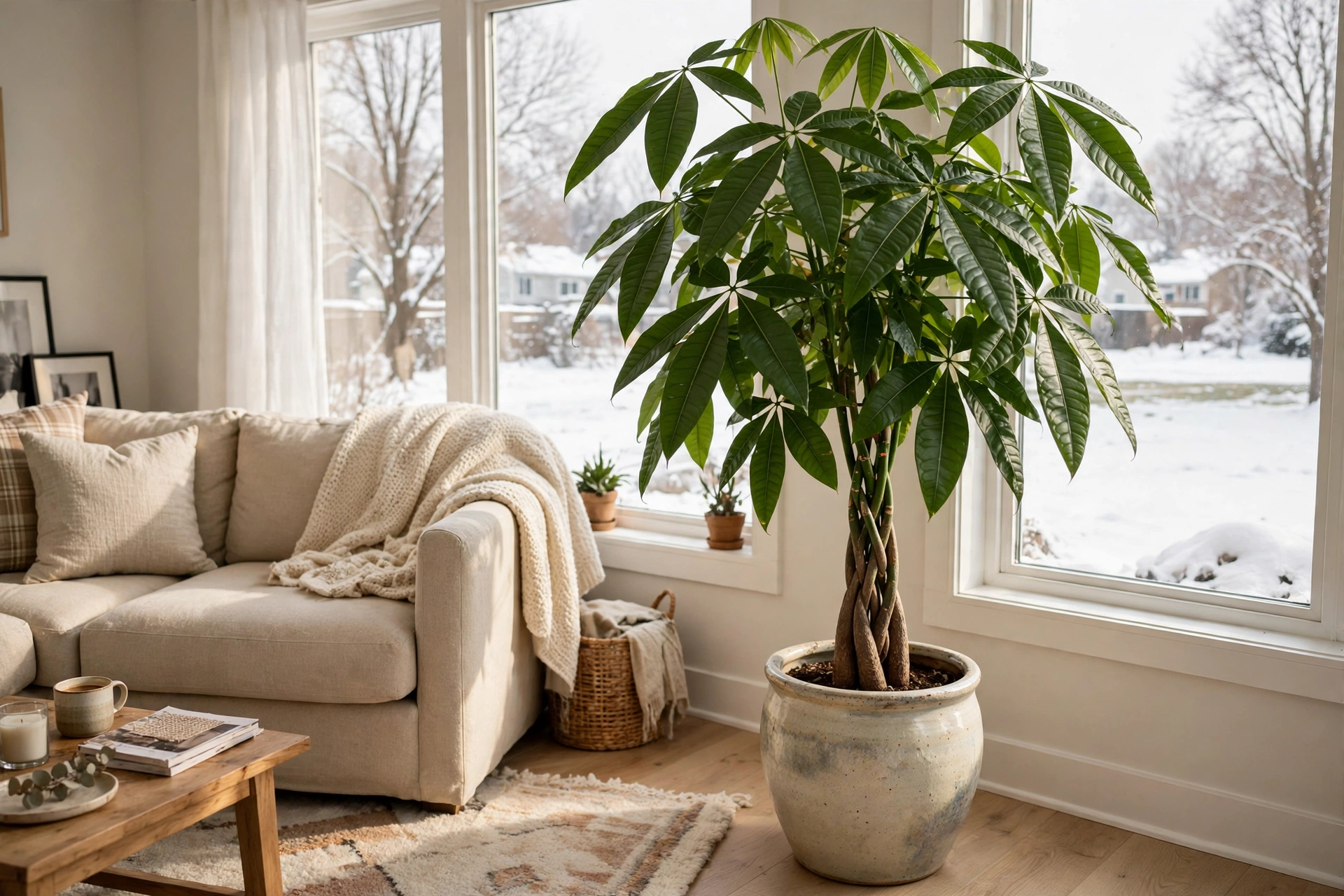
Money tree is the leafy good-luck charm that fills a bright living room corner! Its glossy leaves fan out from braided trunks, and a container plant grows 6 to 8 feet tall. Bright indirect light keeps the canopy full and even, so a spot near a bright window works great. Water when the top 1 to 2 inches of soil feel dry, then let the mix dry again. Warmth between 65 and 75 degrees keeps it growing happily. The ASPCA lists money tree as non-toxic to cats and dogs, though heavy chewing can still upset a pet’s stomach, so steer nibblers toward their toys!
One tip: rotate the pot 45 degrees every few weeks, since even light keeps the canopy full on every side!
10. Bromeliad
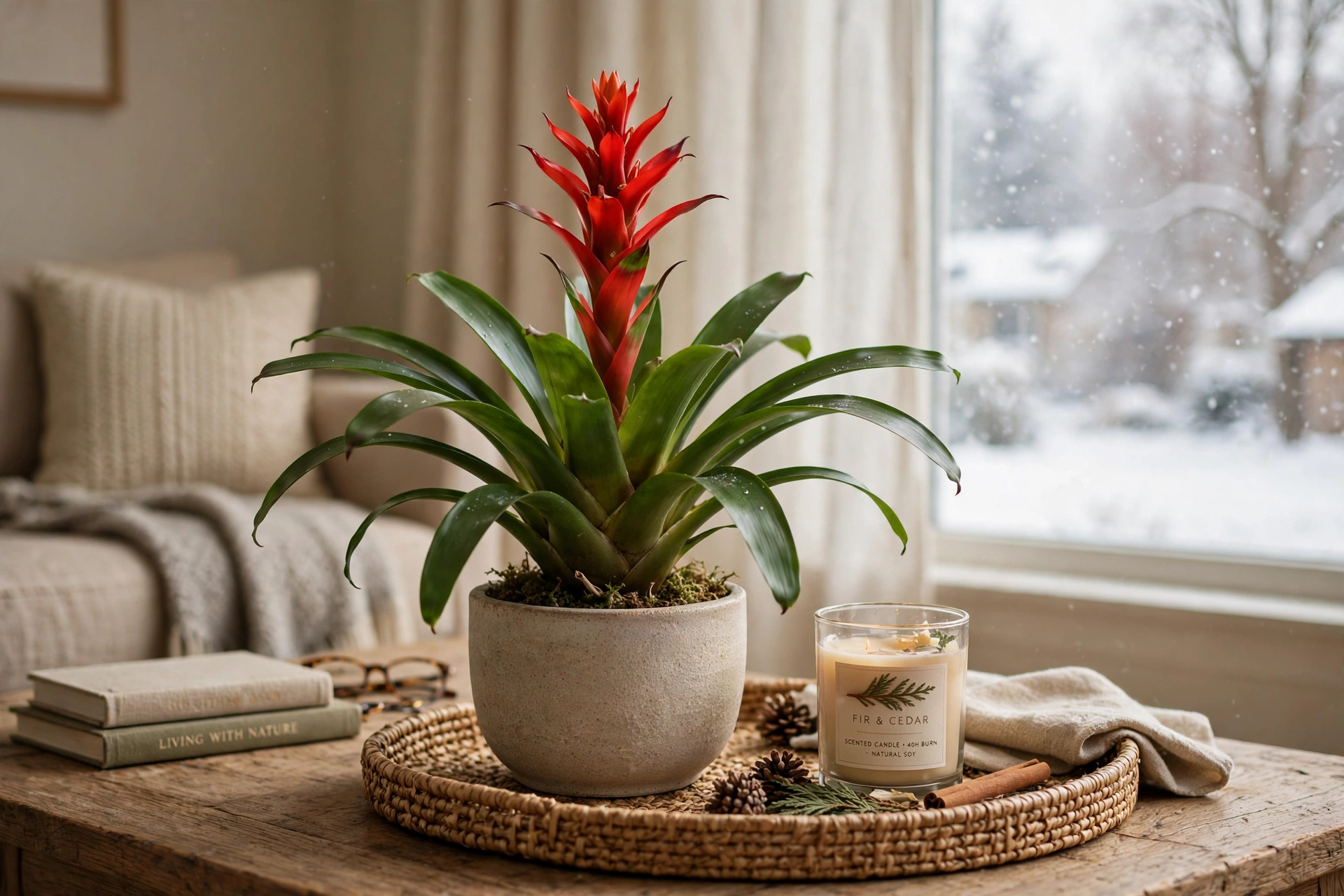
Scarlet star bromeliad is the pop of color that makes the whole living room feel like a party! Its stiff rosette of green leaves holds a bright flower spike, and pups grow at the base after blooming. Bright indirect light keeps the colors bold, so an east window works great. Water the soil when the top has dried, and keep a little water in the central cup. Moist air at 50 percent humidity or higher keeps the leaves glossy. The ASPCA lists the scarlet star bromeliad as non-toxic to cats and dogs, wonderful news for pet owners! Every pick here is a safer choice, and a watchful eye keeps pets and plants happy!
One tip: refresh the water in the central cup every week or two, since fresh water keeps the rosette clean and gorgeous!