1. Fiddle-Leaf Fig
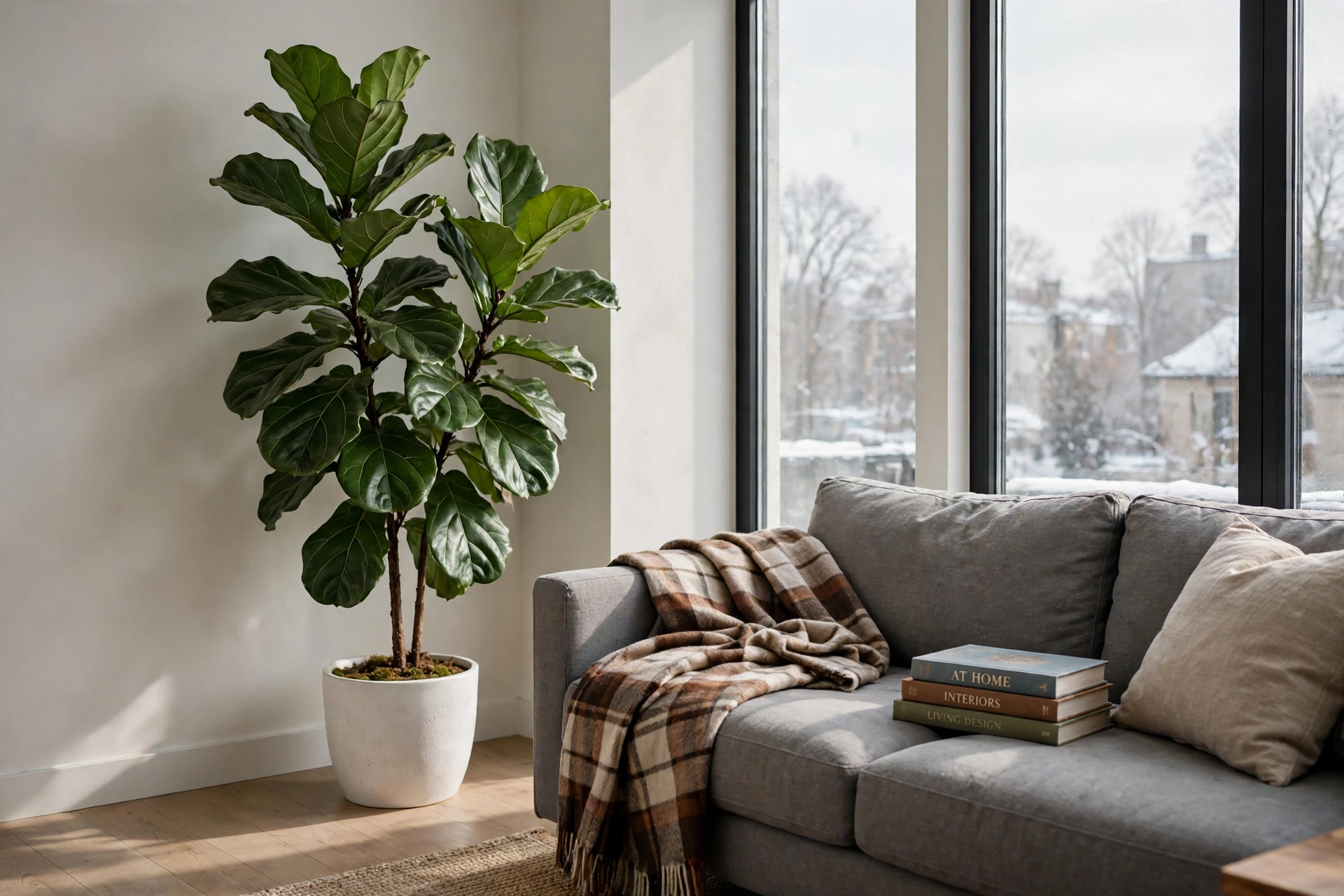
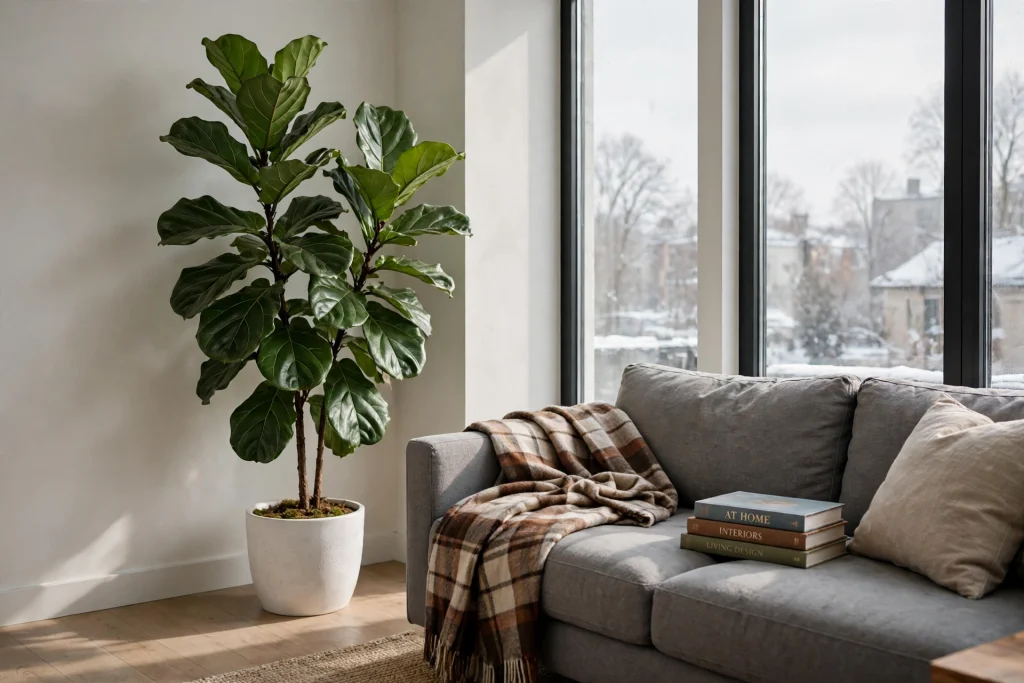
Okay, so here’s the thing. Fiddle-leaf figs are the main characters of living room plants, and honestly, I love them for it. Their huge violin-shaped leaves reach 18 inches long, and the tree grows 2 to 10 feet tall indoors, so one plant fills a bare corner beautifully. Bright indirect light keeps it happiest, with shade from afternoon sun. Water only when the top 2 inches of soil feel dry, and a steady routine keeps it glowing. Keep it above 55 degrees, away from heating vents, since it loves steady warmth. The ASPCA’s houseplant guide calls it mildly toxic to cats and dogs, so pets stay happily out of reach.
One tip: pick its spot once and let it settle in, since a plant that stays put grows happier leaves and looks absolutely gorgeous.
2. Monstera Deliciosa
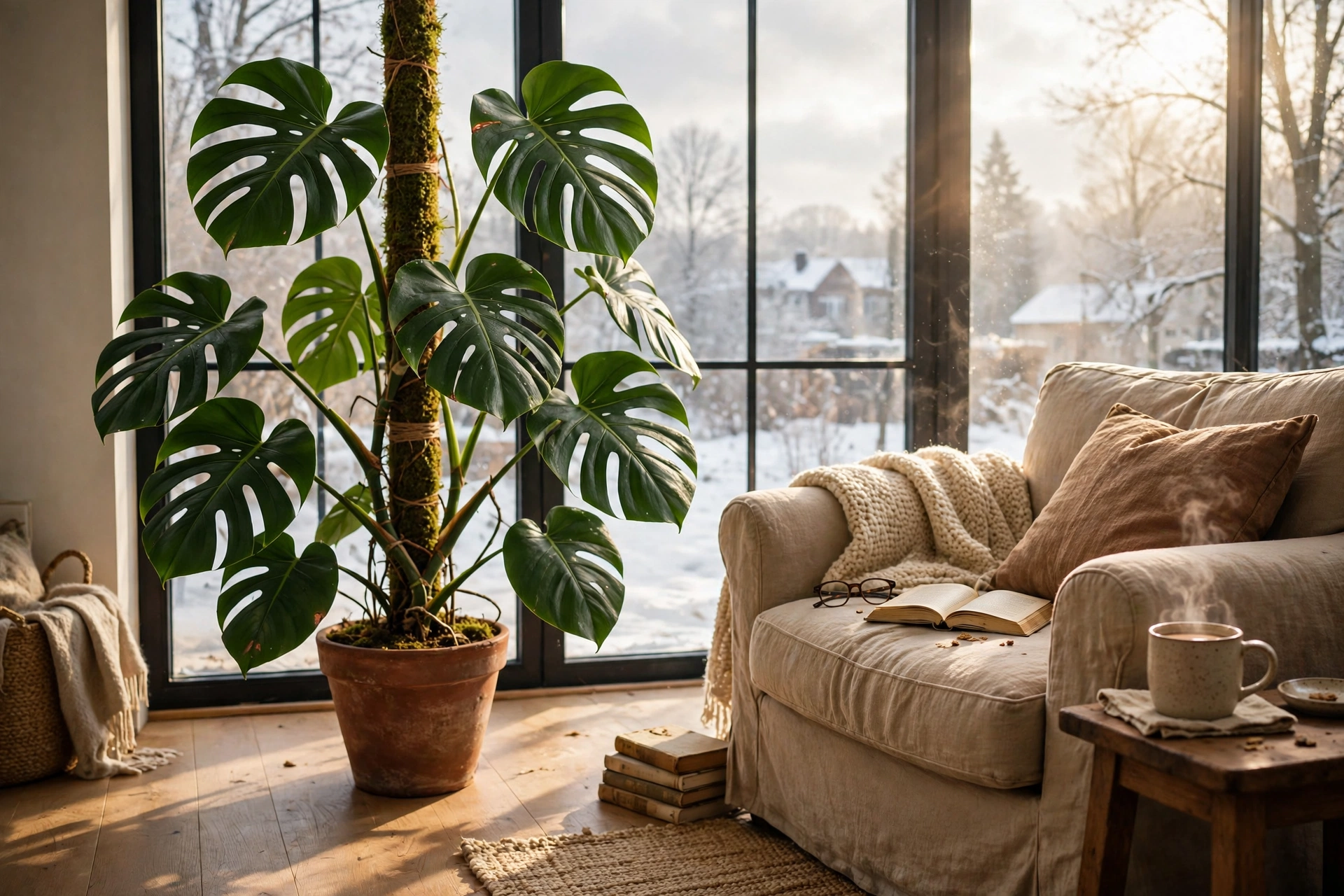
Monsteras are the plant equivalent of a statement coat at a party, and honestly, they totally know it. Those split leaves reach 6 to 8 feet tall indoors with a moss pole, and each new leaf unfurls like a celebration. Bright indirect light is the sweet spot, since filtered light keeps every leaf glossy and full of splits. Water when the top 1 to 2 inches of soil feel dry, and raise the humidity above 50 percent in dry heated rooms. Keep it between 60 and 85 degrees in a warm, draft-free spot. The ASPCA lists monstera as toxic to cats and dogs, so a high shelf keeps everyone happy.
One tip: add a moss pole early, since monsteras climb fast and a young plant takes to its pole like a best friend.
3. Calathea Orbifolia
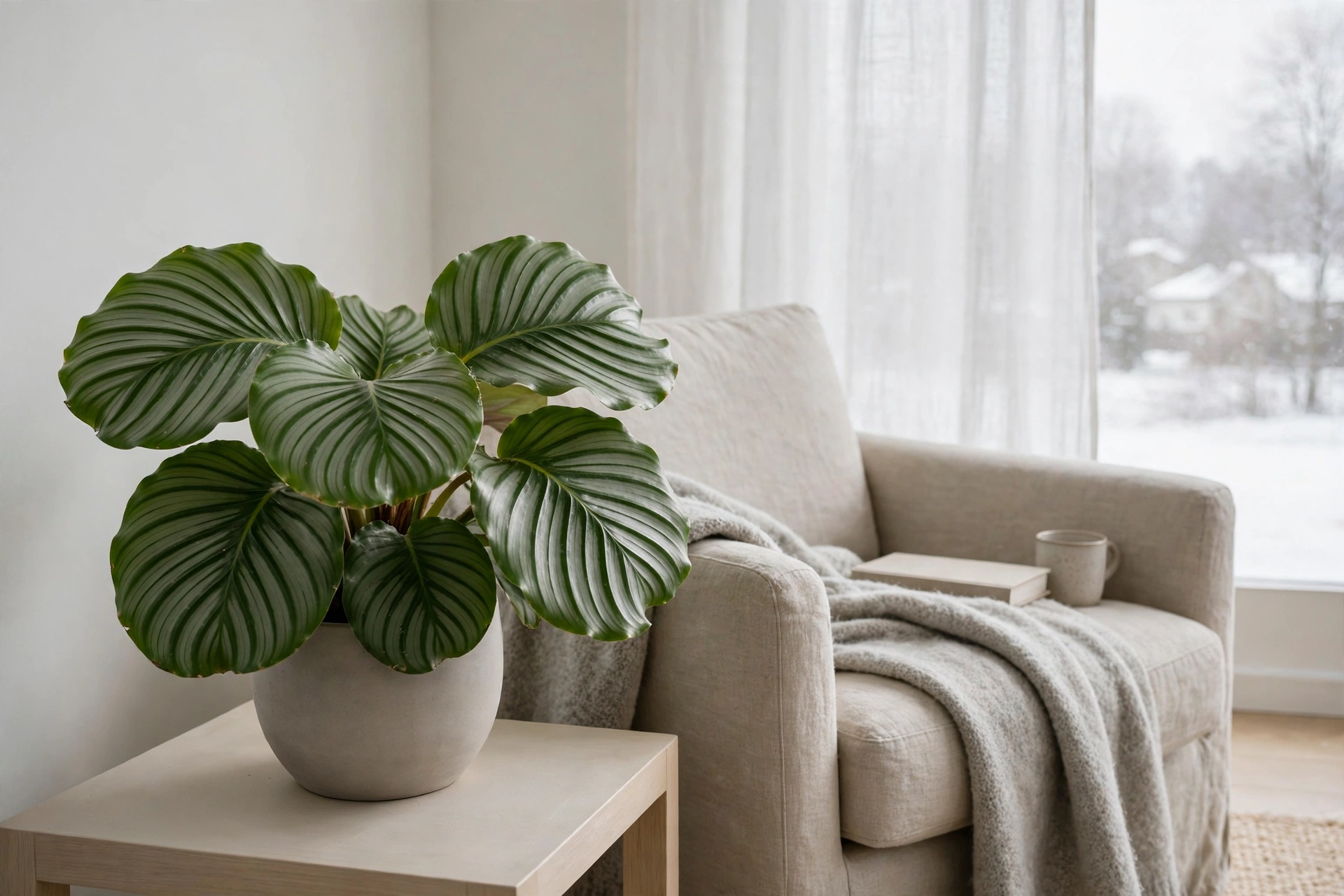
Calathea orbifolia is the plant for a living room that should feel like a boutique hotel, and it delivers. Its huge, round leaves wear soft silver stripes, and the whole plant has a calm, sculptural presence that suits a cozy corner. Medium to bright indirect light works best, and filtered light keeps those stripes crisp and bright. It wants humidity above 60 percent, so a pebble tray or humidifier helps in dry rooms. Keep it above 61 degrees and use filtered water if you can, since it dodges the fluoride that browns leaf edges. The ASPCA lists calatheas as non-toxic to cats and dogs, which pet owners will love.
One tip: group it near other humidity-loving plants, since friends share moisture and every leaf stays happier through dry winter weeks.
4. Bird of Paradise
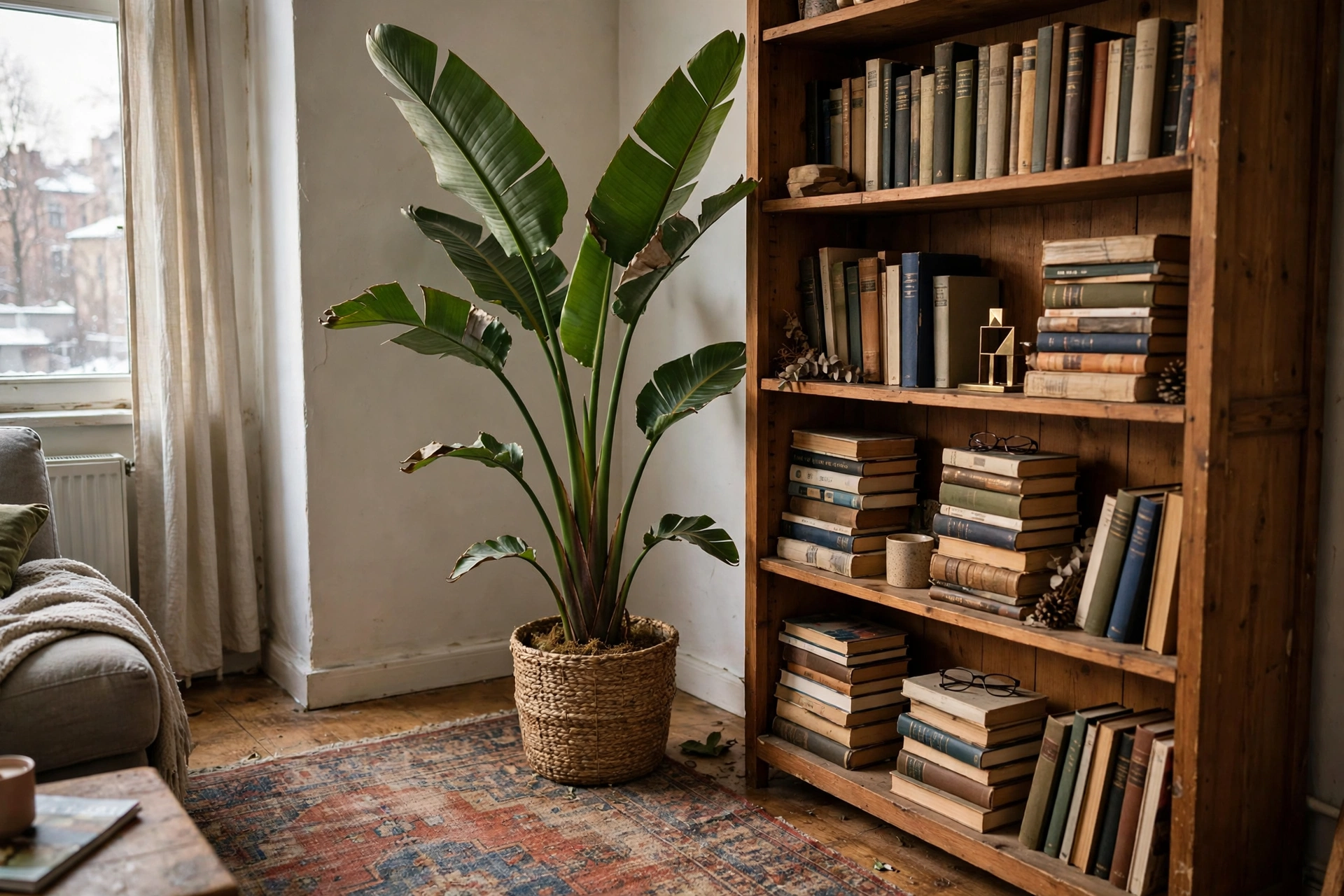
Bird of paradise walks into your living room like it owns the place, and it kind of does. Its banana-like leaves fan out from the base, giving you a gorgeous tropical silhouette that fills a bare corner fast. Bright light is its happy place, so park it near your sunniest window and let it soak up winter sun. Warm rooms suit it best, and it loves steady warmth, so a cozy draft-free corner keeps every leaf gorgeous. Water less in winter, when growth slows and the soil stays damp longer. The ASPCA lists bird of paradise as toxic to cats and dogs, so a pet-free spot keeps everyone happy.
One tip: rotate the pot a quarter turn every two weeks, so the tall leaves fan out evenly and the whole plant looks its best.
5. Philodendron Brasil
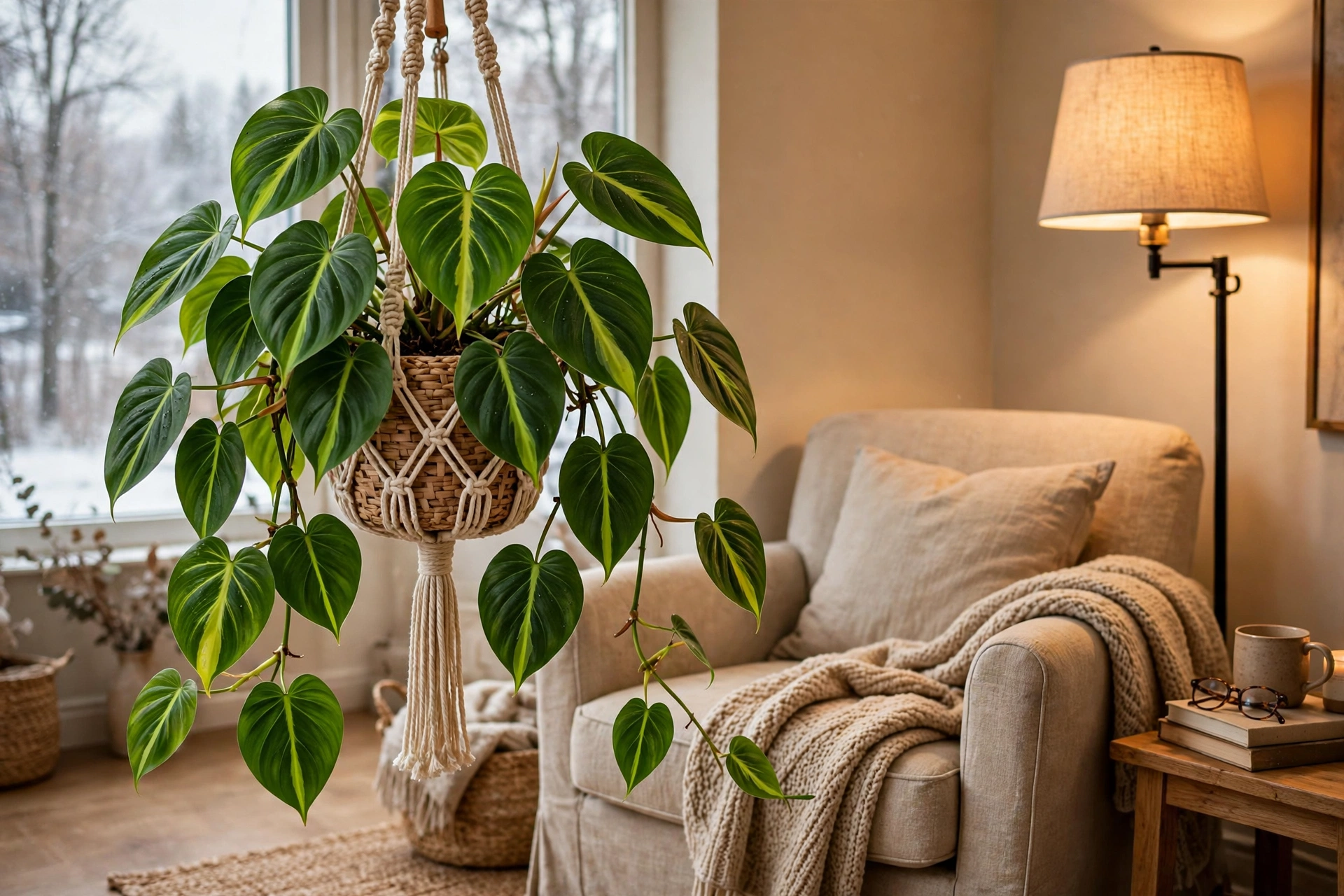
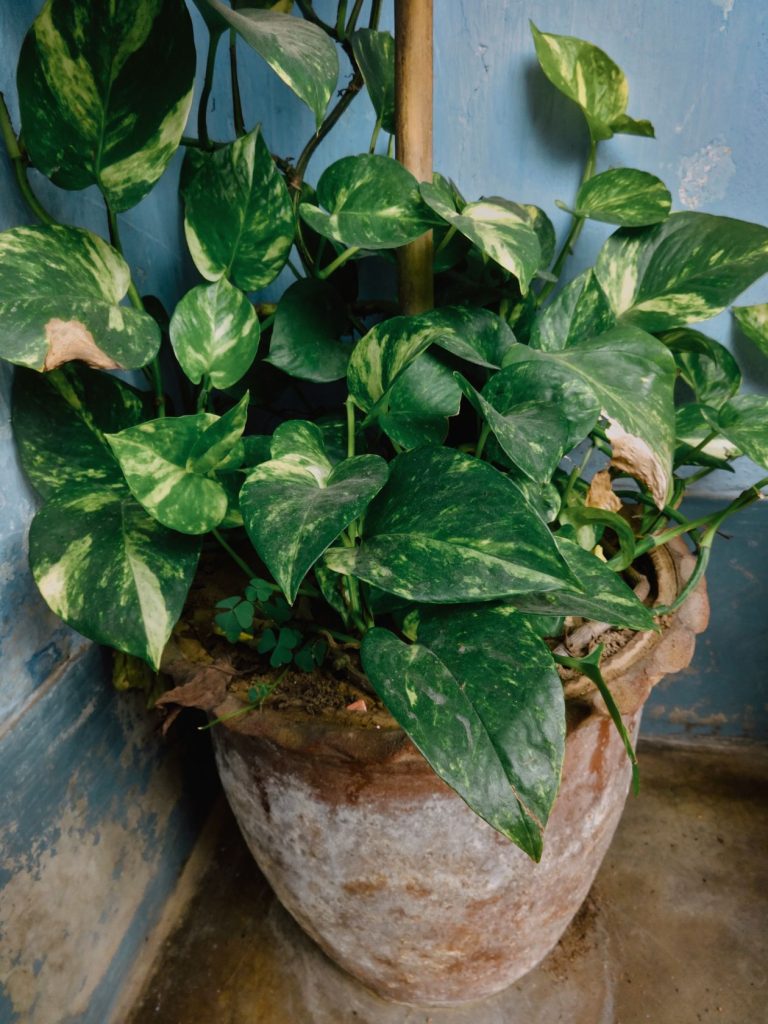
Philodendron Brasil is the overachiever that makes trailing plants look easy, and it is so fun to watch. Its heart-shaped leaves carry a lime and yellow stripe down the center, and the vines reach 6 feet or more from a hanging planter. Bright indirect light keeps the variegation bold, so give it a bright spot and watch that stripe shine. Water when the top 1 to 2 inches of soil feel dry, and water less in winter when growth slows. Warm rooms between 65 and 80 degrees suit it best, with a cozy draft-free spot. The ASPCA lists heartleaf philodendron as toxic to cats and dogs, so hang it high.
One tip: snip any solid green leaves back to the last variegated leaf, since that keeps the stripe bold and the vine gorgeous.
6. Dracaena Marginata
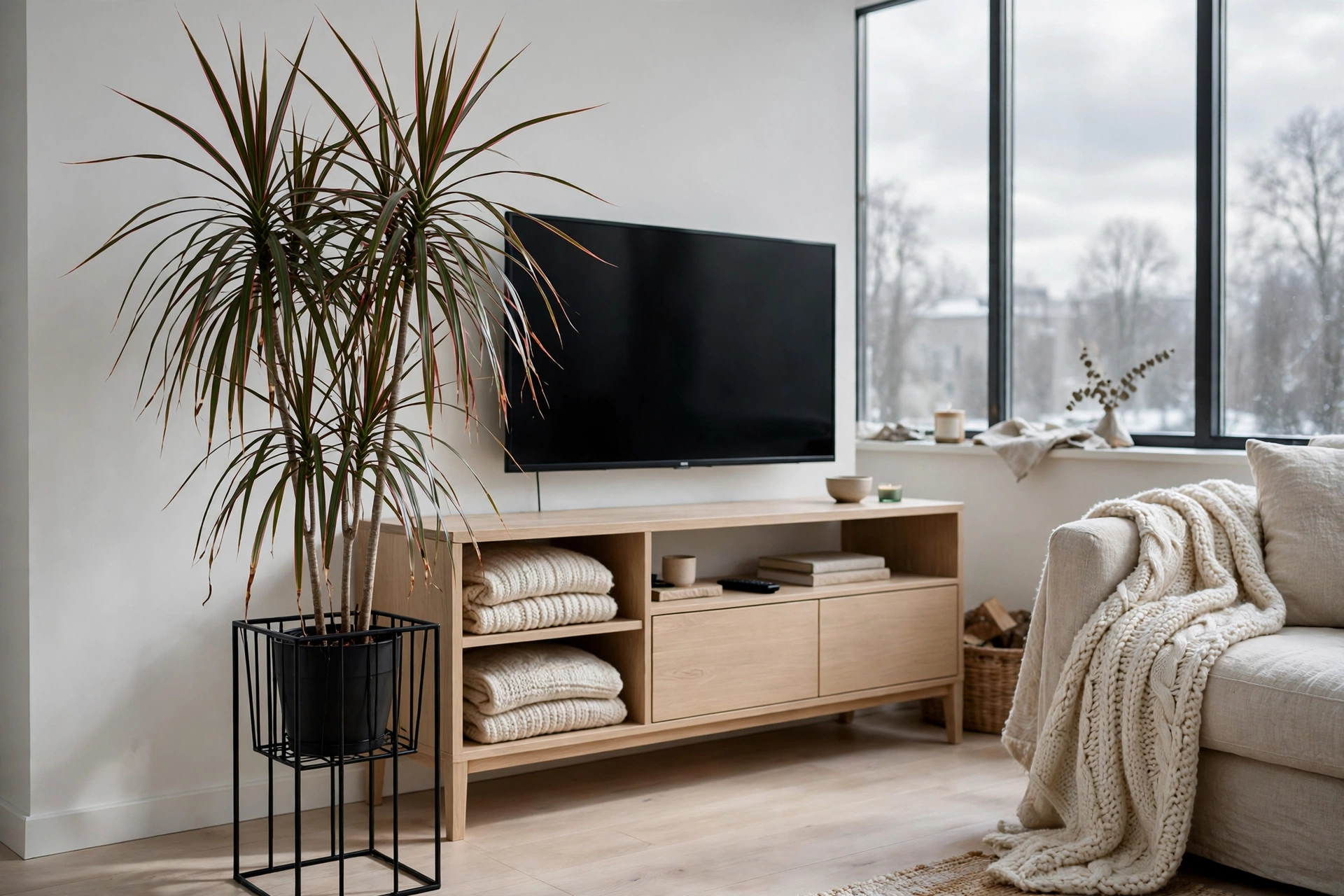
Dracaena marginata is the tall, skinny friend who fits corners no one else can use, and it does it with style. Its arching leaves stripe green and rusty red along slender woody stems, and indoor plants reach 6 to 7 feet tall. Moderate to bright indirect light suits it, and it tolerates lower light better than most tall plants. Growth slows in winter, so water less often and let the soil dry a little between drinks. Keep it warm in cozy, draft-free air, since steady warmth keeps every leaf tip fresh. The ASPCA lists dracaena as toxic to cats and dogs, so a high spot keeps everyone happy.
One tip: prune a leggy cane back in spring, since new shoots sprout just below the cut and the plant grows bushier and happier.
7. Boston Fern
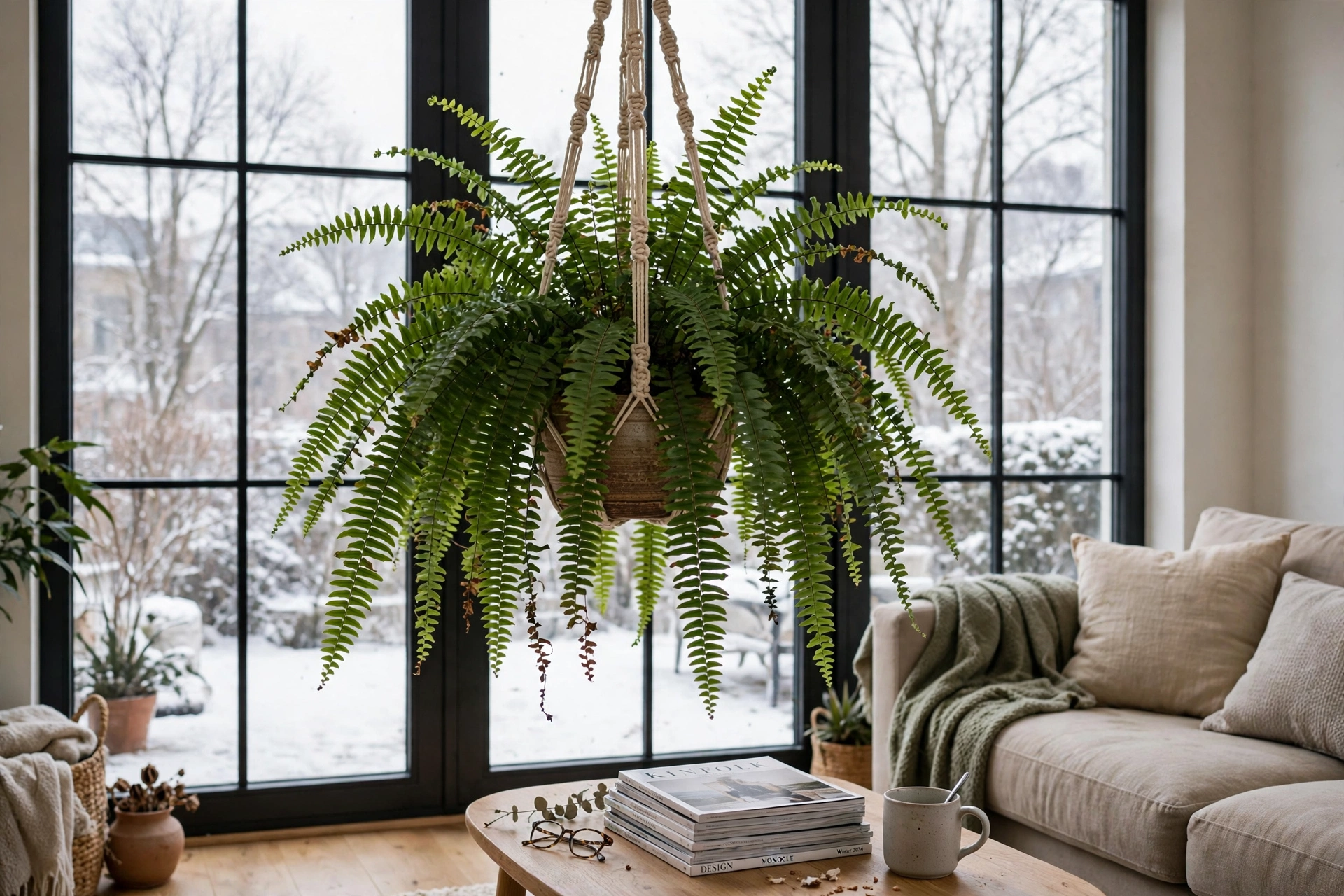
Boston ferns bring instant softness to a room, like a green waterfall that never makes a sound. Seriously, they make any corner feel cozy, happy, and alive. Their long, arching fronds spill over the pot edge, so a hanging planter shows them off best. Medium to bright indirect light suits them, and filtered light keeps the fronds lush and green. Keep the soil evenly moist with regular drinks, since steady moisture keeps every frond soft and full. Winter heating dries the air, so a humidifier or pebble tray keeps them glowing. The ASPCA lists Boston ferns as non-toxic to cats and dogs, so they are totally safe around curious pets.
One tip: mist the fronds on every dry winter morning, since Boston ferns love humidity and heated rooms steal it fast.
8. Pilea Peperomioides
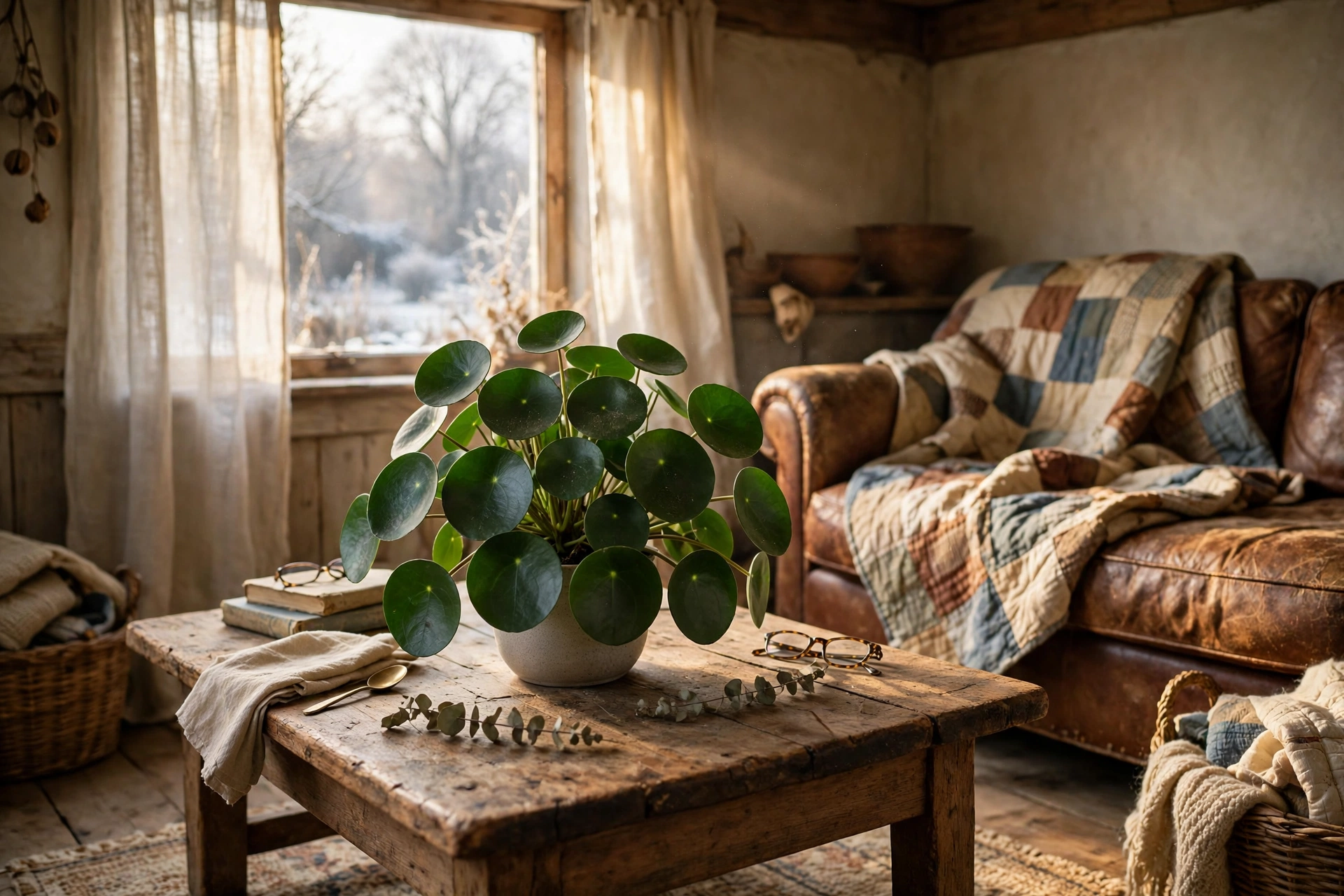
Pilea peperomioides is the plant that keeps giving you new plants, the best deal in the house. Its round, coin-shaped leaves sit on thin stems, and the plant stays a tidy 8 to 12 inches tall and wide. Bright indirect light keeps the stems short and the leaves full, so a bright spot shows it off best. Let the soil dry a little between waterings, and water less in winter when growth slows. Baby plants, called pups, pop up around the base and can be potted on their own. The ASPCA lists pilea as non-toxic to cats and dogs, so it is safe and happy on a low coffee table.
One tip: pop a pup into a tiny pot with fresh mix, since each baby plant grows into a full pilea within months, and free plants are the best.
9. Hoya Carnosa
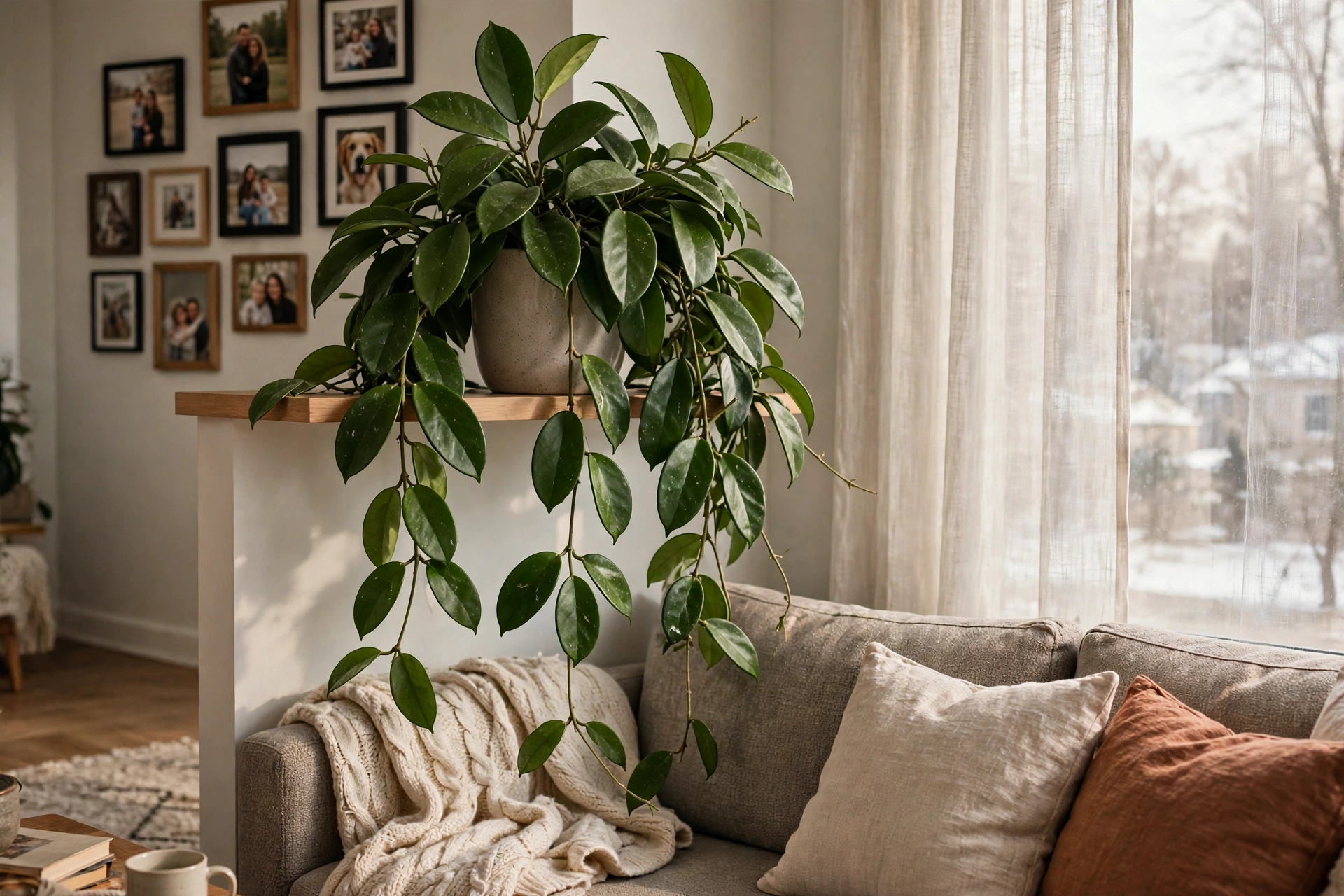
Hoya carnosa is the patient one, trailing along a shelf until it surprises you with sweet little flowers. I mean, those blooms are worth the wait. Its thick, waxy leaves store water, so it forgives a missed watering. Bright indirect light suits it best, so a bright window shelf is ideal. Water thoroughly, then let the soil dry almost completely before watering again, and winter means fewer waterings. Star-shaped pink and white flowers return on the same spurs yearly, so keep those knobbly stems, they are pure gold. The ASPCA lists hoya as non-toxic to cats and dogs, and a quick hand wash keeps milky sap off your skin.
One tip: hang it high where the vines can trail down freely, since hoya looks its best when the stems spill over a shelf edge like a green curtain.
10. Anthurium
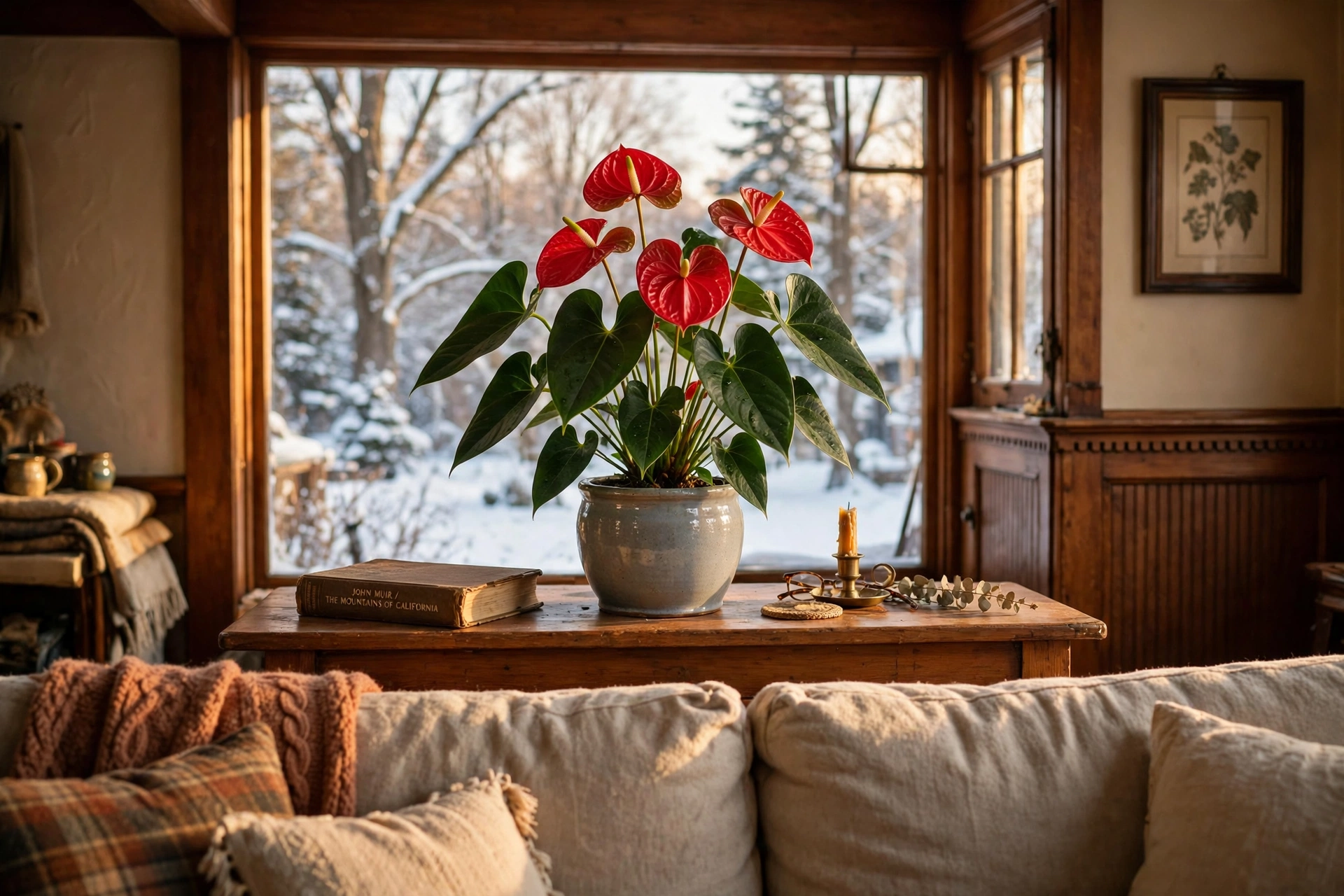
Anthuriums bring flowers to winter, which feels like a little winter victory. I mean, glossy blooms in January? Honestly, yes please. Their glossy, heart-shaped blooms in red, pink, or white last for weeks on a compact plant about 1 to 1.5 feet tall. Bright indirect light keeps the flowers coming, and filtered light keeps the leaves glossy and gorgeous. Water when the top inch of soil feels dry, and winter means fewer waterings to remember. Warm, humid air suits them best, so a cozy spot away from drafts and heating vents keeps them happy. A high shelf keeps pets safe, since anthurium is toxic to cats and dogs.
One tip: snip off faded blooms at the base, since that frees up energy for fresh new flowers that keep the winter cheer going.
11. Norfolk Island Pine
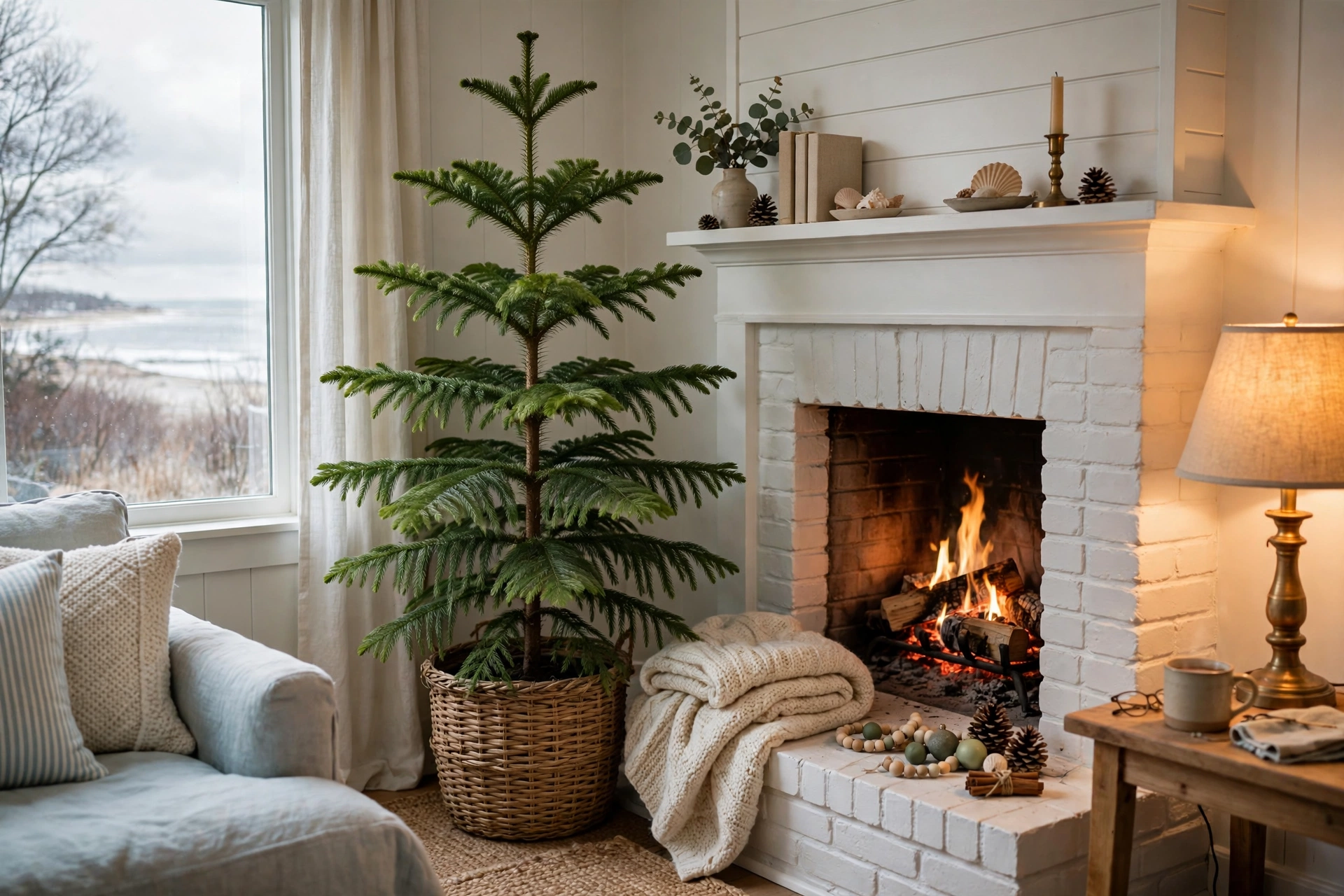
Norfolk Island pine is the living Christmas tree that stays handsome and happy past the holidays, and it steals the show all year. Its tiered branches grow in neat levels around one straight trunk, and indoor trees reach 9 feet tall over many years. Bright light suits it best, with a couple hours of direct sun. Cool rooms between 55 and 65 degrees keep it happiest, away from radiators and heat vents. Water sparingly in winter and mist the branches in heated rooms, since extra moisture keeps every needle soft and green. The ASPCA lists Norfolk Island pine as non-toxic to cats and dogs, so pets are safe.
One tip: skip the pruning shears and let the top grow tall, since that keeps the tree’s lovely shape perfect for years and years.
12. Jade Plant
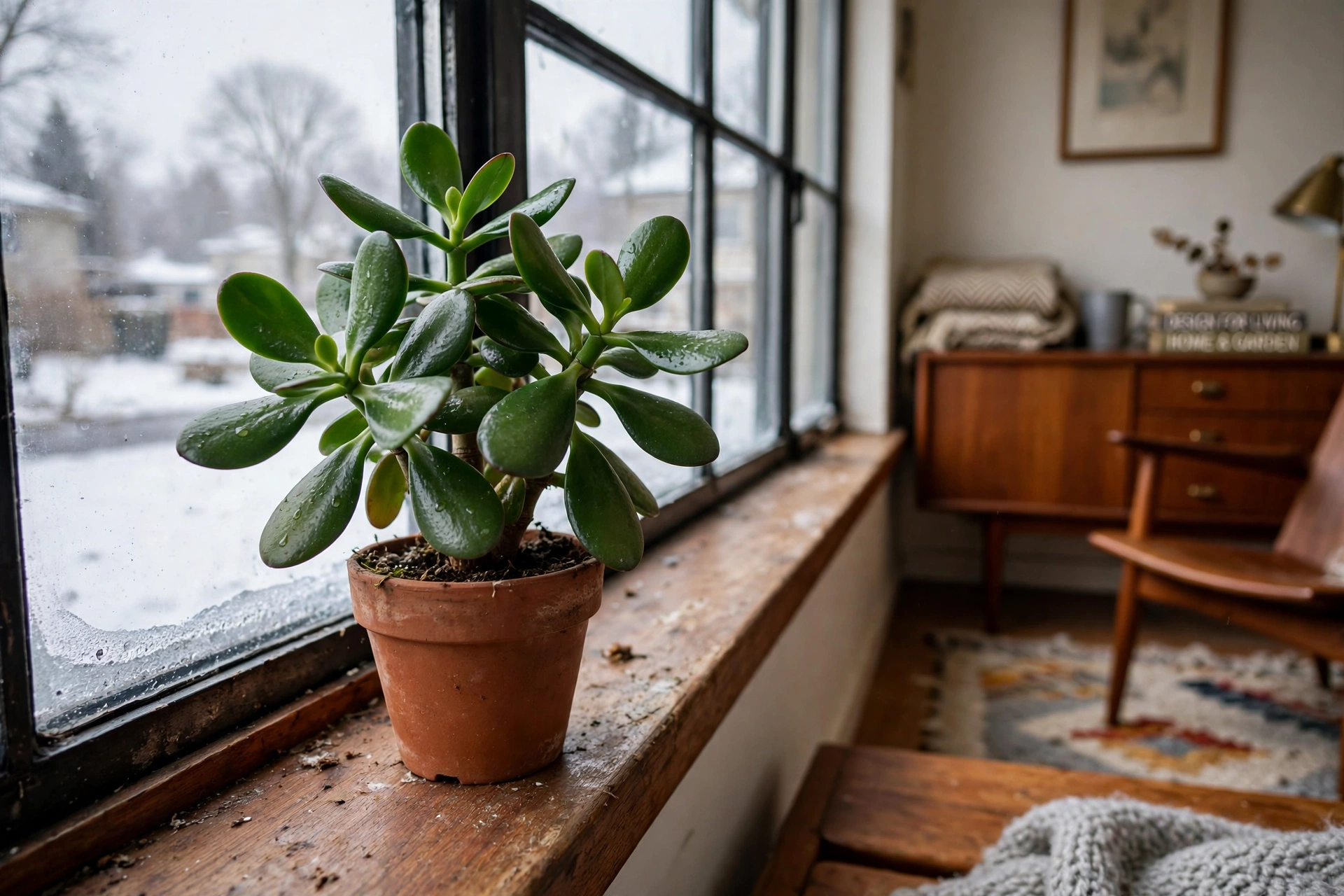
Jade plants are the slow-and-steady savers of the plant world, storing water in thick, glossy leaves. Over time, stems turn woody and it becomes a miniature tree, 1 to 3 feet tall indoors. I mean, a tiny tree on your windowsill? Bright light is its happy place, with four or more hours of direct sun for compact, red-edged leaves. Let the soil dry out between waterings, and winter is its rest season, so it needs less water and gives you a break. Gritty, fast-draining soil matters most, since dry roots stay happy. The ASPCA lists jade plant as toxic to cats and dogs, so a high sill keeps everyone happy.
One tip: use a heavy pot with drainage holes, since a sturdy pot keeps your tiny tree standing tall and proud on a windy sill.
13. String of Pearls
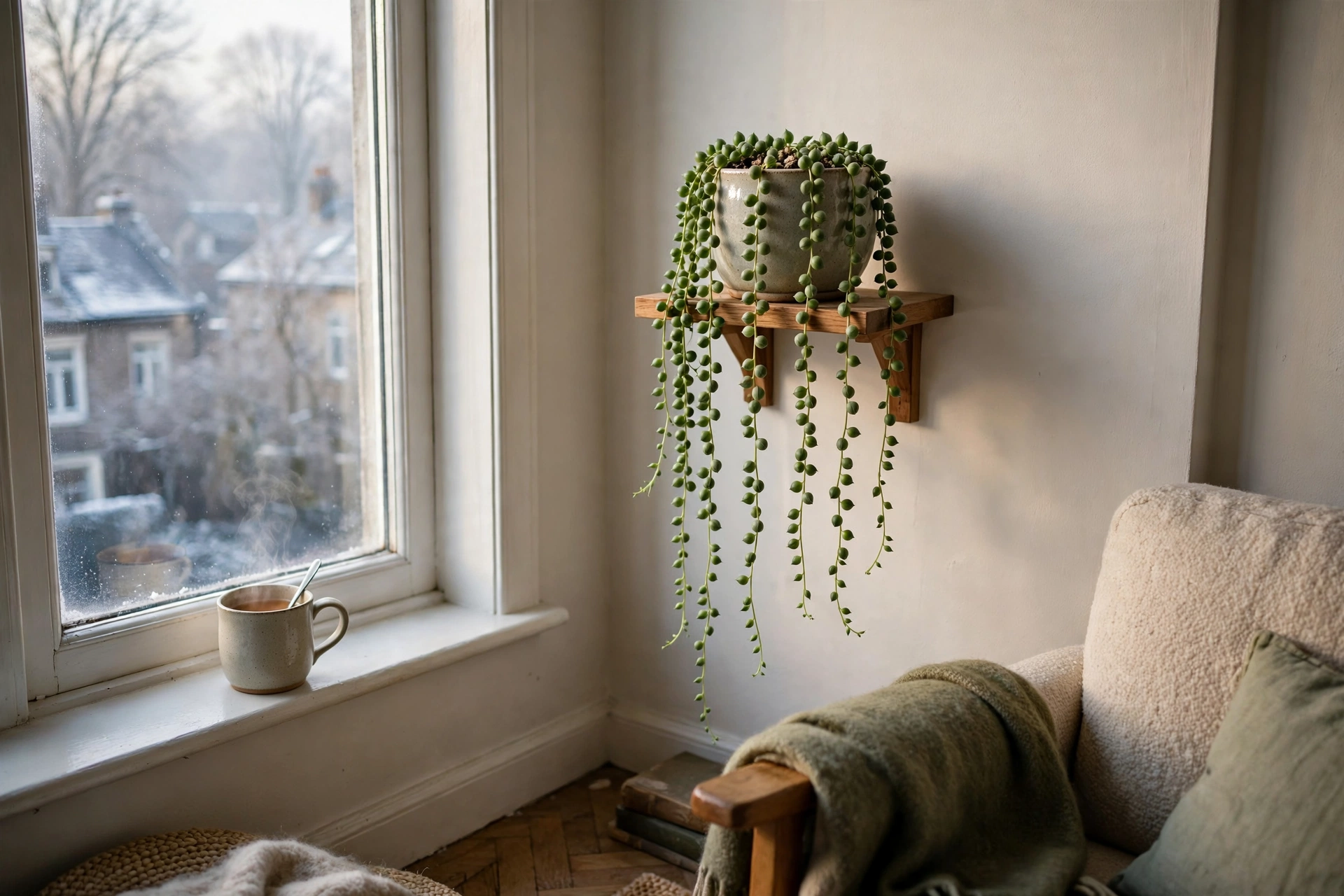
String of pearls looks like someone strung tiny green beads on a thread, then hung them in the sun. Honestly, it is the jewelry of the plant world. The round, pea-sized leaves store water, so this trailing succulent forgives forgotten waterings. Bright light with some direct sun keeps the strands full and gorgeous, so a sunny spot shows them off best. Excellent drainage is essential, and infrequent watering beats a regular schedule every time. Winter growth slows right down, so water even less in the cold months. Keep it well out of reach, since string of pearls is toxic to cats and dogs if chewed.
One tip: water from the bottom by setting the pot in a shallow tray, since dry pearls stay plump and happy that way.
14. Kentia Palm
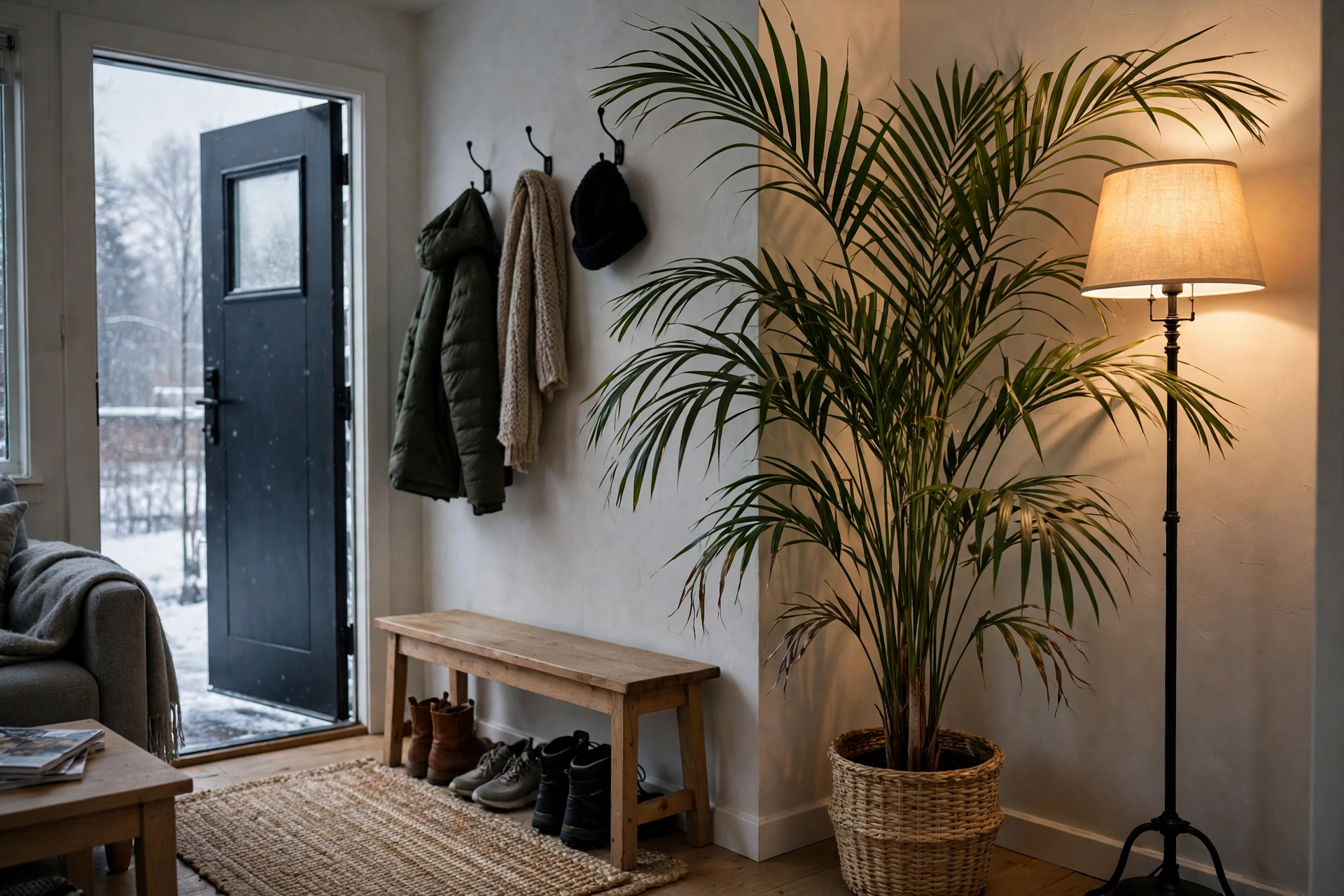
Kentia palms are the quiet luxury of living room plants, all graceful arches and zero drama. Of course, it makes it all look effortless. Their long fronds rise from a slender trunk, and indoor plants reach 5 to 8 feet tall over many slow years. Low to bright indirect light all suit it, which is rare for a palm this elegant. It tolerates drier indoor air better than most palms, so winter heating bothers it less. Keep it above 61 degrees and away from cold drafts, since it likes steady warmth. The ASPCA lists kentia palm as non-toxic to cats and dogs, so it is safe around pets.
One tip: give it a big pot from the start, since kentia palms love staying put and grow slowly enough to call it home for years.
15. Croton
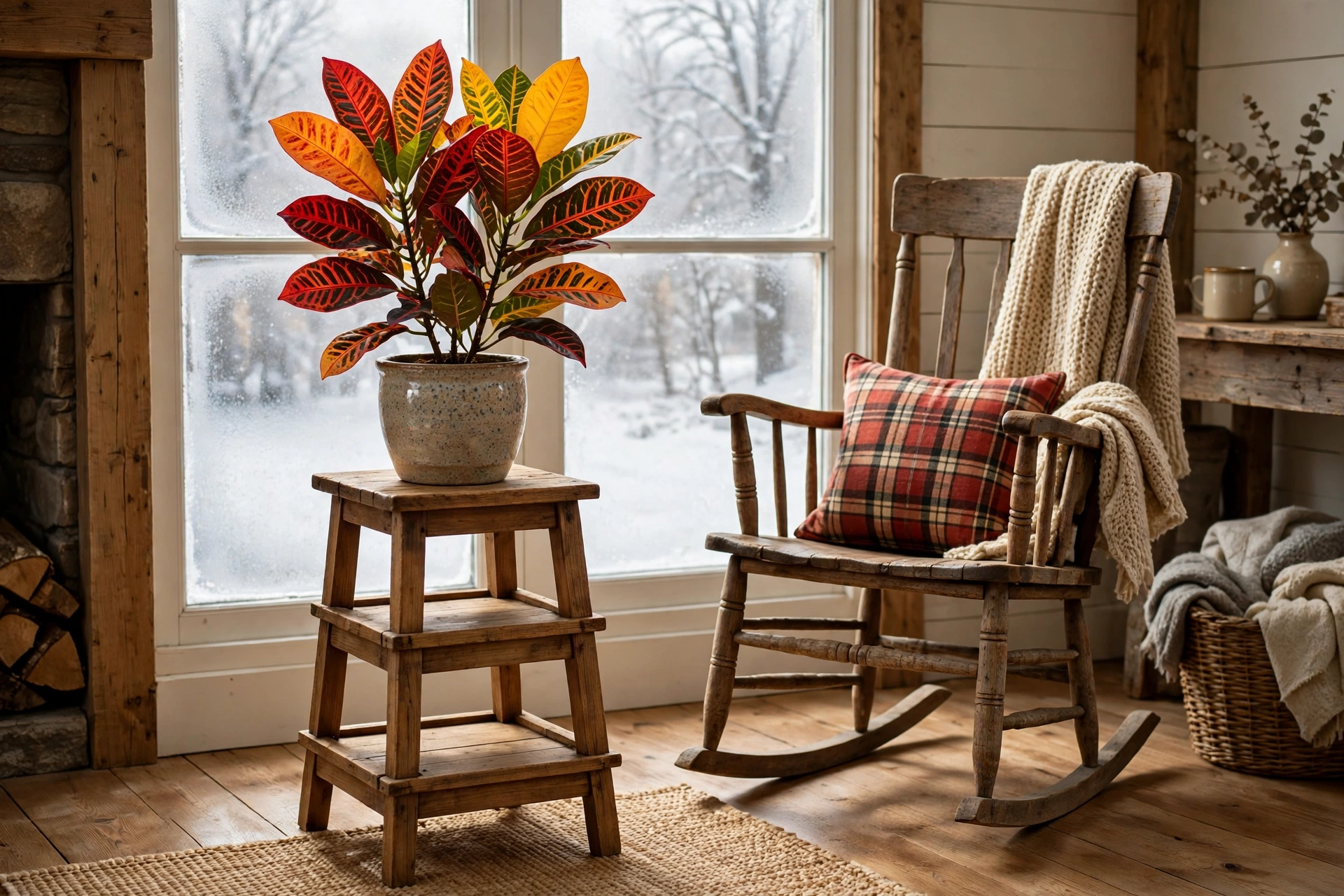
Crotons are the loudest plant on this list, in the best way. Seriously, those colors are unreal. Their bold leaves mix red, orange, yellow, and green, and bright light keeps those colors vivid all winter. Warm, stable rooms suit them best, so a cozy draft-free corner keeps every leaf in place. Water to keep the soil evenly moist, and never let it dry out completely, since steady moisture keeps the colors glowing. Moving a croton to a new spot often drops a few leaves, so give it time to settle in and show off again. Keep it out of reach of pets, since croton is toxic to cats and dogs.
One tip: wipe the broad leaves with a damp cloth monthly, since clean leaves shine brighter and catch even more light.