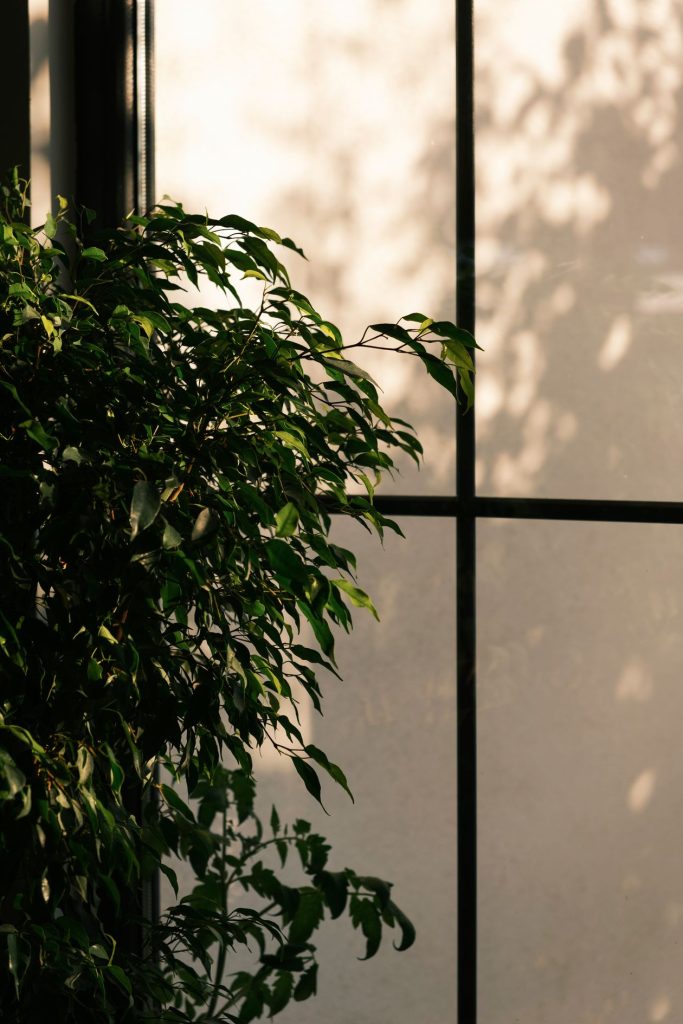
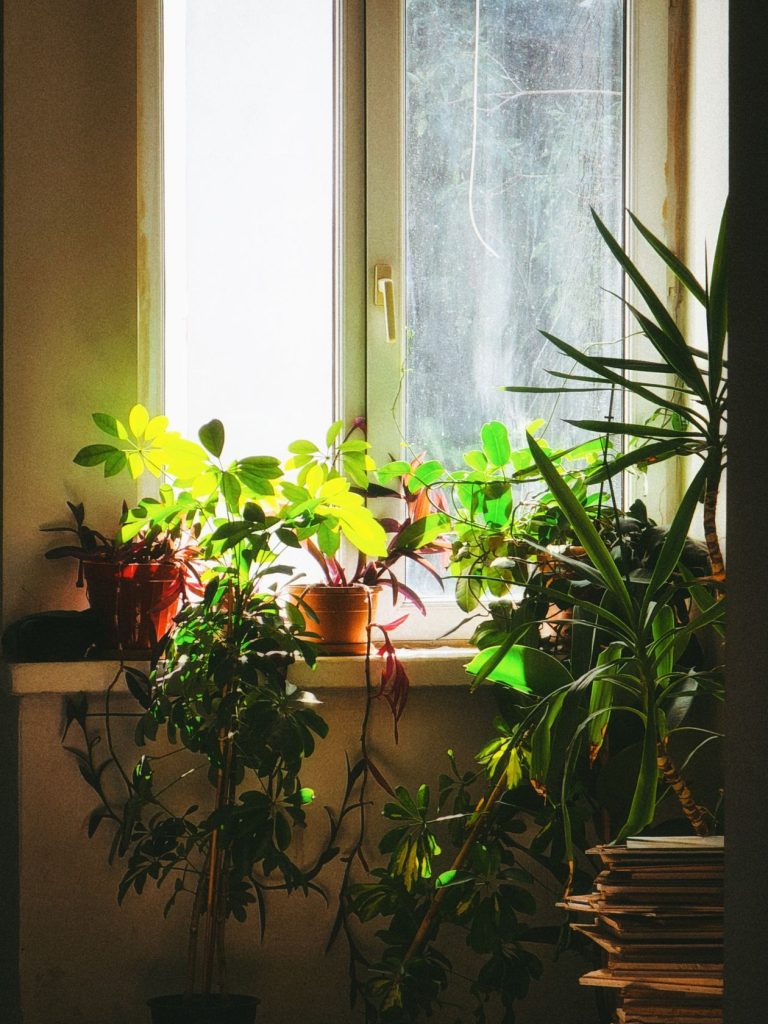
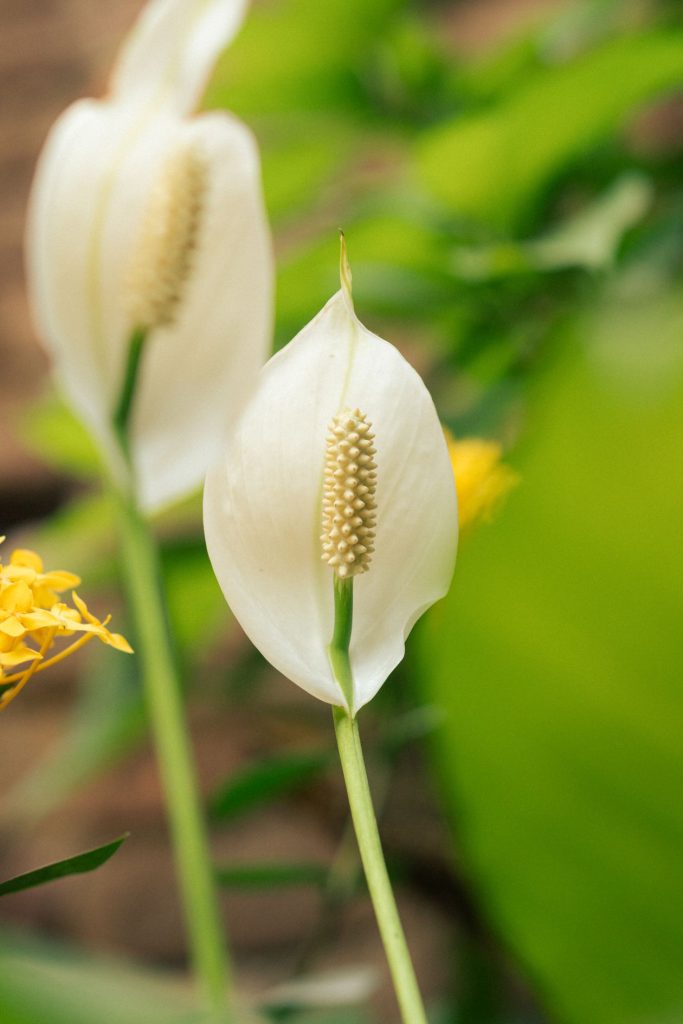
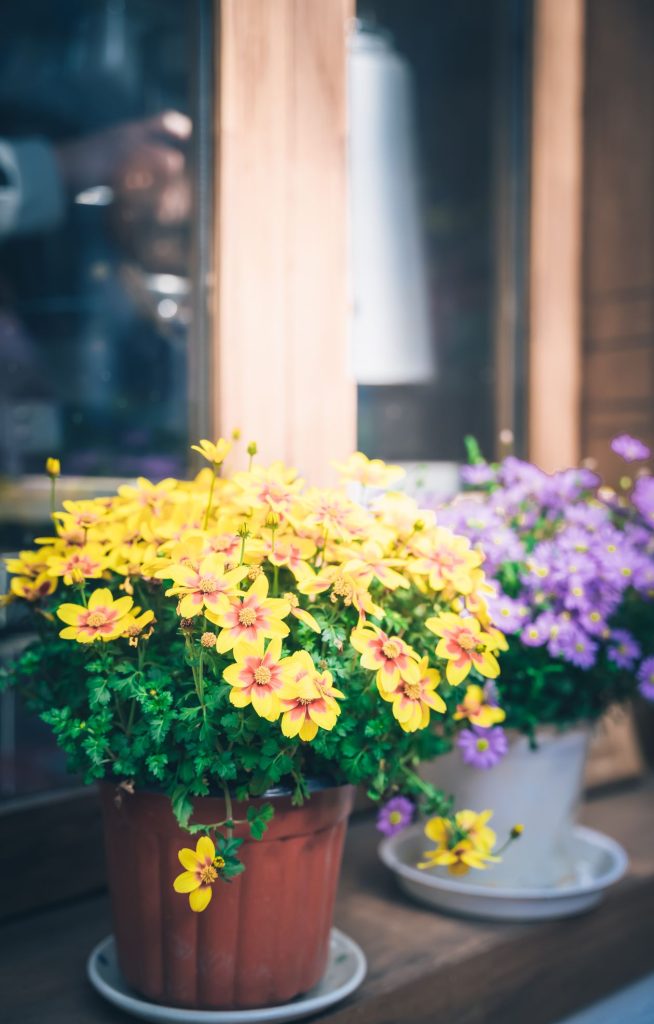
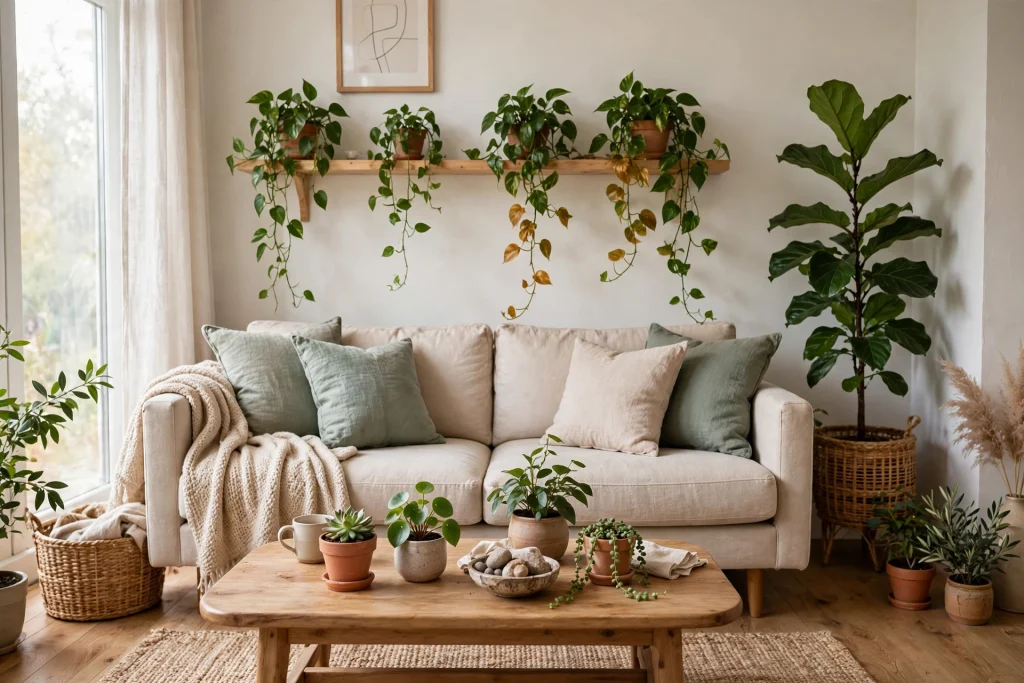
A living room does not need more plants. It needs plants in the right spots. Most advice starts with which plant to buy. But where to put plants in living room corners, shelves, and windows matters more. A monstera in a dark corner sulks. The same plant by a bright window throws out new leaves like it is showing off. This list gives you nine spots that work in real living rooms. Every spot comes with the light it gets, the plants that suit it, and the one thing to watch out for. Pick two or three. That is enough for a room to feel green without feeling like a greenhouse exploded.
First, Read the Light in Your Living Room
Light decides everything. A plant can forgive a missed watering. It cannot forgive a dark corner. So read the light before you buy a single pot. The shadow test takes ten seconds. Stand in the spot around midday on a bright day. Hold your hand about a foot above the surface. A crisp hard shadow means direct sun. A soft fuzzy shadow means bright indirect light. Almost no shadow means low light. That one test tells you more than any plant tag.
Window direction shapes the day. South windows give the strongest light. East windows give gentle morning sun. West windows give strong warm light after lunch. North windows give steady indirect light and the least of it. Trees, curtains, and nearby buildings change all of it, so trust the shadow test over the compass.
Distance matters as much as direction. Light fades fast as you step back from the glass. A spot eight feet back from a strong south window can already count as low light. The desk by the window can be ten times brighter than a spot across the room that looks only slightly darker. That is why the same plant thrives on one side of the sofa and sulks on the other.
A phone light meter app gives you a rough number if you like numbers. Hold the phone where the leaves would sit and face the window. Take readings at a few times of day. The numbers are best for comparing spots, not for treating as gospel. And remember that light drops in winter. A spot that is bright in July can be medium by December. A plant that loved its summer home may need a nudge closer to the glass in winter.
| Window | What It Usually Gets | Good First Picks |
| South | The most light, often hours of direct sun | Cacti, succulents, bird of paradise |
| East | Gentle morning sun, then bright indirect light | Most foliage plants, monstera, philodendron |
| West | Strong warm light after lunch | Rubber plant, dracaena, snake plant |
| North | Steady indirect light, the lowest of the four | Snake plant, ZZ plant, cast iron plant |
1. The Bright Corner by the Window
The corner beside a bright window is the best real estate in the room. Give it your tallest plant. A fiddle-leaf fig, a bird of paradise, or a monstera turns an empty corner into the room’s landmark. The plant should be at least two thirds the height of the nearest furniture. Anything smaller reads as garnish, not presence.
Light here is bright indirect, sometimes with a few hours of gentle sun. Keep the pot a foot or two back from the glass so leaves never touch a cold pane in winter. A sheer curtain softens harsh midday sun on a south window. Rotate the pot a quarter turn every two weeks. Without a turn, the plant leans toward the glass and grows lopsided.
Pick a pot with drainage and a saucer that can hold a real watering. A tall plant in a heavy pot is hard to move, so set it on a small plant caddy with wheels if you like to rearrange. The one watch-out is drafts. A window that leaks cold air in winter can chill a tropical plant overnight. If the corner feels cold to you, it feels cold to the plant.
If you want softer leaves, try a kentia palm or a corn plant. Both grow tall without fuss and forgive a missed watering better than a fiddle-leaf fig. Whatever you choose, give the plant two feet of breathing room from the walls.
2. Either Side of the Sofa
Two matching plants at the ends of the sofa give a room instant order. Symmetry works here because the sofa is already the room’s biggest shape. A pair of snake plants or ZZ plants in the same pot frames the seating like bookends. The effect is calm, not fussy.
Light beside a sofa is usually medium. The sofa rarely sits against the brightest wall. Snake plants, ZZ plants, and parlor palms all handle medium light with ease. A parlor palm adds soft fronds if the room feels too angular. Keep the height in check. A floor plant beside the sofa should reach no higher than the sofa back plus about a foot. Taller than that and the plant looms over anyone sitting down.
Do not put a large plant directly behind where people sit. Leaves brush shoulders, watering becomes awkward, and the plant gets knocked every time someone stands up. One plant at one end is fine too. An offset plant feels relaxed. A pair feels formal. Both work. The watch-out is the side table. A plant on the table next to the sofa needs a pot that cannot tip when someone reaches for a drink.
A plant stand lifts a medium plant to eye level and turns it into a feature. If the sofa faces a wall with no window nearby, a ZZ plant is the safest pick. It stores water in its rhizomes and shrugs off low light and missed waterings alike.
3. Flanking the TV
The TV wall is a big black rectangle. Two plants on either side soften it without competing with the screen. Upright plants work best here. A snake plant or a ZZ plant stands tall and narrow, so it never blocks the view. A pair in matching pots gives the media wall a finished look.
Light by the TV is often medium to low. The TV wall rarely has a window. That is fine for snake plants and ZZ plants. A peace lily adds a white flower if the spot gets a little more light. Keep plants off the top of the TV itself. Heat from the screen and the console dries soil fast. A small peperomia or succulent on the console is fine, but keep it low and to the side so it never blocks the screen.
The watch-out is cables and remotes. A trailing plant near a media console will find the cables. Keep vines trimmed back from the back of the unit. A plant that drops leaves onto warm electronics is a chore, not a feature. Dust the leaves once a month. A TV wall collects dust, and dusty leaves photosynthesize poorly.
If the console is long, three small pots in a row can work. Odd numbers look more natural than pairs on a shelf. The goal is a green frame for the screen, not a jungle that fights it.
4. The Mantel
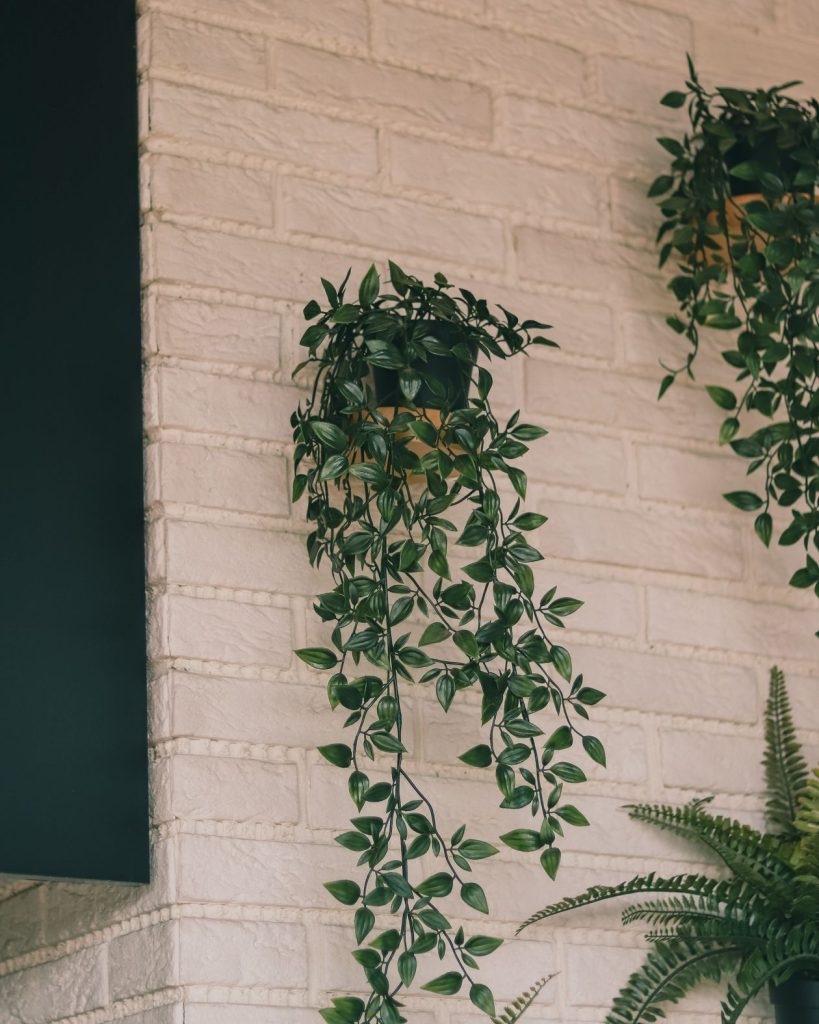
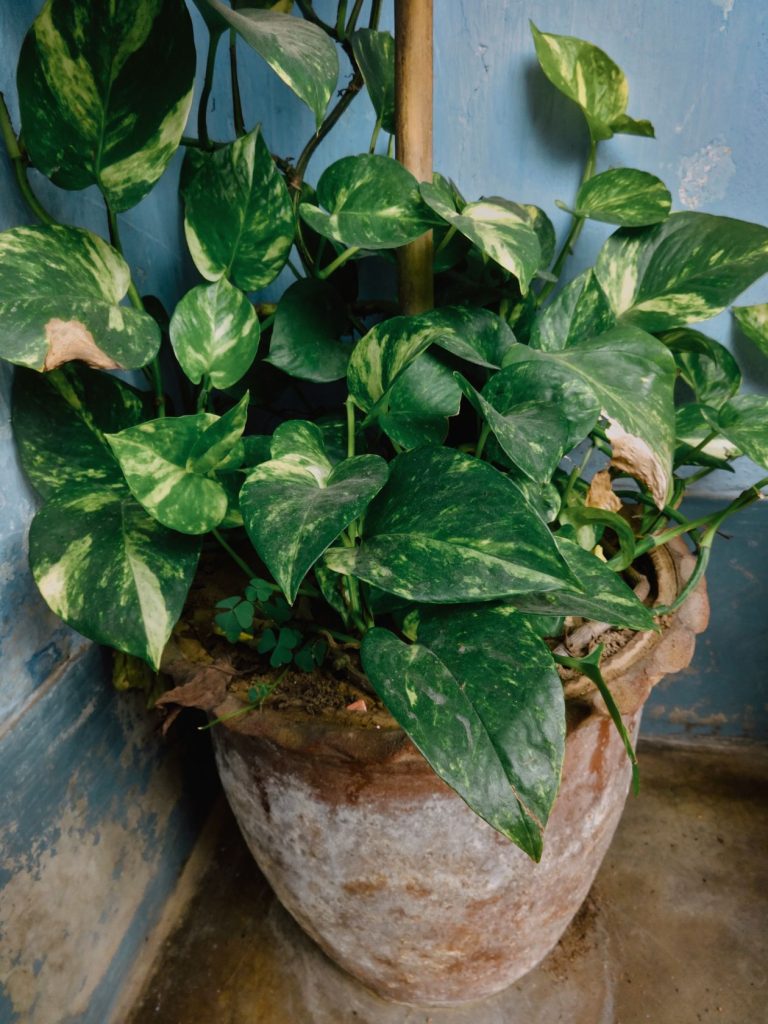
A mantel is a natural stage for plants. A trailing pothos spilling over one end softens the hard edge of the fireplace wall. A small snake plant or ZZ plant at the other end adds height. The pairing looks effortless because the mantel does the framing for you.
Light above a fireplace is often medium. The mantel sits high, and the firebox wall rarely has a window beside it. Pothos, heartleaf philodendron, and ZZ plants all handle it. Air plants work too, tucked into a small dish or mounted on driftwood. They need no soil, so they suit a narrow ledge.
Heat is the real question. A mantel above a working fireplace gets warm and dry. Keep plants at least three feet from the firebox opening. Never let vines trail toward the flames. A plant that sits directly above an active fire dries out fast, and dry leaves near heat are a risk. If your fireplace burns often, move the plants to the ends of the mantel and check the soil more often. A humidifier in the room during burning season helps every plant nearby.
The watch-out is soot and dust. Wipe leaves with a damp cloth once a month. A dusty pothos still trails, but clean leaves look better and grow faster. If the mantel gets too hot to touch during a fire, that spot is not a plant spot. Use the hearth ends instead.
5. A Plant Shelf or High Ledge
Shelves turn empty wall space into a garden. A trailing pothos or philodendron on a high shelf spills down and softens the whole wall. A shelf near a window gets medium to bright light, which suits most trailing plants. A shelf on a dark wall still works for pothos and heartleaf philodendron. Both forgive low light.
Give one shelf entirely to plants. A shelf shared with books and clutter makes the plant look like an afterthought. Group in odd numbers. Three pots of different heights look composed. Two look like salt shakers. A small stand or a stack of books lifts one pot above the rest and builds the triangle the eye likes.
Watering is the practical part. A high shelf is easy to forget. Use pots with drainage and a saucer, or keep the plant in a nursery pot inside a decorative cover. Take the plant down to the sink for watering. Watering in place on a high shelf ends with drips on the books below. For more ideas on making shelves look designed rather than cluttered, see our plant shelf styling ideas.
The watch-out is weight. A shelf full of wet soil is heavy. Check that the shelf brackets are fixed into studs, not just plaster. A falling shelf is a bad day for the plant and the floor.
6. The Coffee Table
The coffee table gets one small low plant. That is the rule. A coffee table is for conversation, and a tall plant in the middle blocks faces and the TV. A small succulent, a peperomia, or a tiny fern in a pretty pot is enough. It adds life without getting in the way.
Light on a coffee table is usually low to medium. The table sits in the middle of the room, far from the glass. A peperomia handles that. A succulent needs more light than a coffee table usually gives, so save succulents for the windowsill. A ZZ plant in a small pot is another safe pick. It stays compact and forgives low light.
Scale matters more here than anywhere else. The plant should be no taller than about a foot, pot included. Anything bigger turns the table into a plant stand. Use a pot with a saucer. A coffee table takes drink rings already. It does not need water rings too.
The watch-out is clutter. A plant, a book, and a candle is a vignette. A plant plus remotes, mail, and mugs is a mess. Give the plant its own clear patch of table. If the table is small, skip the plant and let the floor plants do the work.
7. A Hanging Planter in a Bright Corner
A hanging planter uses air, not floor. That makes it perfect for a bright corner where the floor is already full. A spider plant, a pothos, or a string of hearts trails down and fills vertical space that would otherwise sit empty. The corner feels taller and the room feels layered.
Light in a hanging spot is often better than it looks. A planter hung near a window catches bright indirect light at leaf level. The ceiling is usually brighter than the floor because light falls from above. Hang the planter so the top of the pot is at or just above eye level. Eye level is the sweet spot, where the plant shows its best and stays out of the way.
Watering takes a little planning. A hanging plant sits out of reach, so build it into your routine. Take it down to the sink every week or two. Let it drain fully before hanging it back. A planter with drainage keeps the roots healthy, so use one with a hole and a saucer, or a nursery pot inside the hanger.
The watch-out is the hook. A hanging planter full of wet soil is heavy. Screw the hook into a ceiling joist, not just plasterboard. A hook fixed into a joist holds the weight with ease. If you rent, a tension rod or a wall bracket avoids holes in the ceiling.
8. The Dark Empty Corner
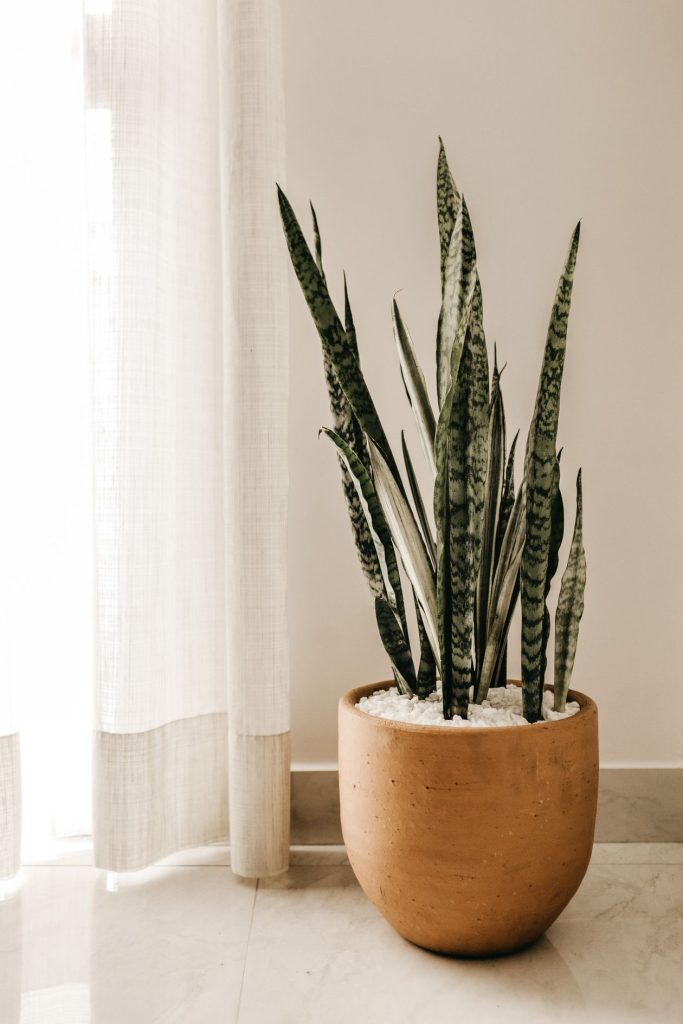
Every living room has one. The corner far from the windows, where the light never quite reaches. It looks empty and ready for a plant. Good news. A few plants genuinely like it there. A snake plant, a ZZ plant, a cast iron plant, or a parlor palm will sit in a dark corner and look handsome for months.
Light here is low. That means a faint shadow or none at all on the shadow test. Low light does not mean no light. If you need lamps on all day to read, even these tough plants will want a small grow light. A grow light on a timer for a few hours a day turns a quiet corner into a real home for a plant.
Pick a tall plant for a dark corner. A floor plant fills the vertical gap and gives the room a second anchor. A snake plant grows two to four feet tall and needs almost nothing. A cast iron plant lives up to its name and handles dust and low light with ease. A parlor palm adds soft fronds if the corner needs a softer touch.
The watch-out is water. Low light means slow growth, and slow growth means the soil dries slowly. Water half as often as you would a plant by the window. Dry soil between waterings keeps a snake plant happy in a dark corner. For a fuller list of plants that handle dim rooms, see our best low-light plants for small apartments.
9. A Group by the Window
One plant by the window is a start. Three look like a garden. Grouping plants by the window is the fastest way to make a living room feel lush. The plants share humidity, the pots look deliberate, and the window becomes a green frame for the room.
Use the rule of three. One tall plant, one medium plant, and one low or trailing plant. The eye travels the triangle and calls it a design. A monstera at the back, a philodendron in the middle, and a pothos trailing from a low stand is a classic trio. Vary leaf shapes too. Big split leaves next to small round ones look richer than three plants with the same leaf.
Light by the window is the best in the room, so this group can hold your sun lovers. A bird of paradise, a fiddle-leaf fig, or a rubber plant takes the tall spot. Keep the tallest plant a foot or two back from the glass. The group also raises local humidity. Plants release moisture as they breathe, and a cluster shares it. That helps in winter when heating dries the air.
The watch-out is crowding. Leave a hand’s width of air between pots. Spaced pots let every plant catch light and air. If you want the full styling side of this idea, our guide to styling indoor plants in your living room covers groupings in more detail.
Where to Put Plants in Living Room Spots at a Glance
Here is the whole list in one place. Find your spot, check the light, and pick a plant that suits it.
| Spot | Light | Best Plants | Watch Out |
| Bright corner by the window | Bright indirect | Fiddle-leaf fig, bird of paradise, monstera | Cold drafts from the glass |
| Either side of the sofa | Medium | Snake plant, ZZ plant, parlor palm | Plants behind seated people |
| Flanking the TV | Medium to low | Snake plant, ZZ plant, peperomia | Vines near cables |
| The mantel | Medium | Pothos, philodendron, ZZ plant | Heat and dry air from the fire |
| Plant shelf or high ledge | Medium to bright | Pothos, philodendron, spider plant | Weight on the brackets |
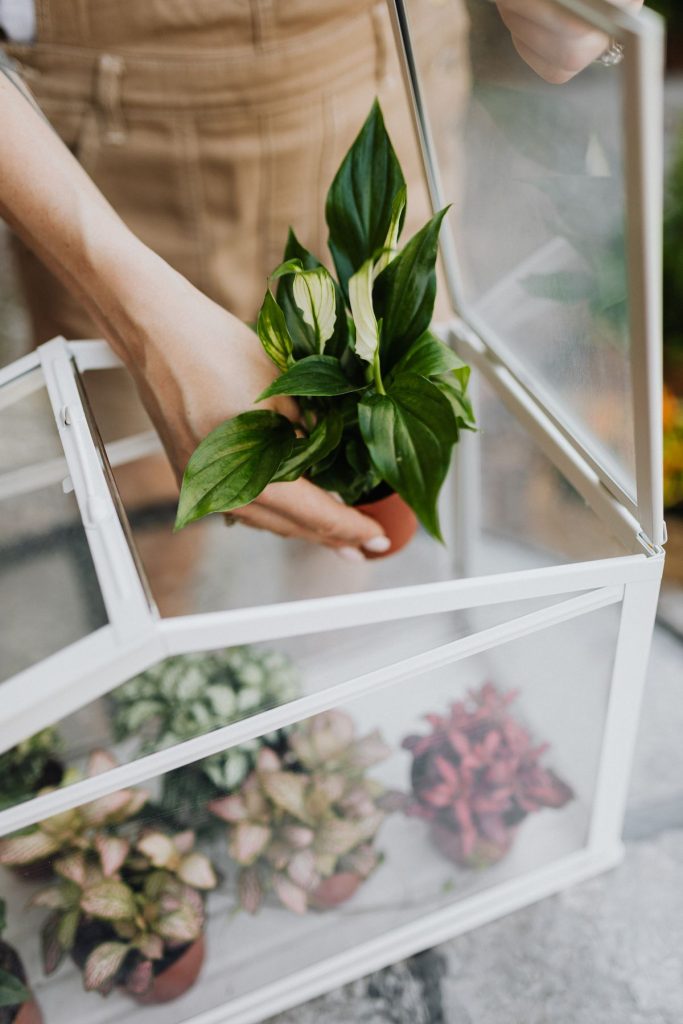
| Coffee table | Low to medium | Peperomia, small ZZ plant, fern | Blocking conversation |
| Hanging planter | Bright indirect | Spider plant, pothos, string of hearts | Hook fixed into a joist |
| Dark empty corner | Low | Snake plant, ZZ plant, cast iron plant | Overwatering slow soil |
| Group by the window | Bright indirect | Monstera, bird of paradise, rubber plant | Crowding the pots |
Placement Mistakes That Set Living Room Plants Back
Most placement mistakes come from the same habit. We buy the plant first and find the spot second. Flip the order and most of these fix themselves.
Mistake 1. Buying the plant before reading the light
The nursery is bright. Your living room may not be. A plant that glowed under greenhouse lights does best in a spot with matching light. Read the light first with the shadow test. Then buy the plant that suits the spot. The plant you love is out there in a version that fits your light.
Mistake 2. Putting a sun lover in a dark corner
A fiddle-leaf fig in a dark corner wants more light than the corner gives. Give it the window and it thrives. Dark corners belong to snake plants, ZZ plants, and cast iron plants. Save the sun lovers for the window. A plant in the right light needs less care, not more.
Mistake 3. Parking pots in the path of vents and radiators
Hot and cold blasts dry soil fast and scorch leaves. A plant beside a radiator in winter is a plant in a desert. Move the pot out of the vent’s direct path. It can stay in the same part of the room. A few feet of distance changes everything.
Mistake 4. Filling every surface with one lonely pot each
One pot per surface looks scattered, not green. Group plants in threes and leave empty space on purpose. An empty shelf next to a full corner makes the full corner look intentional. Six to nine plants, grouped well, make a standard living room feel generously green.
Mistake 5. Forgetting that pets can reach the floor
Pothos, monstera, peace lily, and ZZ plant can irritate a pet’s mouth if chewed. Keep them on high shelves or in hanging planters if you have cats or dogs. Reserve floor spots for pet-safe plants like parlor palms, spider plants, and calatheas. Check the ASPCA list before you buy.
A Simple Routine That Keeps Living Room Plants Alive
A routine beats enthusiasm. Check your plants once a week, same day, same round. Poke a finger an inch into the soil. Dry means water. Damp means wait. Water until it runs from the drainage hole, then empty the saucer. No plant likes wet feet.
Dust the leaves once a month with a damp cloth. Dust blocks light, and a TV wall collects more dust than anywhere else. Rotate floor plants a quarter turn every two weeks so they grow evenly. Prune yellow leaves at the base. A yellow leaf will not turn green again, and removing it lets the plant spend energy on new growth.
Feed lightly in spring and summer, when plants grow. A half-strength liquid feed once a month is plenty. Skip feeding in winter. Most houseplants rest then, and extra food just salts the soil. For help planning a room layout that keeps plants easy to reach, see our indoor garden layouts for small spaces.
Frequently Asked Questions
Q1. How many plants should a living room have?
A standard living room looks generously green with six to nine plants. One tall anchor, two grouped moments, and one or two singles is a layout that always works. Start with three and add more once the first ones thrive.
Q2. Which plant is best for a dark living room corner?
A snake plant is the safest pick. It tolerates low light, needs little water, and grows tall enough to fill a corner. A ZZ plant or a cast iron plant are close seconds. If the corner is so dark you need lamps all day, add a small grow light.
Q3. Can I put a plant next to my TV?
Yes. An upright snake plant or ZZ plant beside the TV softens the screen without blocking it. Keep plants off the top of the TV, where heat dries the soil. Keep trailing vines away from the cables at the back.
Q4. Is it safe to put plants on a fireplace mantel?
Yes, with distance. Keep plants at least three feet from the firebox opening. Never let vines trail toward the flames. Pothos, philodendron, and ZZ plants handle the warm dry air best. If the mantel gets too hot to touch during a fire, move the plants to the hearth ends.
Q5. How far from the window should a fiddle-leaf fig sit?
One to three feet back from a bright window is ideal. That gives it bright indirect light without harsh sun on the leaves. On a south window, a sheer curtain or a few extra feet back protects it in summer. Never let leaves touch cold glass in winter.
Q6. What is the best tall plant for a living room corner?
A monstera is the friendliest tall plant for most living rooms. It grows fast, forgives missed waterings, and its split leaves look good from every angle. A bird of paradise is bolder if the corner is very bright.
Q7. Should I group my houseplants together?
Yes. Groups look better and grow better. Plants in a cluster share humidity, which helps in dry heated rooms. Group in threes with one tall, one medium, and one trailing plant. Leave a hand’s width of air between pots so light and air can reach every leaf.
Q8. Which living room plants are safe for cats and dogs?
Parlor palms, spider plants, calatheas, and Boston ferns are safe bets. Pothos, monstera, peace lily, and ZZ plant can irritate pets if chewed, so keep those up high or in hanging planters. Check the ASPCA toxic and non-toxic list before you buy.
Q9. Why do my plants lean toward the window?
They are reaching for light. Plants grow toward the brightest spot in the room, and a window is usually it. Rotate the pot a quarter turn every two weeks. That keeps growth even and stops the lean. A plant that leans hard may want a brighter spot.
Q10. Can I use a grow light in my living room?
Yes. A small grow light on a timer turns a dark corner into a real home for plants. Full-spectrum bulbs in a normal floor lamp work well and look like ordinary lighting. Run it for a few hours a day. Your plants will notice the difference within weeks.
Q11. Do living room plants really clean the air?
They help a little, but they are not air purifiers. The famous NASA study tested plants in sealed chambers, not living rooms. In a real home, a few pots freshen the air and lift the mood. They will not replace fresh air and ventilation. For the full story, see our guide on whether NASA air-purifying plants really work.
The Short Version
Read the light first. Give the brightest corner your tallest plant. Frame the sofa and the TV with upright plants. Let trailers spill from shelves and the mantel. Keep the coffee table to one small pot. Fill the dark corner with a snake plant and a little patience. Group the rest by the window in threes. That is where to put plants in living room spaces, and it works in rooms of every size.