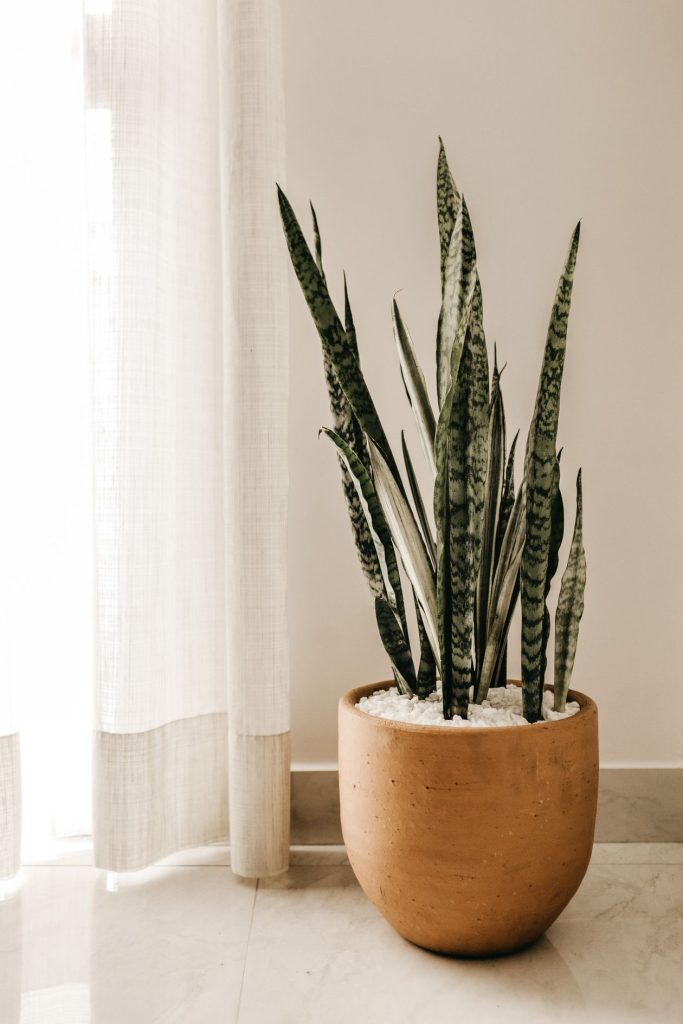
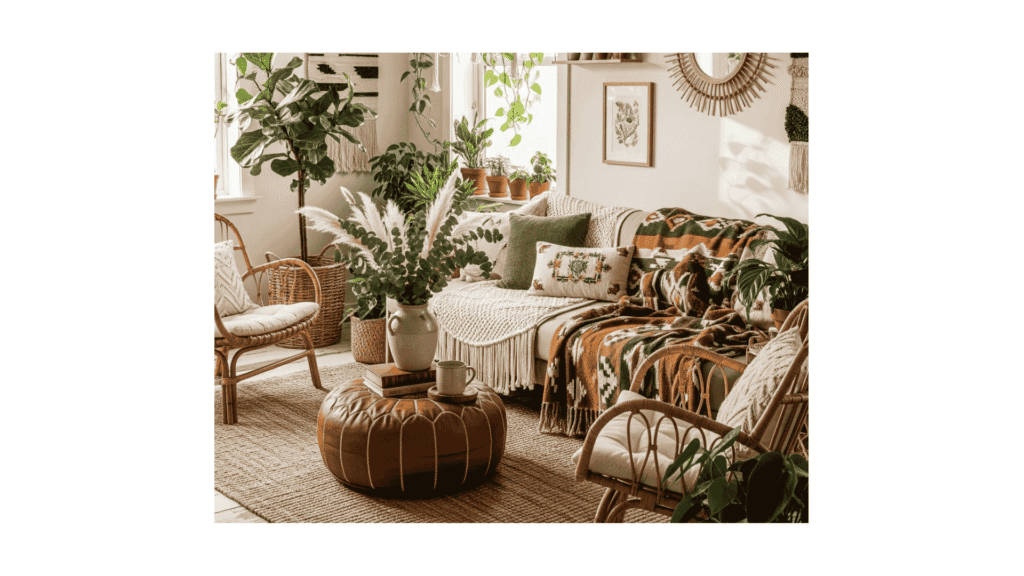
Every living room has one. That empty corner by the sofa, or the bare stretch of wall beside the TV, where nothing quite fits. A floor lamp feels flat. Large indoor plants for living room corners fix that gap in a way furniture never does. They add height, soften hard edges, and make the whole room feel finished. This list gives you 12 big plants that work indoors, with real sizes, light needs, and honest care notes.
What Counts as a Large Indoor Plant?
A large indoor plant is a floor plant, not a shelf plant. It stands in its own pot on the floor and reaches at least 4 feet tall at maturity. Most plants on this list grow 5 to 10 feet indoors, with a trunk or a wide crown that gives them real presence. A big one anchors the corner and pulls the room together.
Before you fall for a plant, grab a tape measure. Measure from the floor to the ceiling, then subtract 24 inches. That number is your max plant height. A 9-foot ceiling fits a 6 to 7-foot tree with room to breathe. An 8-foot ceiling caps you around 5 to 6 feet. Width matters too. A monstera spreads 4 to 5 feet wide, while a dracaena stays slim.
Height is only half the story. A great living room plant also does three things.
- Holds its shape without constant pruning
- Keeps its leaves in normal home light
- Forgives the odd missed watering
Every plant below passed that test, so read the light note first and the looks second.
How to Pick the Right Big Plant for Your Corner
The prettiest plant in the shop is the wrong plant if your corner cannot keep it happy.
Check the light first
Light decides more than any other factor. Stand in the corner around 11 in the morning and hold your hand above the floor. A sharp, crisp shadow means bright light. A soft, fuzzy shadow means medium light. No shadow at all means low light. Match the plant to the shadow, not to the wish. A fiddle-leaf fig in a dark corner drops leaves within weeks, while a kentia palm in that same corner stays happy for years. South and west windows give the strongest light. East windows give gentle morning sun. North windows give weak light, so save those corners for the shade-tolerant picks below.
Measure the space before you shop
Write down three numbers before you leave the house. Ceiling height, floor width, and the distance to the nearest window. A tall plant needs headroom, and a wide plant needs elbow room. Check the doorway too. A 7-foot tree in a 14-inch pot does not bend around a tight hallway corner. If the spot is tight, pick an upright grower like a dracaena instead of a spreader like a monstera.
Think about the pot and the floor
A big plant in a big pot is heavy, and a wet one is heavier. Put a saucer or a drip tray under every floor plant, even if the pot looks waterproof. Water finds a way out, and it always finds the hardwood. A plant caddy with wheels lets you rotate the plant and roll it to the sink without lifting 40 pounds of soil and roots. Choose a pot with drainage holes. A pot without holes turns into a swamp, and swampy roots rot fast.
Three small buys make a big plant much easier to live with.
- A saucer or drip tray that fits the pot
- A wheeled plant caddy for moving and rotating
- A moisture meter, so watering stops being a guess
Pets and kids change the shortlist
If a cat chews leaves or a toddler grabs them, check the ASPCA list first. Five plants on this list are non-toxic to cats and dogs. The kentia palm, areca palm, money tree, olive tree, and Norfolk Island pine all get a green light. The ficus family, monstera, dracaena, bird of paradise, and yucca are toxic if eaten, so keep them out of reach or pick a safer option.
The 12 Best Large Indoor Plants at a Glance
Short on time? This table gives you the whole list in one look.
| Plant | Height indoors | Light | Water | Care | Pets |
|---|---|---|---|---|---|
| Fiddle-Leaf Fig | 6 to 10 feet | Bright indirect | Weekly | Moderate | Toxic |
| Monstera Deliciosa | 6 to 8 feet | Bright indirect | Weekly | Easy | Toxic |
| Kentia Palm | 6 to 10 feet | Low to bright indirect | Every 1 to 2 weeks | Easy | Safe |
| Bird of Paradise | 5 to 7 feet | Bright direct | Weekly | Moderate | Toxic |
| Rubber Plant | 6 to 10 feet | Bright indirect | Weekly | Easy | Toxic |
| Ficus Audrey | 5 to 10 feet | Bright indirect | Weekly | Easy | Toxic |
| Areca Palm | 6 to 8 feet | Bright indirect | Weekly | Moderate | Safe |
| Dracaena Marginata | 6 to 8 feet | Low to bright indirect | Every 2 weeks | Easy | Toxic |
| Olive Tree | 4 to 6 feet | Full sun | Weekly | Moderate | Safe |
| Yucca | 5 to 8 feet | Bright direct | Every 2 to 3 weeks | Easy | Toxic |
| Money Tree | 6 to 8 feet | Bright indirect | Weekly | Easy | Safe |
| Norfolk Island Pine | 4 to 6 feet | Bright direct | Weekly | Moderate | Safe |
The 12 Best Large Indoor Plants for Living Rooms
Here they are, one by one, with the numbers that matter. The heights are indoor heights in a normal home.
1. Fiddle-Leaf Fig
Height 6 to 10 feet indoors. Light Bright indirect light, a few feet from an east or west window. Water Weekly in spring and summer, less in winter. Care Moderate. Pets Toxic if eaten.
The fiddle-leaf fig is the plant that made big indoor plants famous, and it still earns its fame. Its broad, violin-shaped leaves grow 12 to 18 inches long, and a healthy tree turns an empty corner into the focal point of the room. It wants a steady spot with bright indirect light.
This plant asks for consistency. Pick its corner, leave it there, and rotate the pot a quarter turn each month so it grows straight. Wipe the big leaves with a damp cloth now and then. Dust blocks light, and clean leaves grow faster.
2. Monstera Deliciosa
Height 6 to 8 feet indoors. Light Bright indirect, no harsh midday sun. Water Weekly when the top inch of soil is dry. Care Easy. Pets Toxic if eaten.
Nobody walks past a monstera without noticing it. The huge split leaves look like they belong in a jungle lodge, and a mature plant fills a corner with width as well as height. A moss pole gives it something to climb, and climbing makes the leaves grow bigger and split more.
Monsteras forgive a lot. They handle medium light and bounce back from a missed watering. The one thing they hate is wet feet, so let the top inch of soil dry out and always empty the saucer. Give it room to spread. A monstera needs 4 to 5 feet of width at maturity.
3. Kentia Palm
Height 6 to 10 feet indoors. Light Low to bright indirect. Water Every 1 to 2 weeks. Care Easy. Pets Safe for cats and dogs.
If you want a palm that behaves itself, this is the one. The kentia palm has been the classic indoor palm for over a century, and it earned that record by surviving low light, dry air, and general neglect. Its arching fronds spread 5 to 6 feet wide, so it softens a corner without looking wild. It grows slowly, so a kentia you buy today will still fit its corner in five years.
Buy the size you want now. A tall specimen costs more, but it looks finished the day it arrives. Water when the top inch of soil dries out. It stays happy in a dim room, and it is safe around pets.
4. Bird of Paradise
Height 5 to 7 feet indoors. Light Bright direct sun. Water Weekly, keep soil lightly moist. Care Moderate. Pets Toxic if eaten.
The bird of paradise looks like it escaped from a resort lobby, and that is exactly the point. Its huge banana-like leaves fan out from the base and can reach 7 feet tall in a bright room. It is the boldest plant on this list, and it loves a sunny corner where it can show off. Put it within a few feet of a south or west window and it rewards you with a new leaf every few weeks in spring and summer.
Light is the whole deal here. In a dim room it sulks and the leaves stay small. Water when the top inch of soil dries out. If the leaves curl, it usually wants a drink or a spot away from a cold draft.
5. Rubber Plant
Height 6 to 10 feet indoors. Light Bright indirect, tolerates some direct sun. Water Weekly when the top inch of soil is dry. Care Easy. Pets Toxic if eaten.
The rubber plant is the reliable friend of this list. Its thick, glossy leaves look polished with almost no effort, and it grows a sturdy trunk that gives it a real tree shape. It handles a missed watering and tolerates medium light. The dark green type is the classic, and the burgundy type adds deep color for a modern room.
Prune the top when it gets too tall, and it branches out instead of growing one bare stem. That one cut turns a lanky plant into a full tree. Wipe the leaves now and then, because dust shows up fast on glossy foliage.
6. Ficus Audrey
Height 5 to 10 feet indoors. Light Bright indirect, some morning sun is fine. Water Weekly, let the top inch dry out. Care Easy. Pets Toxic if eaten.
Think of Ficus Audrey as the fiddle-leaf fig with a better attitude. It has soft, velvety leaves, a pale trunk, and a relaxed tree shape that fits a living room without shouting. It grows slowly and does not drop leaves the way its famous cousin does.
Give it bright indirect light and water when the top inch of soil dries out. It forgives a missed watering and a move across the room. Let it grow tall, or pinch the top to encourage side branches.
7. Areca Palm
Height 6 to 8 feet indoors. Light Bright indirect, no harsh direct sun. Water Weekly, keep soil lightly moist. Care Moderate. Pets Safe for cats and dogs.
The areca palm is the airy one. Its feathery fronds arch out from clustered stems and create a soft, breezy screen that fills a corner without blocking light. It is also one of the few palms that is safe for cats and dogs.
Areca palms like steady moisture and a bit of humidity. Water when the top inch of soil dries out, and mist the fronds if your air runs dry in winter. Brown tips usually mean dry air or hard tap water, so try filtered water.
8. Dracaena Marginata
Height 6 to 8 feet indoors. Light Low to bright indirect. Water Every 2 weeks, let soil dry out. Care Easy. Pets Toxic if eaten.
The dragon tree is the slim one. Its thin trunk and spiky crown of narrow leaves, edged in red, add height without eating up floor space. That slim shape makes it the best pick for a tight corner or the strip beside a bookcase. It tolerates low light better than most tall plants, and it forgives a missed watering, because the thick stem stores water.
Water it less than you think. Let the soil dry out between waterings, and always use a pot with drainage holes. Brown leaf tips usually come from fluoride in tap water or from overwatering. Switch to filtered water and rotate it so it does not lean.
9. Olive Tree
Height 4 to 6 feet indoors. Light Full sun. Water Weekly, never let soil dry out fully. Care Moderate. Pets Safe for cats and dogs.
An olive tree brings a Mediterranean feeling into a living room, with quiet gray-green leaves instead of tropical drama. It suits a bright, sunny corner, especially in a terra-cotta pot. Dwarf types stay around 4 to 6 feet indoors.
Sun is non-negotiable. An olive tree wants at least 6 hours of direct sun, so a south-facing window is its happy place. It also wants gritty, well-drained soil, because soggy roots are its one real enemy. Do not expect olives indoors.
10. Yucca
Height 5 to 8 feet indoors. Light Bright direct sun, tolerates bright indirect. Water Every 2 to 3 weeks, let soil dry out fully. Care Easy. Pets Toxic if eaten.
The yucca is the plant for people who travel, forget, or just do not want a needy roommate. Its thick cane and sword-like leaves shrug off dry air, missed waterings, and bright sun. It looks bold and sculptural, like a desert plant that moved into the city. A multi-cane pot fills a corner with staggered heights that look designed on purpose.
Water it rarely and water it well. Let the soil dry out between waterings, and never let the pot sit in water. Overwatering rots the cane from the base, and that is the one way to kill a yucca. Give it the sunniest corner you have.
11. Money Tree
Height 6 to 8 feet indoors. Light Bright indirect, at least 6 hours. Water Weekly, let the top inch dry out. Care Easy. Pets Safe for cats and dogs.
The money tree is the friendly one. Its braided trunk and star-shaped leaf clusters look cheerful, and it is one of the easiest large plants to keep happy. It likes bright indirect light and even moisture, and it grows steadily without demanding much. It is also non-toxic to cats and dogs, which makes it a rare large plant that works in any household.
Keep the pot on the smaller side if you want to control its size, because a bigger pot means a bigger tree. Water when the top inch of soil dries out. A money tree in a bright corner makes the whole room feel welcoming.
12. Norfolk Island Pine
Height 4 to 6 feet indoors. Light Bright direct or bright indirect. Water Weekly, keep soil lightly moist. Care Moderate. Pets Safe for cats and dogs.
The Norfolk Island pine is the quiet surprise of this list. It looks like a soft little Christmas tree, with tiered branches and feathery needles, but it lives happily all year round. It grows slowly to 4 to 6 feet indoors, and its neat shape suits a corner that needs structure without tropical drama.
It likes bright light and cool air, so keep it away from heating vents and radiators. Dry furnace air browns the lower branches. Water when the top inch of soil dries out.
Where to Put a Big Plant in Your Living Room
The right plant in the wrong spot still looks wrong. These four placements work in almost any room.
The empty corner by the window
This is the classic spot, and it works because the corner frames the plant like a picture. Put a sun lover here, like a bird of paradise or an olive tree, within 3 feet of the glass. The plant gets the light it wants, and the corner stops looking forgotten.
At the end of the sofa
A tall plant at one end of the sofa balances the room the way a floor lamp does. Pick a plant whose height sits about a foot above the sofa back. A rubber plant or a monstera works well here. Do not put a big plant directly behind the sofa where people sit. It blocks airflow and makes watering a chore. For the full styling playbook, our guide on how to style indoor plants in your living room walks through every zone step by step.
Beside the TV or fireplace
A tall, upright plant beside the TV softens the black rectangle of the screen. A dracaena or a yucca fits well here, because both stay slim and do not block the view. Beside a fireplace, pick a plant that tolerates warm, dry air, like a yucca or a kentia palm.
The corner opposite the door
When you walk into a room, your eyes travel to the far corner first. A tall plant there draws the eye across the room and makes the space feel deeper. This is the spot for your boldest plant, a monstera or a bird of paradise. Small plants on shelves near the big one finish the look, and our plant shelf styling ideas show how to group them without clutter.
Pick by Light, Not by Looks
Light comes first, looks come second. This table matches each light level to the picks from this list that enjoy it.
| Light level | Your spot | Best picks from this list |
|---|---|---|
| Full sun, 6 hours or more | South window, sunniest corner | Olive tree, bird of paradise, yucca, Norfolk Island pine |
| Bright indirect | A few feet from a south or west window | Fiddle-leaf fig, monstera, rubber plant, Ficus Audrey, money tree, areca palm |
| Medium indirect | Mid-room, east window, a few feet back | Monstera, rubber plant, dracaena, money tree, kentia palm |
| Low indirect | North window, deep corner, far from glass | Kentia palm, dracaena marginata |
No plant on this list survives a truly dark corner with zero natural light. If your corner gets no daylight at all, add a grow light.
Common Mistakes With Large Living Room Plants
Big plants forgive a lot, but a few mistakes kill them fast. Each one below has an easy fix.
Watering on a calendar instead of checking the soil
A plant does not know what day it is. Watering every Sunday because it is Sunday drowns a plant in winter and starves it in summer. Check the soil first. Push a finger 2 inches into the mix. Dry means water. Damp means wait.
Jumping to a pot that is far too big
A bigger pot feels generous, but it is one of the fastest ways to rot a plant. Roots can only drink from the soil they reach, and the extra soil in an oversized pot stays wet for weeks. When you repot, go up just 1 to 2 inches in diameter for small pots, or 2 to 3 inches for big floor pots.
Putting a sun lover in a dark corner
This mistake comes from shopping with your eyes instead of your light meter. A bird of paradise in a north-facing corner will stop growing, drop leaves, and look sad within months. Read the light in the corner first, then shop from the picks that match it.
Skipping the saucer and the casters
A big pot holds a lot of water, and water always finds the floor. A saucer or drip tray under every floor plant protects hardwood and rugs, and it costs almost nothing. A wheeled plant caddy lets you rotate the plant for even growth and roll a heavy pot to the sink for a deep watering.
Feeding too much, too soon
New plant owners love to feed, and big plants pay the price. Too much fertilizer burns roots, browns leaf tips, and stresses a plant that was doing fine. Feed only in spring and summer, and use half the strength on the label. Crispy brown tips and a white crust on the soil mean you may have overfed. Our guide to the signs of overfertilizing indoor plants shows how to fix it.
Forgetting the plant keeps growing
A 4-foot tree in a small pot will not stay 4 feet. Most plants on this list grow a foot or more each year in good light, so plan for the adult size, not the shop size. Prune the top when a ficus or a rubber plant reaches the ceiling, and it branches out instead. If a plant starts to struggle and you cannot tell why, our indoor plant care guide walks through the rescue steps from basics to advanced fixes.
FAQs About Large Indoor Plants for Living Room Corners
Short answers to the questions that come up every time someone shops for a big plant.
Q1. What is the easiest large indoor plant for a living room?
The rubber plant and the dracaena marginata are the easiest picks on this list. Both forgive missed waterings, handle a range of light, and keep growing with basic care. The money tree is a close third.
Q2. Which large indoor plant is best for a dark corner?
The kentia palm is the best large plant for a dim corner. It tolerates low light better than almost any palm, grows slowly, and looks good for years. The dracaena marginata is the slim backup pick.
Q3. How tall should a living room plant be?
Measure your ceiling and subtract 24 inches. That is your max height. In a room with 8-foot ceilings, a 5 to 6-foot plant looks right.
Q4. Do large indoor plants need big pots right away?
No. A pot that is far too big holds wet soil that rots roots. Start with a pot just 1 to 2 inches wider than the nursery pot, and step up one size each time the plant outgrows it.
Q5. Which large indoor plants are safe for cats and dogs?
Five plants on this list are non-toxic to cats and dogs. The kentia palm, areca palm, money tree, olive tree, and Norfolk Island pine all get a green light from the ASPCA. The rest are toxic if eaten, so keep them out of reach.
Q6. How often should I water a large indoor plant?
Most large plants want water every 1 to 2 weeks, but the soil tells you the truth. Check the top 2 inches with a finger. Dry means water, damp means wait. Big pots dry out slower than small ones, so a large floor plant often needs less water than you expect.
Q7. Can a fiddle-leaf fig live in a north-facing living room?
It can survive, but it will not thrive. A north window gives steady but weak light, and a fiddle-leaf fig wants bright indirect light to grow well. In a north-facing room, pick a kentia palm or a dracaena instead.
Q8. What if my living room is small?
A small room still fits one great plant. Pick a slim upright grower like a dracaena or a yucca, which adds height without eating floor space. If your whole home is compact, our picks for the best indoor trees for apartments focus on smaller, easy trees that suit tight spaces.
Q9. Should I mist my large indoor plants?
Misting helps a little, but it is not a fix for dry air. A pebble tray under the pot or a small humidifier nearby does far more. Palms like the areca enjoy humidity, while yucca and dracaena could not care less.
Q10. When should I repot a large floor plant?
Repot when roots circle the bottom of the pot, poke out of the drainage holes, or push the plant upward out of the soil. Spring is the best time, because the plant grows fast and settles in quickly. Go up just one pot size and water well after the move.
Q11. Can large indoor plants really clean the air?
Plants do absorb some gases, and the famous NASA study showed it in a sealed lab chamber. In a real living room with open doors and normal airflow, one plant will not purify your air in any measurable way. Buy big plants because they look great, soften the room, and make you feel good.
Pick One Corner and Start
That empty corner has waited long enough. Check the light, measure the space, and pick one plant from this list that fits both. One great plant changes a room more than five small ones ever will. Start with the easiest pick for your light, give it a good pot and a saucer, and let it grow.