
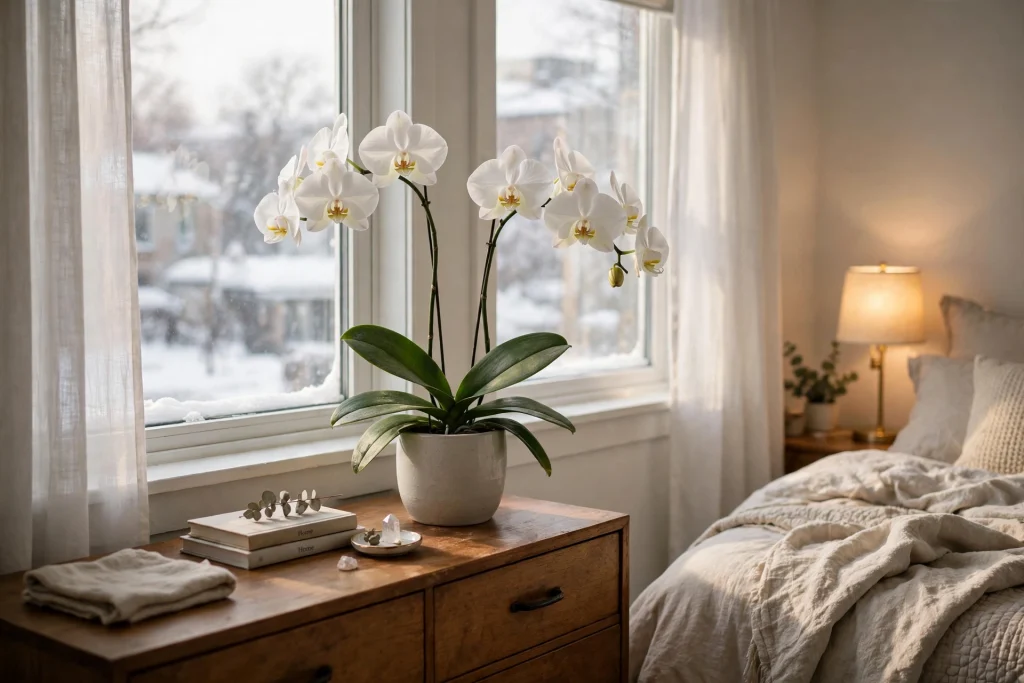
1. Moth Orchid (Phalaenopsis spp.)
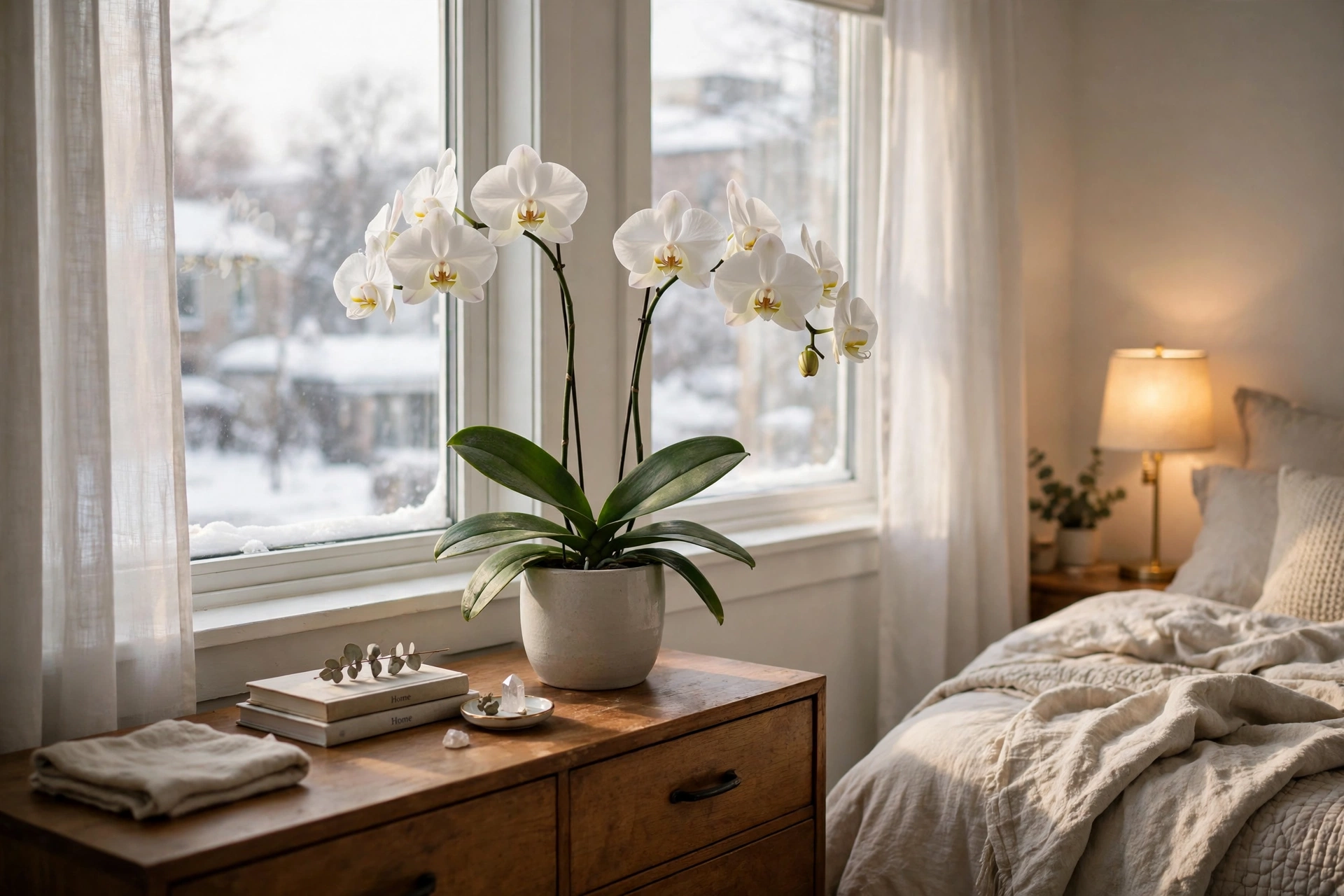
Honestly, soft morning light from your east window makes a moth orchid feel right at home. Bright indirect light helps it grow happily and flower well, with gentle sun that stays kind to leaves. You can set the pot near the window, a few cozy inches away from the cold glass. Daytime warmth around 70 to 80 degrees Fahrenheit keeps this lovely plant comfortable and content. Water the bark well, then let it dry slightly before you water again. Humidity around 40 to 60 percent also helps the leaves stay fresh, green, and healthy. ASPCA lists this orchid as non toxic to cats and dogs, lovely news for pet homes.
One tip: turn the pot a little each week so new leaves and flower stems grow happily toward the light.
2. African Violet (Streptocarpus ionanthus)
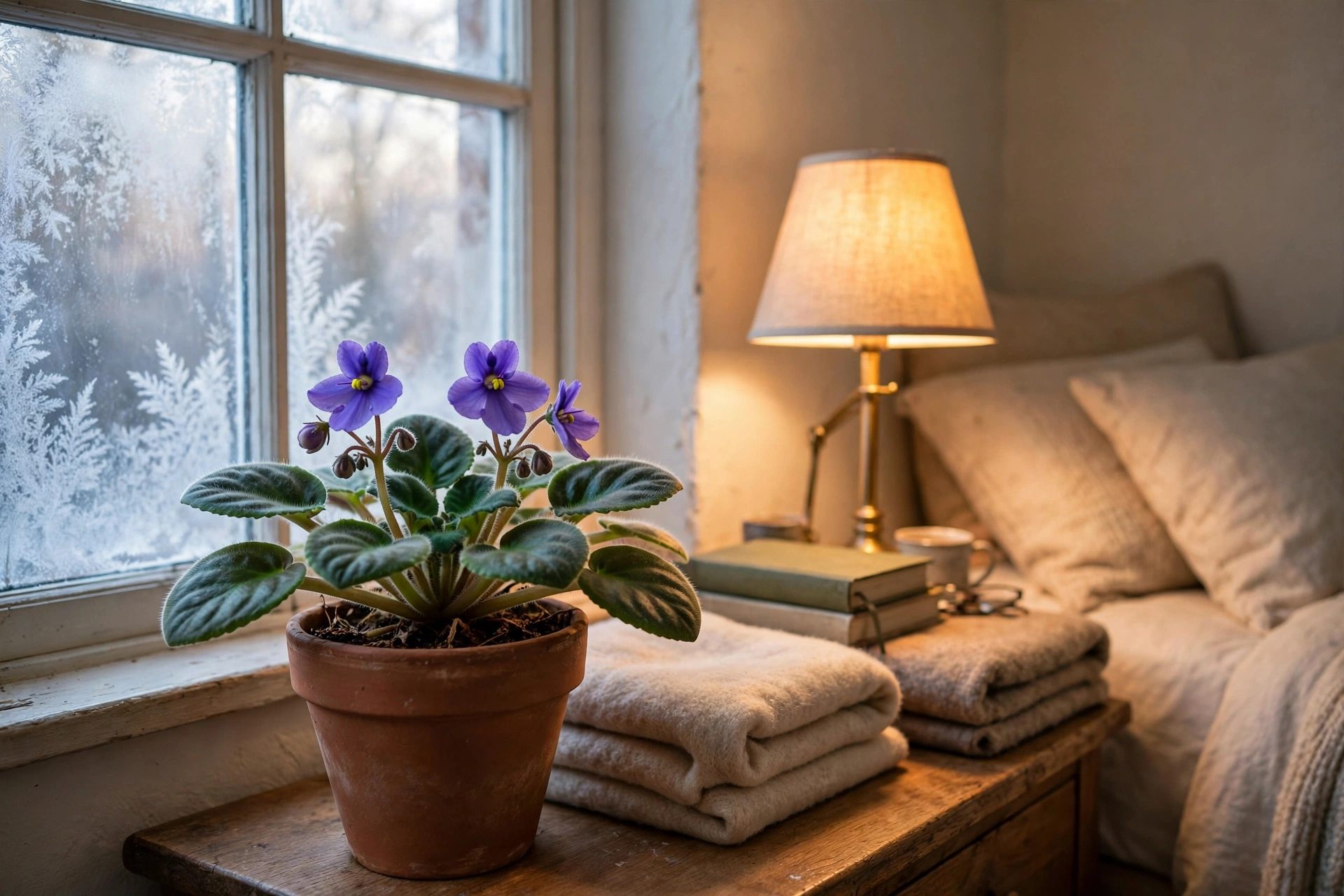
Small and sweet, an African violet brings cheerful color to a bedroom. Standard types often stay about 6 to 9 inches tall and wide. Bright indirect light at an east window, with no direct sun, helps it keep blooming beautifully. Warmth from 60 to 80 degrees Fahrenheit suits it best and keeps it cozy. Use room temperature water when the soil surface feels dry to your touch. Keep water off the fuzzy leaves, and keep the crown above the soil line. Blooms can appear again and again when light stays bright and cheerful. ASPCA lists African violet as non toxic to cats and dogs, a happy plus for pet homes.
One tip: water from below for a short soak, then pour out extra water so roots stay happy and never sit wet for long.
3. Thanksgiving Cactus (Schlumbergera truncata)
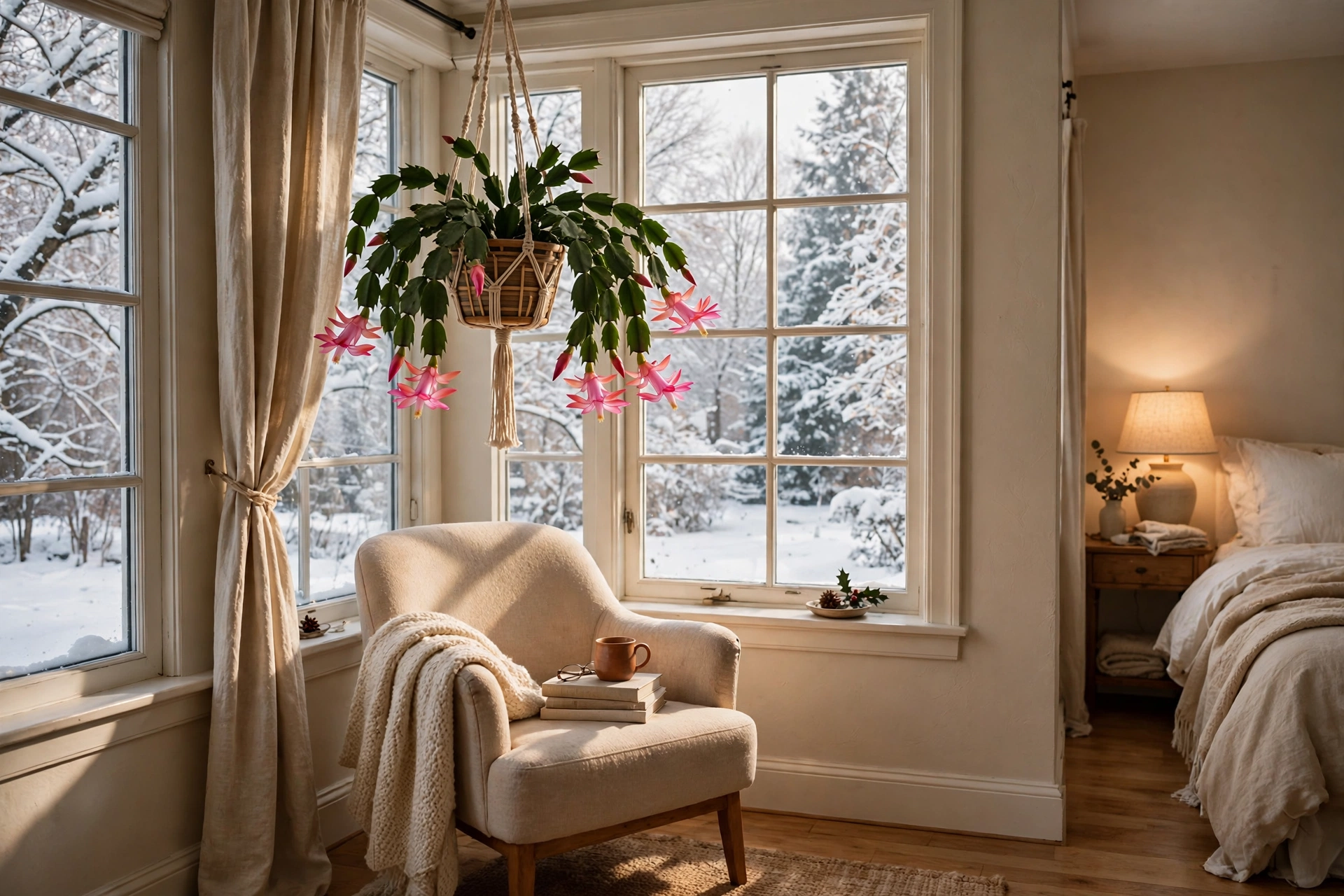
Winter blooms make this cheerful cactus feel right at home near your bed. Bright filtered light from an east window keeps its flat green segments looking fresh and happy. Gentle light suits it best, since hot direct sun can bleach or redden those segments over time. Keep the soil moist, but not overly wet or dry, while the lovely buds form. Cool fall nights from 55 to 65 degrees Fahrenheit help those buds form beautifully. Long fall nights with at least 13 hours of uninterrupted darkness also help. NC State lists Thanksgiving cactus as non-toxic to cats and dogs, lovely news for pet homes.
One tip: keep the pot happily still once buds appear, since moving it can make some buds drop before they open fully.
4. Wax Plant (Hoya carnosa)
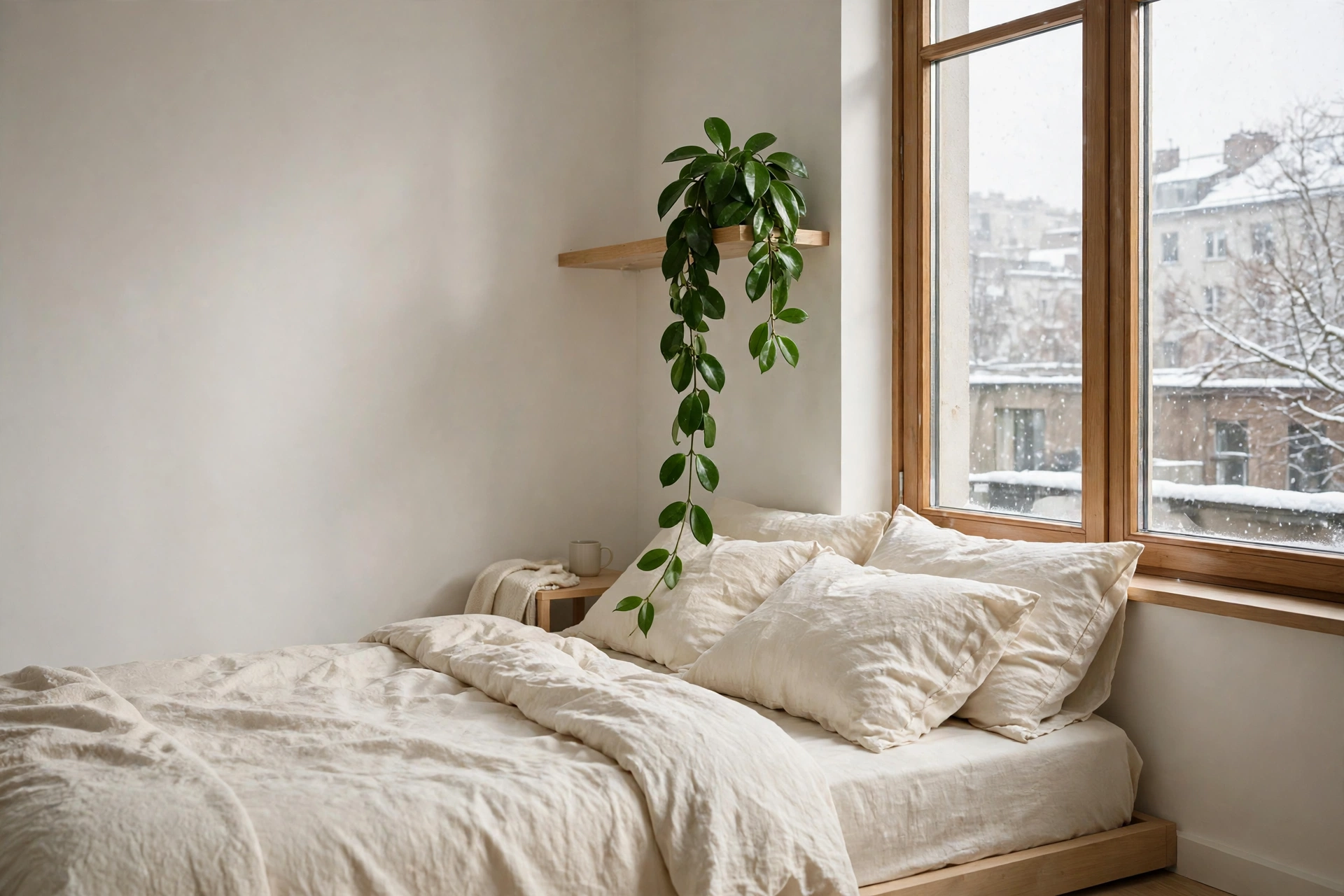
Thick waxy leaves give this trailing plant a calm, sturdy, and cheerful look. Bright indirect light helps it grow happily near an east window. A little gentle morning sun can help it flower beautifully in time. You should let the soil dry before you water it again. Keep winter nights above 50 degrees Fahrenheit, with warmer rooms near 65 to 80 degrees for steady growth. Leaves stay happiest off freezing glass and away from heat vents. Slow growth is normal for this vine during short winter days, and that pace is fine. ASPCA lists wax plant as non toxic to cats and dogs, a happy plus for pet homes.
One tip: leave old flower stems on the plant, because new blooms can grow happily from those same stems next season.
5. Baby Rubber Plant (Peperomia obtusifolia)
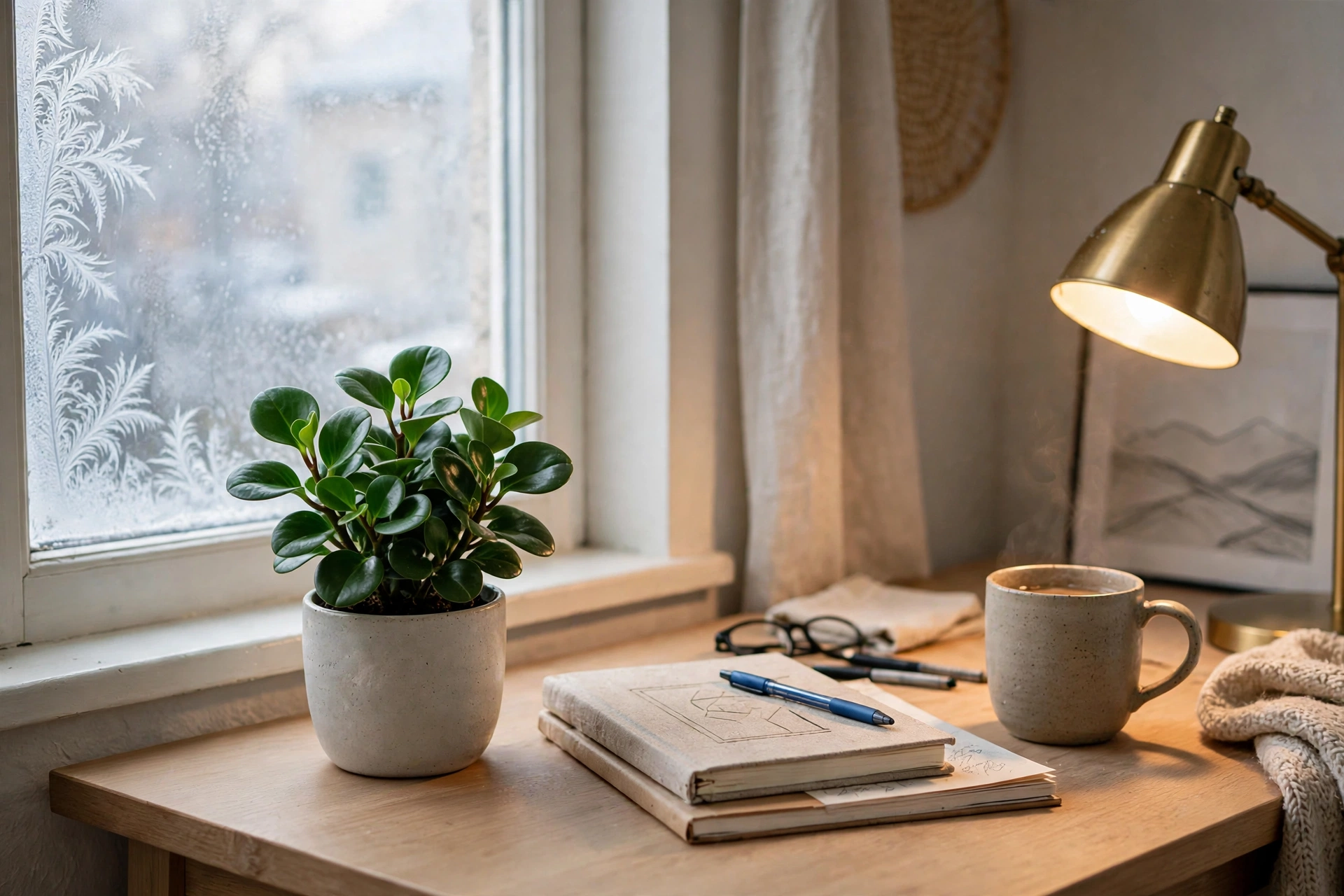
Glossy thick leaves make this small plant look neat, tidy, and cheerful on a desk. Bright indirect light from an east window keeps growth compact, fresh, and healthy. Gentle morning light is the sweet spot, since direct sun can scorch the leaves. Keep soil on the dry side, but never let it go very dry. Thick leaves store water, which helps during busy winter weeks. Cozy spots away from cold drafts and very dry air keep this plant happiest. ASPCA lists this peperomia as non toxic to cats and dogs, lovely news for pet homes.
One tip: lift the pot before watering, since a light pot often tells you the soil is ready for a drink.
6. Boston Fern (Nephrolepis exaltata ‘Bostoniensis’)
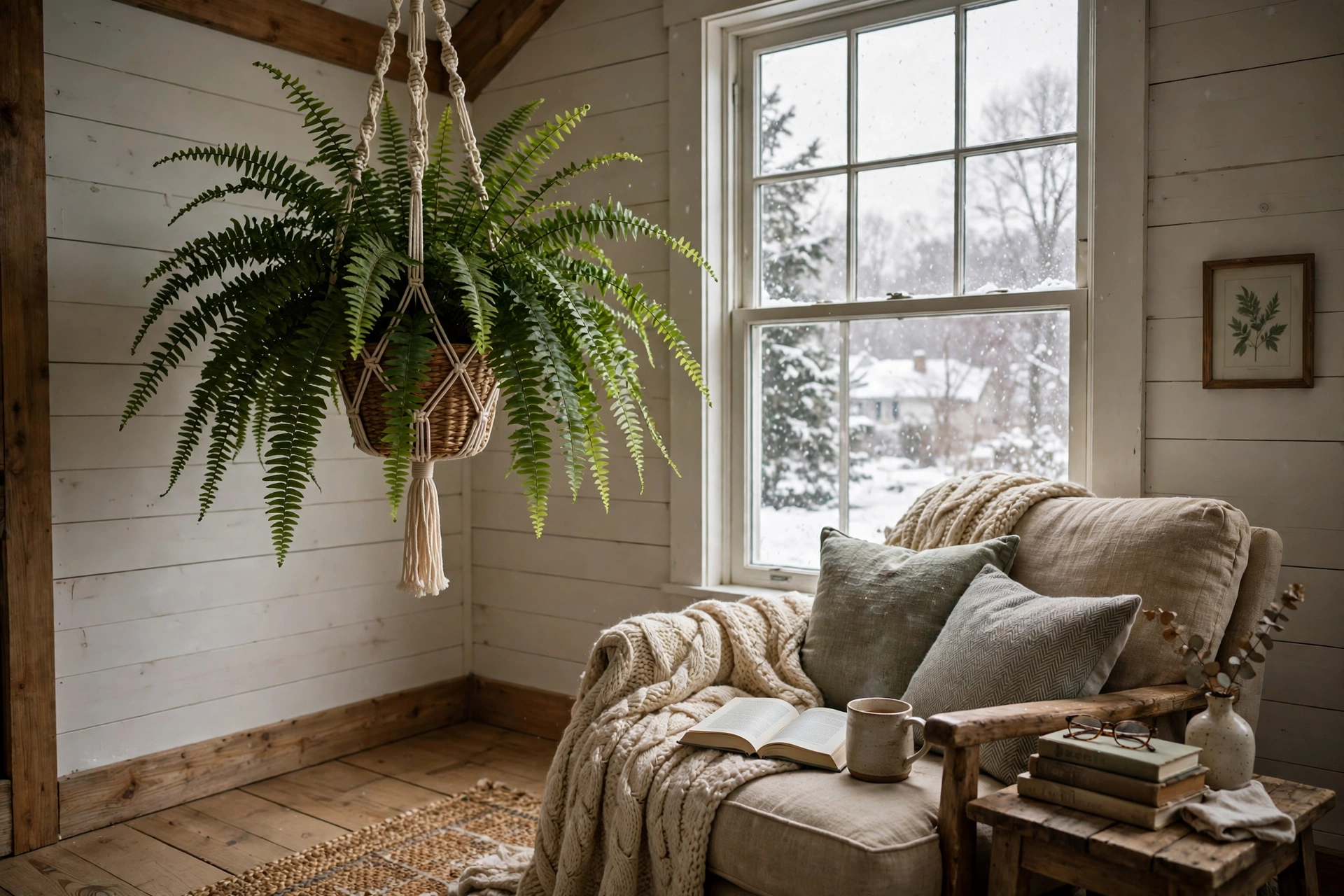
Arching fronds can make a bedroom corner feel soft, full, and cheerful. Plants often reach about 2 to 3 feet tall and wide indoors. Bright indirect light from an east window suits this fern beautifully. Keep soil evenly moist but never soggy or waterlogged. Humid air helps prevent brown tips during dry winter heating. Rooms around 60 to 70 degrees Fahrenheit suit it well and keep it cozy. Hanging baskets show off the arching shape without taking floor space. ASPCA lists Boston fern as non toxic to cats and dogs, a happy plus for pet homes.
One tip: set the pot on a tray of wet pebbles to keep humidity happily high around the fronds in dry winter rooms.
7. Florist Cyclamen (Cyclamen persicum)
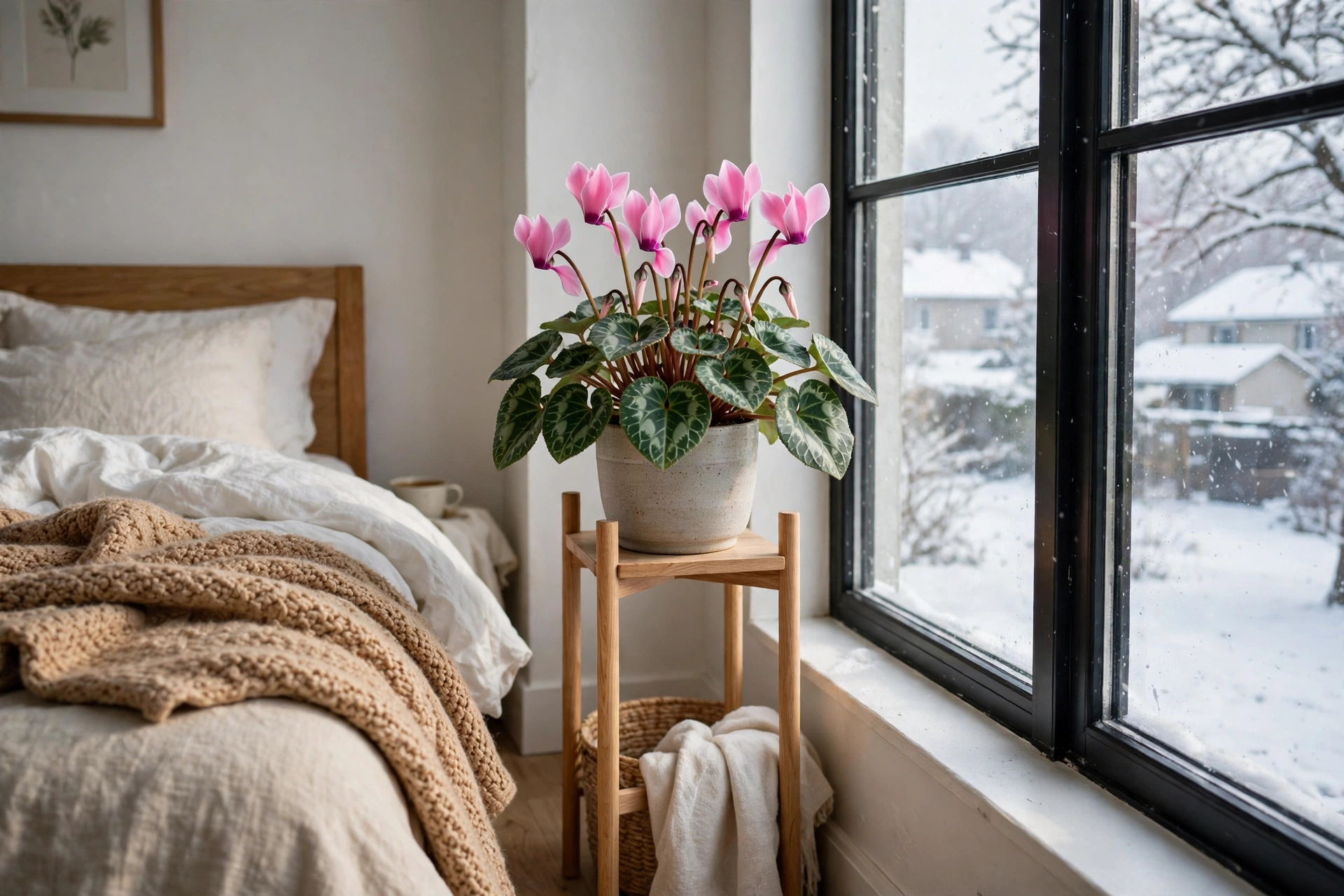
Swept back blooms bring cheerful color to a bedroom through the cold months. Bright indirect light near an east window helps flowers last longer and look lovely. Cool days around 60 to 65 degrees Fahrenheit suit this plant beautifully. Nights near 50 degrees Fahrenheit can also help blooms stay fresh. Water when the soil surface feels dry, using the pot rim. Keep water off the tuber in the center of the plant. Marbled heart shaped leaves sit below the flowers and add winter color. ASPCA lists cyclamen as toxic to cats and dogs, especially the tuber, so a high shelf keeps everyone safe.
One tip: give this plant a cool spot away from heat vents, since warm air can shorten bloom time fast.
8. Spider Plant (Chlorophytum comosum)
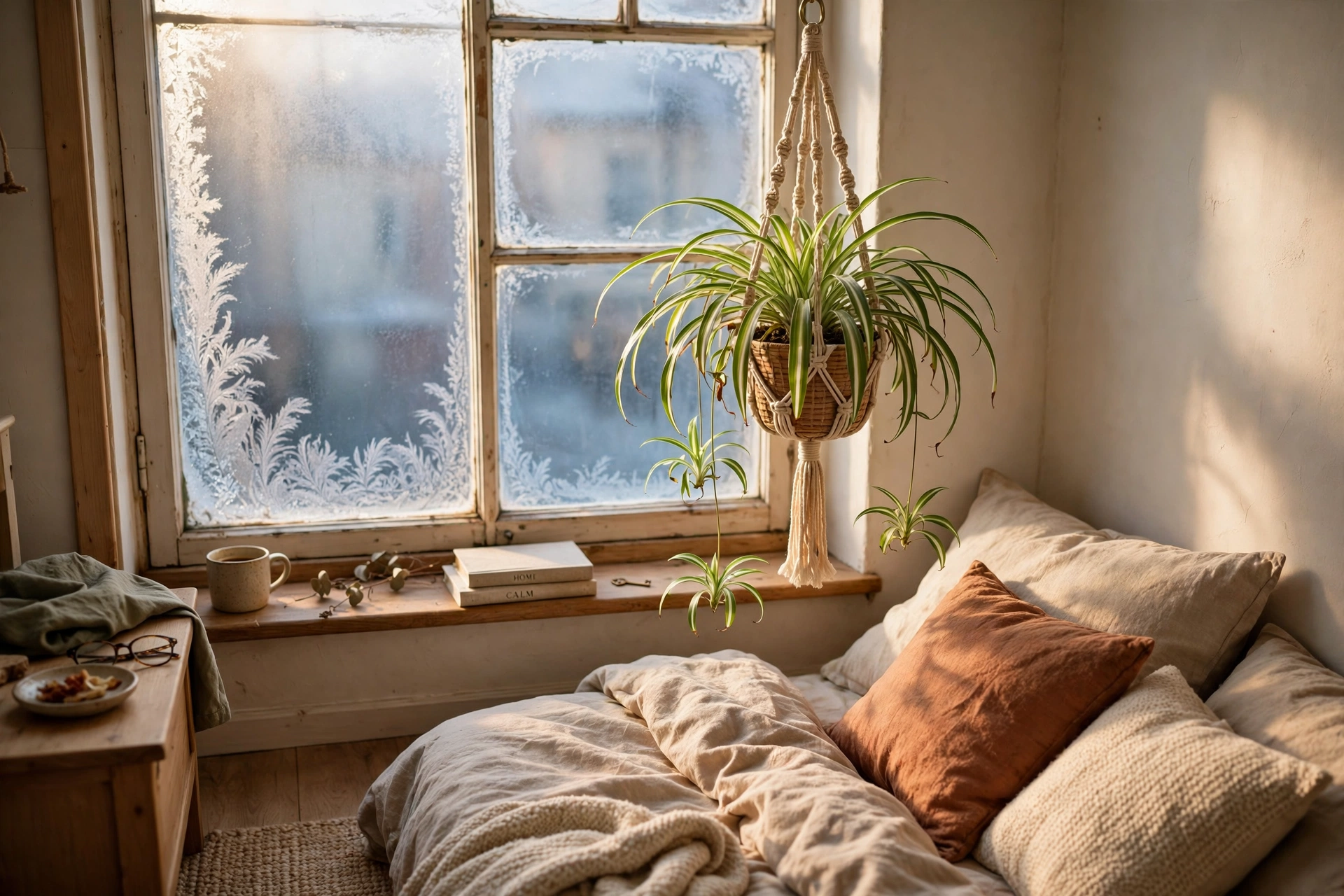
Striped arching leaves and baby plantlets give this plant lots of cheerful movement. Bright indirect light near an east window keeps the stripes looking clear and fresh. Soft light suits it best, since strong midday sun can scorch the leaves. Keep soil moist, and water less often in winter. Thick roots store water, so a missed watering is usually fine. Daytime warmth around 55 to 80 degrees Fahrenheit suits it well. Hanging pots let the plantlets dangle where you can happily see them. ASPCA lists spider plant as non toxic to cats and dogs, lovely news for pet homes.
One tip: snip a baby plantlet with small roots and pot it up for a happy second plant for your bedroom shelf.
9. Prayer Plant (Maranta leuconeura)
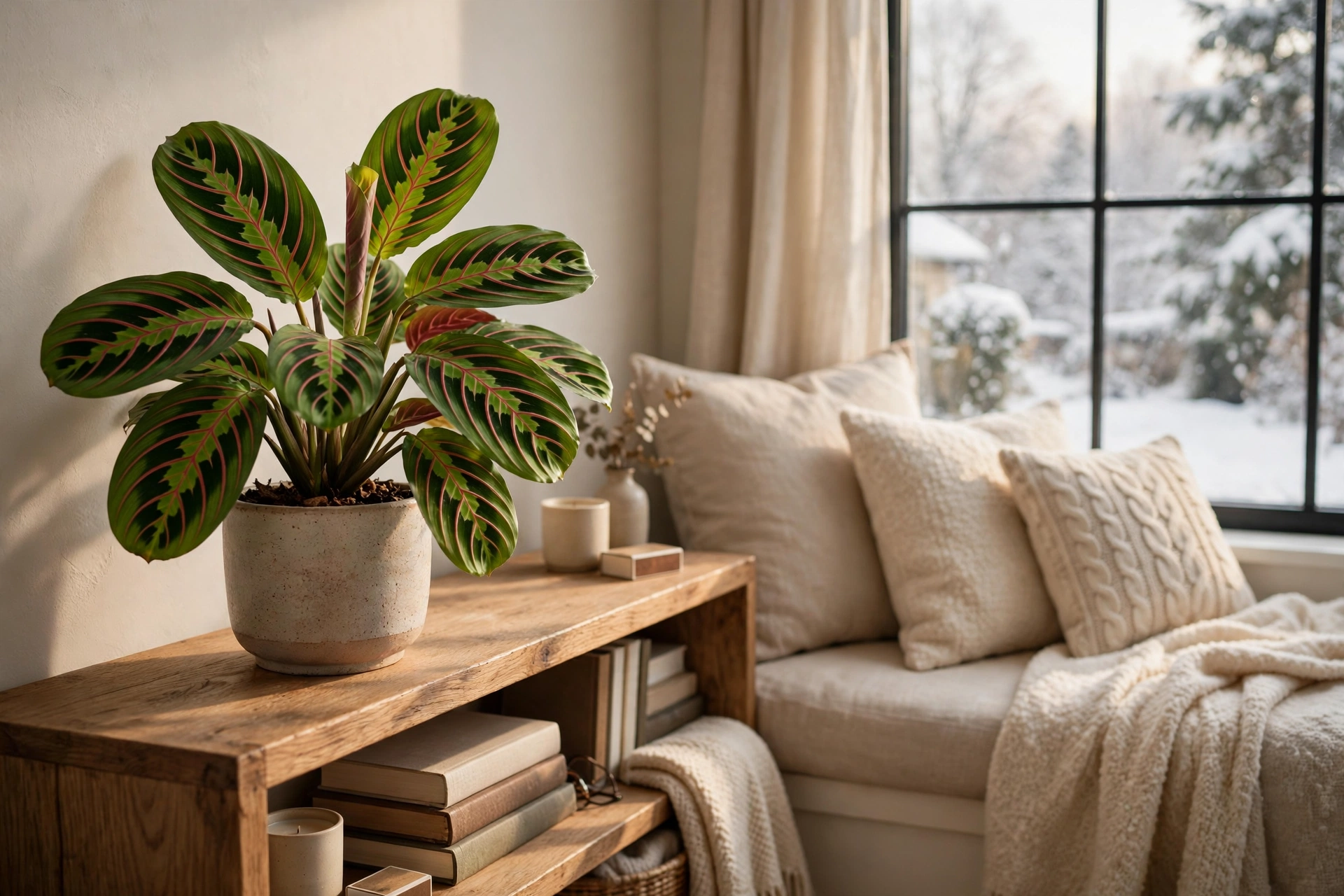
Patterned leaves fold upward at night, which makes this plant fun to watch. Bright indirect light helps keep the leaf colors clear, strong, and beautiful. Gentle light keeps those colors happy, since direct sun can bleach the colors on the thin leaves. Keep soil evenly moist during growth, but never soggy. Let the top inch dry a little more during winter. Humid air well above 50 percent helps prevent crisp leaf edges. Warm rooms near 65 to 70 degrees Fahrenheit help it stay healthy and happy. ASPCA lists prayer plant as non toxic to cats and dogs, a happy plus for pet homes.
One tip: place it a few feet from the east window so morning sun stays soft, gentle, and kind to leaves.
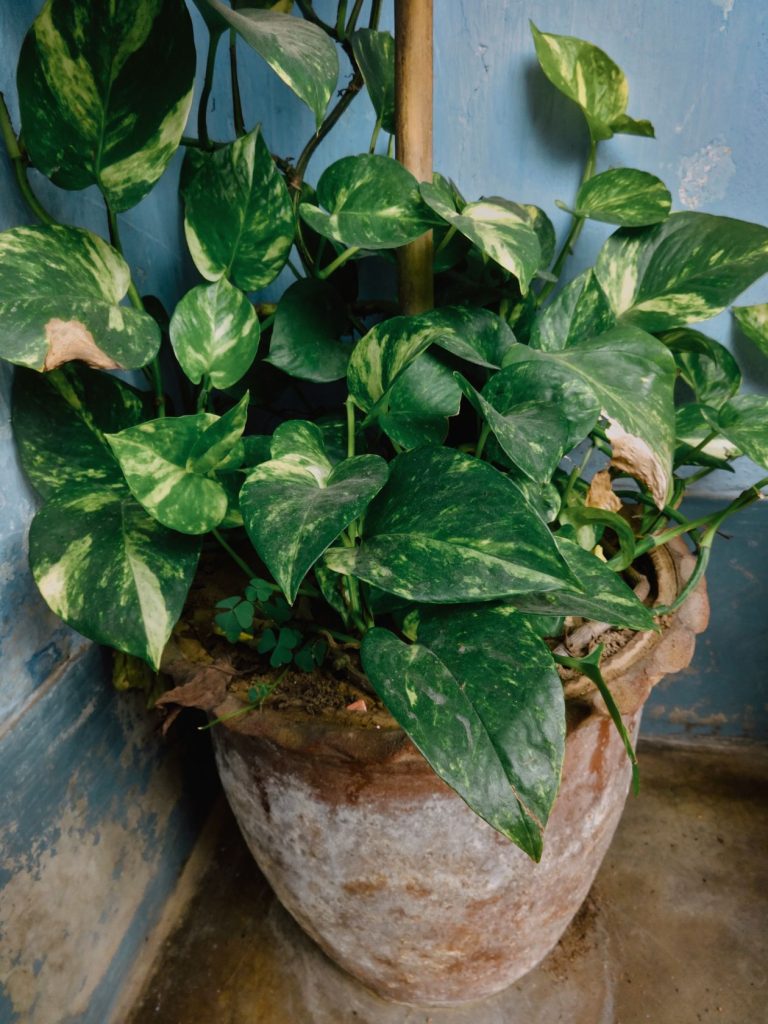
10. Golden Pothos (Epipremnum aureum)
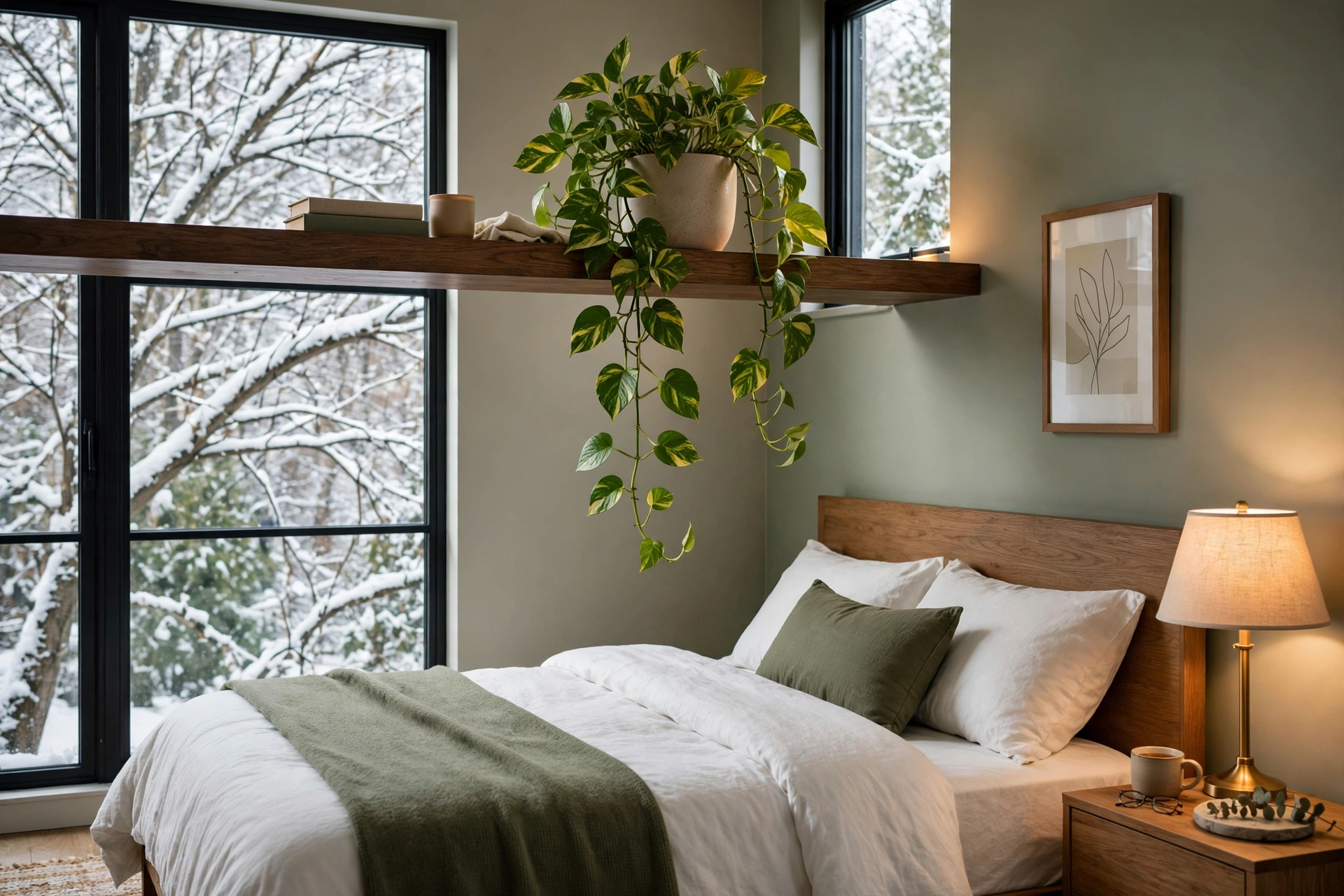
Trailing stems with yellow marked leaves can soften a tall bedroom shelf beautifully. Bright indirect light helps the yellow markings stay clear and bright. Cheerful light near the window keeps growth lively, since lower light can fade those markings and slow new growth. Let the soil dry between waterings, then water it well. Average room warmth suits this plant well and keeps it cozy. Keep vines off cold glass and away from heat vents. Shelf placement keeps trailing vines away from curious pets below. ASPCA lists golden pothos as toxic to cats and dogs, so that high shelf keeps everyone safe.
One tip: trim long bare stems back to a leaf joint to help the plant grow bushier and happier over the next weeks.