1. The Window Nook Sill Garden
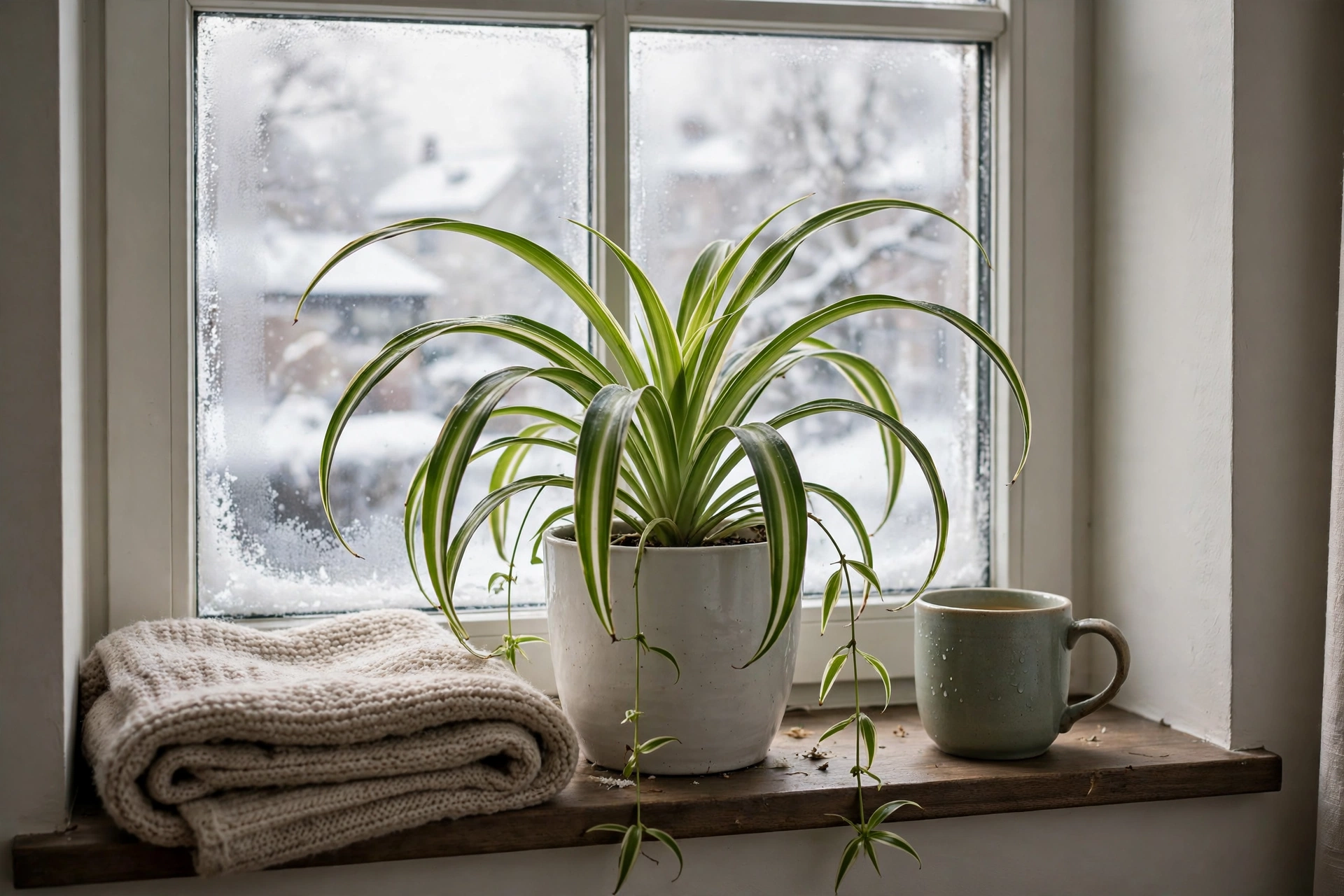
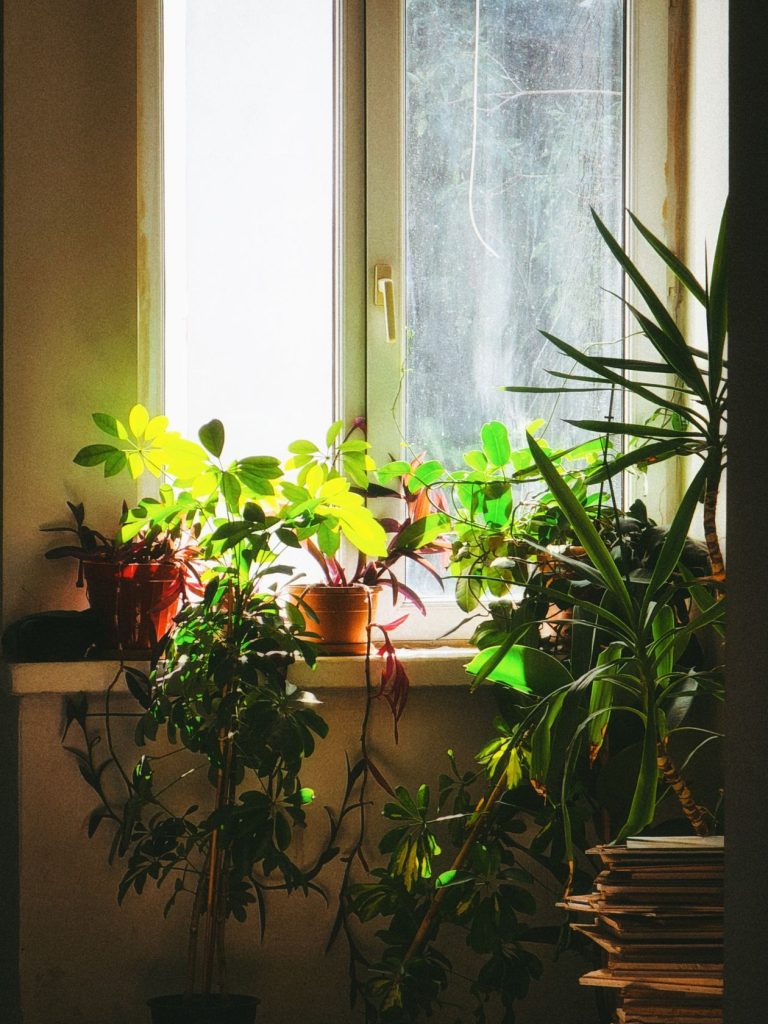
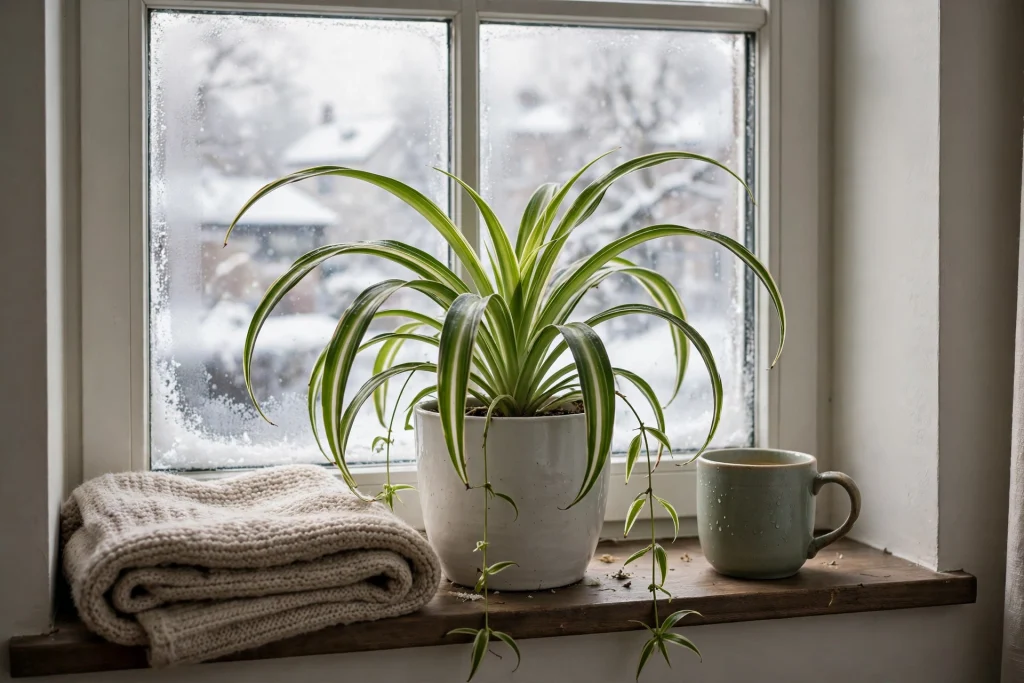
Okay, so here’s the thing. That deep window nook is the sunniest little greenhouse in your apartment, and a spider plant is the happiest, sweetest first tenant you could ever wish for. Its arching striped leaves reach 12 to 18 inches long, and the plantlets dangle from thin stems like the cutest mobile. Bright indirect light keeps the stripes crisp and cheerful, so set the pot back from cold glass. Give it a drink when the top inch feels dry, and ease off in winter. The ASPCA lists spider plants as non-toxic to cats and dogs, so a curious pet is no crisis at all, which is wonderful news.
One tip: slide the pot a few inches back from the glass on cold nights, so those lovely leaves stay warm and happy all winter long.
2. The Under-Stairs Plant Nook
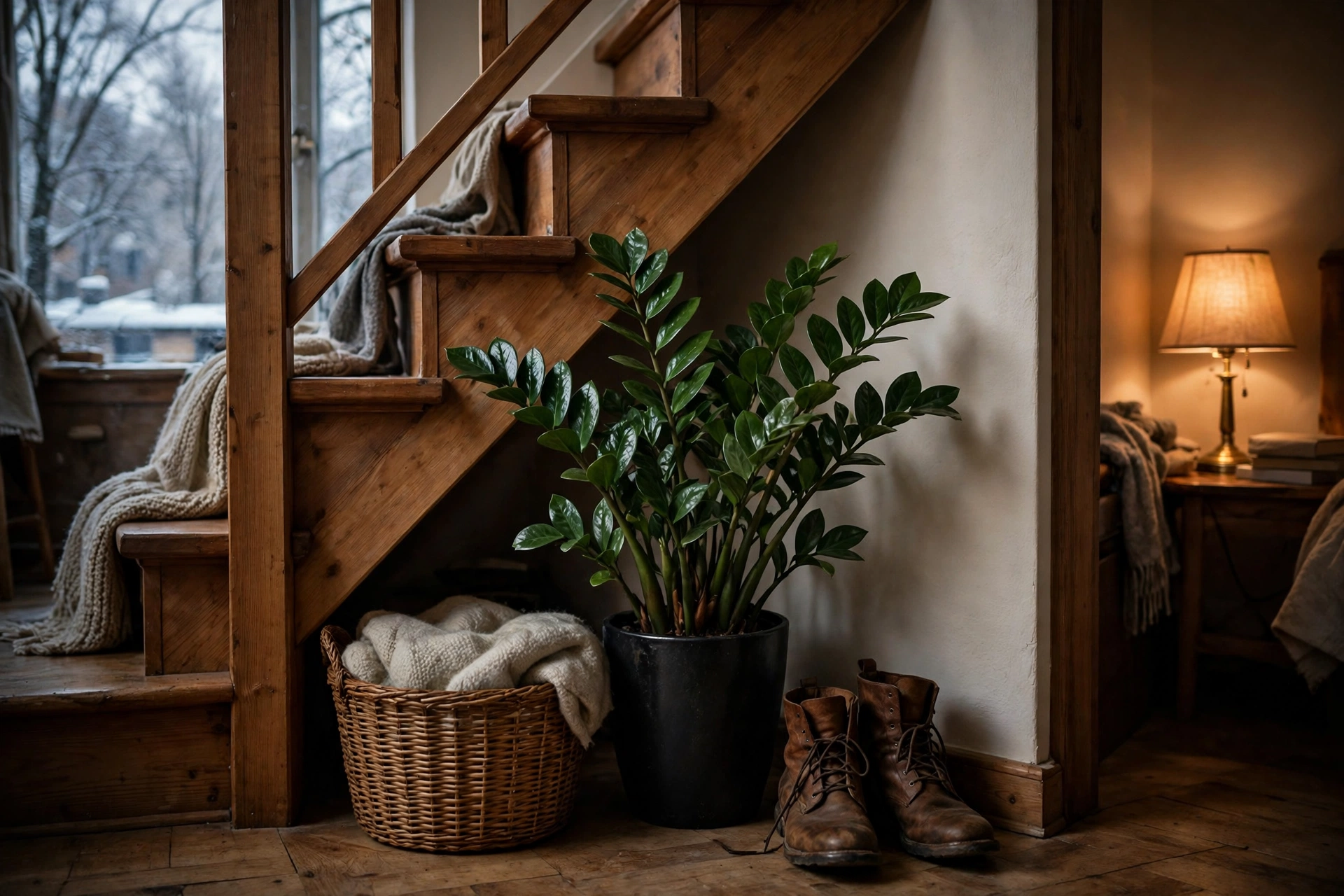
Seriously, the space under your stairs is a secret corner waiting for a gorgeous glow-up. A ZZ plant turns that quiet triangle into the lushest, most gorgeous green corner, and it does not mind weak light. Its glossy oval leaves grow on upright stems that reach 2 to 3 feet tall, and thick rhizomes store water underground. Dim light suits it fine, though a lamp helps in winter. Water only when the soil feels dry deep down, since those rhizomes hold water already. The ASPCA houseplant guide and NC State list ZZ plants as toxic to cats and dogs, so keep it behind the stair rail and everyone stays happy.
One tip: slide a small rolling tray under the pot, so watering day feels easy and fun instead of a crawl under the stairs.
3. The Hallway End Tall Stand
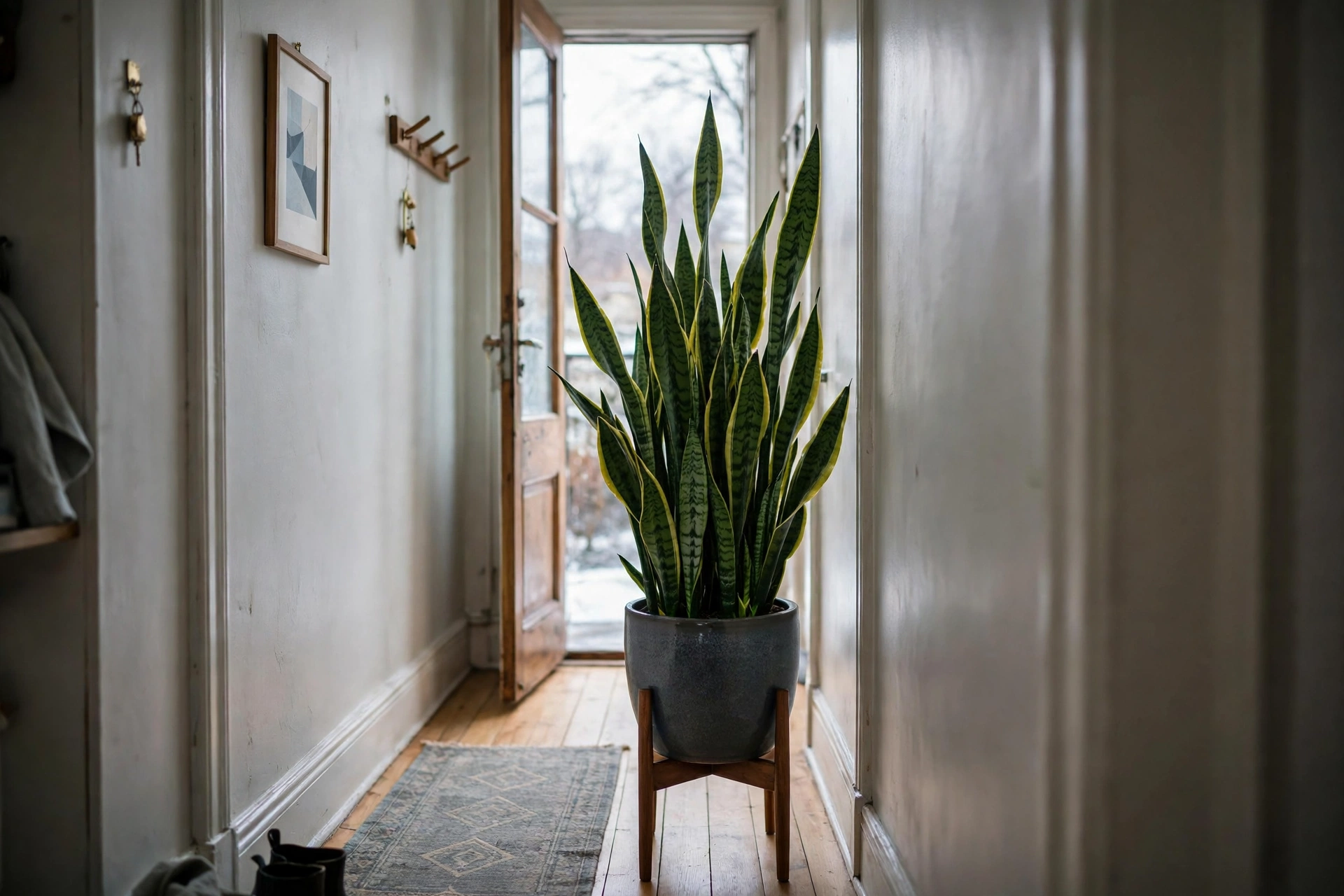
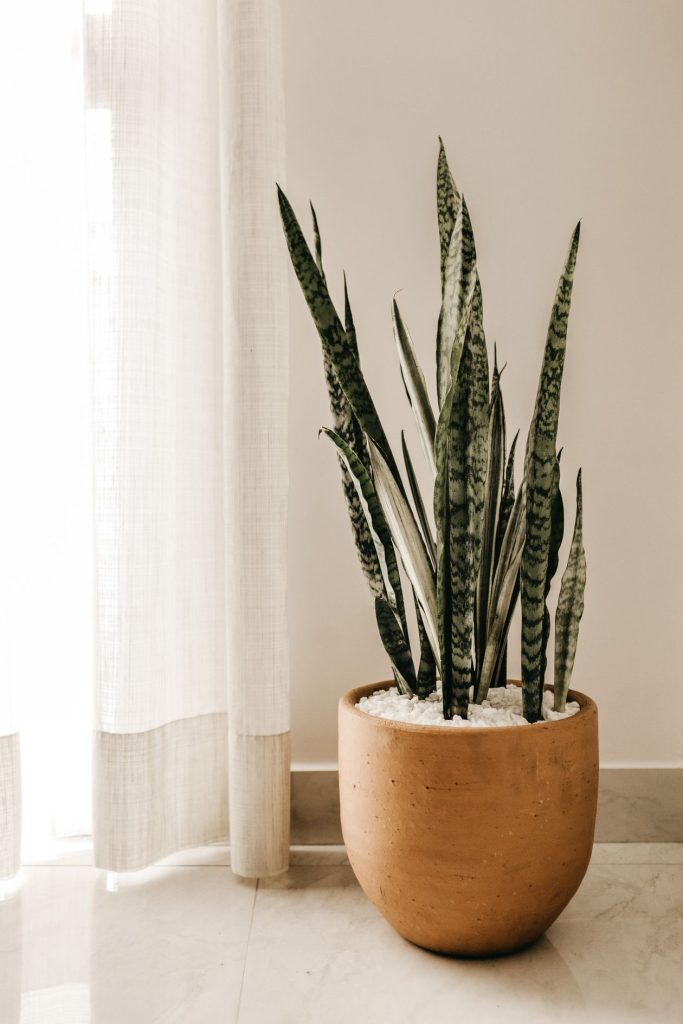
Your hallway ends in a blank wall, and honestly, it is begging for a tall, gorgeous plant to cheer it up. A snake plant fits that tight spot perfectly, with stiff sword-like leaves rising 2 to 4 feet straight up. That narrow footprint leaves room to pass, and the tall shape draws your eye up. Low light suits it fine, though brighter light keeps the yellow leaf edges bold and beautiful. Water sparingly in winter, only when the soil feels dry, since dry soil keeps the roots happy. The ASPCA lists snake plants as toxic to cats and dogs, so keep it out of chewing range and everyone stays happy.
One tip: choose a heavy ceramic pot for the stand, so it stays put and looks lovely and cheerful all winter long.
4. The Above-the-Cabinets Trailing Shelf
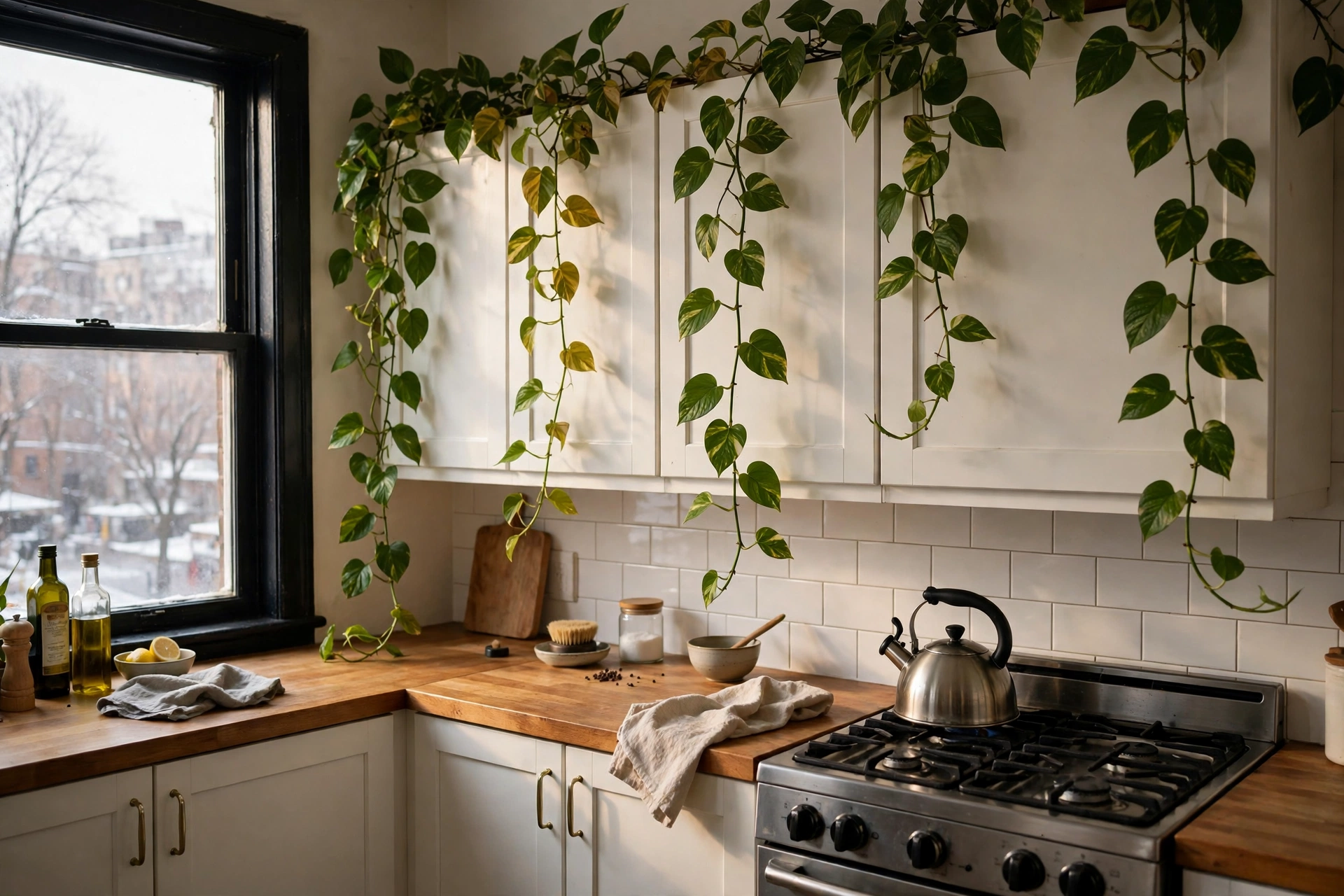
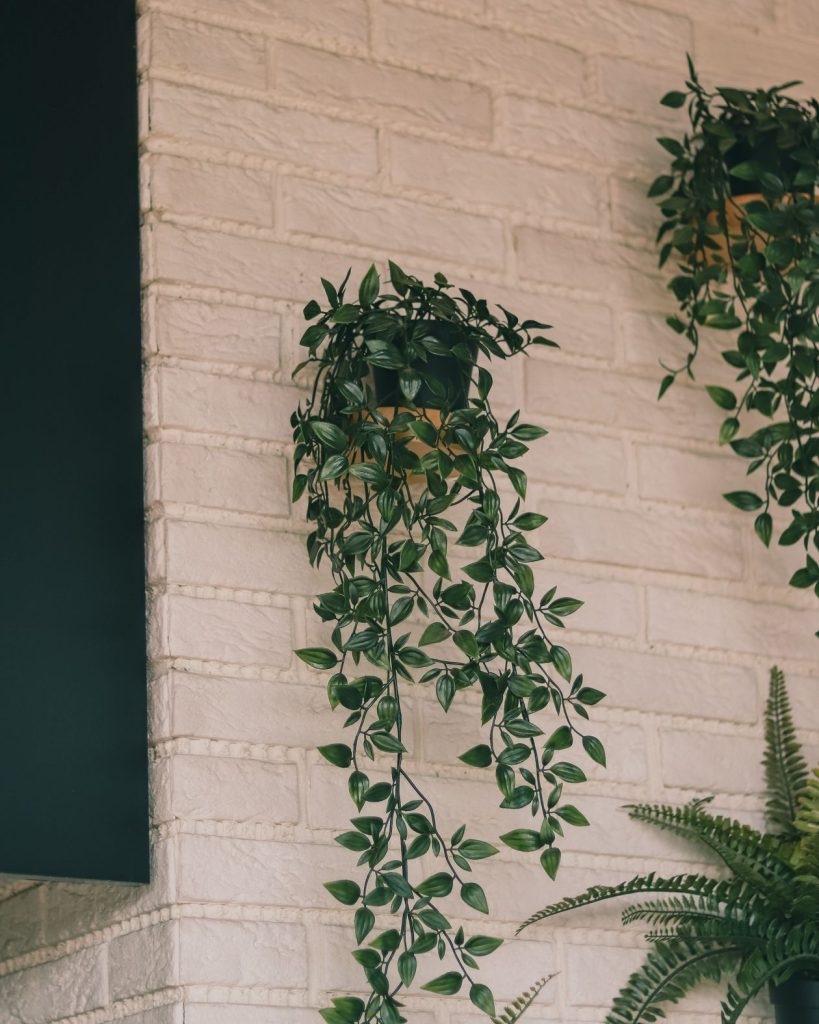
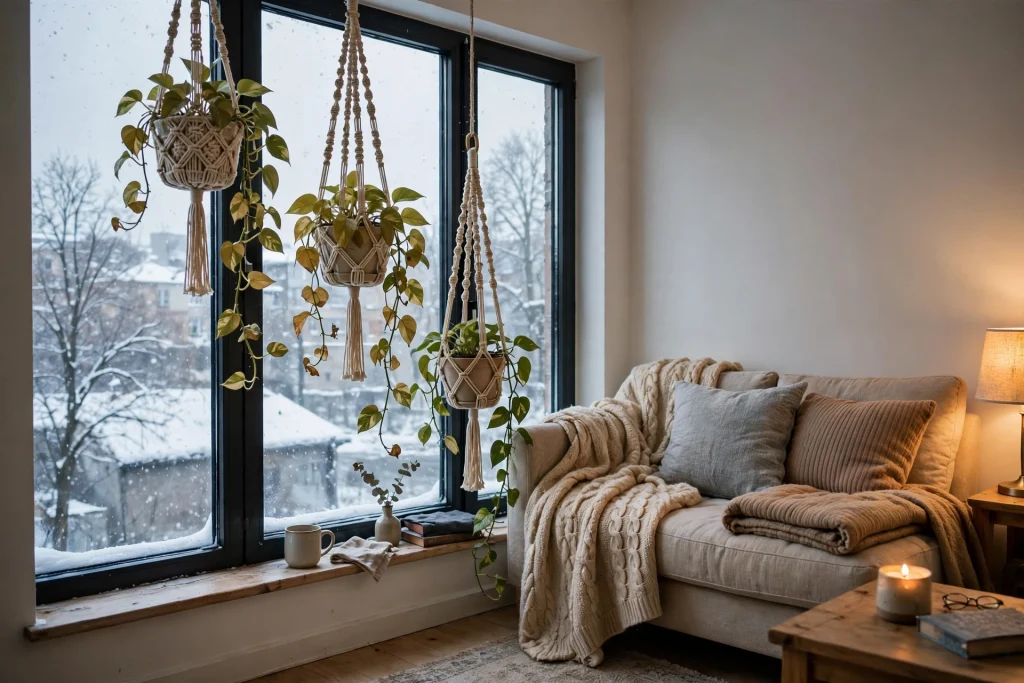
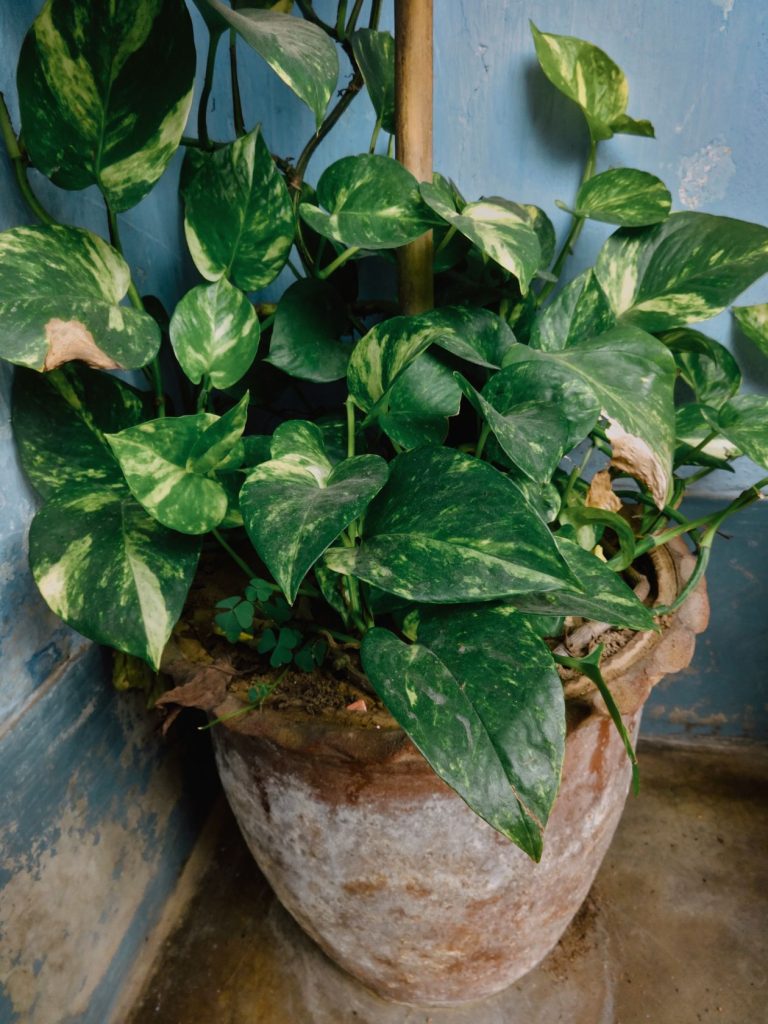
Look up. That forgotten gap above your kitchen cabinets is prime real estate, and golden pothos was absolutely born for the job. Its heart-shaped leaves spill over the cabinet edge in gorgeous vines that reach 6 to 10 feet indoors. Bright indirect light keeps the gold variegation bright and cheerful, though it tolerates lower light and grows slower. Let the top inch dry between drinks, and water less in winter. Those lovely vines float above counter clutter, and the pots stay happily out of the way of cooking. The ASPCA lists golden pothos as toxic to cats and dogs, so keep trailing vines above pet reach and everyone stays happy.
One tip: stick a small adhesive hook on the cabinet edge, so the vines trail in a neat, lovely curtain and your kitchen looks delightful.
5. The Recessed Alcove Shelf Trio
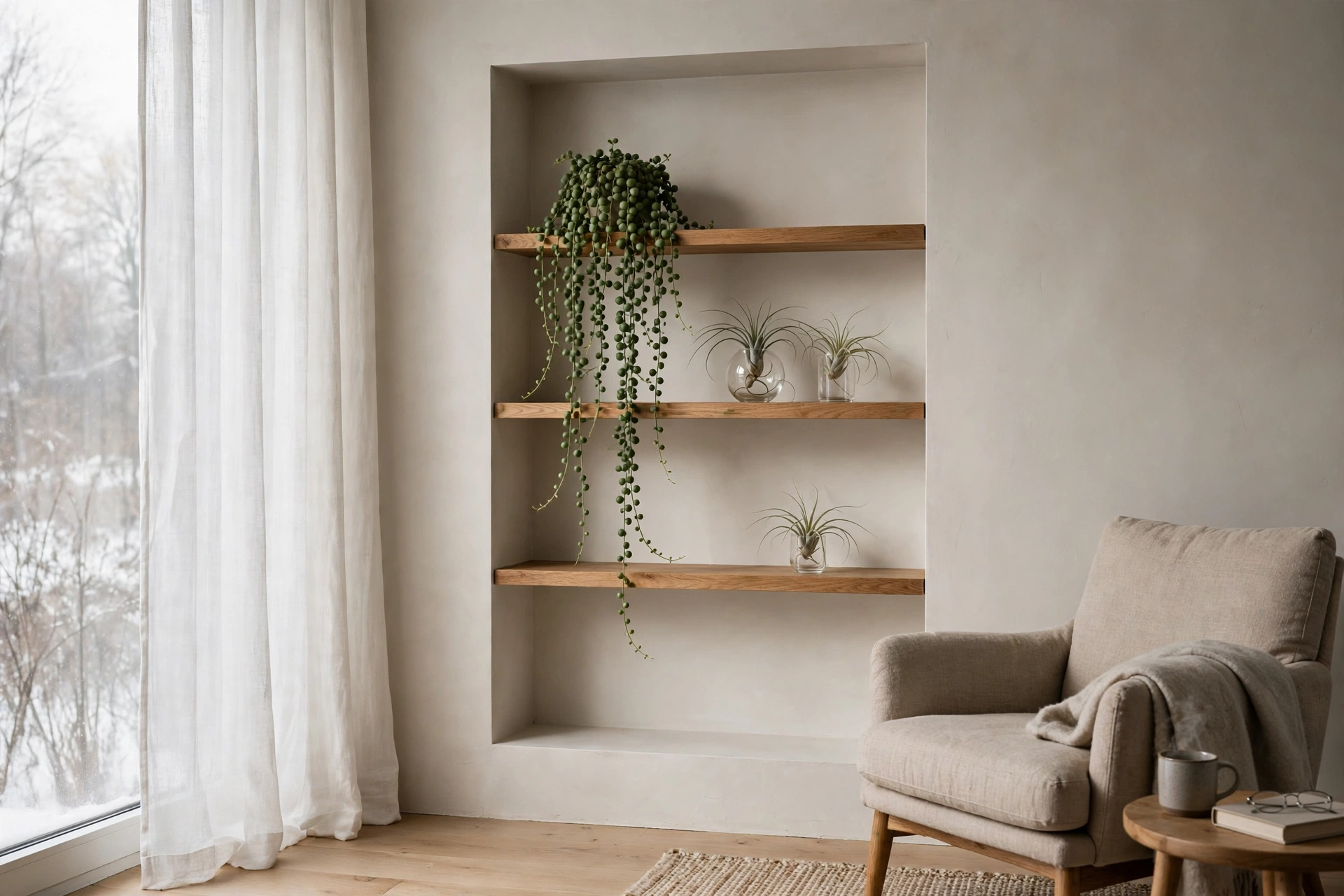
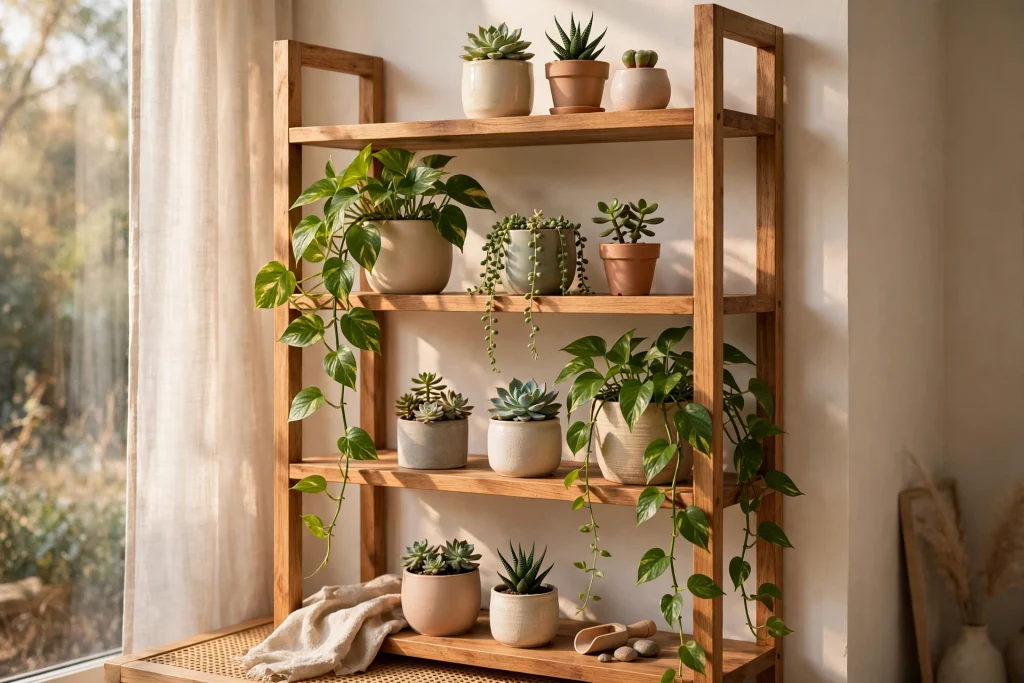
And don’t even get me started on that quirky little recessed alcove, because it is a ready-made display. Three floating shelves turn the niche into a layered, lovely corner, with a string of pearls spilling from the top. The pearl strands reach 2 to 3 feet long, and each bead-like leaf stores water for dry spells. Bright indirect light makes the pearls happiest, so this corner needs a nearby window or grow light. Water the pearls only when the soil feels dry, and mist the air plants weekly for happy leaves. NC State lists string of pearls as mildly toxic to pets, while air plants are not listed as toxic.
One tip: anchor the shelves into wall studs or use rated drywall anchors, since a shelf full of happy pots is heavier than it looks.
6. The Dead Corner Beside the Sofa
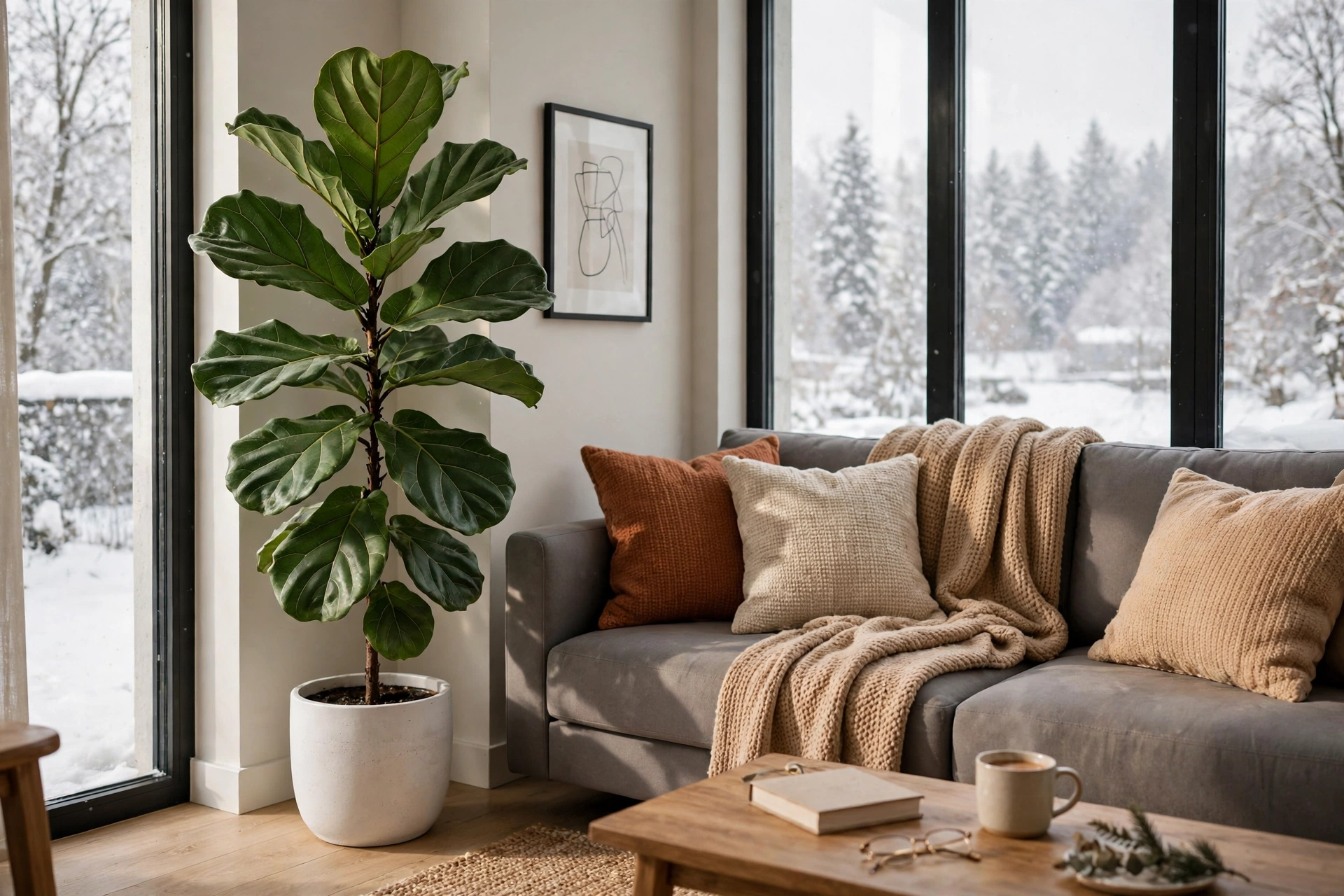
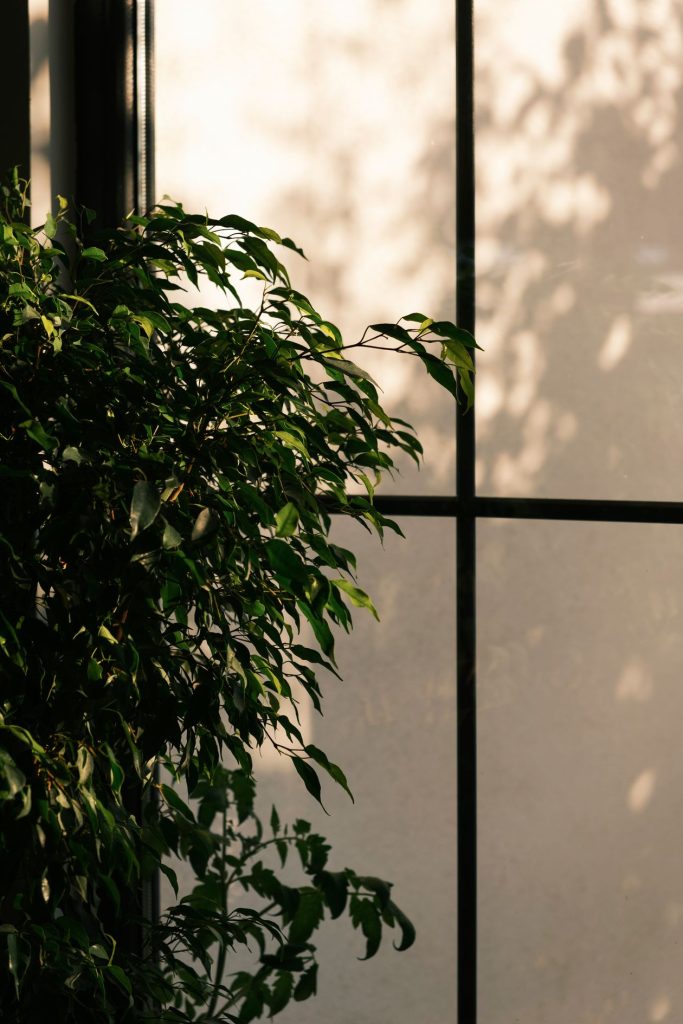
Every apartment has a quiet corner beside the sofa, and a fiddle-leaf fig turns it into the prettiest, happiest corner in the house. Its huge violin-shaped leaves reach 18 inches long, and the tree grows 2 to 10 feet tall indoors, so one plant fills the gap with style. Bright indirect light keeps it happiest, with shade from harsh afternoon sun. Water only when the top 2 inches feel dry, and a steady routine keeps the leaves glossy. Keep it above 55 degrees, away from heating vents, since it loves steady warmth. The ASPCA houseplant guide calls it mildly toxic to cats and dogs, so pets stay out of reach.
One tip: dust the big leaves with a damp cloth once a month, since clean leaves catch more winter light and look absolutely gorgeous.
7. The Bathroom Corner Shelf
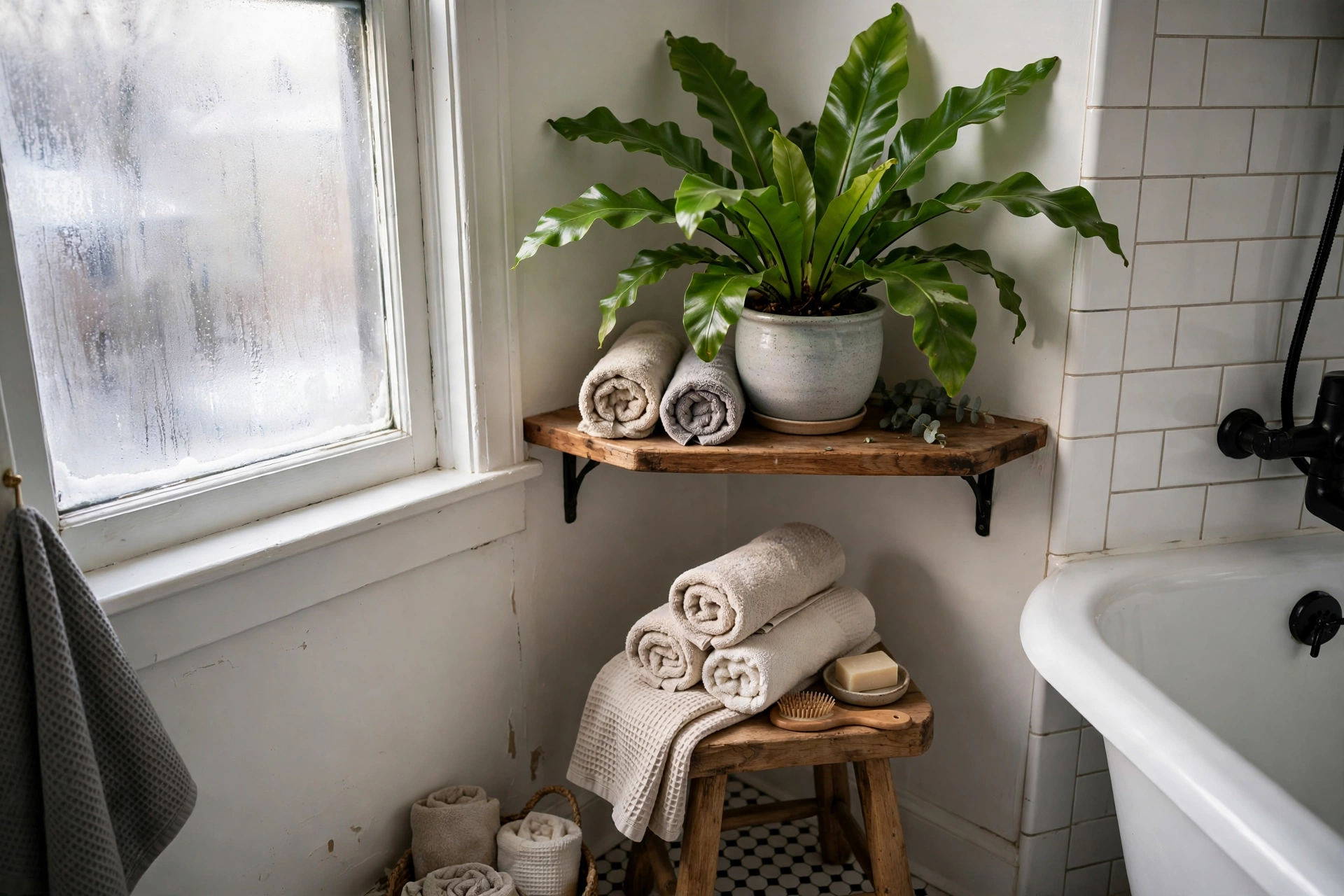
I mean, your bathroom corner is the steamiest spot in the apartment, so a fern moving in is a lovely idea. A bird’s nest fern loves that shower steam, with wide glossy fronds spreading 2 to 3 feet across in a gorgeous rosette. Bright filtered light makes it happiest, and shade keeps the soft fronds safe from harsh sun. Keep the soil evenly moist and airy, and water around the rim instead of into the center rosette. Humidity above 50 percent keeps the fronds glossy, and a bathroom delivers that happily for free. This fern has no ASPCA toxicity listing, so keep it out of chewing range just in case.
One tip: raise the pot on a small wooden riser, so splashes from the sink stay clear and the roots stay happy and healthy.
8. The Entryway Console Corner
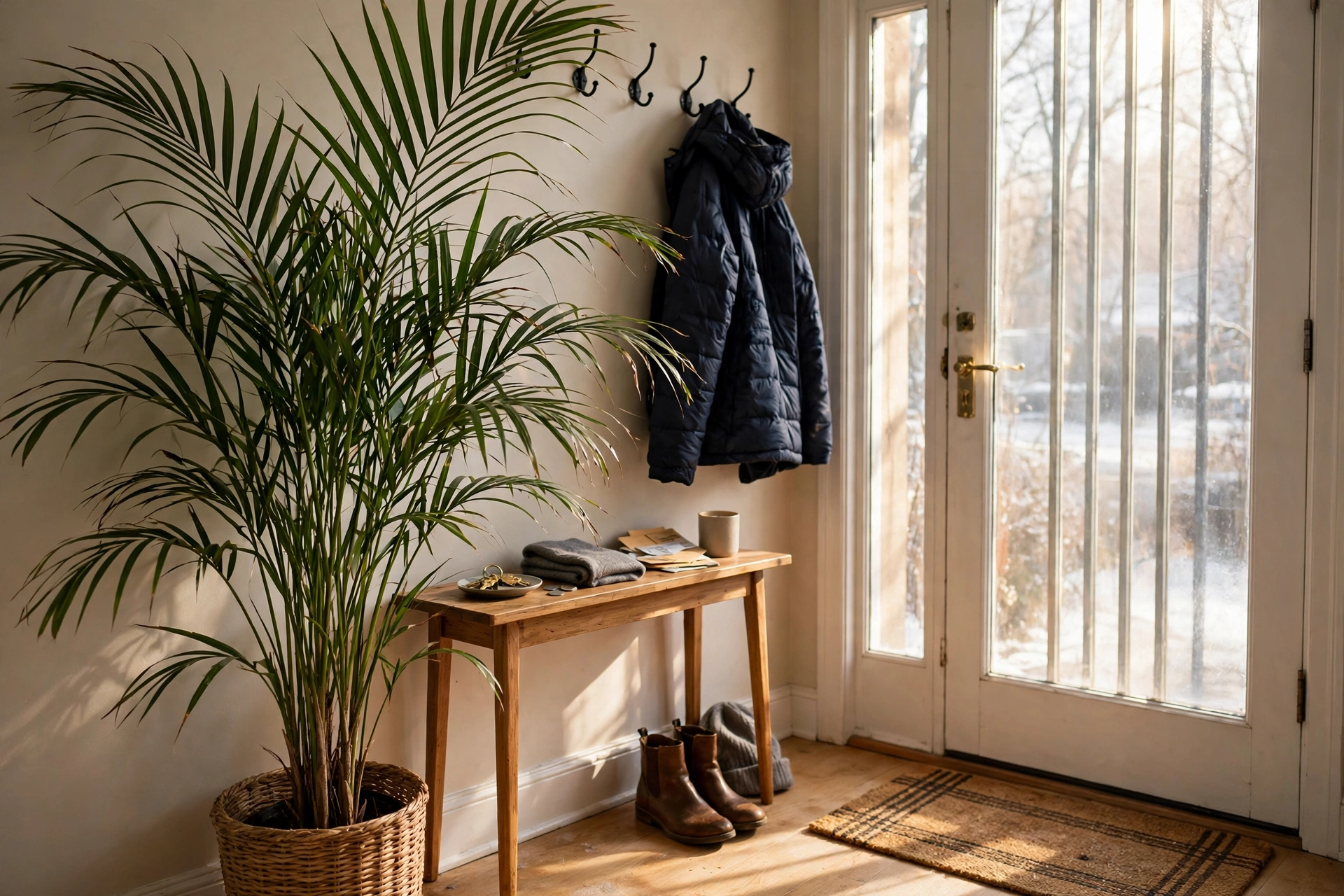
First impressions matter, and your entryway corner deserves the warmest welcome. A kentia palm delivers that welcome fast, with long arching fronds rising from a slender trunk to 6 to 8 feet tall over many years. Its graceful shape fits a narrow console table or a floor basket beside the door, and it happily forgives the soft light most entryways offer. Bright indirect light is its absolute favorite, yet it tolerates low light and keeps its shape. Let the top inch dry out between waterings, and water less in winter when growth slows down. The ASPCA lists kentia palms as non-toxic to cats and dogs, which is wonderful news.
One tip: keep the palm a few feet from the front door, so winter drafts never reach those lovely fronds when guests arrive.
9. The Desk Corner Work Nook
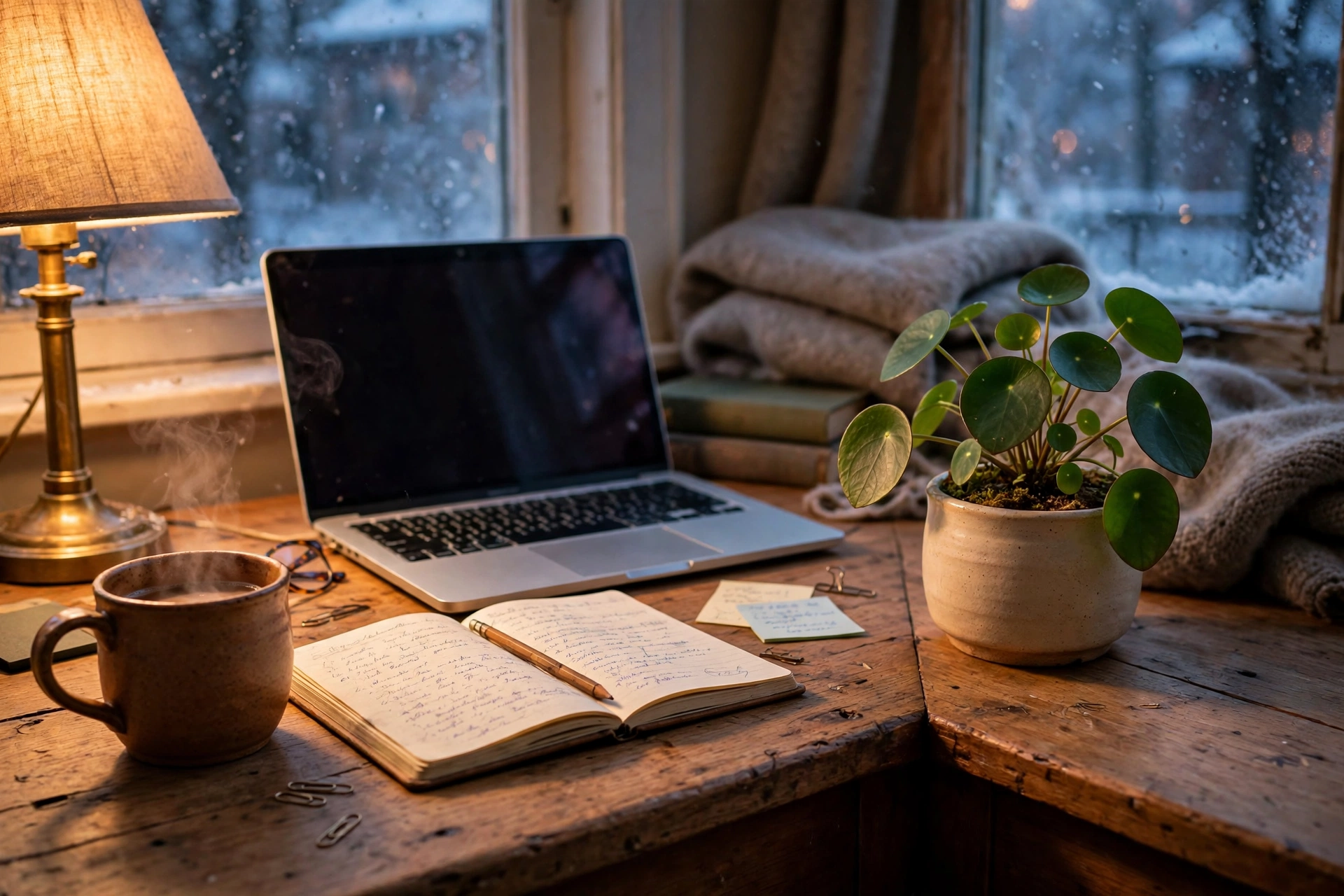
Okay, so your desk corner deserves a little cheer, and a pilea is the tiniest, sweetest coworker you will love. Its round coin-shaped leaves sit on thin stems like the cutest little lily pads, and it stays 8 to 12 inches tall. Bright indirect light keeps the leaves flat, full, and gorgeous, so park it near your monitor, out of direct sun. Water it when the top inch feels dry, and ease off in winter. The plant grows pups around its base, which you can share with delighted friends or pot up. NC State calls pilea safe for pets and children, so a desk plant is no worry at all.
One tip: rotate the pot a quarter turn every week, since pilea leaves lean toward the light and a little spin keeps the plant round and lovely.
10. The Top-of-the-Wardrobe Trail
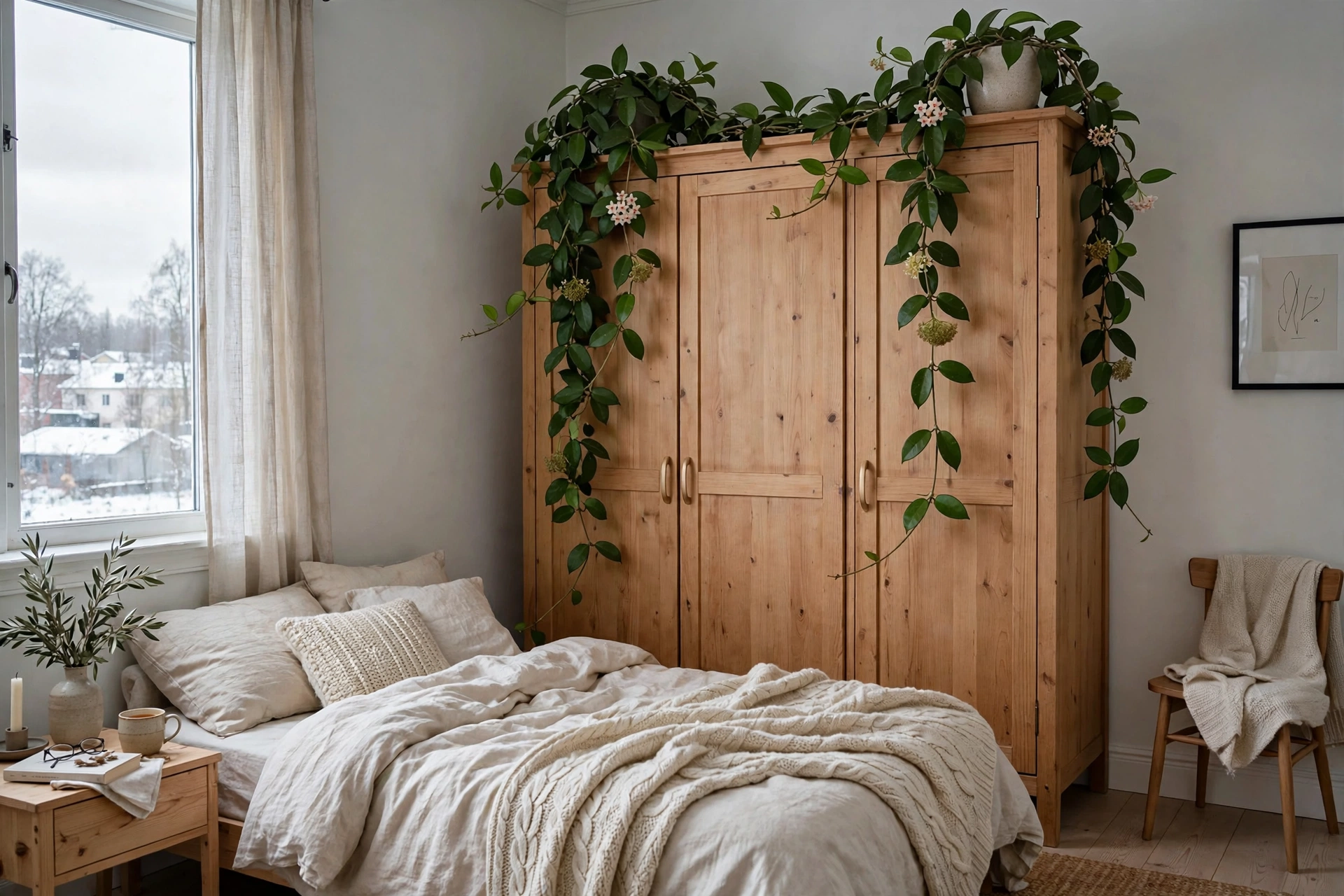
Up on top of your wardrobe is a hidden gem of a spot, which is exactly why a trailing hoya belongs up there. Hoya carnosa sends thick waxy vines over the edge, and the leaves stay glossy and gorgeous through winter when growth slows. It wants bright indirect light, so this corner works best when the wardrobe sits near a window. Let the soil dry well between drinks, since the thick leaves store water. Those vines reach several feet long over time, and the plant stays handsome and happy with very little fuss. The ASPCA lists hoya carnosa as non-toxic to cats and dogs, so trailing stems are pet friendly.
One tip: wipe the top of the wardrobe before you set the pot down, so the vines start fresh and lovely in clean soil.
11. The Sliding-Door Sun Pocket
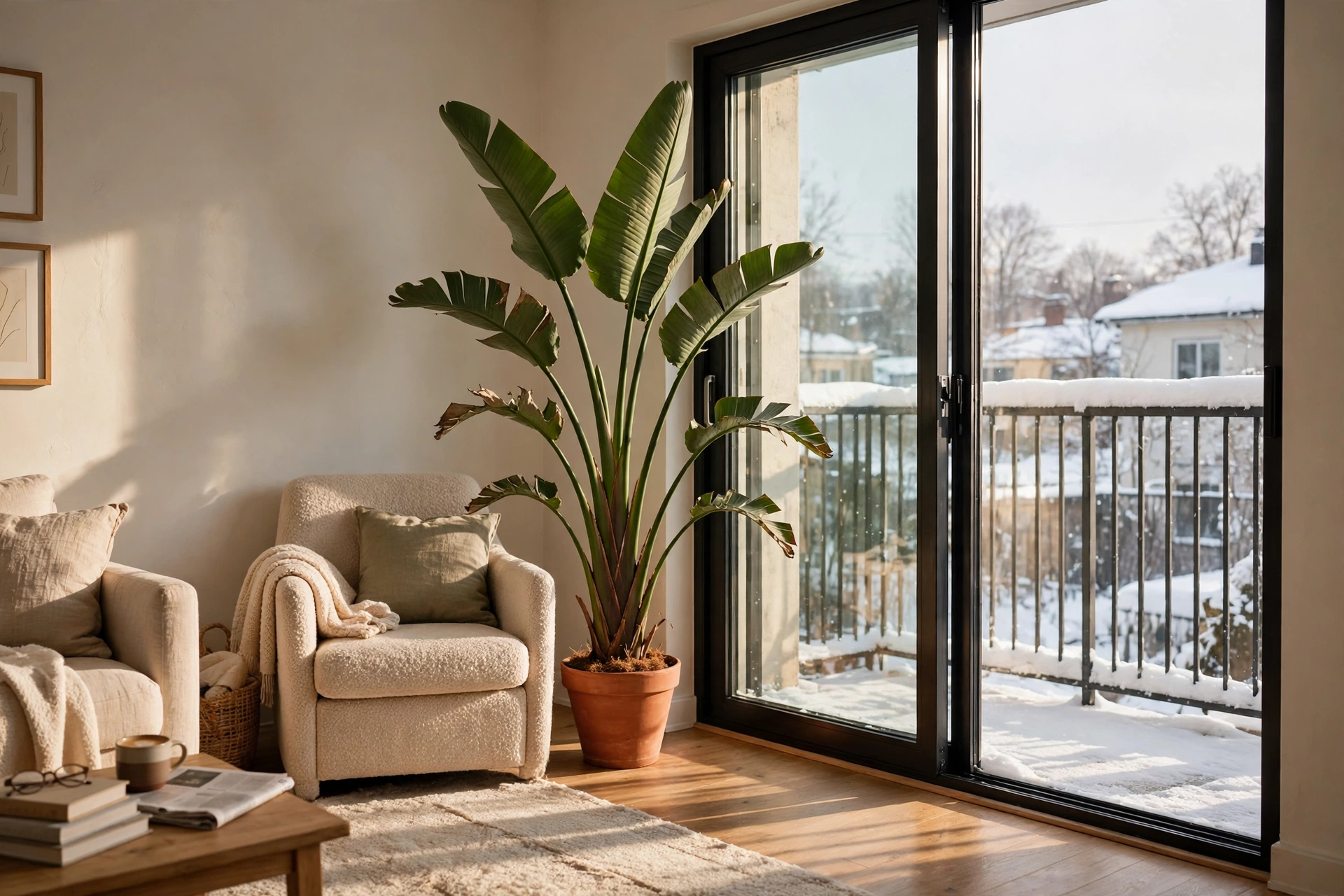
That bright strip of floor beside your sliding glass door is the sunniest spot in the apartment, so spend it well. A bird of paradise loves that light, with banana-like leaves fanning out from the base into a tall tropical shape. Bright light is its happy place, so park it a foot back from the glass, where winter sun reaches it without chilly drafts. Water less in winter, when growth slows and soil stays damp longer. Warm rooms make it happiest, and steady warmth keeps every leaf glossy and gorgeous through winter. The ASPCA lists bird of paradise as toxic to cats and dogs, so keep it out of reach.
One tip: check the floor for cold drafts with your bare hand, so the lowest leaves stay green, glossy, and happy all winter.
12. The Tiered Corner Ladder Shelf
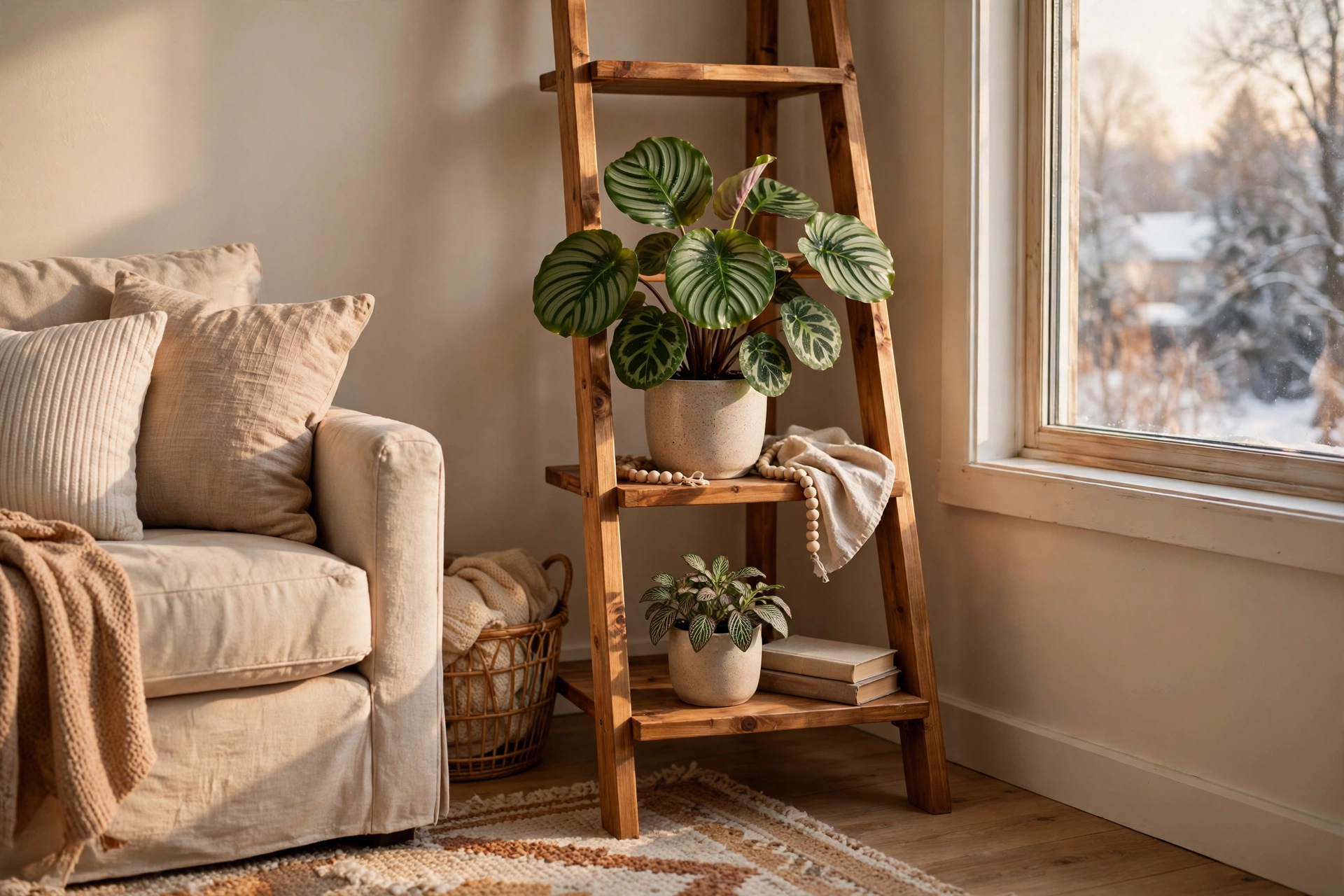
A corner ladder shelf is the cheat code for small apartments, because it stacks a whole shelf of plants into one square foot. Put a calathea on the middle shelf, where its round patterned leaves catch every eye and steal the show, and a tiny nerve plant below it. Bright filtered light keeps the calathea patterns crisp and gorgeous, though it tolerates lower light and grows slower there. Both plants like soil that stays evenly moist, and grouping them close shares humidity and keeps the leaf edges smooth, soft, and happy. The ASPCA lists calathea and nerve plants as non-toxic to cats and dogs, which pet owners will love.
One tip: put the thirstiest plant on the bottom shelf, so drips from watering fall onto the floor tray and every plant stays happy.
13. The Kitchen Counter End Herb Corner
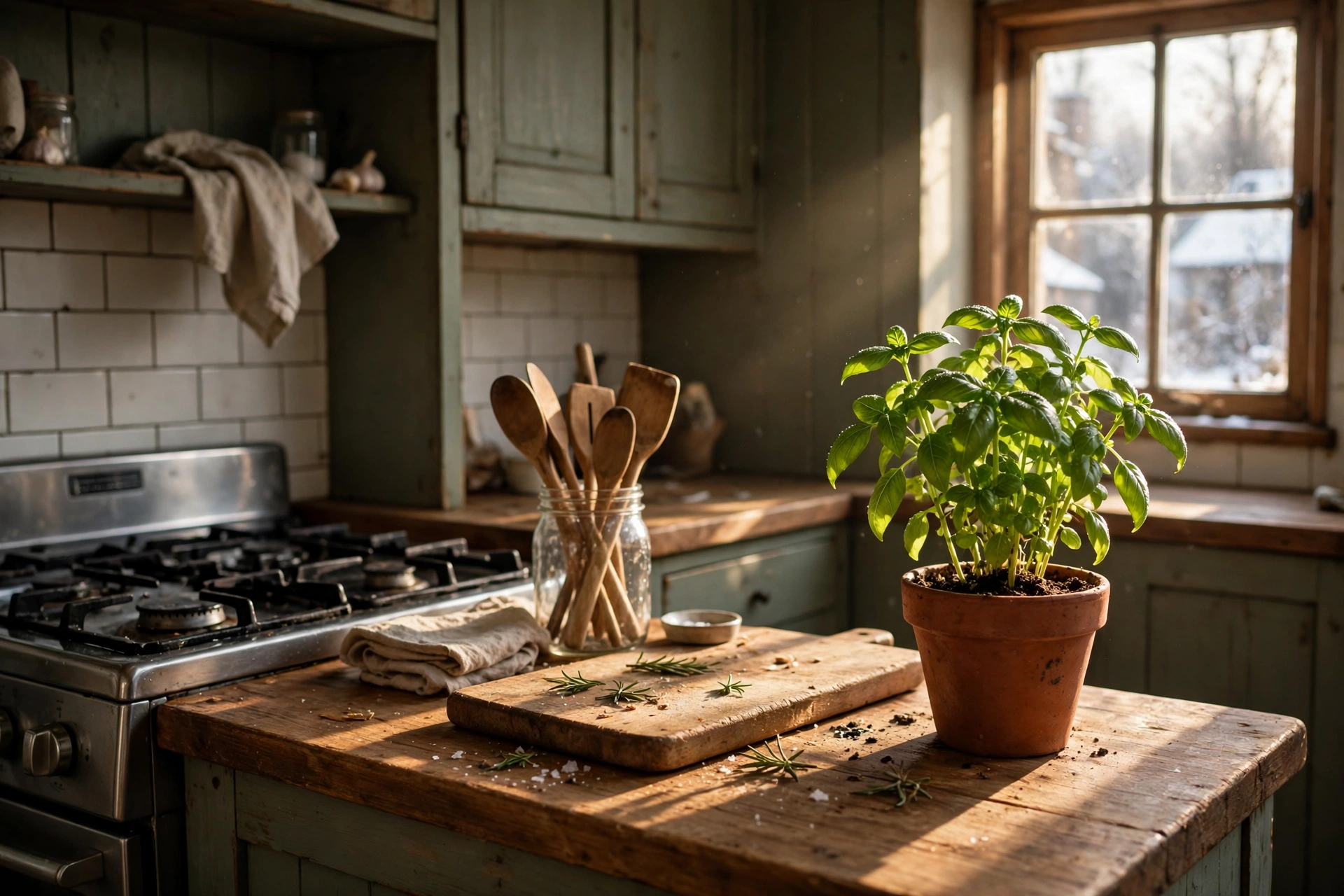
Your counter end is where mail piles up, so give it a job that actually feeds you and smells wonderful. A small pot of basil turns that sleepy corner into a cheerful herb station, with fresh leaves steps from the stove. Bright light is everything, since basil wants 6 to 8 hours of it or a small grow light in winter. Check the top inch before you water, and empty the saucer so the roots stay happy. Pinch the top leaves often, since regular picking keeps the plant bushy and beautiful instead of leggy. The ASPCA lists basil as non-toxic to cats and dogs, so a nibble is totally fine.
One tip: snip basil leaves in the morning, since the flavor is strongest and sweetest before the plant spends the day in warm kitchen air.
14. The Laundry Nook Shelf
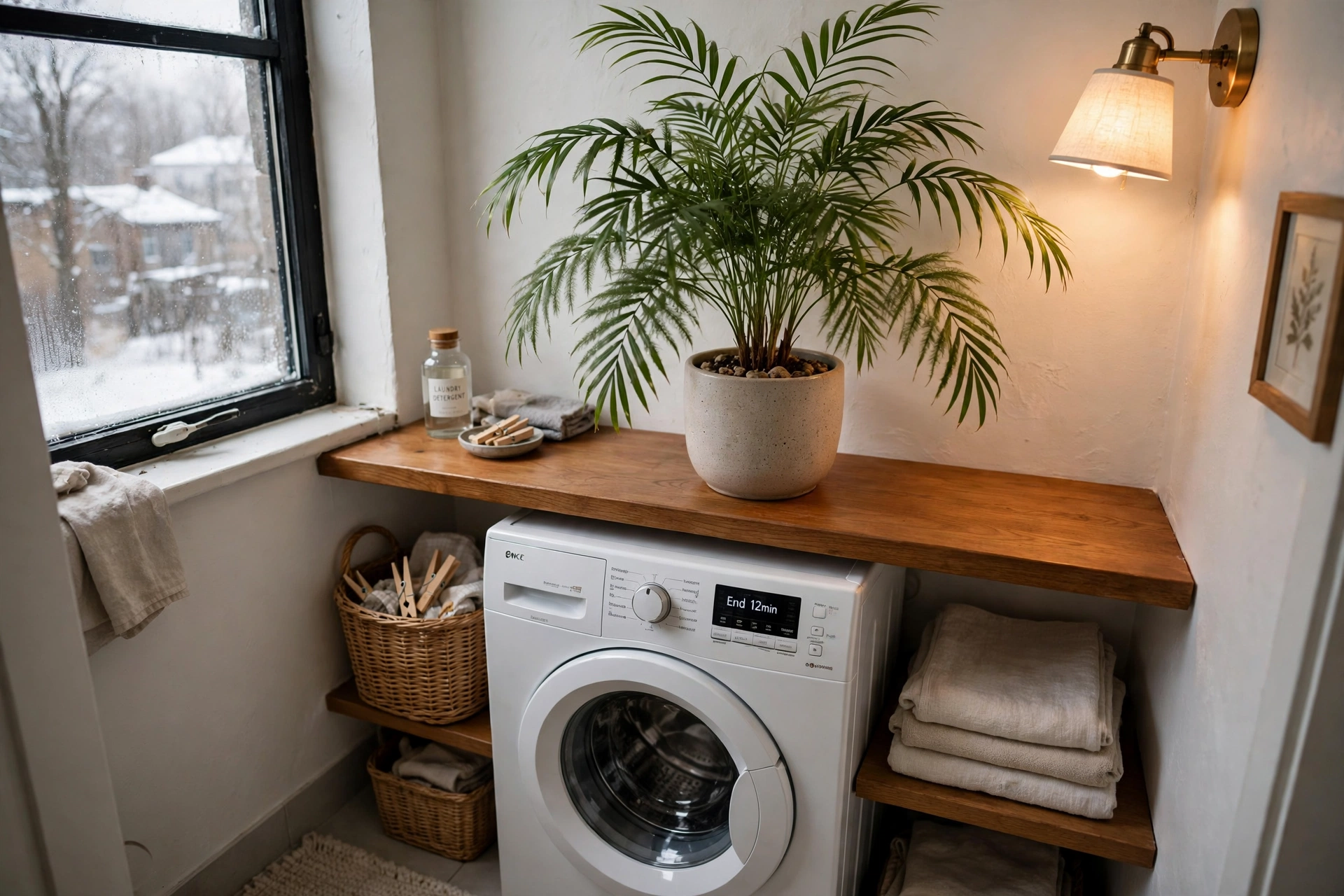
Of course the laundry nook is the last place anyone decorates, but a parlor palm makes it feel brighter and happier. This slow palm stays 2 to 4 feet tall, with soft fronds that fit a shelf above the washer. Low to medium indirect light suits it fine, which is lovely, since laundry nooks rarely get windows. Water when the top inch of soil feels dry, and skip fertilizer happily in winter when growth slows. Warm, humid air from the dryer suits the fronds, as long as the pot stays clear of a heat vent. The ASPCA lists parlor palms as non-toxic to cats and dogs, which is wonderful news.
One tip: use a pot with a drip tray that you can lift out, so laundry day stays tidy and the shelf stays lovely.
15. The Unused Fireplace Fern Display
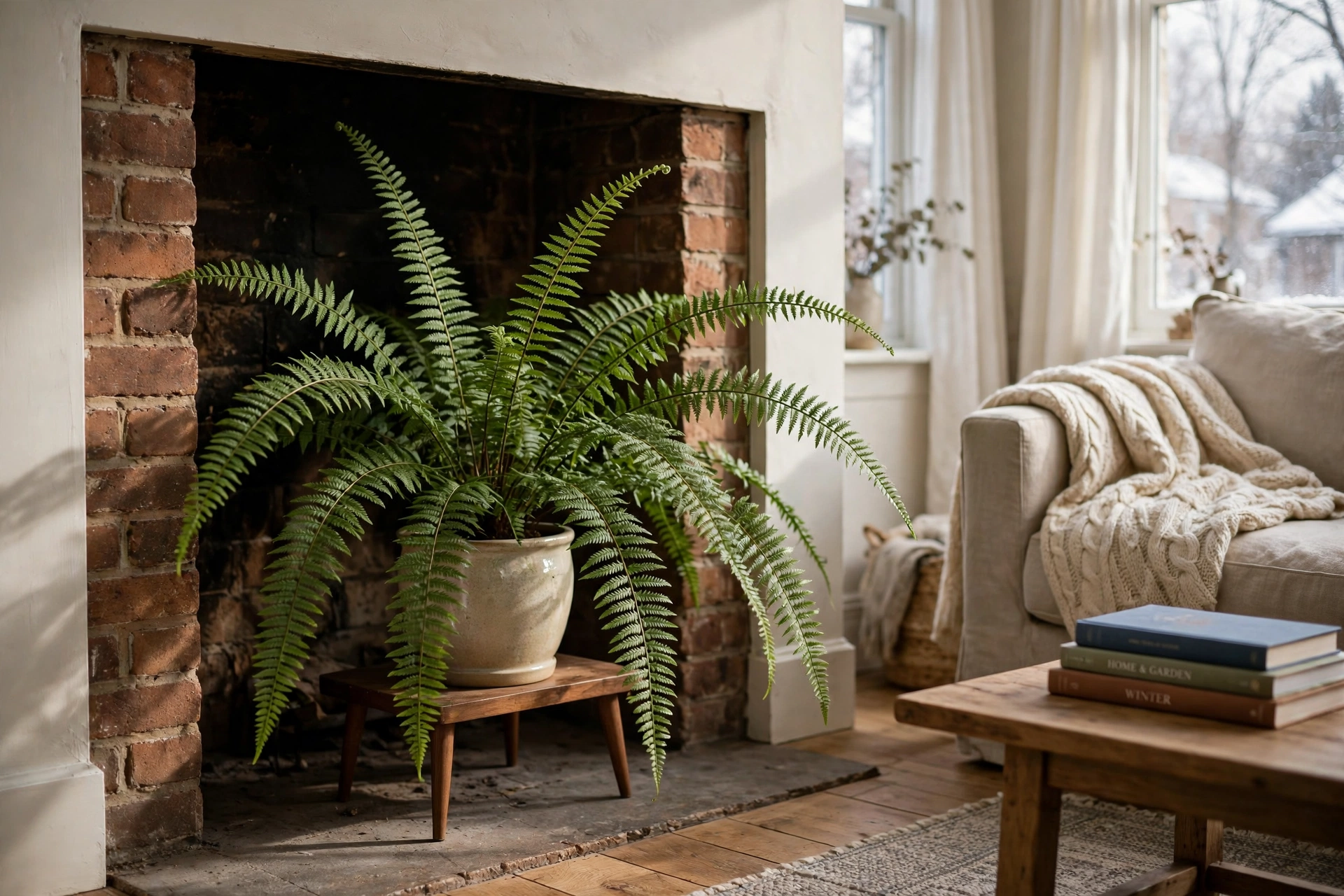
An unused fireplace is the most awkward space in the apartment, and a Boston fern turns it into the coziest, happiest corner you own. Its arching fronds spill 2 to 3 feet from the pot, softening the brick and filling the empty opening with lush, gorgeous green. Bright indirect light still matters, so this corner needs a bright room, and the fireplace must stay sealed and unused. Keep the soil lightly moist always, since moist soil keeps the fronds green and happy. Moist air keeps the leaves full, so a pebble tray works wonders in heated winter rooms. The ASPCA lists Boston ferns as non-toxic to cats and dogs.
One tip: set the pot on a low stand inside the firebox, so the fronds spill forward and frame the fireplace in lush green.