1. Cast Iron Plant
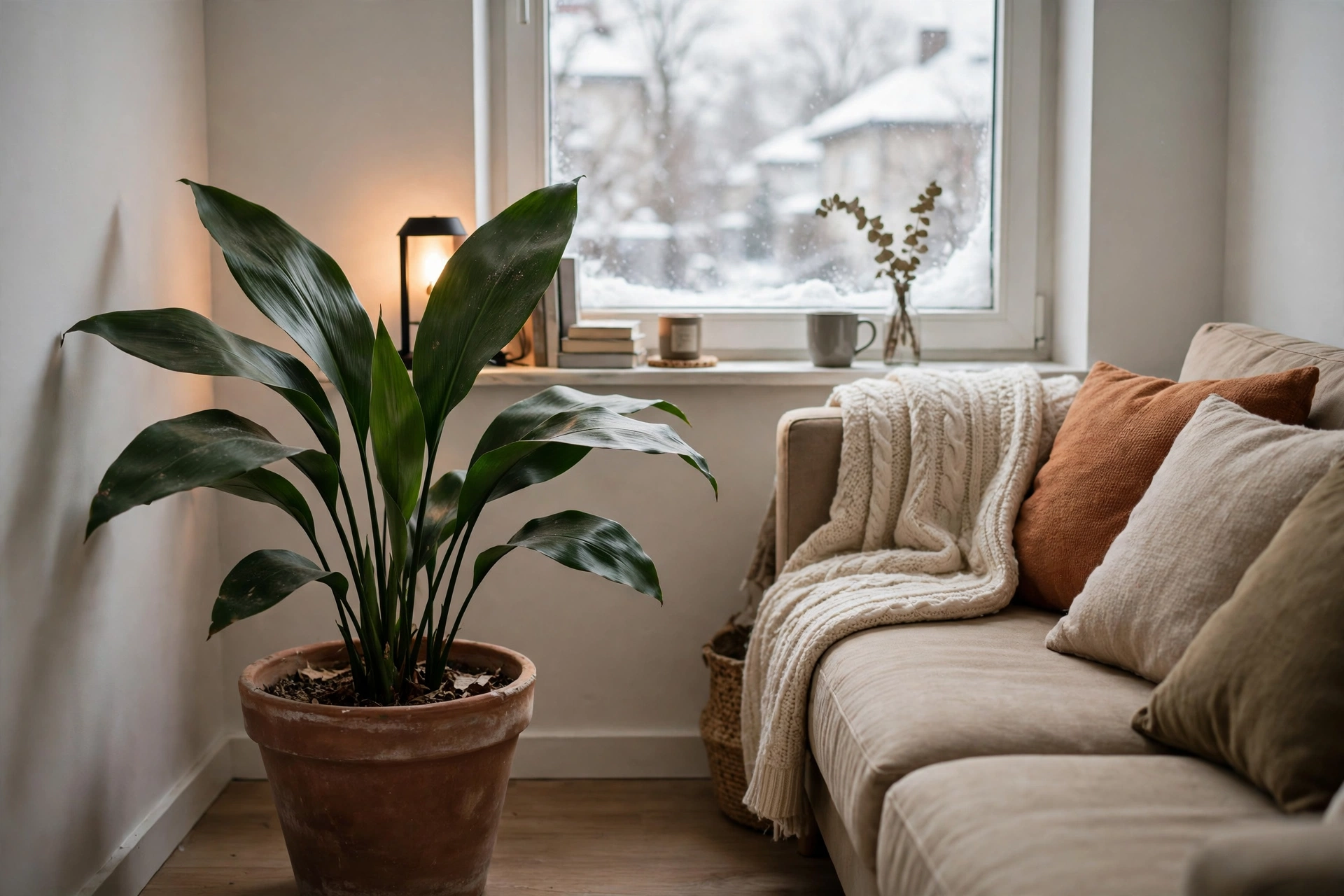
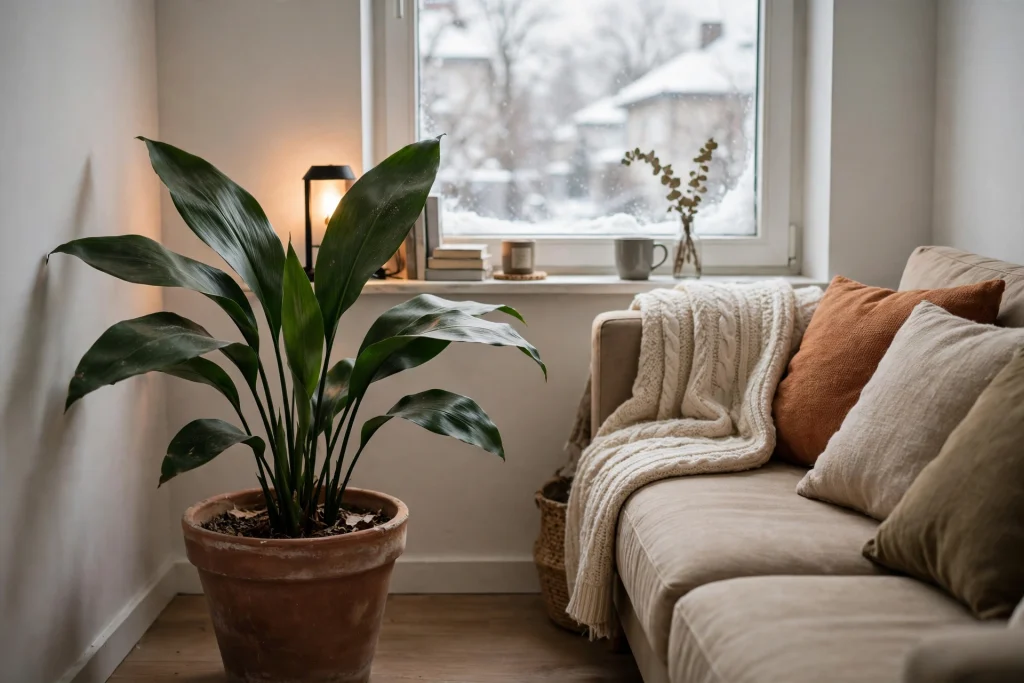
Okay, so here’s the thing. Cast iron plants earned their name in dim Victorian parlors, and they love the dimmest corner of your living room. Their broad, glossy leaves rise 1 to 3 feet tall in a slow, steady clump, so one pot fills a bare floor corner beautifully. Low light suits them best, and soft shade keeps the dark leaves glossy and rich. Let the top 2 inches of soil dry between waterings; in winter, every few weeks is plenty. Cool rooms suit them too, since they handle temperatures down to about 45 degrees. The ASPCA lists cast iron plants as non-toxic to cats and dogs, a happy pick for pet homes.
One tip: buy the size you want from the start, since this slow grower adds only a few leaves a year in dim light, and good things take time.
2. Dracaena ‘Janet Craig’
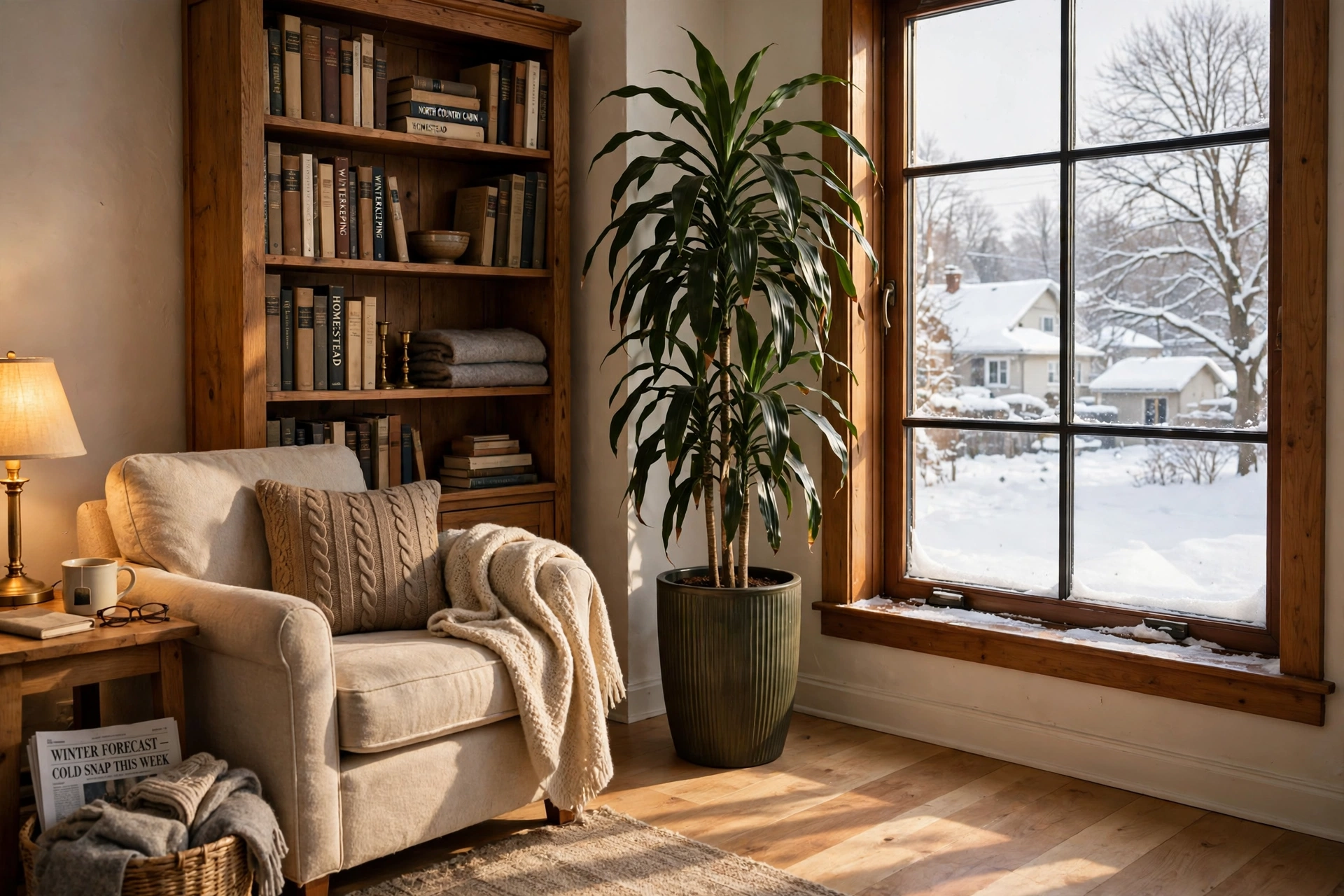
Janet Craig dracaena survived dim office hallways like a champ, so your living room corner is easy work for it. Its wide, glossy leaves arch from thick canes, and a mature plant reaches 4 to 6 feet tall over several years. Bright indirect light keeps it happiest, yet it tolerates low light better than most tall houseplants. Water when the top half of the mix feels dry, and water less in winter when growth slows. Keep it above 60 degrees in a warm, draft-free spot. The ASPCA lists dracaena as toxic to cats and dogs, so a high spot keeps everyone happy.
One tip: use filtered or distilled water if the leaf tips brown, since fluoride in tap water can brown dracaena tips over time, and filtered water keeps them lovely.
3. Kentia Palm
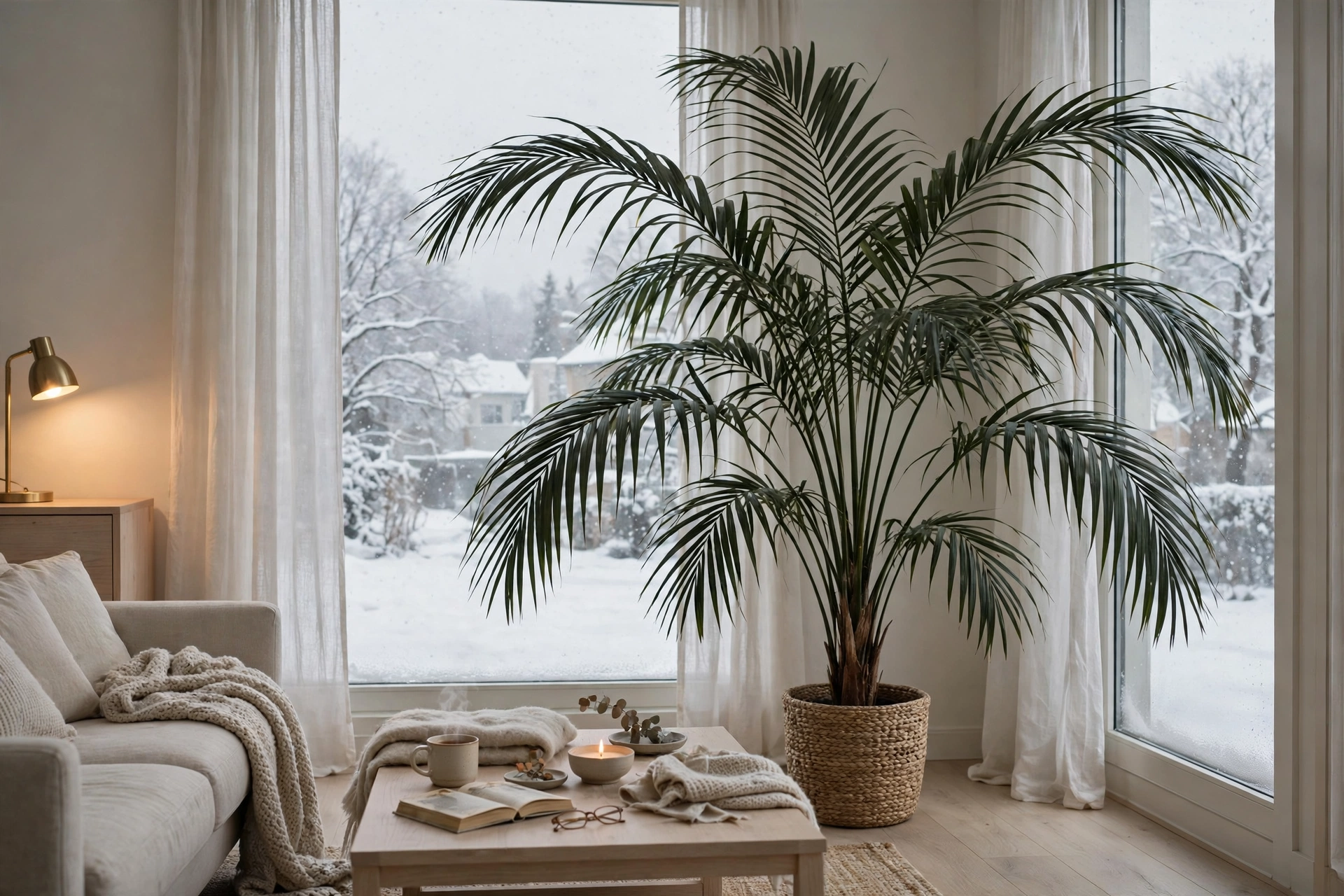
Kentia palms bring gorgeous hotel-lobby glamour to a living room, and they forgive dim corners better than almost any other palm. Their long, arching fronds rise from a slender trunk, and indoor plants reach 6 to 8 feet tall over many years. Bright indirect light suits them best, yet they tolerate low light and keep their graceful shape. Water when the top inch of soil feels dry, and ease off in winter. Keep the plant between 65 and 85 degrees, in a cozy spot away from heating vents and cold drafts. The ASPCA lists kentia palms as non-toxic to cats and dogs, so pets and palms share the room happily.
One tip: rotate the pot a quarter turn every couple of weeks, so the fronds arc evenly and the palm looks stunning from every angle.
4. Dieffenbachia
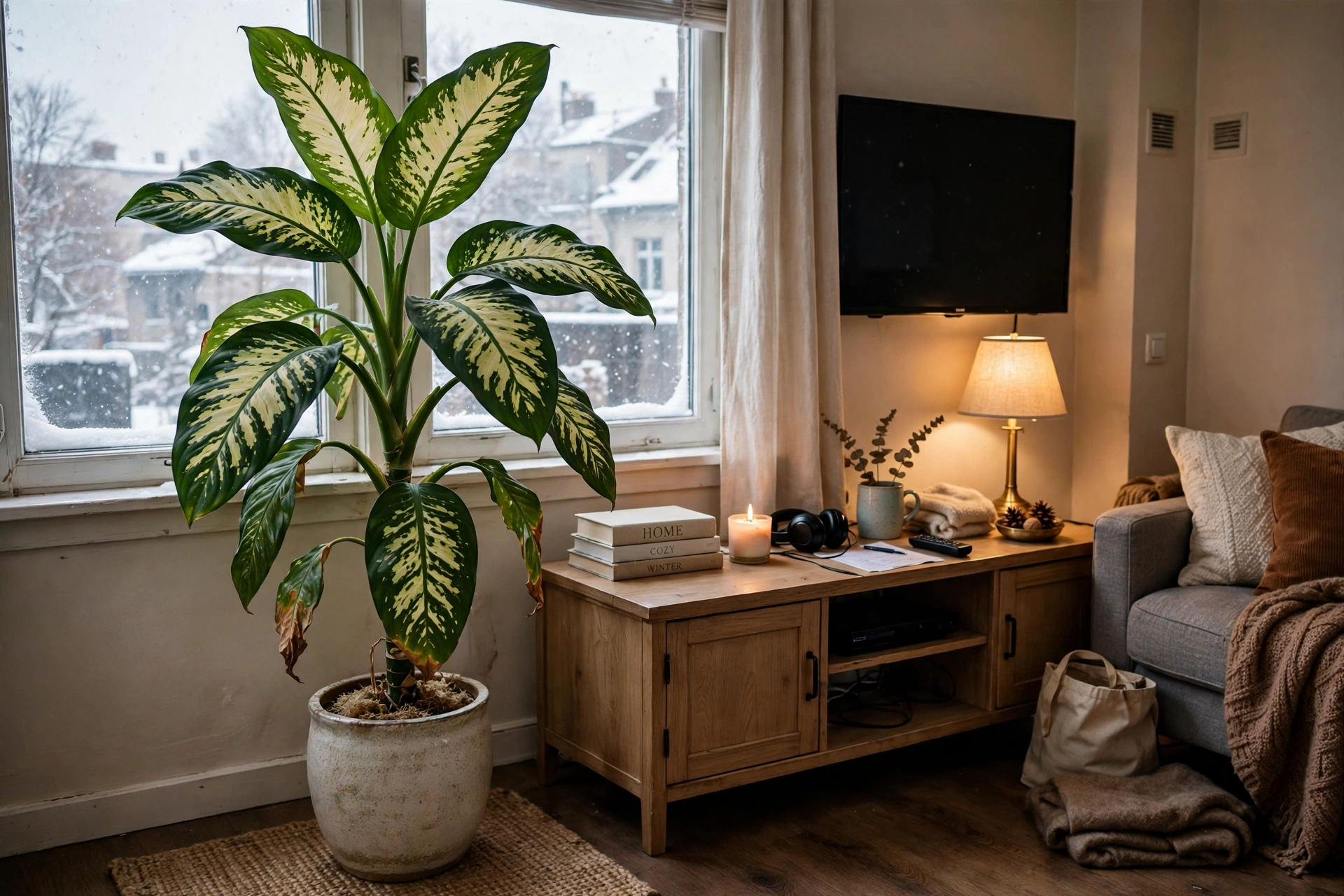
Dieffenbachia is pure joy, filling an empty floor spot fast with big leaves splashed in cream and pale green that catch the eye from across the room. Most indoor plants reach 3 to 6 feet tall on a thick cane-like stem, and growth stays quick in decent light, which is honestly impressive. Bright filtered light suits it best, and it stays gorgeous in low light too, just growing a little slower there. Water when the top 1 to 2 inches of soil feel dry, and water less in winter. Keep it above 55 degrees in a warm, draft-free spot. The ASPCA lists dieffenbachia as toxic to cats and dogs, so a lovely spot out of reach keeps everyone happy and safe.
One tip: wear gloves when you prune or repot it, since gloves keep things easy and safe, and they protect your hands from sap that can irritate skin and leaves that are toxic if chewed.
5. Heartleaf Philodendron
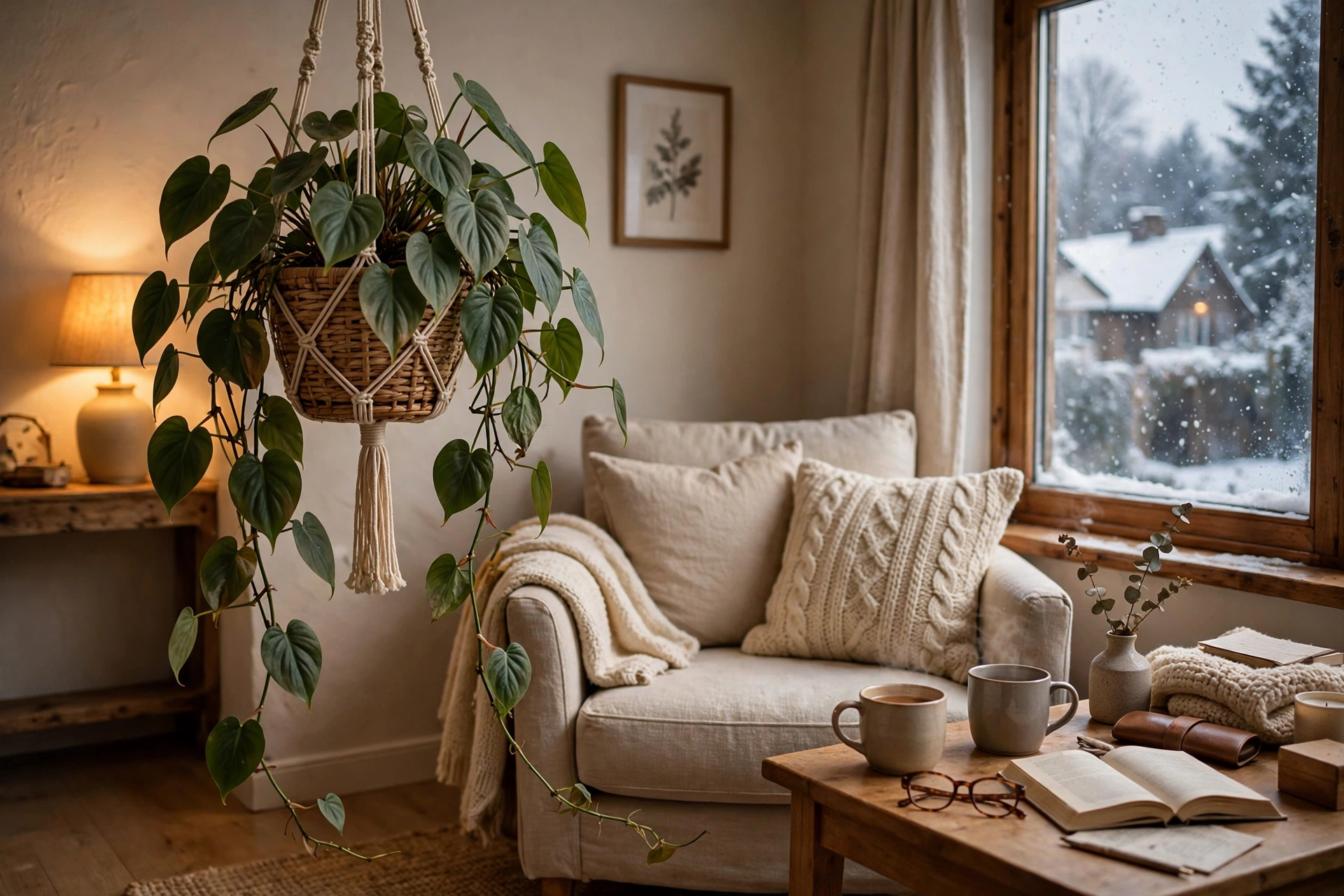
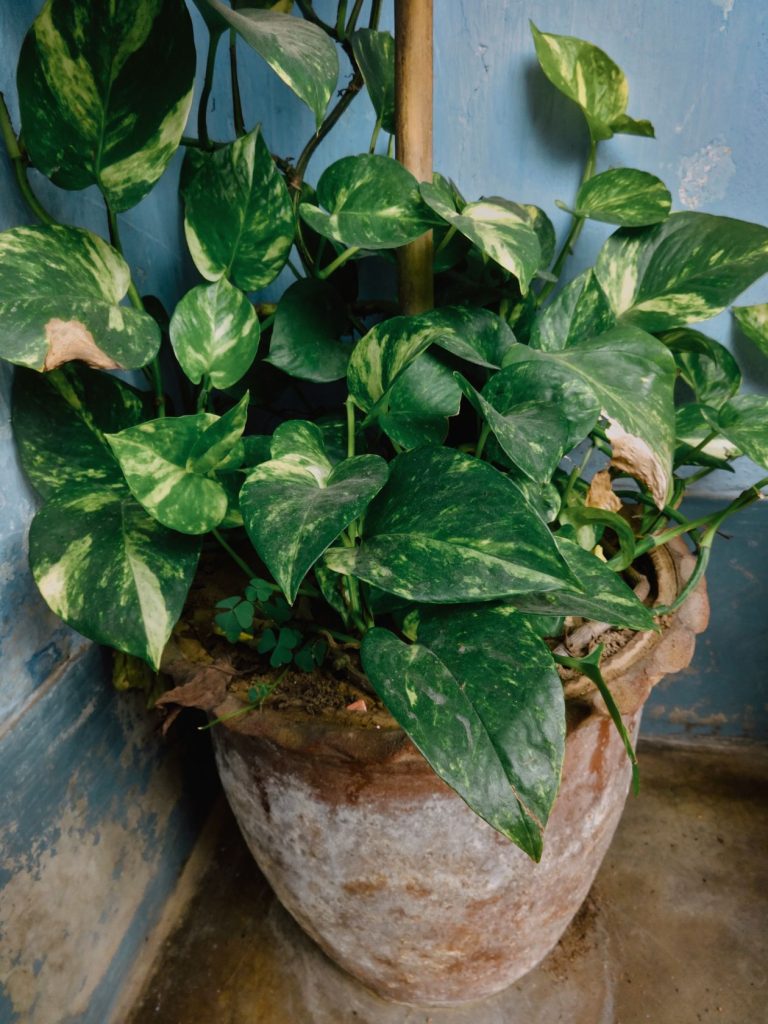
Heartleaf philodendron is the sweetheart vine that forgives almost everything, and I adore how it turns a dim corner into the prettiest spot in the room. Its glossy, heart-shaped leaves trail from a hanging basket, and the vines reach 4 to 10 feet indoors if you let them grow, which I happily did. Bright indirect light keeps the leaves full and gorgeous, and it tolerates very low light better than most tropical vines. Water when the top inch of soil feels dry, then water less in winter. Keep it above 50 degrees in a warm spot out of cold drafts. The ASPCA lists heartleaf philodendron as toxic to cats and dogs, so hang it high and everyone stays happy.
One tip: pinch back long stems above a leaf joint, since a quick trim keeps the vine full and lush and encourages lovely new growth.
6. English Ivy
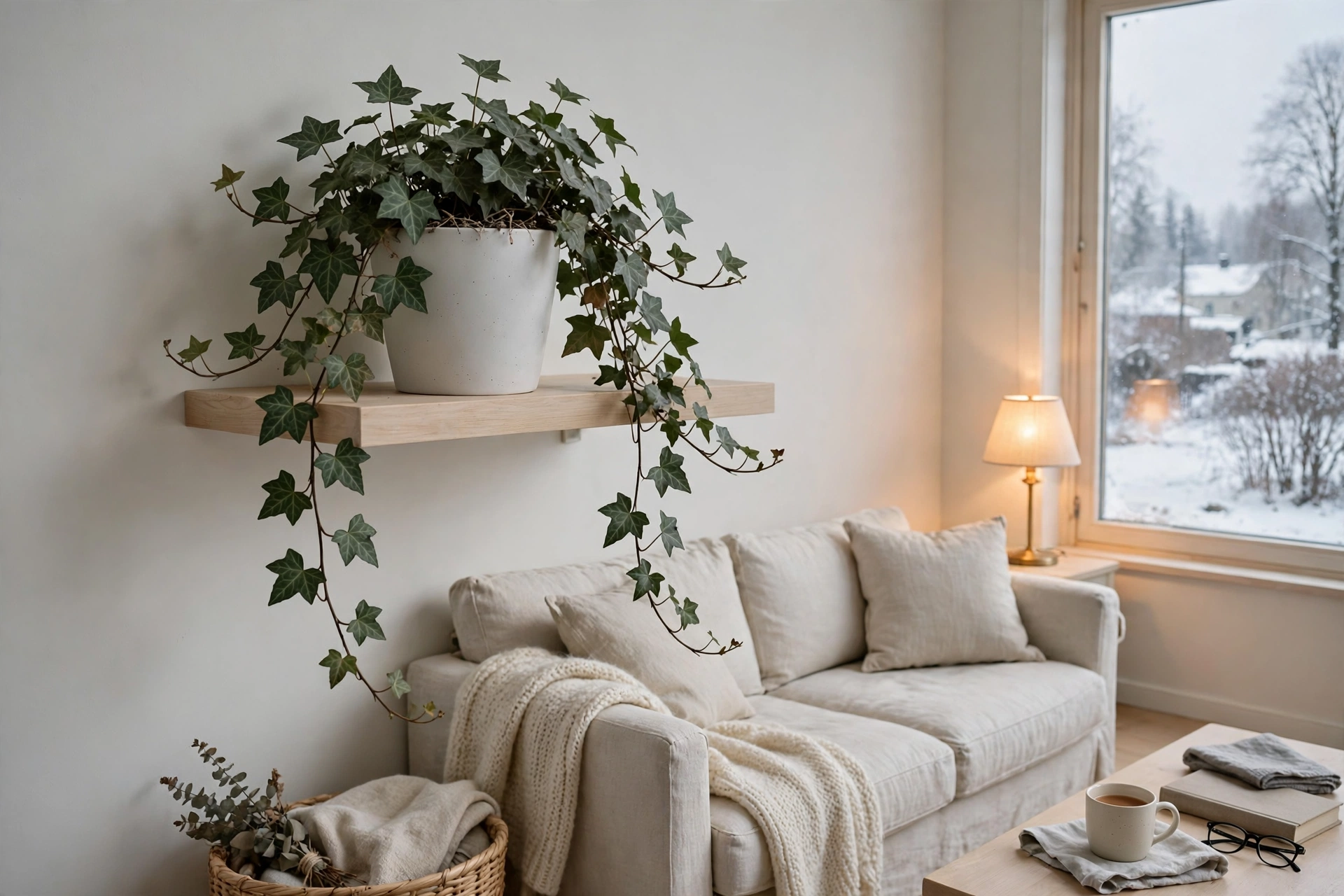
English ivy turns a bare wall shelf into a gorgeous green waterfall, and I love how it adores the cool rooms most houseplants find tricky. Its lobed leaves trail 3 to 8 feet from a pot, and regular pinching keeps the vine bushy and full and beautifully lush. Bright indirect light suits it best, and it stays happy in low light too, just growing a little slower there. Water when the top inch of soil feels dry, and keep it between 50 and 70 degrees. A spot away from radiators keeps the leaves glossy and green, since dry heated air can brown them. The ASPCA lists English ivy as toxic to cats and dogs, so keep vines high and everyone stays happy.
One tip: give the leaf undersides a quick peek for spider mites in winter, since dry heated air invites them and they spread fast, and catching them early keeps your ivy thriving and happy.
7. Arrowhead Plant
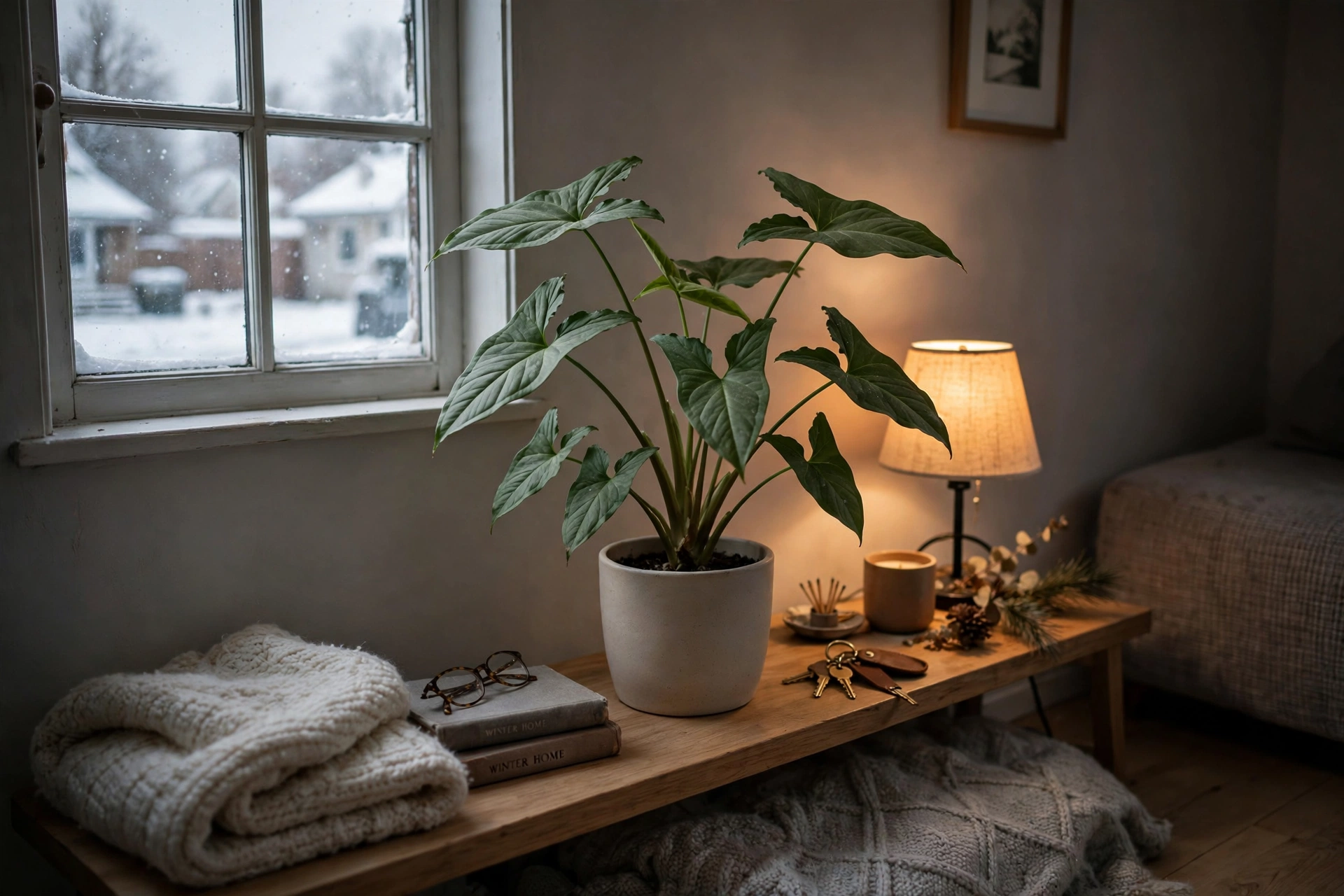
Arrowhead plants start as tidy little bushes, then delight you by sending out vines once they settle in, a proper plot twist, and I love the surprise every time. Young plants stay under 2 feet tall, while older vines reach 3 to 6 feet if you let them climb or trail. Bright indirect light keeps the leaves colorful and gorgeous, and solid green types tolerate low light best. Water when the top inch of soil feels dry, and ease off in winter. Keep it between 60 and 80 degrees in a warm spot away from cold drafts. The ASPCA lists arrowhead plants as toxic to cats and dogs, so a beautiful high shelf keeps everyone happy and safe.
One tip: prune the vine tips in spring to keep it bushy and full, or give it a small moss pole and let it climb, which is my favorite route.
8. Boston Fern
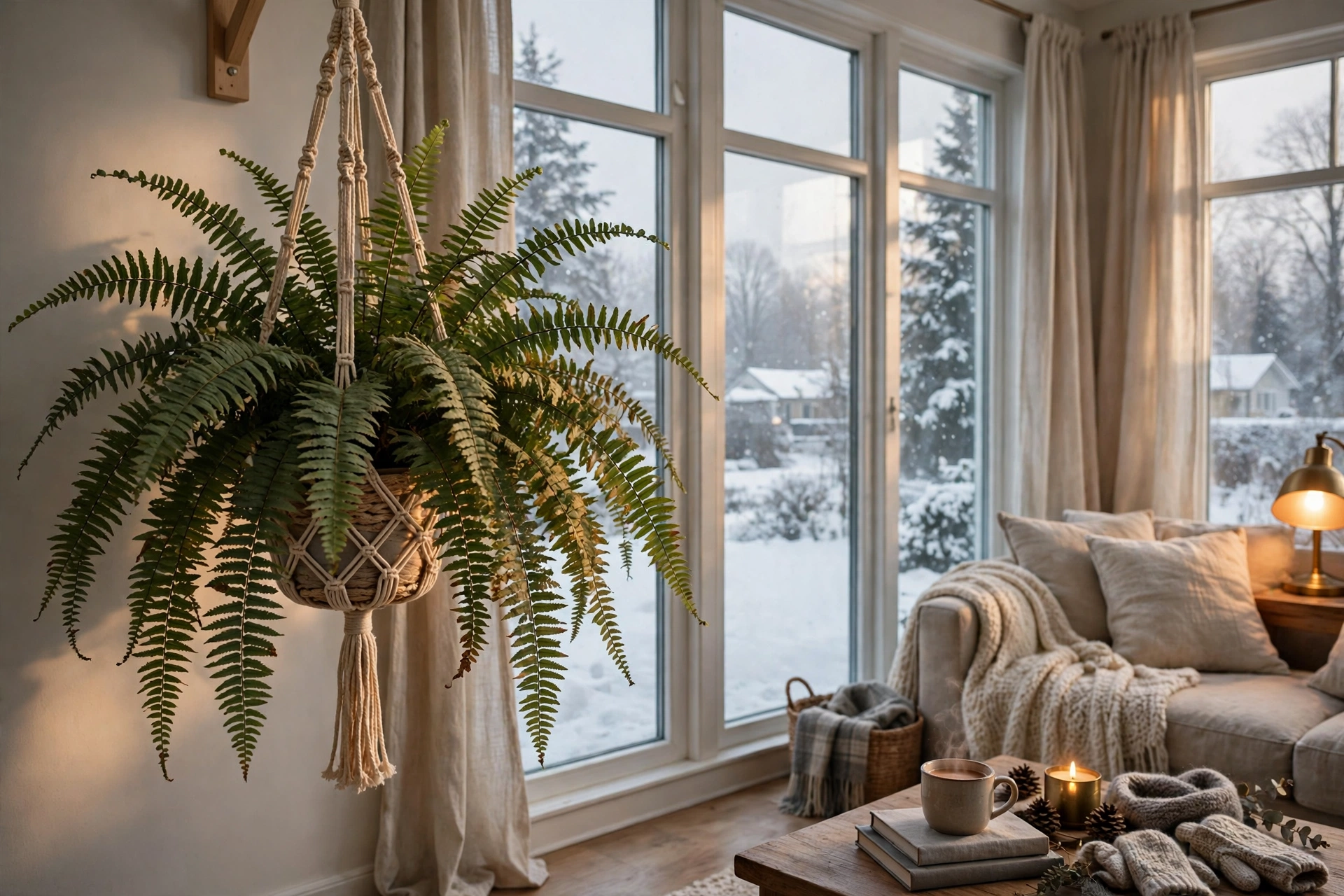
Boston ferns bring instant softness and beauty to a living room, with arching fronds that spill 2 to 3 feet from a hanging basket, and they know it. They love bright indirect light, and they stay lush and happy in lower light too, just growing a little slower there. Keep the soil evenly moist and water regularly, since steady moisture keeps the fronds soft and full and gorgeous. Humidity above 50 percent keeps the leaves lush, so a pebble tray helps in heated winter rooms. A room between 60 and 70 degrees suits it best, away from radiators. The ASPCA lists Boston ferns as non-toxic to cats and dogs, a wonderfully safe pick for pet homes.
One tip: soak the whole pot in the sink once a month, since a deep drink revives dry fronds better than light sips, and I call it spa day for my happiest plant.
9. Bird’s Nest Fern
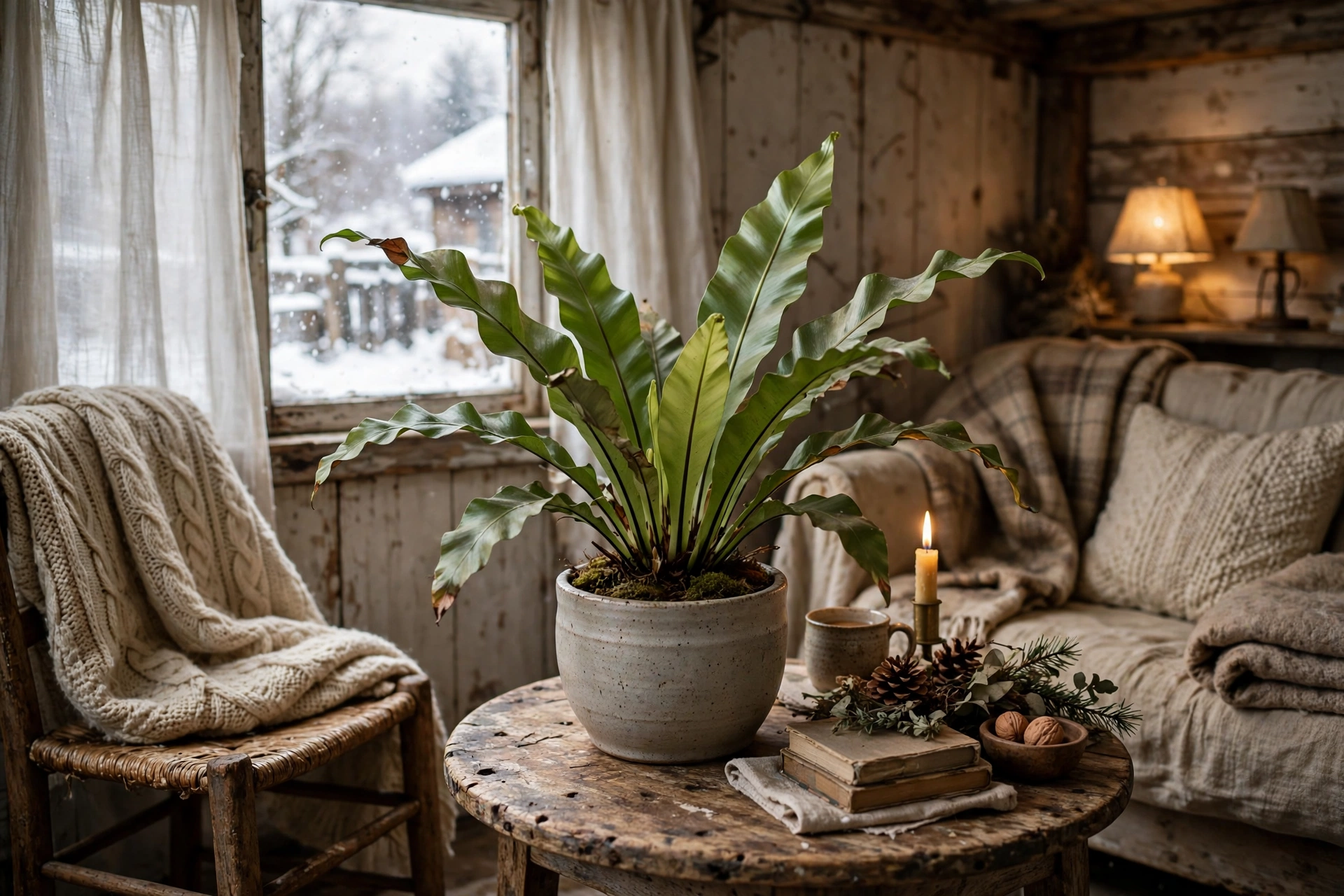
Bird’s nest ferns look like a gorgeous green rosette unfurling in slow motion, with wide glossy fronds spreading 2 to 3 feet across, and I mean that as a compliment. They handle medium to low indirect light well, and soft shade keeps the fronds glossy and happy. Keep the soil evenly moist but never soggy, and water around the rim instead of into the center rosette, since gentle watering keeps the rosette happy. Humidity above 50 percent keeps the fronds glossy, so group it near other plants in dry winter air. Warmth matters too, since it thrives above 60 degrees and loves a cozy spot away from cold glass. This fern has no ASPCA toxicity listing, so a lovely spot out of chewing range keeps everyone happy.
One tip: keep the center nest dry when you water, since new fronds unfurl beautifully in a dry nest, and a happy nest grows gorgeous new leaves.
10. Calathea ‘Medallion’
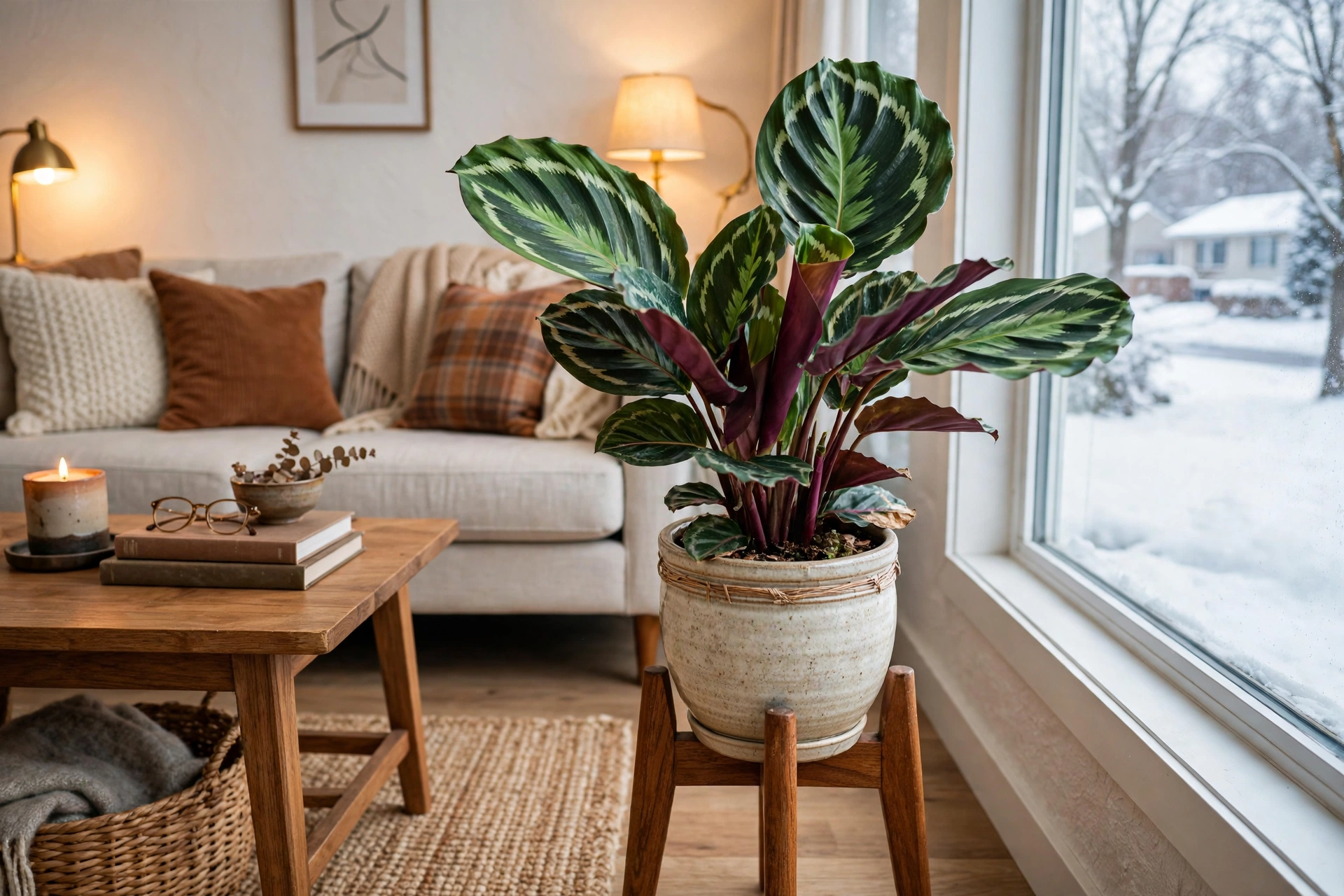
Calathea Medallion leaves look hand-painted, with round green medallions and magenta undersides that catch the light, and yes, they are showing off. Its clump stays 1 to 3 feet tall, and its leaves fold up at night like hands in prayer. Bright filtered light keeps the patterns crisp, though it tolerates lower light and grows slower there. Keep the soil evenly moist and use filtered water, since fluoride-free water keeps the leaf edges smooth and lovely. Humidity above 50 percent keeps it happy in heated rooms. The ASPCA lists calathea as non-toxic to cats and dogs, a joyful pick for pet homes.
One tip: group it with other humidity lovers on a pebble tray, since shared moist air keeps the leaf edges smooth, and plants like company too.
11. Prayer Plant
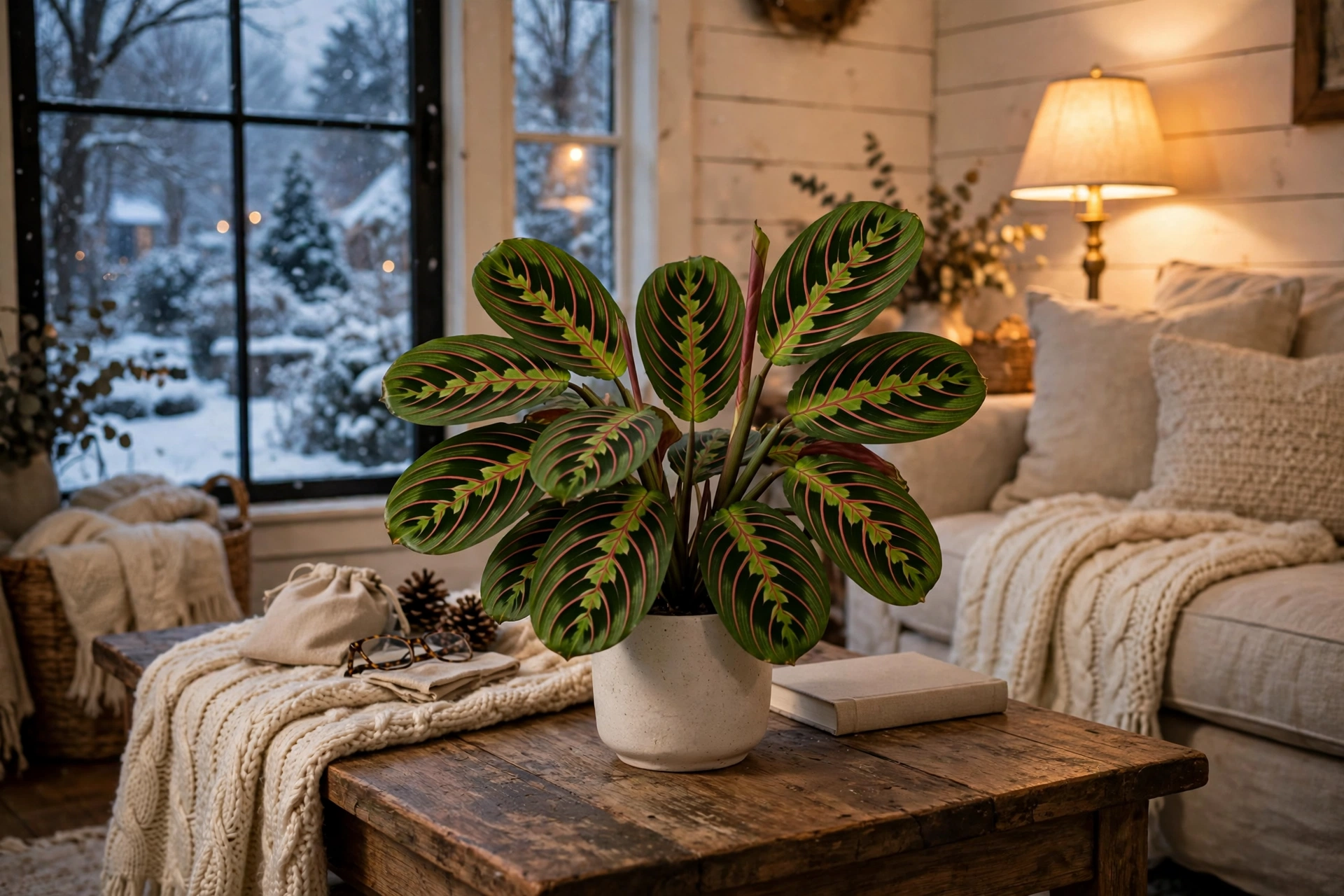
Prayer plants put on a small show every evening, when their patterned leaves fold upright like hands in prayer, and I love it. This low clump grows about a foot tall and spreads up to 2 feet wide, so it fits a coffee table or low shelf. Bright indirect light keeps the red veins vivid, though it tolerates low to medium light too. Keep the soil evenly moist and never let it dry out fully. Humidity above 50 percent keeps the leaves smooth, so group it near other plants. The ASPCA lists prayer plants as non-toxic to cats and dogs, a safe and happy pick for pet homes.
One tip: water with room-temperature filtered water, since gentle lukewarm water keeps the leaves spotless and the edges smooth, and this plant deserves the good treatment.
12. Nerve Plant
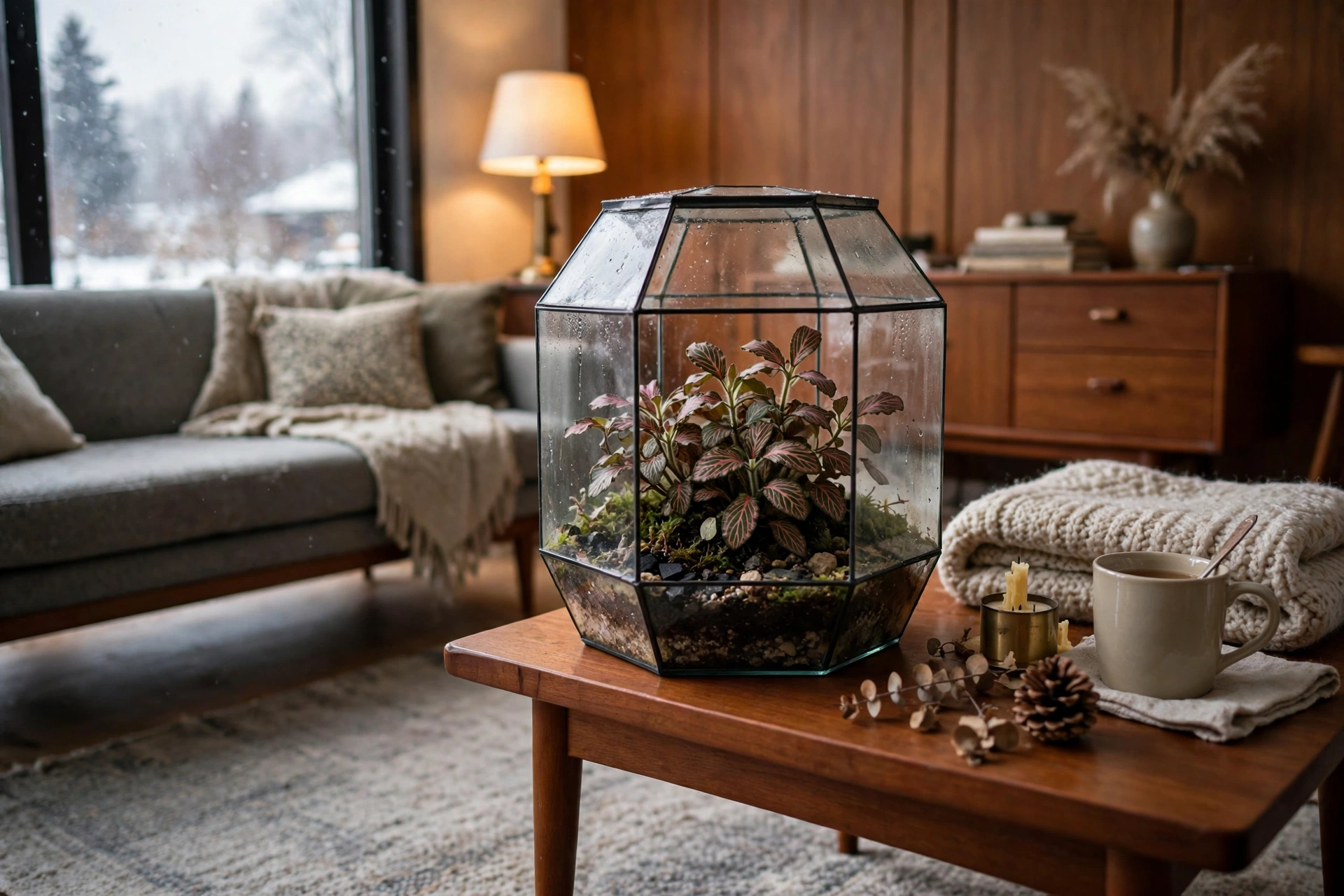
Nerve plants wear their veins on the outside, with white or pink lines tracing every tiny leaf like a hand-drawn map, and the effect is gorgeous. Its creeping mat stays only 3 to 6 inches tall and spreads 12 to 18 inches wide, so it shines in a terrarium or small pot. Bright indirect light keeps the veins vivid, though it tolerates low light and grows slower there. Keep the soil just moist and never let it dry out, since steady moisture keeps it perky and bright. Warmth above 63 degrees suits it best, away from drafts. The ASPCA lists nerve plants as non-toxic to cats and dogs, a safe and happy pick for pet homes.
One tip: water it the moment it droops, since a droopy fittonia stands back up within half an hour of a drink, which beats my recovery time.